

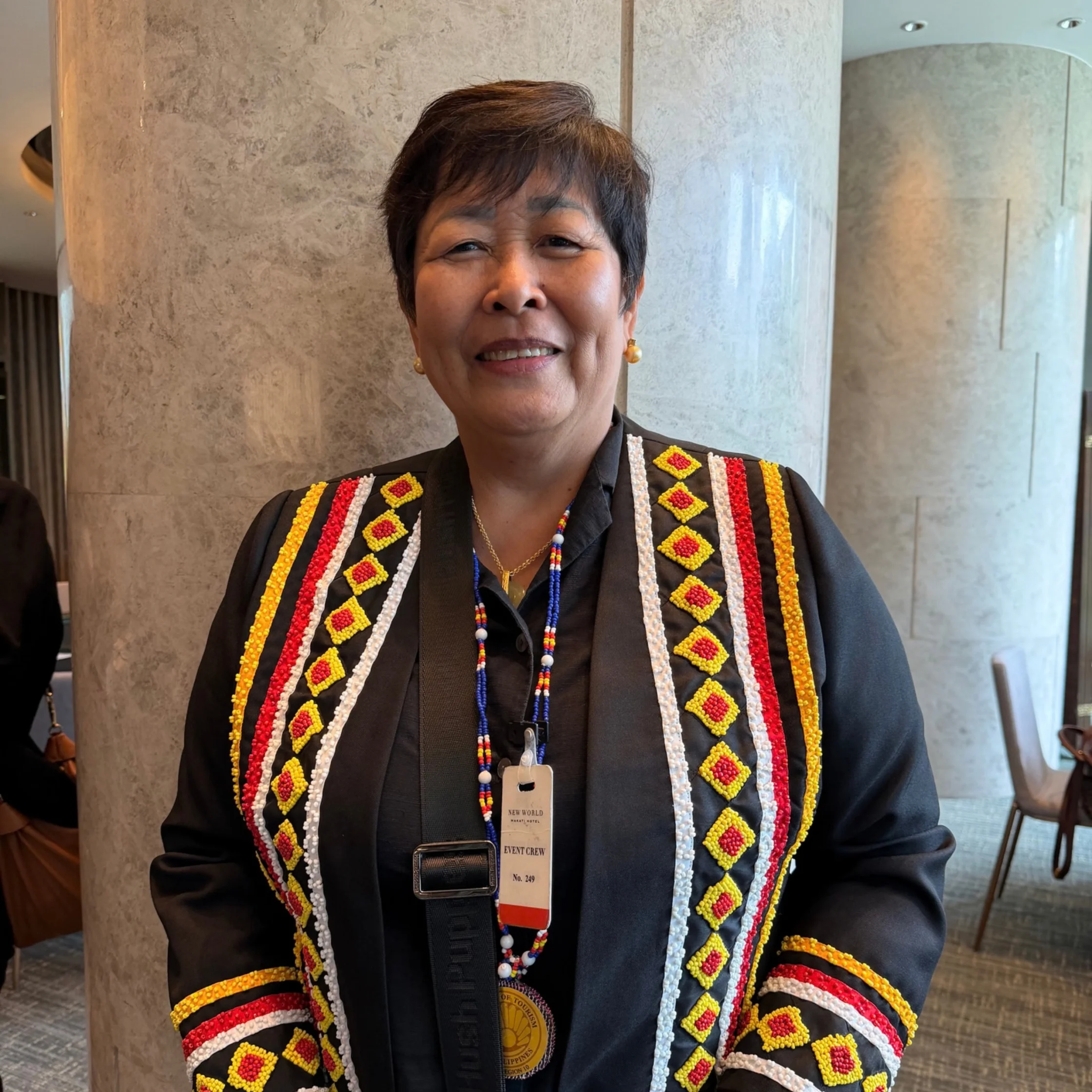
Long before Maria Norly Pepito stepped into public service as a municipal councilor of Impasugong, Bukidnon in Northern Mindanao, she was a young girl watching her mother, Lydia Kasan, working magic in the kitchen.
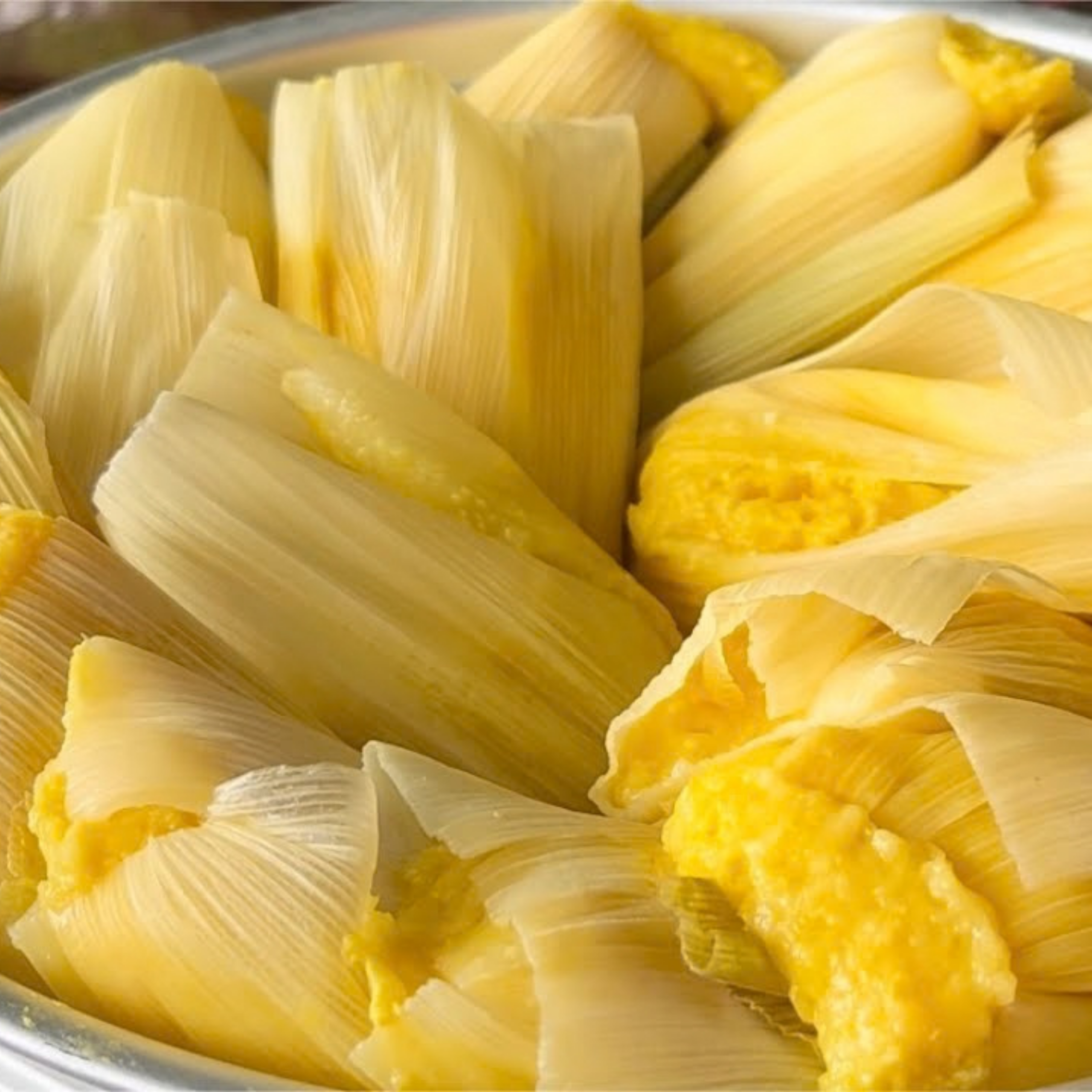
What Is Binaki? The Bukidnon Corn Delicacy and Its History
The year was 1971 and her Ilocano family, originally based in Luzon, was relocated to Bukidnon via a state-sponsored resettlement program. Her earliest memory of the corn specialty binaki was through her neighbor, who was from an indigenous community.
Traditionally, the delicacy served as a form of gratitude within the tribes. And then it evolved to be a quick and filling energy snack for farmers working long hours in the field.
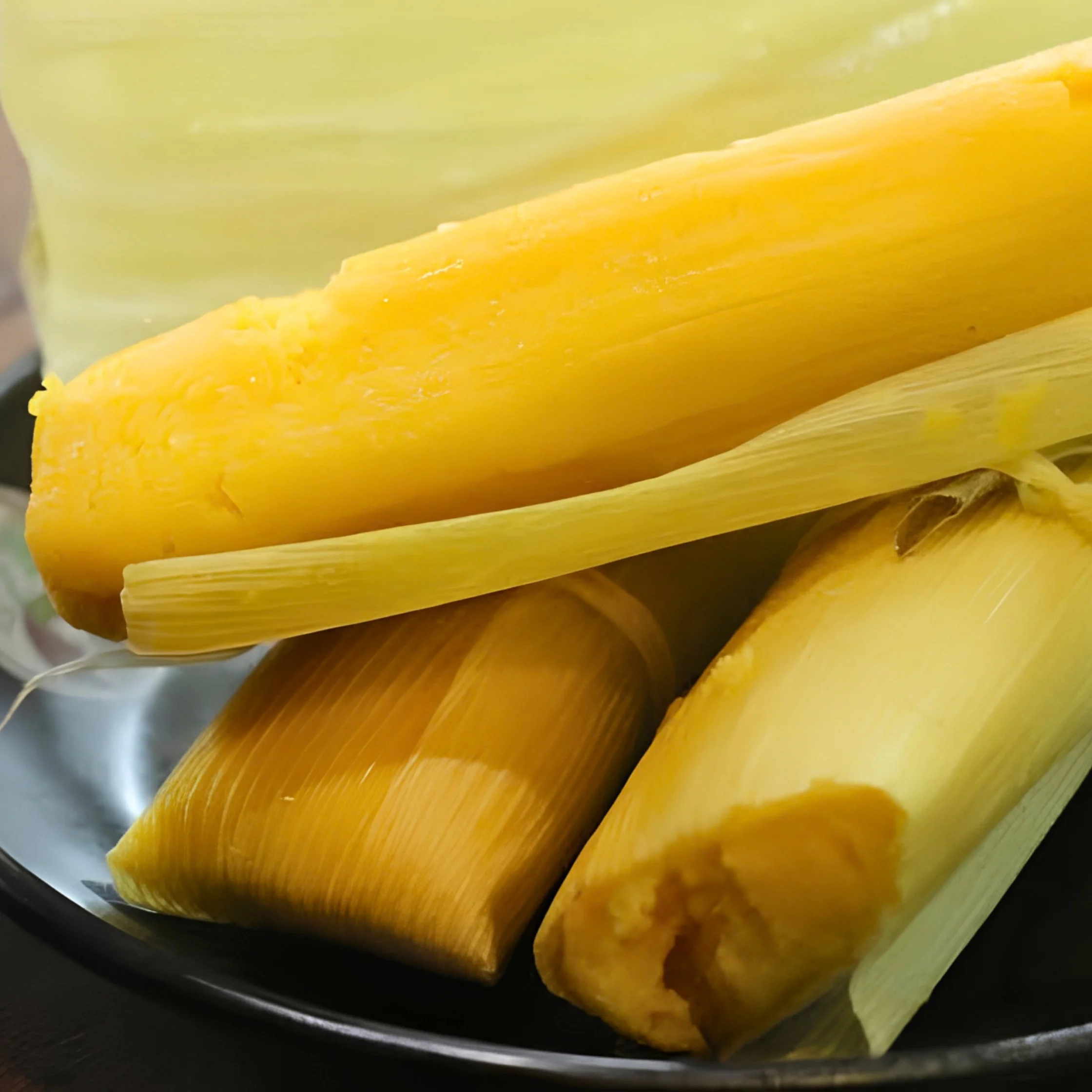
Prepared during the lean months before the corn harvest, or when ears of corn were still young and tender (luituin), the recipe was very basic and rustic. Grated corn was mixed with just a touch of salt or sugar, wrapped tightly in its own husks, and steamed. “Kinakain siya na parang kanin kapag inasinan, kasama ng sinabawang manok,” she says. “Pag kapares kaman ng kape, nilalagyan ng asukal.”
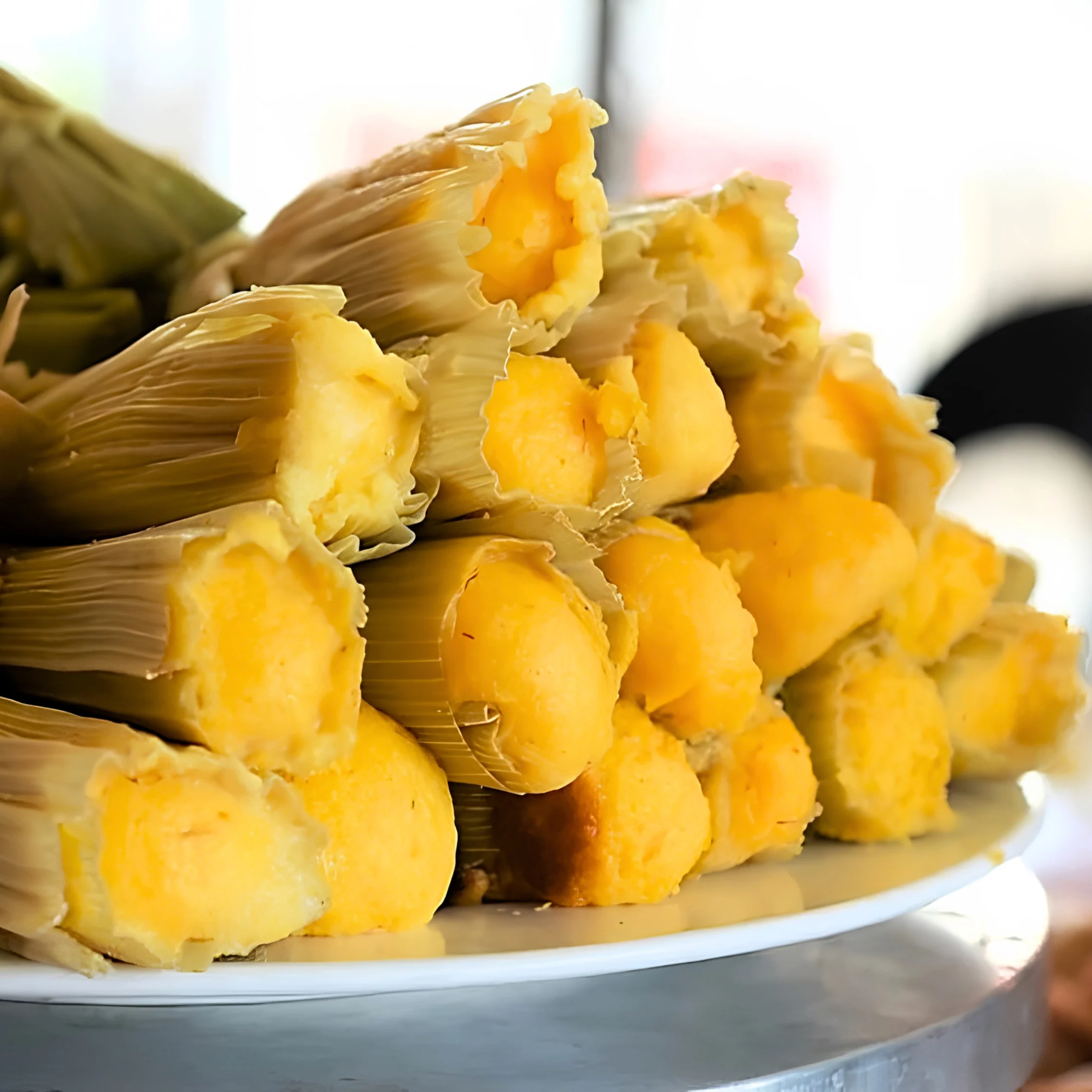
Over the decades, the Pepito family added their own stamp to the tradition. Her mother developed and introduced a richer iteration by incorporating butter among other ingredients, transforming the humble native snack into something deeply savory, decadent, and unforgettable.
How a Bukidnon Family Turned Binaki Into a Beloved Local Business
Not long, this caught the attention of the community. Encouraged by relatives and neighbors who couldn’t get enough of the delicious treat, the family began commercializing the delicacy in the late 1980s. Today, those frozen packs of binaki travel far beyond Bukidnon, carried by overseas relatives longing for a taste of home.
Operating out of their Bukidnon shop and supplying spots like the Dahilayan Forest Park Resort, the operation allows them to produce up to 75 kilos of binaki in a single cook. It’s a rigorous process that requires a hardworking team of six to eight, each one helping out to grate the corn by hand. Behind the scale is rigorous manual labor: a team of six to eight people insists on grating the corn by hand.
“Nandun ang sikreto. Pag machine, iba ang texture. Mano-mano kami pati pagbalot,” she says.
This attention to detail extends back to their farm. Since they plant their own corn, her family maintains complete control over their supply chain, harvesting only what is needed for the day’s production to ensure absolute freshness.
From Baki to Butter
The word binaki comes from the vernacular word baki, which means frog, attributing it to the frog-like shape of the folded corn husk or the squatting posture when grating corn by hand.
What started as a mother’s kitchen experiment has evolved into a family enterprise and a thriving livelihood—not just for the Pepitos, but for local women employed along the way.
It is a living testament to how migration, indigenous tradition, and a pat of butter can weave a community together.

Frequently Asked Questions
Binaki is a traditional corn-based specialty from Bukidnon in Northern Mindanao. Originating from indigenous tribal communities as an expression of gratitude, it eventually became a quick, energy-boosting snack for local farmers working in the fields.
Maria Norly Pepito is a local political leader and public servant in Impasug-ong, Bukidnon, Philippines.
She is also part of the Pepito family, who turned their mother Lydia Kasan’s buttered binaki recipe into a thriving family enterprise and local commercial success.
Traditionally, binaki was a simple, rustic dish made during lean months or when corn ears were young and tender (luituin). Freshly grated corn was mixed with just a touch of salt or sugar, wrapped tightly in corn husks, and steamed. Salted binaki was eaten like rice alongside chicken soup, while sweetened binaki was paired with coffee.
In the decades following their relocation to Bukidnon, Maria Norly Pepito’s mother, Lydia Kasan, developed a richer version of the delicacy by adding butter and other ingredients. This transformed the humble native snack into a deeply savory and decadent treat.
The family believes hand-grating is the secret to their product’s superior texture, which cannot be replicated by a machine. Every step, from grating the corn to wrapping it in husks, is done manually by a dedicated team.
The word “binaki” derives from the local word “baki”, which means “frog.” The name refers either to the squatting posture assumed when grating corn by hand or to the frog-like shape of the wrapped corn husk.