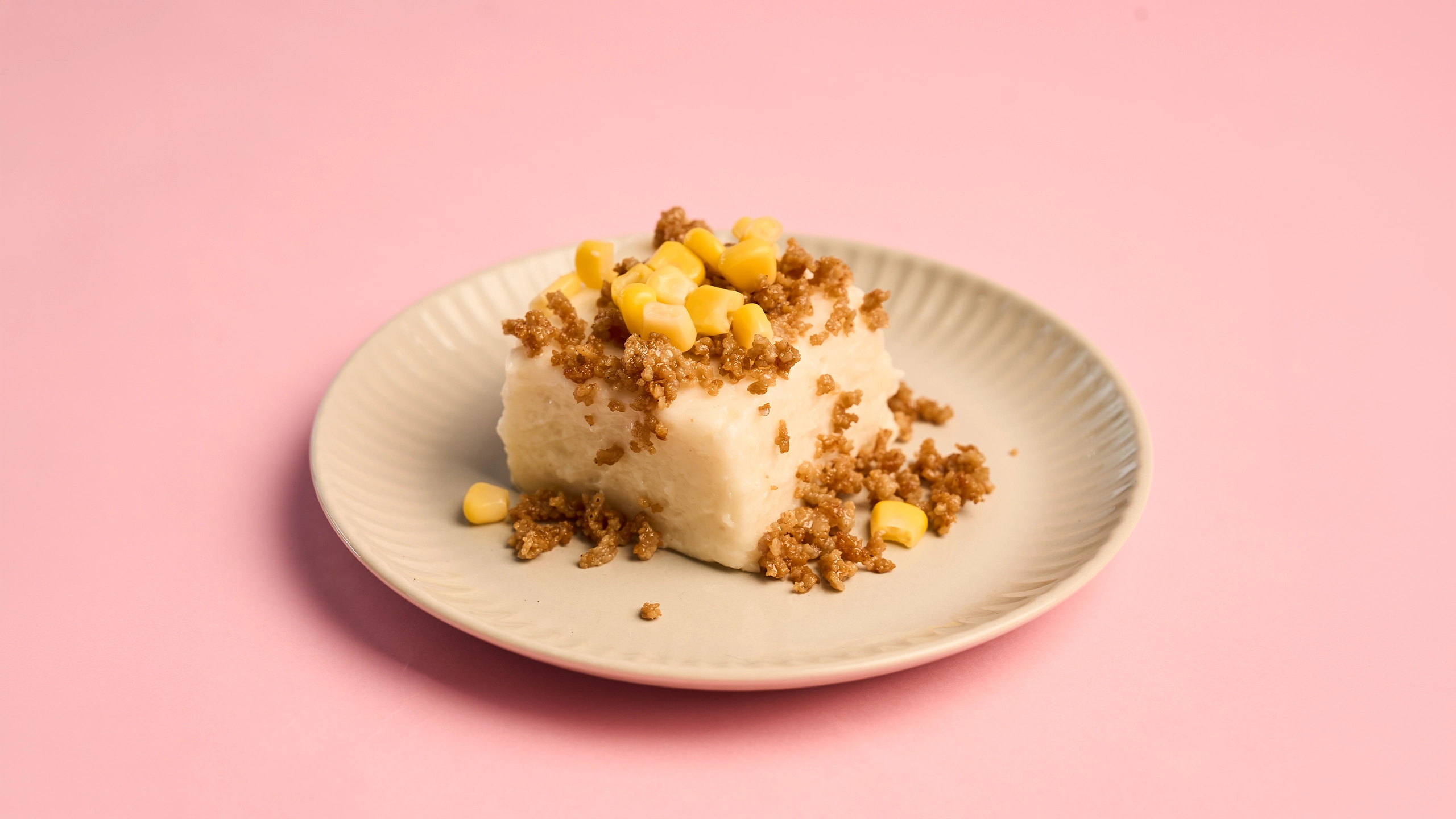


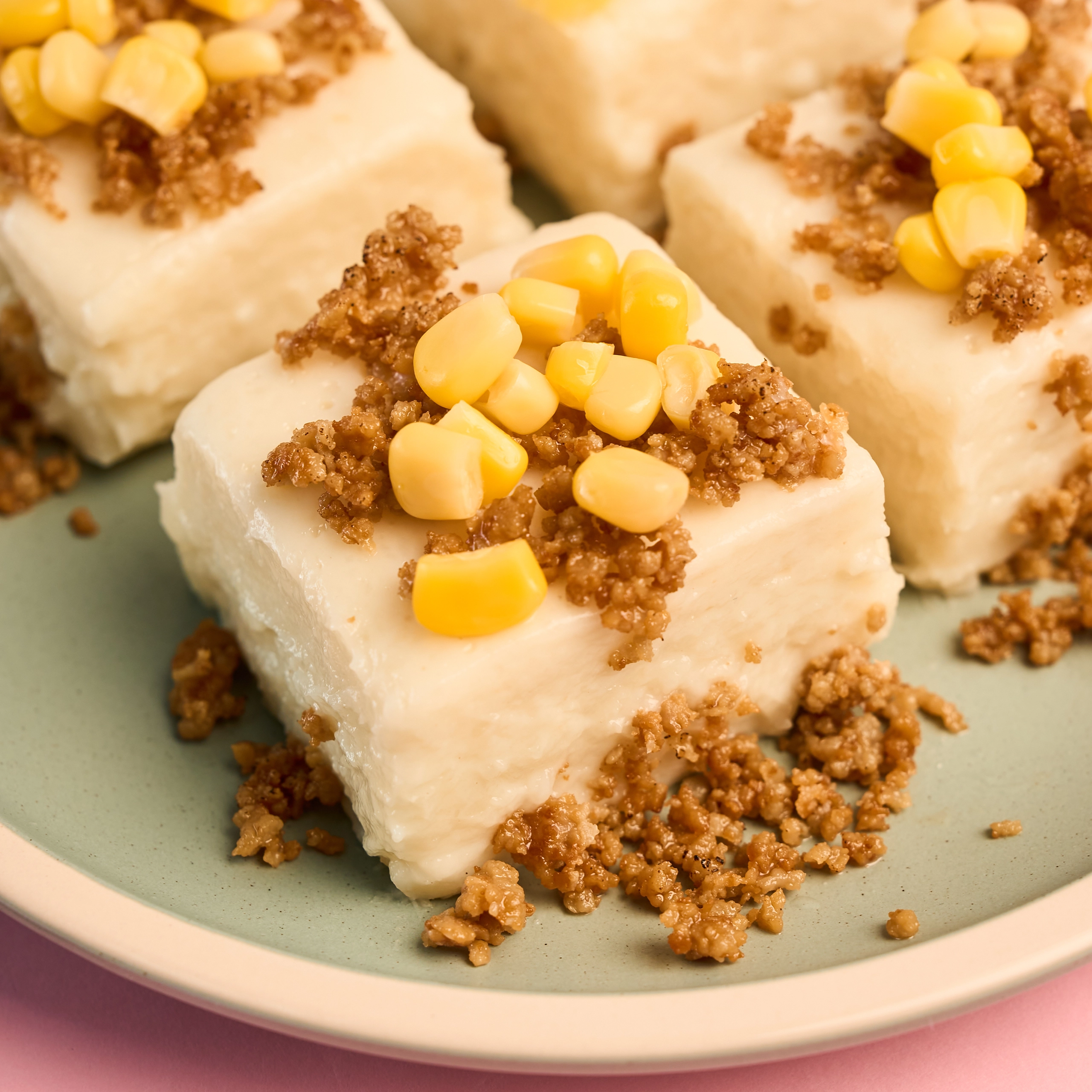
There is something wonderfully comforting about a Filipino dessert that doesn’t need a long list of ingredients to make an impression. Tibok-tibok is a perfect example. Made primarily with coconut milk, carabao’s milk, sugar, and glutinous rice flour, this Kapampangan delicacy is simple in appearance but surprisingly rich, creamy, and satisfying.
At first glance, tibok-tibok may remind you of other Filipino milk puddings, but it has a personality of its own. Traditionally associated with Pampanga, a province famous for its rich culinary heritage, this dessert celebrates the natural flavors of milk and coconut rather than hiding them behind too many additions.
The name tibok-tibok is often associated with the idea of a heartbeat or “thumping,” a playful reference to the soft, trembling texture of the finished dessert. When properly cooked, the pudding should be firm enough to hold its shape but still soft, smooth, and delicately jiggly.
Traditionally, carabao’s milk is an important part of the dish. It has a naturally rich and creamy quality that gives tibok-tibok its distinctive character. Regular cow’s milk works beautifully too, especially when carabao’s milk isn’t readily available, making this beloved Pampanga dessert much easier to prepare at home.
A Little History of Tibok-Tibok
Tibok-tibok comes from Pampanga, or Kapampangan, a region widely recognized for its culinary traditions. Kapampangan cuisine is known for dishes that are carefully prepared, richly flavored, and often deeply connected to family gatherings and celebrations.
Like many traditional Filipino desserts, tibok-tibok developed from ingredients that were readily available in the local environment. Coconut, milk, rice, and sugar have long been important ingredients in Filipino cooking, and combining them into a smooth pudding is a natural expression of that culinary tradition.
The use of carabao’s milk is especially significant. The water buffalo, or carabao, has historically been an important agricultural animal in the Philippines. Its milk is richer than ordinary cow’s milk and has long been valued for traditional Filipino dairy products.
Tibok-tibok can therefore be viewed as more than simply a sweet dessert. It reflects the Filipino habit of transforming everyday agricultural ingredients into something special enough to serve during celebrations, family occasions, and gatherings.
Over time, home cooks have adapted the recipe according to what is available. Some use regular milk instead of carabao’s milk, while others add toppings such as toasted coconut, latik, corn, or citrus zest. The variations may differ from household to household, but the creamy character of the dessert remains at its heart.
What Makes Tibok-Tibok Different?
Tibok-tibok belongs to the family of Filipino milk-based puddings, but its combination of milk and coconut milk gives it a particularly pleasant richness.
The milk provides a creamy dairy flavor, while coconut milk adds a subtle sweetness and unmistakable tropical aroma. Glutinous rice flour thickens the mixture and gives the finished dessert its characteristic soft, pudding-like texture.
The optional dayap rind is a lovely addition. Dayap is a Filipino lime variety, and its fragrant zest adds a bright citrus aroma that cuts through the richness of the milk and coconut.
This balance is important. Tibok-tibok should be creamy and sweet, but it should not taste overwhelmingly heavy. A little citrus fragrance can make the entire dessert seem lighter and more refreshing.
Recipe Tips for Smooth and Creamy Tibok-Tibok
Stir from the beginning
Don’t wait until the mixture becomes thick before stirring. Flour can settle at the bottom and form lumps or stick to the pan.
Use low to medium-low heat
Patience is the secret to a smooth pudding. High heat may cook the bottom too quickly while the rest of the mixture is still thin.
Make a flour slurry
Mixing the glutinous rice flour with cool liquid before adding it to the hot mixture is one of the easiest ways to prevent clumping.
Use a heavy-bottomed saucepan
A heavy pan distributes heat more evenly and reduces the likelihood of scorching the milk.
Taste before it becomes completely thick
You can adjust the sweetness while the mixture is still on the stove. Remember that chilled desserts can taste slightly less sweet than the same mixture when warm.
Don’t overcook it
The mixture should be thick enough to set but still have a soft, creamy texture. Cooking it excessively can make the pudding too dense or chewy.
Let it chill properly
Tibok-tibok continues to firm up as it cools. Don’t judge its final texture while it is still hot.
Ingredient Substitutions
One of the advantages of this dessert is that you can adapt it without losing its basic character.
Carabao’s milk
Carabao’s milk gives the most traditional and luxurious result, but regular whole milk is a perfectly practical substitute.
For the richest result when using cow’s milk, choose full-fat milk rather than skim or low-fat milk.
Dayap
If fresh dayap isn’t available, you can use calamansi or lime zest.
Lemon zest can also work, although its aroma is slightly different.
The citrus is optional, so you can simply leave it out.
Glutinous rice flour
Glutinous rice flour is important because it provides the characteristic thick, slightly elastic texture. Regular rice flour is not an identical substitute and will produce a different pudding.
Cornstarch can thicken the dessert, but it will create a smoother, more custard-like consistency rather than the traditional texture produced by glutinous rice flour.
White sugar
You can use brown sugar if you prefer a deeper caramel-like flavor, but it will darken the dessert and change its appearance.
For the classic pale color of tibok-tibok, white sugar is preferable.
Corn kernels
Corn is mainly used as a garnish in this version, so it can easily be omitted.
You can also garnish with toasted coconut, latik, grated coconut, or a little citrus zest.
Understanding the Ingredients
Coconut milk
Coconut milk is one of the defining ingredients of Filipino cuisine. It is made by extracting liquid from grated coconut meat and has a naturally creamy consistency.
In tibok-tibok, coconut milk adds richness and a subtle sweetness while giving the dessert its distinctly tropical aroma.
Carabao’s milk
Carabao’s milk is traditionally prized for its richness. Compared with ordinary cow’s milk, it generally contains more fat and solids, which can contribute to a creamier mouthfeel.
If you’re lucky enough to have access to fresh carabao’s milk, it can make the dessert particularly indulgent.
Glutinous rice flour
Despite its name, glutinous rice flour does not contain gluten. The word “glutinous” refers to its sticky or chewy characteristic when cooked.
It is commonly used in Filipino desserts such as palitaw, kakanin, and various rice-based sweets.
Here, it acts as the thickening ingredient and gives tibok-tibok its distinctive body.
Dayap
Dayap is a small citrus fruit with a fragrant peel. Its zest contains aromatic oils that can make rich desserts taste brighter and more complex.
Because the recipe uses the rind rather than the juice, the goal is primarily to add fragrance rather than acidity.
Corn
Sweet corn provides a pleasant contrast in color and texture. Its natural sweetness also works well with the creamy pudding.
It isn’t essential to the pudding itself, so think of it as a finishing touch rather than a structural ingredient.
Health Benefits of the Ingredients
Tibok-tibok is still a dessert, so it is best enjoyed in moderation, but its basic ingredients do provide useful nutrients.
Milk is a source of protein and calcium and can also provide vitamin B12, phosphorus, and other nutrients depending on the type of milk used.
Carabao’s milk is particularly nutrient-dense because of its relatively high fat and protein content. That richness is one reason it works so well in traditional desserts.
Coconut milk contains fats and small amounts of minerals such as manganese and copper. It is also energy-dense, so portions are worth keeping in mind.
Glutinous rice flour provides carbohydrates, which supply energy. Because it is made from rice, it is naturally gluten-free.
Corn contributes carbohydrates, fiber, folate, and other nutrients, while also adding some natural sweetness.
Dayap rind contains aromatic plant compounds and citrus oils. Although only a small amount is used in the recipe, its zest adds flavor without requiring additional sugar.
Because tibok-tibok contains a considerable amount of sugar and rich dairy and coconut ingredients, it is best considered an occasional dessert rather than a health food.
How to Store Tibok-Tibok Properly
Because tibok-tibok contains milk and coconut milk, proper refrigeration is important.
Once the dessert has cooled sufficiently, cover it tightly with plastic wrap, a reusable food cover, or place it in an airtight container.
Store it in the refrigerator at 4°C (40°F) or below.
If possible, keep the pudding covered so it doesn’t absorb odors from other foods in the refrigerator. Milk-based desserts can easily pick up the smell of strongly flavored foods.
For individual servings, small covered containers are especially convenient.
How Long Does Tibok-Tibok Last?
For the best quality, refrigerated tibok-tibok should generally be consumed within 3 to 4 days.
The texture may gradually change as it sits, becoming firmer or slightly drier around the edges.
Always refrigerate the dessert promptly rather than leaving it at room temperature for extended periods.
If it develops an unusual smell, visible mold, discoloration, or other signs of spoilage, discard it.
Can You Freeze Tibok-Tibok?
Freezing is generally not the best option for tibok-tibok.
The milk and coconut components can change texture after freezing and thawing, while the glutinous rice flour may become less smooth. You may notice separation, excess moisture, or a slightly grainy texture after thawing.
For the best result, make a batch that you can enjoy within a few days and keep it refrigerated.
How to Serve Tibok-Tibok
Tibok-tibok is especially enjoyable when served cold.
Cut it into squares or diamonds for a traditional-looking presentation, or spoon it into individual dessert cups before chilling.
The creamy white pudding looks beautiful against colorful toppings.
You can garnish it with:
- Corn kernels
- Toasted coconut
- Latik
- Fresh grated coconut
- Dayap or calamansi zest
- A light drizzle of coconut caramel
Keep toppings relatively simple. One of the charms of tibok-tibok is its understated appearance.
What Does Tibok-Tibok Taste Like?
If you’ve never tried it before, imagine a cross between a creamy rice pudding and a Filipino coconut-milk pudding.
It has a rich dairy flavor from the milk, a gentle tropical sweetness from the coconut milk, and a soft, slightly sticky texture from the glutinous rice flour.
The flavor isn’t aggressively sweet when properly balanced. Instead, it has a mellow richness that makes it easy to enjoy after a savory Filipino meal.
The optional dayap rind adds a subtle citrus perfume that keeps the dessert from tasting too heavy.
Common Mistakes to Avoid
Using high heat. This can scorch the milk and give the dessert a burnt flavor.
Adding flour directly to hot liquid. This can result in stubborn lumps. Make a slurry first.
Not stirring enough. The thickening mixture can stick quickly once the flour begins to gelatinize.
Using too much flour. More flour doesn’t necessarily mean better tibok-tibok. Too much can make the dessert excessively dense or chewy.
Serving it before it has cooled. The pudding becomes firmer as it chills, so give it enough time to set.
Overloading it with toppings. Garnishes should complement the pudding rather than overwhelm its delicate milk-and-coconut flavor.
Final Thoughts
Tibok-tibok is a beautiful reminder that some of the most memorable Filipino desserts come from humble ingredients.
There is no need for an elaborate ingredient list. A few cups of milk, coconut milk, sugar, and glutinous rice flour can become something deeply comforting when cooked with patience and care.
What makes the dessert even more special is its connection to Pampanga’s culinary heritage. The traditional use of carabao’s milk tells a story about local ingredients and the resourcefulness of Filipino cooks, while the coconut milk connects the dessert to one of the country’s most beloved flavors.
Whether you prepare it with authentic carabao’s milk or ordinary whole milk from the grocery store, tibok-tibok is worth making at least once. Take your time stirring the mixture, keep the heat gentle, and let it chill completely before serving.
And when you finally take that first spoonful, you’ll understand the charm of this simple Kapampangan dessert: creamy, mildly sweet, delicately fragrant, and wonderfully comforting.
Sometimes, the best desserts don’t need to shout. They simply need to taste like home.