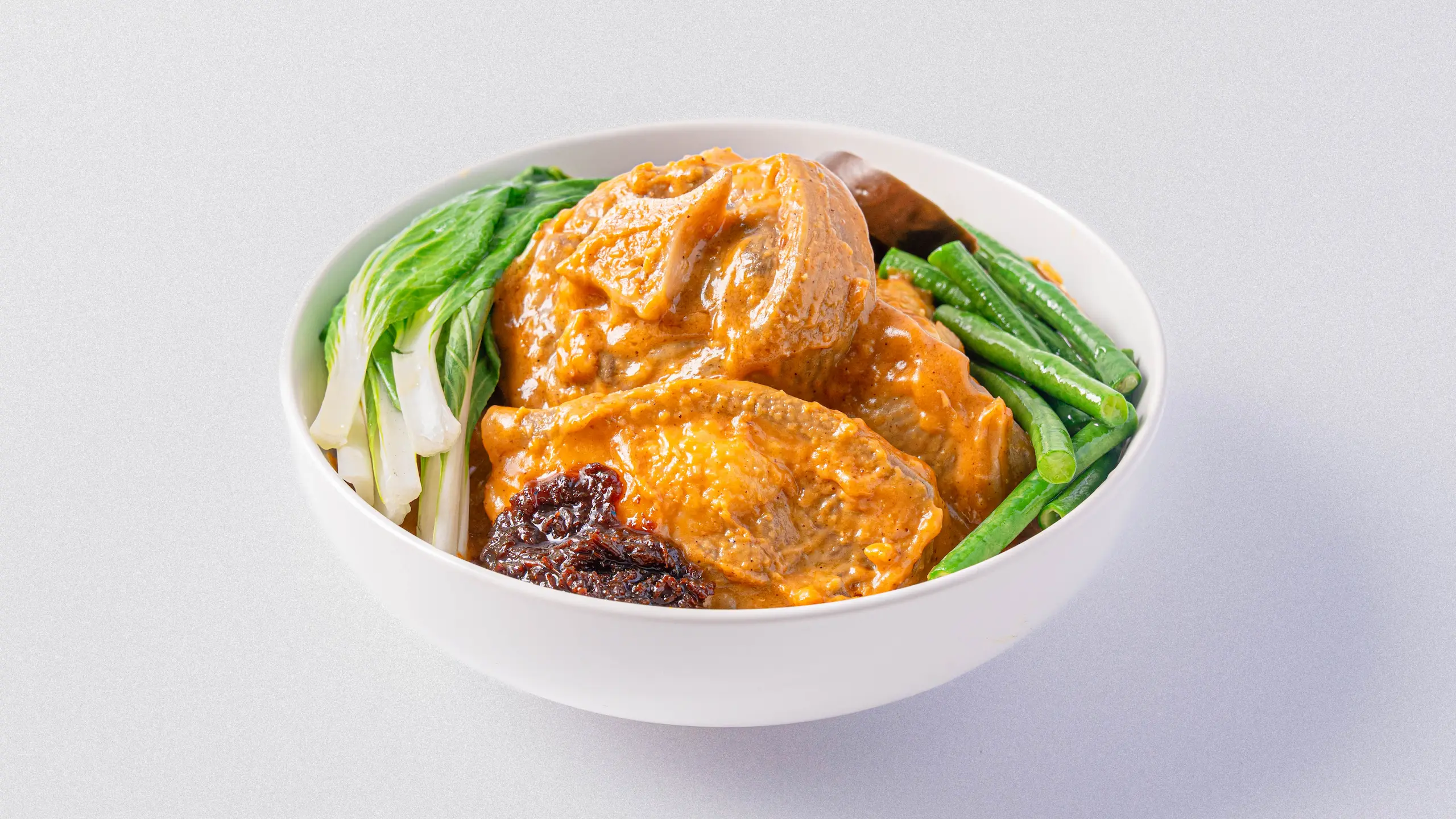


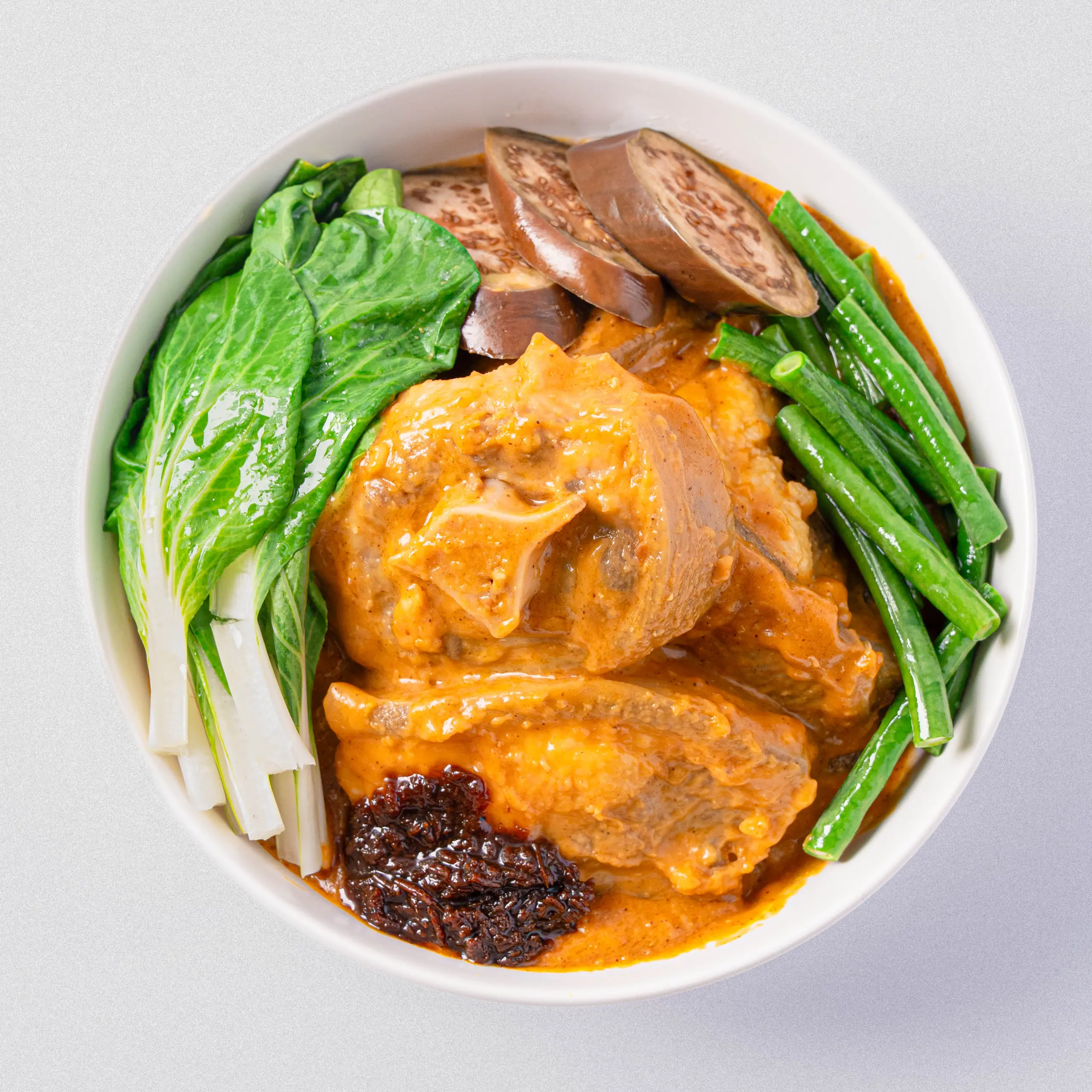
Filipinos love feasts and celebrations, and at the heart of it will always be food. A favorite dish that many look forward to is kare-kare. This beloved Filipino meat and vegetable dish is known for its rich, savory peanut sauce best paired with salty bagoong. Traditional recipes are made with a combination of oxtail and tripe (slow-cooked until tender), but there are variations of this recipe that also use beef, pork and even seafood. Typical vegetables used in kare-kare recipes are eggplant, string beans, pechay, and banana heart (puso ng saging).
What sets kare-kare apart is its thick, nutty sauce, often made from ground peanuts or peanut butter, toasted rice powder, and annatto seeds that results in its signature golden color. The bagoong adds a salty contrast that enhances the overall flavor of this dish.
A staple at family gatherings and special occasions, kare-kare reflects the warmth and communal spirit of Filipino cuisine, offering a comforting blend of textures and tastes in every bite.
What is Kare-kare?
Kare-kare is a meat and vegetable dish typically made with oxtail and tripe, slow-cooked in a savory sauce thickened with ground peanuts or peanut butter and ground rice, and complemented by a variety of local vegetables such as eggplant, string beans, pechay, and banana blossom.
Recipe Tips
At the core of a good kare-kare is a flavorful peanut-y sauce so take the time to make this. You may use ground roasted peanuts (usually available in local markets), instead of peanut butter for a more authentic taste. Toasting the peanuts lightly on a dry, un-oiled pan before grinding deepens the flavor, too.
If you do use peanut butter, pick an unsweetened one for a savory sauce instead of a sweet one. Peanut butter comes in smooth or chunky variants, so keep in mind that this will affect how smooth or thick your kare-kare sauce may turn out.
Substitutions
Kare-kare recipes are traditionally made with oxtail and tripe, but you may also swap these with beef short ribs or beef chuck. The beef short ribs, when slow-cooked, also produces the collagen-rich sauce similar to one made with oxtail and tripe. These meat cuts are also ideal options for budget-conscious cooks who don’t want to sacrifice great flavor.
Alternatively, pork cuts may be used, too. Our recommendations: pork shoulder or pork belly. The cooking times will change, too, depending on the meat you use, so make adjustments in your total prep and cooking time as needed.
What to Serve Kare-kare with
Kare-kare won’t be complete without a side of bagoong alamang (shrimp paste). You can choose from the usual salty bagoong, or pick one that’s slightly sweet-salty, if you prefer. Bottled bagoong available in supermarkets are good options.
What Makes Kare-Kare Different?
One of the interesting things about kare-kare is that the peanut sauce isn’t meant to be aggressively spicy or strongly seasoned. Its flavor is rich, nutty, slightly savory, and relatively gentle. The stronger flavors often come from what accompanies it—especially bagoong.
The use of annatto is also important visually. It gives the sauce its characteristic golden-orange color without making it particularly spicy. Meanwhile, toasted rice flour helps thicken the sauce and gives it a smooth, substantial consistency.
Oxtail contributes another important element: collagen. When cooked slowly, the connective tissues break down and create a wonderfully silky mouthfeel. That combination of tender meat, gelatin-rich broth, creamy peanuts, and vegetables is what makes kare-kare so comforting.
Is Kare-Kare Healthy?
Kare-kare can provide several nutritional benefits. Oxtail supplies protein, iron, zinc, and other nutrients, while the peanuts provide protein, unsaturated fats, and minerals such as magnesium. The vegetables add fiber, vitamins, minerals, and antioxidants.
However, traditional kare-kare is also a rich and calorie-dense dish. Oxtail can contain a significant amount of fat, and peanut butter contributes additional calories and fat. Bagoong and fish sauce can also make the meal relatively high in sodium.
If you want a lighter version, you can remove some of the fat from the oxtail stock, use leaner beef, increase the amount of vegetables, and control the amount of peanut butter and salty seasonings. You don’t have to remove everything that makes kare-kare special—small adjustments can make the meal lighter while preserving its character.
How to Serve Kare-Kare
Kare-kare is best served hot alongside freshly steamed white rice. Put the bagoong in a separate small dish so everyone can add as much—or as little—as they like.
For a family meal, place the kare-kare in a large serving dish with the vegetables arranged throughout. The rich orange sauce against the green sitaw and pechay makes the dish especially inviting.
A squeeze of calamansi isn’t traditional in every preparation, but some people enjoy its acidity as a contrast to the rich sauce.
Final Thoughts
Kare-kare is more than just a peanut-based stew. It is a dish built around time, patience, and contrast: tender meat against crisp-tender vegetables, creamy peanut sauce against salty bagoong, and rich flavors balanced by the freshness of the vegetables.
It may require more preparation than an everyday quick meal, but that is also part of its charm. Slow-cooked oxtail and carefully prepared sauce give the dish a depth that is difficult to achieve by rushing.
Whether you’re making it for a special Filipino gathering or simply craving a comforting bowl of rice with something wonderfully rich on top, kare-kare is a dish worth taking your time with. Make the sauce creamy, keep the vegetables lively, let the oxtail become beautifully tender, and don’t forget the bagoong. That’s when this beloved Filipino classic truly comes together.