
Advertisement

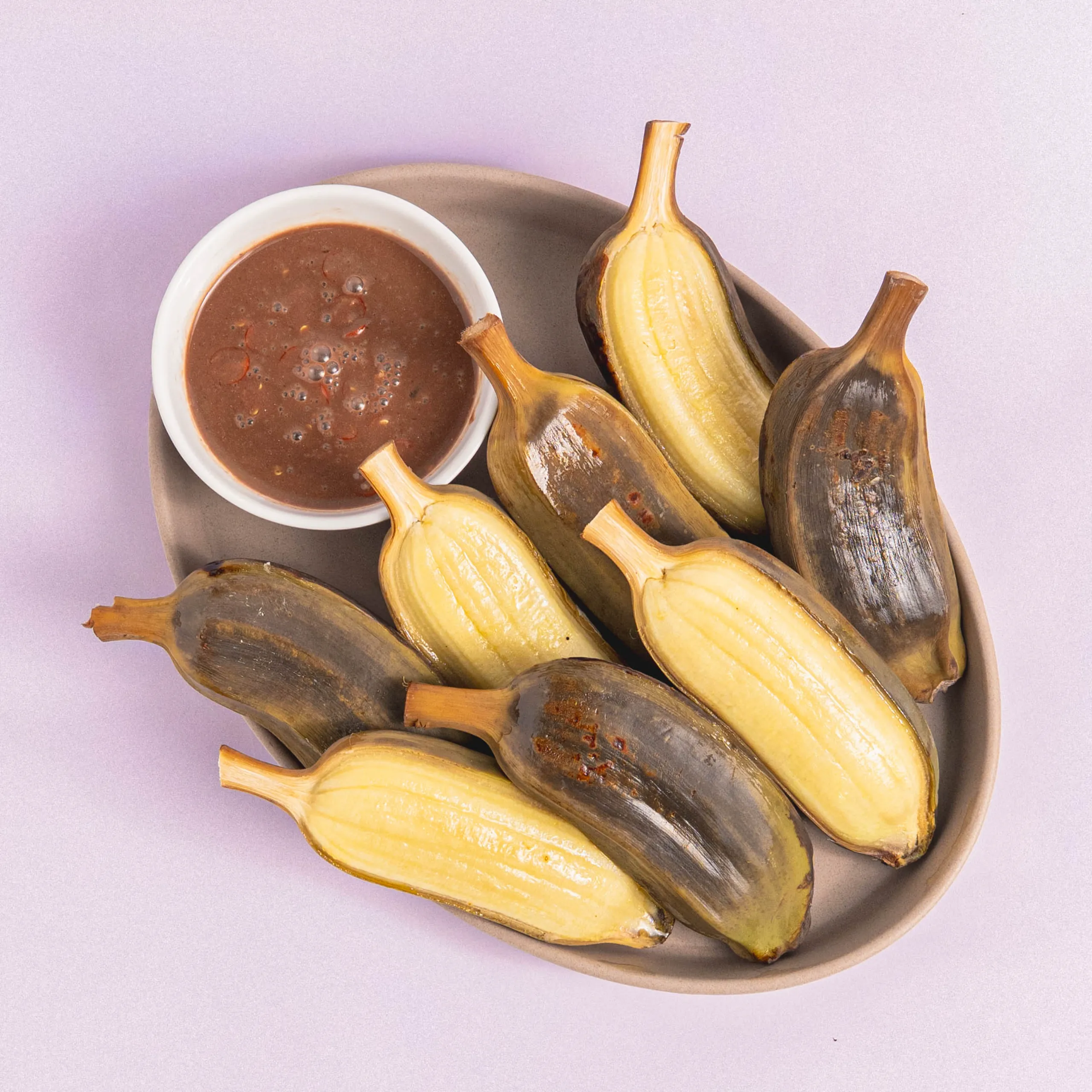
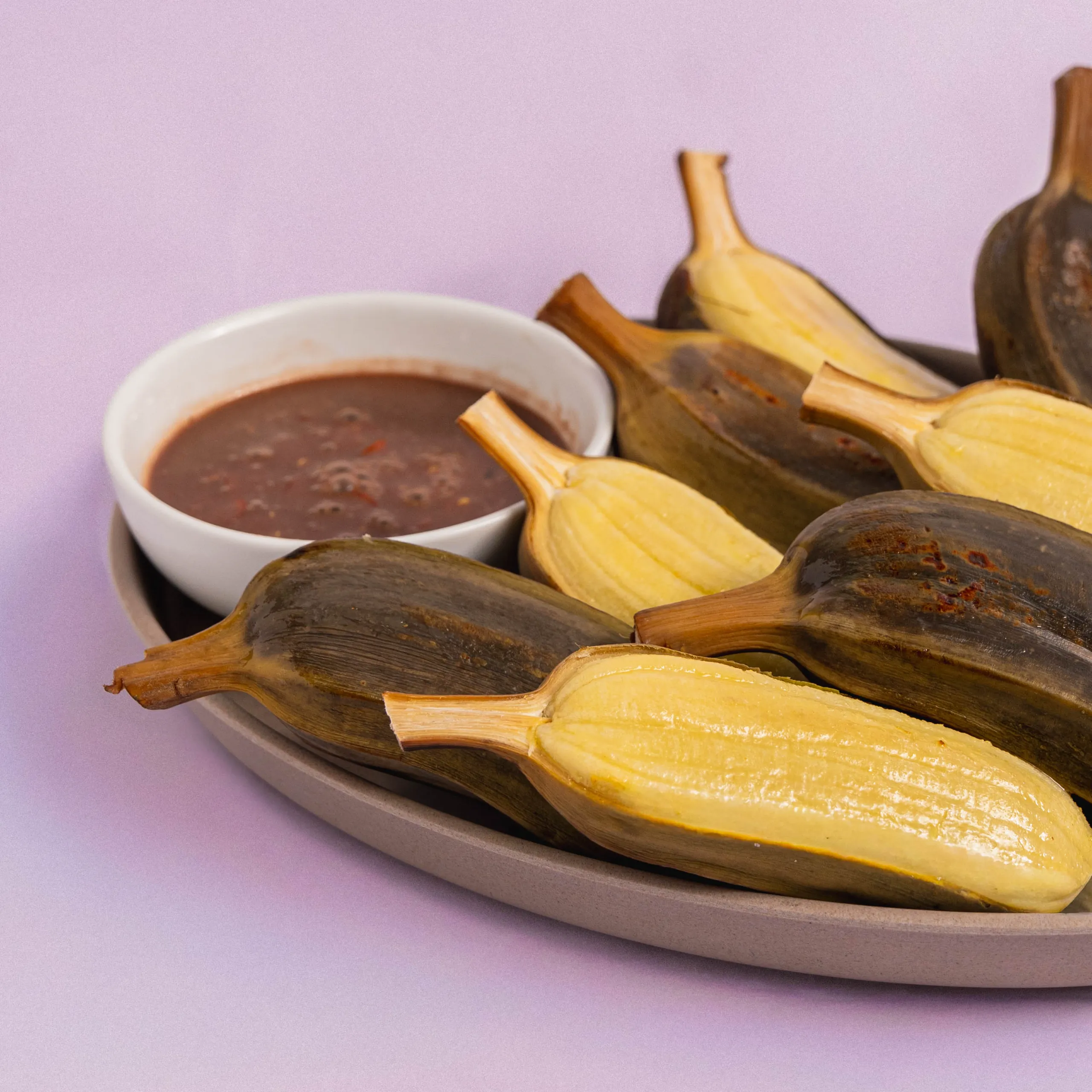
Nilagang Saba with Bagoong 

PHOTO: ZOE TAPALGO
YIELDS:
3 - 4 SERVING(S)
Prep Time:
8 MINS
Total Time:
23 MINS
Cal/Serv:
78

Nutritional Information

Calories 312 kcal
Fat 1 g
Saturated fat 0 g
Trans fat 0 g
Cholesterol 54 mg
Sodium 222 mg
Carbohydrates 76 g
Fiber 9 g
Sugar 39 g
Protein 8 g
Vitamin D 0 µg
Calcium 86 mg
Iron 2 mg
Potassium 1189 mg

Note: The information shown is Edamam's estimate based on available ingredients and preparation. It should not be considered a substitute for a professional nutritionist's advice.

Nilagang Saba with Bagoong is a simple yet flavorful Filipino comfort food made with boiled saba bananas served with savory shrimp paste, locally known as bagoong. The natural sweetness and soft texture of the saba perfectly balance the salty and rich taste of the bagoong, creating a delicious contrast of flavors. Often enjoyed as a snack, merienda, or light meal, this traditional dish highlights the Filipino love for combining sweet and savory ingredients in one satisfying bite.

Recipe tips: Choose ripe but firm saba bananas for the best balance of sweetness and texture. Boiling the bananas with the peel on helps retain moisture and flavor. Slightly mash the bananas before dipping for better flavor absorption. If the bagoong is very salty, add extra calamansi juice or a little sugar to balance it. For extra aroma, lightly sauté the bagoong before serving.

Substitutions: 

Saba: plantains or cooking bananas.

What to serve with it: Hot coffee or tea for merienda. Filipino rice meals like: Daing na Bangus or Tuyo. Other traditional snacks such as: Turon or Puto. 
Ingredients

  • 8 Piece saba bananas
  • 10 Cup water, for boiling
  • 0.5 Cup shrimp paste (bagoong)
  • 2 Piece Philippine limes (kalamansi)
  • 1 Piece red chili pepper
Keep screen awake

Directions

Step 1

Begin by rinsing the saba bananas thoroughly under clean, running water to remove any dirt, dust, or unwanted residue from the surface of the peel. Gently rub each banana with your hands while washing to ensure that the outer skin is properly cleaned. Once rinsed, drain the bananas and pat them dry with a clean towel or allow them to air dry briefly before proceeding to the next preparation step. This helps ensure that the bananas are clean and ready to be handled and cooked.

Step 2

After rinsing the saba bananas thoroughly, place them carefully into a clean cooking pot, arranging them evenly to allow for uniform cooking. Add enough water to the pot to completely cover the bananas, ensuring that each piece is fully submerged. This will help the bananas cook evenly and become tender throughout. Place the pot on the stove and prepare it for cooking, making sure there is enough water to prevent the bananas from drying out during the process.

Step 3

Place the pot over medium heat and allow the water to gradually come to a gentle boil. Once boiling, let the saba bananas cook for approximately 15 to 20 minutes, or until they become tender and easy to pierce with a fork. During the cooking process, monitor the water level and adjust the heat if needed to maintain a steady boil without causing the water to evaporate too quickly. The bananas should soften while still maintaining their shape and natural sweetness. Once they have reached the desired tenderness, carefully remove them from the heat and prepare them for the next step.

Step 4

Once the saba bananas are fully cooked and have reached the desired tenderness, carefully remove them from the pot using a pair of tongs or a slotted spoon. Allow any excess water to drain before transferring the bananas onto a clean plate or tray. Let them cool slightly for a few minutes until they are easier to handle and safe to touch. Allowing the bananas to rest briefly also helps them firm up while retaining their soft texture and natural sweetness. After cooling, they can be prepared for the next step of the recipe.

Step 5

Once the cooked saba bananas have cooled slightly and are comfortable to handle, carefully peel off the outer skin using your hands or a small knife if needed. Remove the peel gently to keep the bananas intact and preserve their soft, tender texture. After peeling, arrange the bananas neatly on a clean serving plate, placing them in a way that makes them appealing and easy to serve. Make sure the bananas are presented evenly and ready to be enjoyed while still fresh and flavorful.

Step 6

In a small, clean bowl, place the desired amount of bagoong, then add the freshly squeezed calamansi juice and sliced red chili. Using a spoon, gently mix the ingredients together until they are well combined and the flavors begin to blend. Stir thoroughly to allow the tangy citrus flavor of the calamansi to balance the savory taste of the bagoong, while the red chili adds a mild heat and extra depth to the mixture. Continue mixing until the dipping sauce reaches an even consistency and the ingredients are evenly distributed. Set the mixture aside and allow the flavors to come together before serving.

Step 7

Once the saba bananas are prepared and the bagoong dipping sauce is ready, arrange the warm bananas on a clean serving plate or dish. Place the prepared bagoong sauce in a small bowl beside the bananas, allowing it to be easily accessed for dipping. Serve the dish while the bananas are still warm to enjoy their soft texture and natural sweetness, which pairs well with the savory, tangy, and slightly spicy flavors of the sauce. Encourage dipping each piece of banana into the bagoong mixture to create a balanced combination of sweet and salty flavors in every bite.

Nilagang Saba with Bagoong
PHOTO: ZOE TAPALGO
Alexander Villarante

Alexander Villarante

Food Editor

Alexander Villarante studied culinary arts in the Singapore Boston Business School and has over 15 years of experience working in luxury five-star hotels abroad. He competed in the Philippine Culinary Cup where he bagged several citations.

Frequently Asked Questions

They should be fork-tender but still hold their shape.

Yes. Steaming helps preserve more flavor and prevents the bananas from becoming watery.

It’s both — the saba bananas are naturally sweet, while the bagoong adds a salty and savory contrast.

0 0 votes
Total of Ratings
guest
Rating
Ratings for Article
0 Comments
Oldest
Newest Most Voted

To provide a customized ad experience, we need to know if you are of legal age in your region.

By making a selection, you agree to our Terms & Conditions.