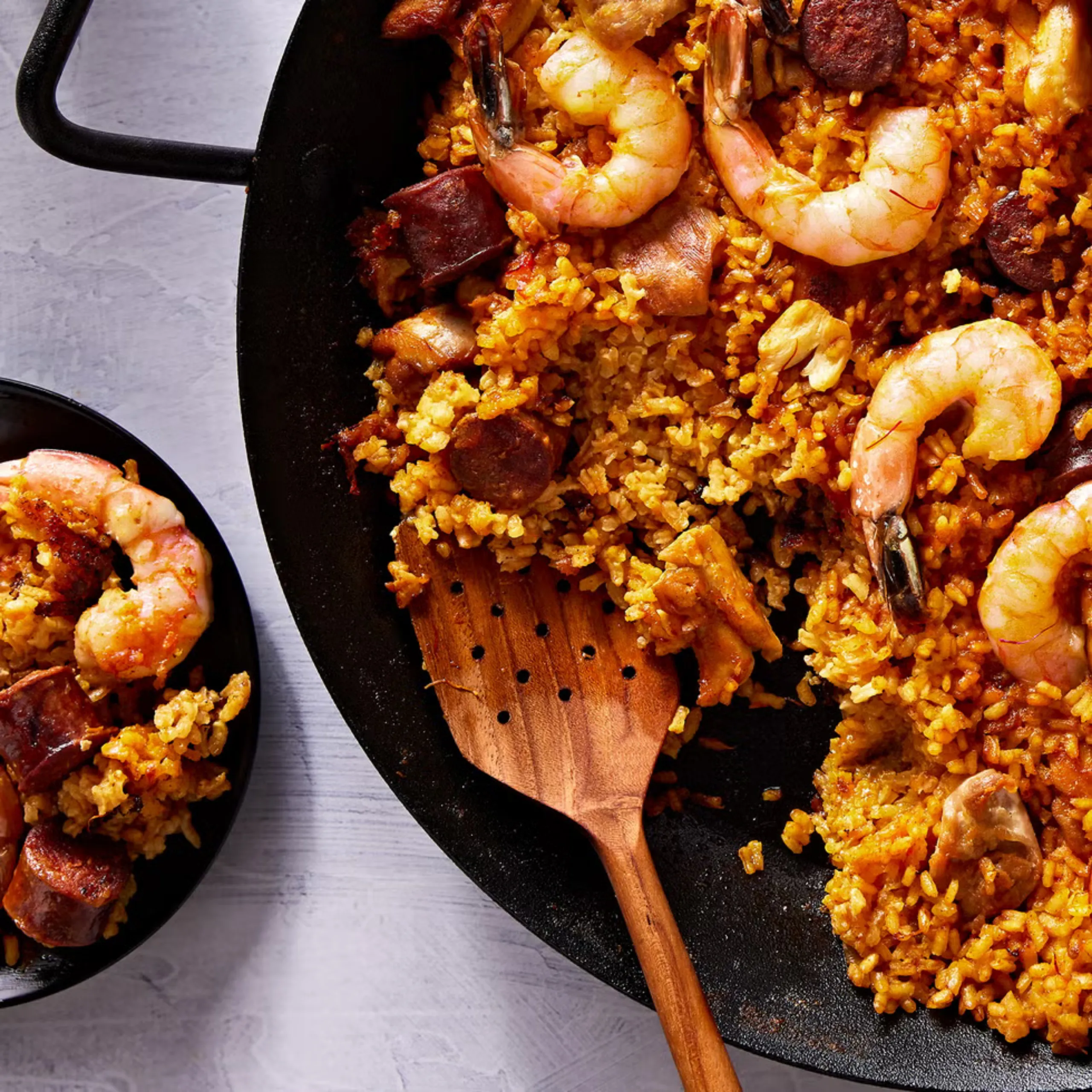


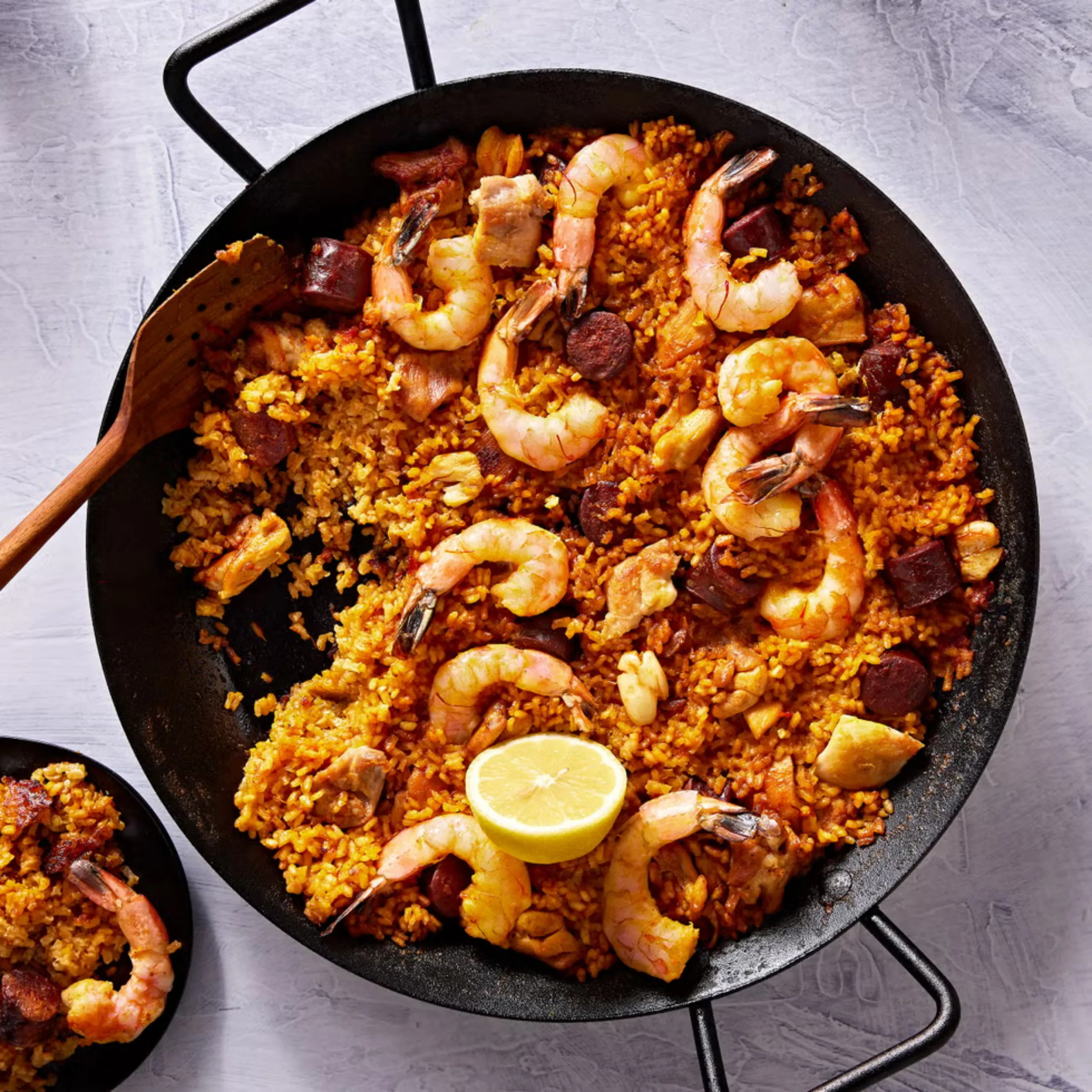
In my book, the best kind of tradition is to invite close friends over, have a bottle of rioja (or, my favorite, Txacolina, if you want a refreshing white for a hot summer evening), and share a homemade dish from the heart. Come summertime, paella is just the thing. This Spanish dish is a guaranteed crowd-pleasing centerpiece for special occasions and parties, but honestly, this dish is enough reason to celebrate all on its own. With its beautiful and impactful presentation, I wouldn’t be surprised if a few tears are shed when you serve it. While it might not be the simplest dish in the world, it also really isn’t as scary to make as you may think. Plus, its signature taste, texture, and jaw-dropping look is more than worth the effort it requires.
Grab some friends (and some wine!) and get out the nice plates, then read on for all the ways to make your paella the best it can be:
How To Make Classic Paella
INGREDIENTS
- Protein: If you go searching, you’ll find countless opinions and millions of recipes on what the perfect paella mix-ins are. Some people put rabbit, some just put chicken, while others might like it with snails and shellfish. I went with Spanish chorizo, chicken thighs, and shrimp in my recipe, but paella really isn’t about the mix-ins. While they’re endlessly delicious and versatile, the whole glue that sticks all of those proteins together is the rice.
- Plum Tomatoes: Plum tomatoes have a very fresh, nearly tangy, tomato flavor with a beautiful balance of sweetness and acid especially when cooked.
- Smoked Paprika: Adding smoked paprika here, adds both color and flavor to this dish. The smoky, almost spicy flavor of smoked paprika is perfect for a rice heavy, meaty dish like paella.
- Saffron Threads: Saffron is the queen bee here, so don’t skimp on it. Not only is saffron packed with flavor that can’t be matched, but it has an eye-popping, signature color that really lends itself to a classic paella.
- Low-Sodium Chicken Broth: Chicken broth is going to act as the liquid to cook the rice in, giving it so much flavor.
- Bomba Rice: The rice is what makes a paella. I use traditional bomba rice in this recipe, but if you can’t find it, you can use arborio. It’s important to respect the rice to water here, so: If you’re using Spanish short-grain rice, it’s a 1:3 ratio of rice:water, and if you’re using arborio, use a 1:2 ratio.
STEP-BY-STEP INSTRUCTIONS
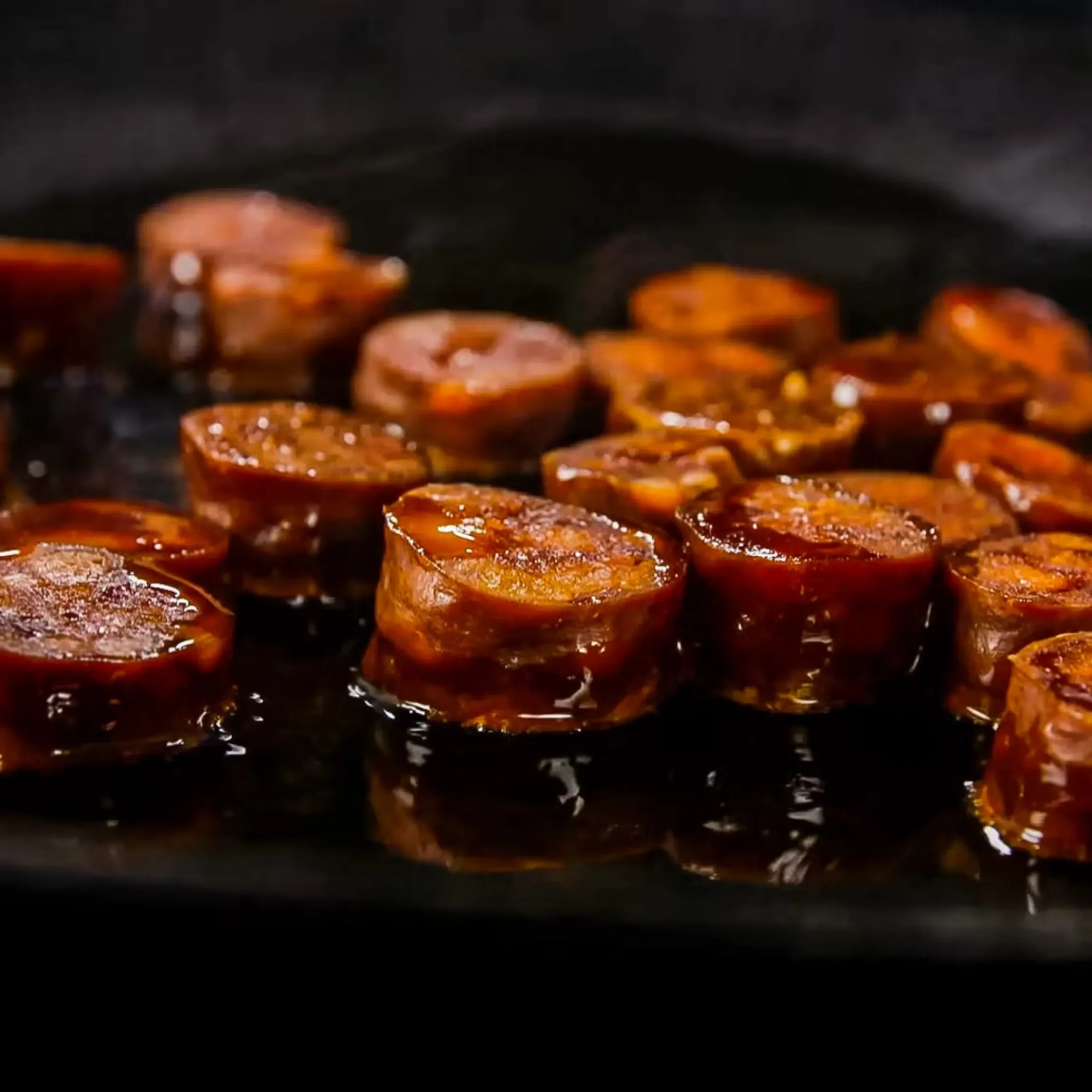
Start the paella off by preparing the chorizo. In a large skillet, cook the chorizo in hot oil for about 1 minute until lightly browned, then remove chorizo from the heat and set it aside for later.
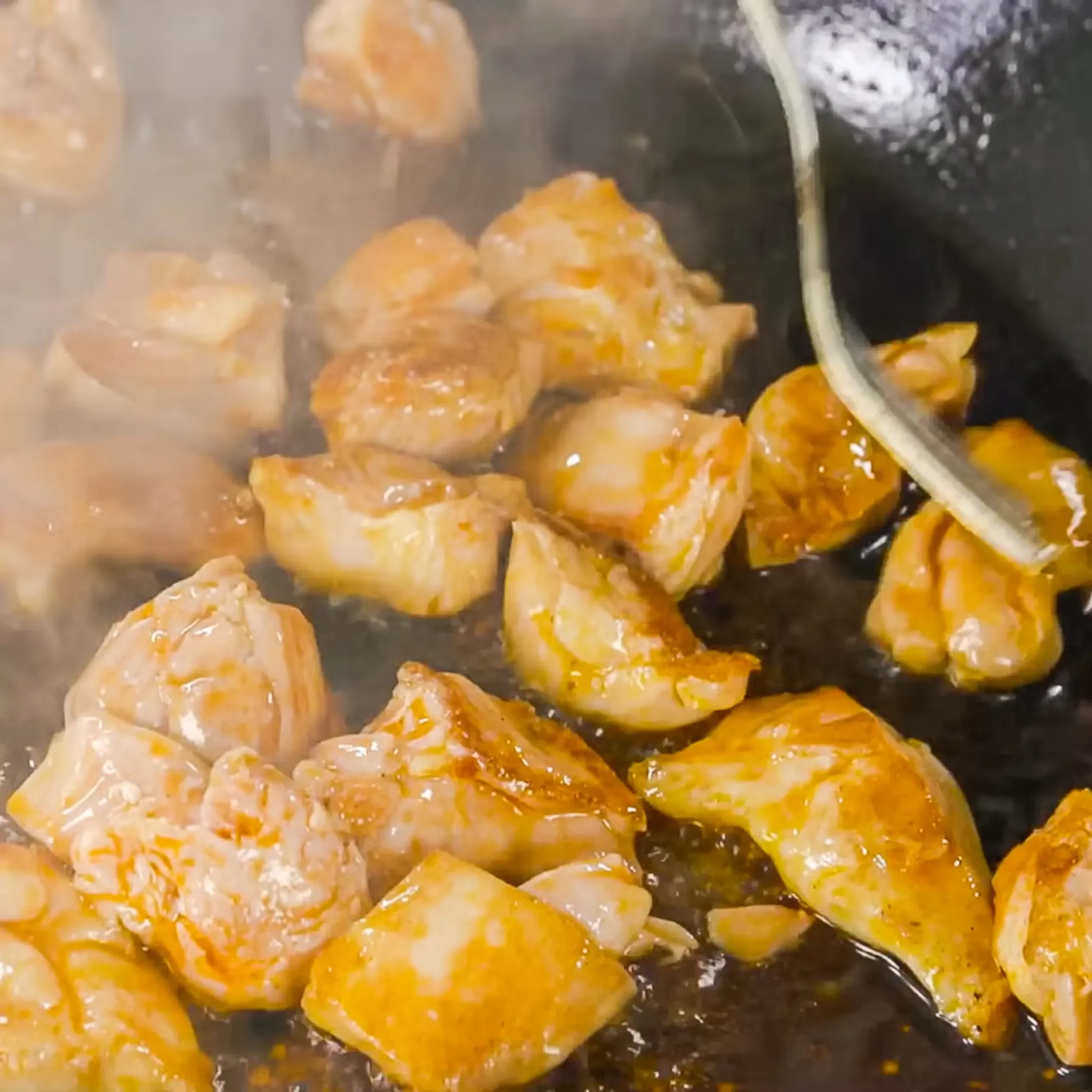
In the same skillet, cook the chicken in the same oil, for about 5 minutes until golden brown. Once browned, season the chicken with salt and toss to coat evenly.
Then push the chicken to one side of the skillet and, to the other, add in the plum tomatoes and garlic, cooking for about 5 minutes until the tomatoes have caramelized. Once caramelized, add in the paprika and saffron and cook for another minute until warmed and aromatic.
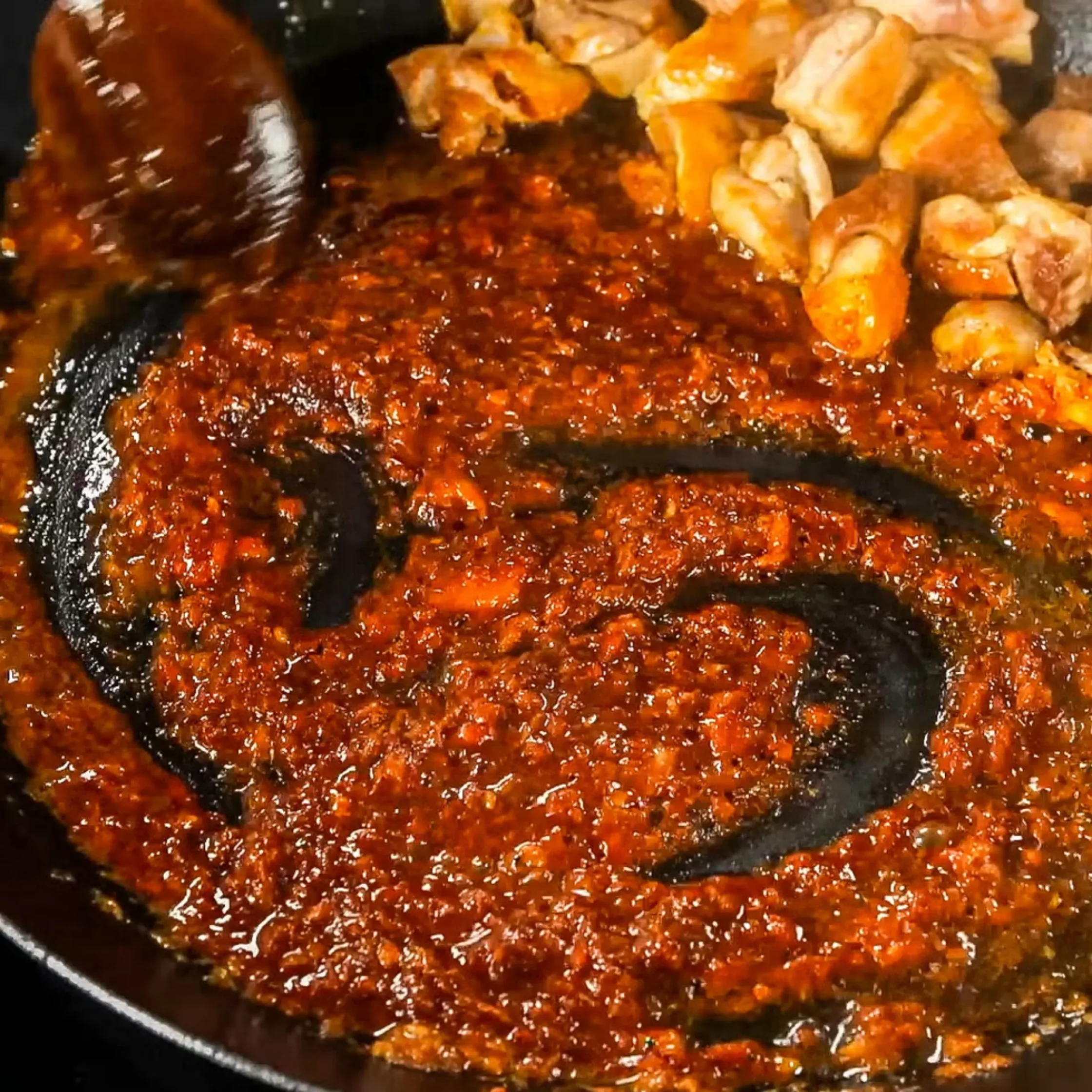
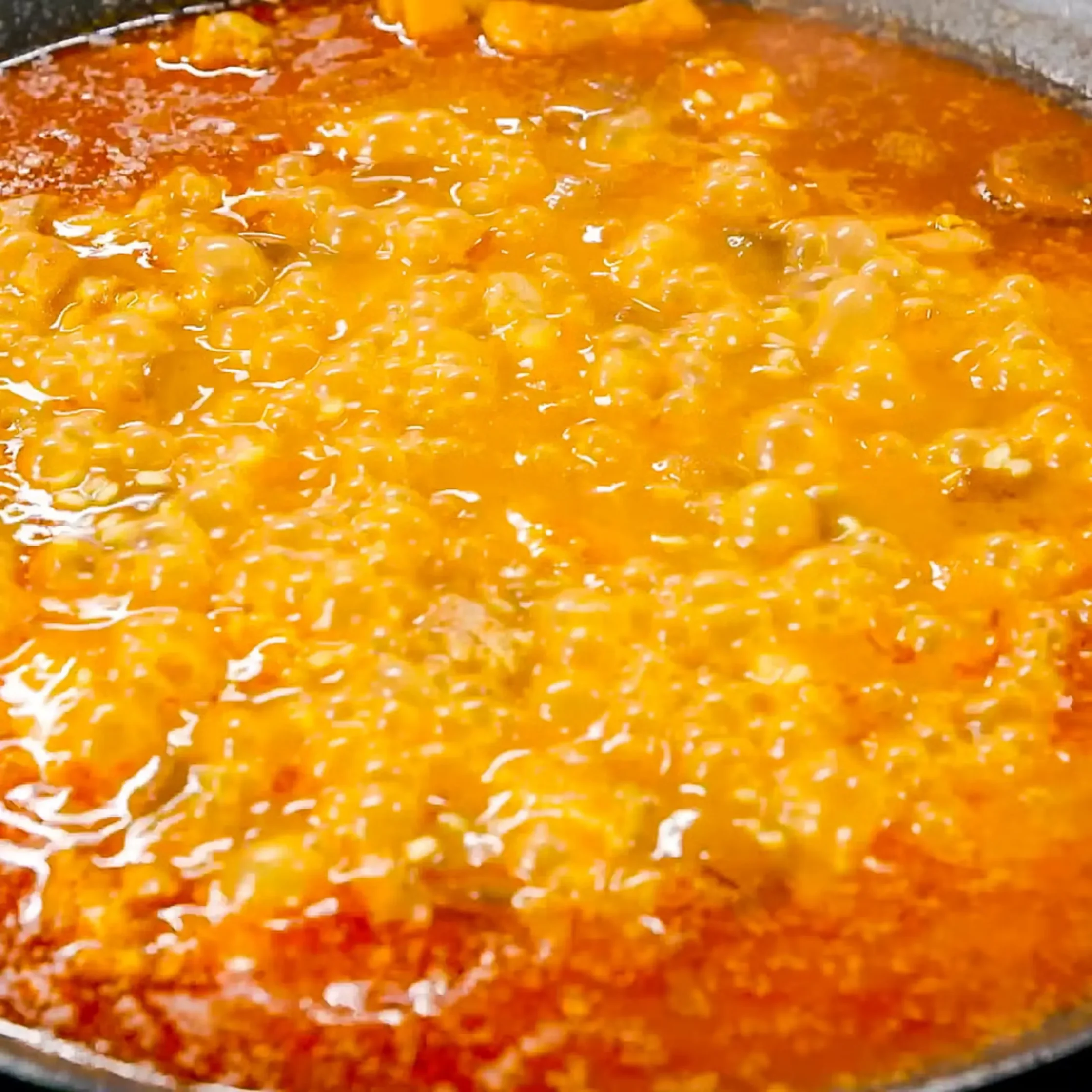
Add the chicken broth into the pan along with the chorizo and season with salt. Allow the broth to come up to a boil, then add in the rice and mix together until the rice is completely covered with the liquid. Leave the pan alone as it cooks on high heat for 5 minutes, then reduce the heat to medium and cook for another 5 minutes. Then, once more, reduce the heat, this time to low, and let the mixture cook for another 15 minutes at a gentle simmer.
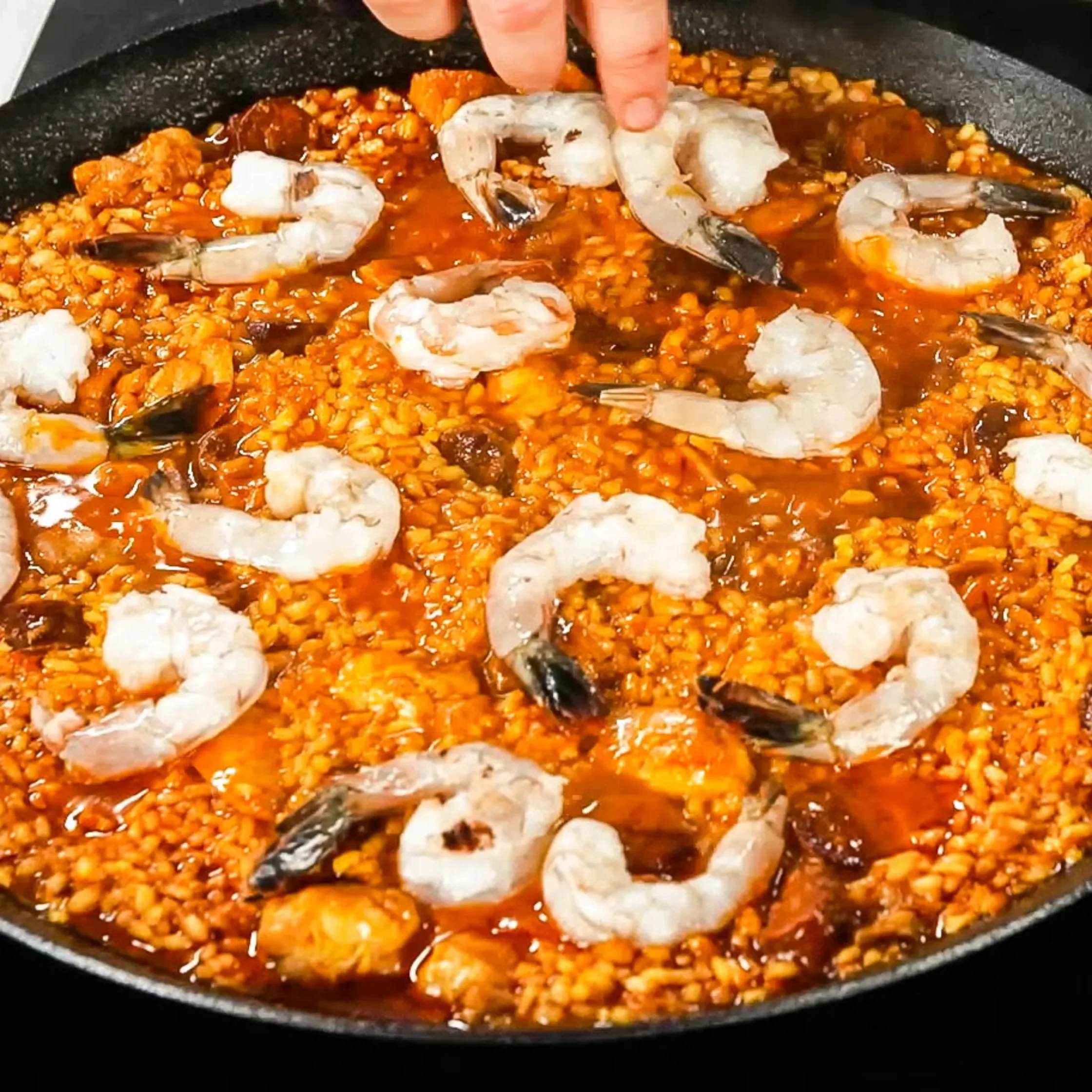
Season the shrimp with salt and add them into the dish, allowing the paella to simmer for 10 minutes or until the rice has absorbed most of the liquid and al dente. A good way to know that you are getting close is the beginning of the crackling sound of the rice toasting. This is a good thing. Allow the bottom of the rice to toast, checking to see doneness, until deeply golden brown. Remove the pan from the heat and let it sit for 5 minutes to cool slightly before serving.
The full list of ingredients and instructions can be found in the recipe below.
Recipe Tips
- How to get the best socarrat. What makes a paella unique is the famous socarrat. It’s that thin layer of crisped rice at the bottom of the pan that holds the key to an umami house party in your palate—I’m talking Studio 54 party. The way you achieve this key player is by paying close attention during the last minutes of cooking. Listen to the crackling and peek through the rice in the middle to ensure that it’s browning properly and not burning (you can always hide the hole with a piece of shrimp ). Take into account that the kind of stove you have can dramatically change the cooking time of your paella. If you don’t have a gas stove, just keep an eye on it more often.
- Do I need a paella pan to make paella? You’ll read in many recipes that you must have a paella pan… and that’s a lie. Of course, you can definitely invest in one (and you’ll look like a king or queen bringing it to the dinner table), but you only need a very wide and shallow pan. In this case, shoot for a pan with a minimum of 12″—this is what will give you the best socarrat. The more surface area for the liquid to evaporate, the higher the chances you’ll get a perfect socarrat.
Storage
Paella is certainly a dish best eaten fresh. Since there is shrimp in this version, it will only keep in the refrigerator for up to 1 day after cooking, though the texture won’t be as satisfying. If you are reheating leftovers, I find the most effective way to do so is in a hot pan on the stovetop.