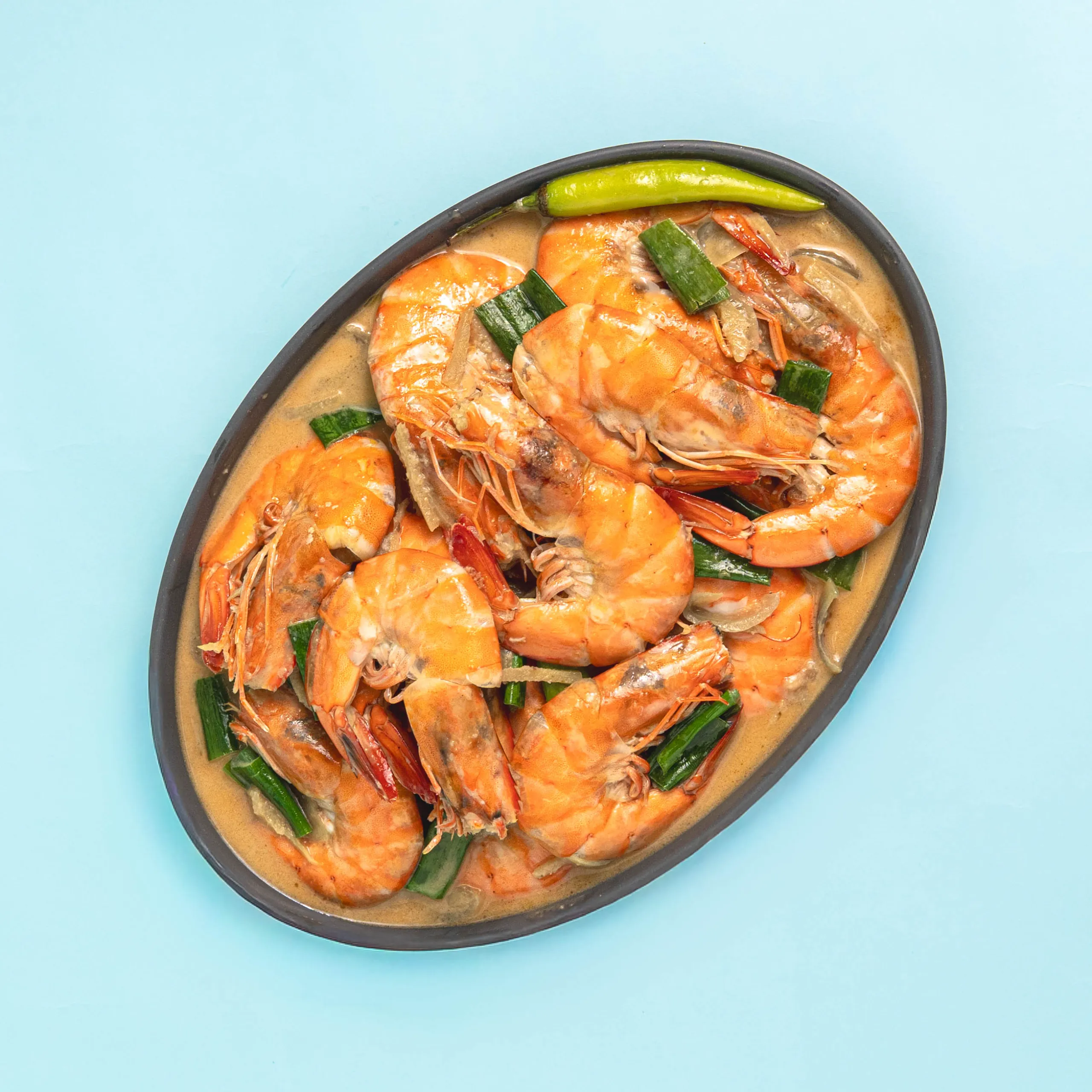


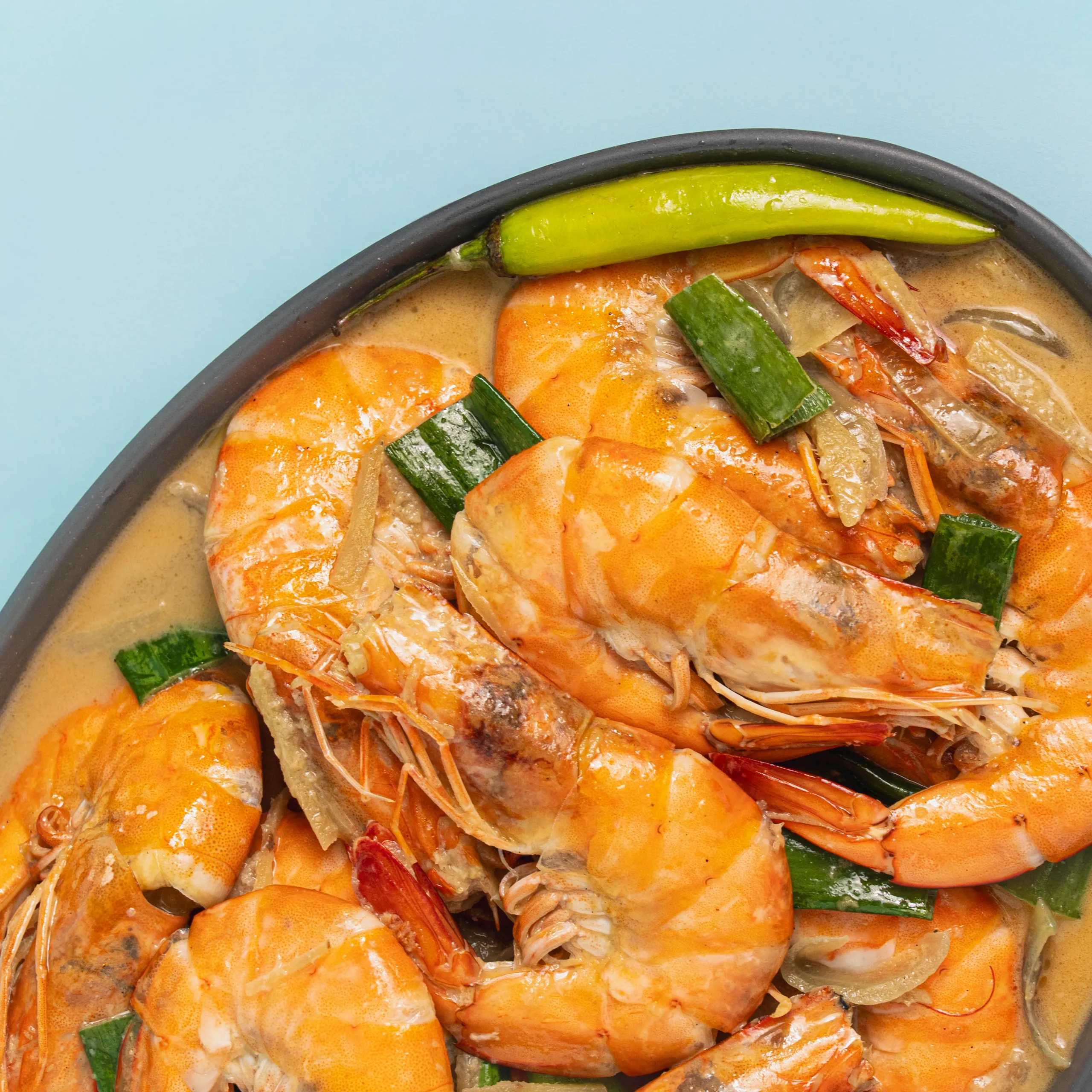
There are some Filipino dishes that immediately make a meal feel warm and comforting, and ginataan na hipon is one of them. The combination of plump shrimp, creamy coconut milk, fragrant garlic, onion, and ginger creates a dish that is rich without needing a long list of ingredients.
What makes this recipe especially appealing is how easily it can be adjusted. You can add squash, sitaw, green chilies, leafy vegetables, or other ingredients depending on what you have in the kitchen. The coconut milk gives the sauce its signature richness, while ginger and garlic keep the dish aromatic and savory.
Serve it with freshly cooked rice, and you have a simple Filipino meal that is comforting enough for an ordinary family dinner but flavorful enough to serve to guests.
What Is Ginataan na Hipon?
Ginataan na hipon is a Filipino dish featuring shrimp simmered in coconut milk. The word ginataan comes from gata, the Filipino word for coconut milk or coconut cream.
“Ginataan” is not a single dish but rather a broad category of Filipino cooking. It refers to food prepared with coconut milk or coconut cream. There are countless examples, including ginataan na gulay, ginataang kalabasa, ginataang manok, ginataang isda, and various seafood dishes.
In this version, shrimp is the main ingredient.
The shrimp contributes a naturally sweet, briny flavor, while coconut milk gives the sauce a creamy, slightly sweet richness. Garlic, onion, and ginger provide the savory aromatic foundation, and chilies add heat if desired.
A Brief History of Ginataan in Filipino Cuisine
Coconut has been an important ingredient in Philippine cooking for centuries, particularly in areas where coconut palms grow abundantly.
The Philippines has a long history of coconut cultivation, and coconut milk became an important way of adding richness and flavor to everyday food. Freshly grated coconut could be squeezed with water to produce coconut milk, while thicker squeezings could produce a richer coconut cream.
This tradition helped create a huge family of ginataan dishes.
The practice of cooking food in coconut milk is also part of a broader Southeast Asian culinary tradition. Coconut-based cooking is common throughout tropical Asia, although each region developed its own ingredients, techniques, seasonings, and flavor combinations.
Filipino ginataan dishes are particularly interesting because they often combine coconut milk with ingredients such as ginger, garlic, chilies, seafood, vegetables, pork, or chicken.
Ginataan na hipon fits naturally into this tradition. Shrimp and coconut are an especially good combination because the natural sweetness of both ingredients complements the savory aromatics and salty fish sauce.
Tips for Making Delicious Ginataan na Hipon
1. Don’t overcook the shrimp
This is probably the most important tip.
Shrimp cooks quickly. Once it turns opaque and pink and is cooked through, it is ready.
Leaving it in the sauce for too long can make it tough.
2. Keep the coconut milk at a gentle simmer
You don’t need a vigorous boil.
Gentle cooking helps preserve the smooth texture of the coconut sauce.
3. Use fresh shrimp when possible
Fresh shrimp generally has a naturally sweet, clean seafood flavor.
Frozen shrimp can also work very well. Just thaw it properly and drain away excess water before cooking.
4. Don’t drown the dish in seasoning
Coconut milk is naturally flavorful, and shrimp has its own sweetness.
Start with a modest amount of fish sauce and salt, then adjust near the end.
5. Ginger is important
It’s tempting to skip ginger, but it contributes a wonderful freshness that balances the richness of coconut milk and the seafood flavor of the shrimp.
6. Use coconut milk with enough fat
Different brands of canned coconut milk vary in thickness and richness.
A richer coconut milk will create a creamier sauce.
7. Don’t overcrowd the pan
A large pan gives the shrimp enough room to cook evenly.
If the shrimp are piled too tightly, they can release more liquid and cook unevenly.
8. Add leafy vegetables near the end
Malunggay, spinach, and pechay don’t need long cooking times.
Adding them toward the end helps preserve their color, texture, and flavor.
Ingredient Substitutions
Shrimp
If shrimp isn’t available, you can make a similar ginataan using:
- Fish fillets
- Squid
- Mussels
- Crab
- Clams
- Mixed seafood
Cooking times will vary depending on the seafood.
Coconut Milk
Fresh coconut milk is wonderful if available.
Canned or boxed coconut milk is much more convenient and works perfectly well for everyday cooking.
Avoid replacing coconut milk with ordinary dairy milk if you want the traditional flavor.
Fish Sauce
If you don’t have patis, you can substitute:
- Soy sauce
- Salt
- A small amount of oyster sauce
The flavor won’t be exactly the same, but the dish will still work.
For a seafood dish, fish sauce provides a particularly natural savory depth.
Ginger
Fresh ginger is ideal, but ground ginger can be used in an emergency.
However, fresh ginger gives a brighter and more aromatic result.
Green Chilies
If you don’t like spicy food, simply leave them out.
For more heat, use:
- Siling labuyo
- Red chili
- Jalapeño
- Thai chili
You can also leave the chilies whole for milder heat or slice them for more heat.
What Vegetables Can You Add?
Ginataan na hipon is very flexible.
Squash
Squash is one of the best choices because its natural sweetness works beautifully with coconut milk.
It also thickens the sauce slightly as it cooks.
Sitaw
String beans add a pleasant crisp texture and help balance the creamy sauce.
Eggplant
Eggplant absorbs the coconut sauce wonderfully.
Okra
Okra works well in ginataan, especially if you enjoy its slightly thickened texture.
Malunggay
Malunggay is a particularly good addition to coconut-based dishes and is often associated with Filipino home cooking.
Pechay
Pechay can be added near the end for a mild, leafy vegetable component.
What Does Ginataan na Hipon Taste Like?
The flavor is a combination of creamy, savory, sweet, aromatic, and mildly briny.
The coconut milk provides richness and subtle sweetness.
Shrimp contributes a naturally sweet seafood flavor.
Garlic and onion create the savory foundation.
Ginger adds warmth and freshness.
Fish sauce provides saltiness and umami.
Green chilies give the dish an optional spicy kick.
If squash is included, it contributes additional sweetness and softness.
The result is a sauce that is rich enough to make plain rice incredibly satisfying.
Understanding the Main Ingredients
Shrimp
Shrimp is the primary source of protein in this dish.
It cooks quickly, making this a relatively fast seafood meal.
Shrimp also naturally contains important nutrients such as selenium, vitamin B12, iodine, and protein.
Coconut Milk
Coconut milk gives ginataan its characteristic creamy texture.
It contains fat, including saturated fat, so portion size can be important for people who are monitoring their overall saturated-fat intake.
The richness also means that a relatively small amount of coconut sauce can make a serving of rice much more satisfying.
Garlic
Garlic provides aromatic depth and contains sulfur-containing plant compounds.
In this dish, it works as part of the savory base rather than being the dominant flavor.
Onion
Cooked onion develops sweetness and helps balance the richness of the coconut milk.
Ginger
Ginger provides warmth and a slightly spicy, fresh flavor.
It is particularly useful in seafood dishes because its aroma helps balance stronger seafood notes.
Green Chili
Chili peppers provide heat and contain vitamin C and various plant compounds.
You can adjust the amount according to your tolerance.
Squash
Squash provides fiber, carotenoids, potassium, and other nutrients.
Its naturally sweet flavor also pairs extremely well with coconut milk.
Sitaw
String beans contribute fiber, vitamins, minerals, and texture.
They also make the rich coconut sauce feel lighter because of their crisp vegetable character.
Health Benefits of Ginataan na Hipon
Ginataan na hipon can be part of a balanced diet, especially when served with vegetables and a reasonable amount of rice.
High-quality protein
Shrimp provides protein needed for maintaining and repairing body tissues.
Rich in vitamin B12
Shrimp contains vitamin B12, which supports normal red blood cell formation and nervous system function.
Provides selenium
Shrimp is a good source of selenium, an essential mineral involved in antioxidant defense and thyroid function.
Provides iodine
Seafood such as shrimp can contribute iodine to the diet, which is important for normal thyroid hormone production.
Vegetables add fiber
Adding squash, sitaw, eggplant, or leafy greens increases the fiber and micronutrient content of the meal.
Ginger, garlic, and onion add plant compounds
These aromatics contribute various naturally occurring plant compounds in addition to their important role in flavor.
Coconut milk provides energy and richness
Coconut milk is energy-dense because of its fat content. This isn’t inherently bad, but it means that the overall nutritional profile of the meal depends partly on how much coconut milk and rice are consumed.
How to Make a Lighter Version
If you love ginataan but want a less heavy meal, you don’t have to eliminate coconut milk completely.
Try these changes:
- Use slightly less coconut milk and add a little water or seafood stock.
- Increase the amount of vegetables.
- Use more shrimp relative to the sauce.
- Serve with a moderate portion of rice.
- Avoid adding unnecessary extra oil.
- Add leafy greens near the end.
- Use fresh chilies and aromatics for flavor instead of relying heavily on salt.
The dish will still have the creamy coconut character while providing more vegetables per serving.
Final Words
Ginataan na hipon is a beautiful example of why coconut milk has such an important place in Filipino cooking. A handful of everyday ingredients can create something deeply flavorful and comforting.
The secret isn’t complicated: build a good aromatic base, let the coconut milk gently simmer, season gradually, and avoid overcooking the shrimp.
The shrimp should remain tender and juicy, while the coconut sauce should be creamy and fragrant without becoming overwhelmingly heavy. Adding vegetables such as squash or sitaw makes the dish even more satisfying and gives you a wonderful contrast of textures.
And perhaps the best part is what happens when you spoon that creamy sauce over hot rice. The coconut milk, shrimp, ginger, garlic, and seasonings soak into the rice, turning a simple bowl of rice into something incredibly flavorful.
Whether you make it mild and creamy or spicy with plenty of chilies, ginataan na hipon is the kind of Filipino comfort food that belongs on a family table—simple enough for an ordinary day, but delicious enough that everyone will be reaching for another serving.