There are Filipino desserts that are elaborate and festive, and then there are desserts that feel like home. Ginataang Munggo belongs to the second kind.
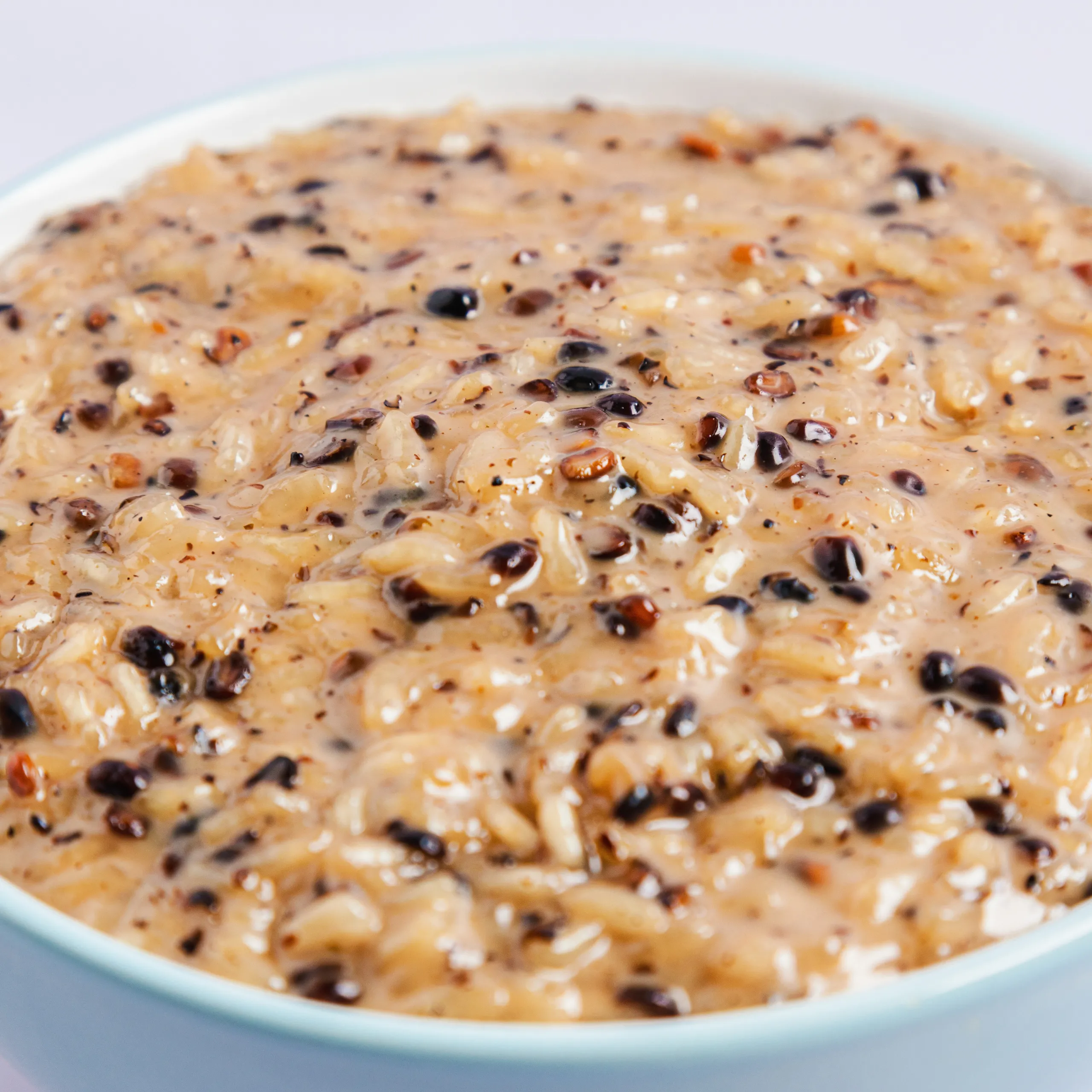
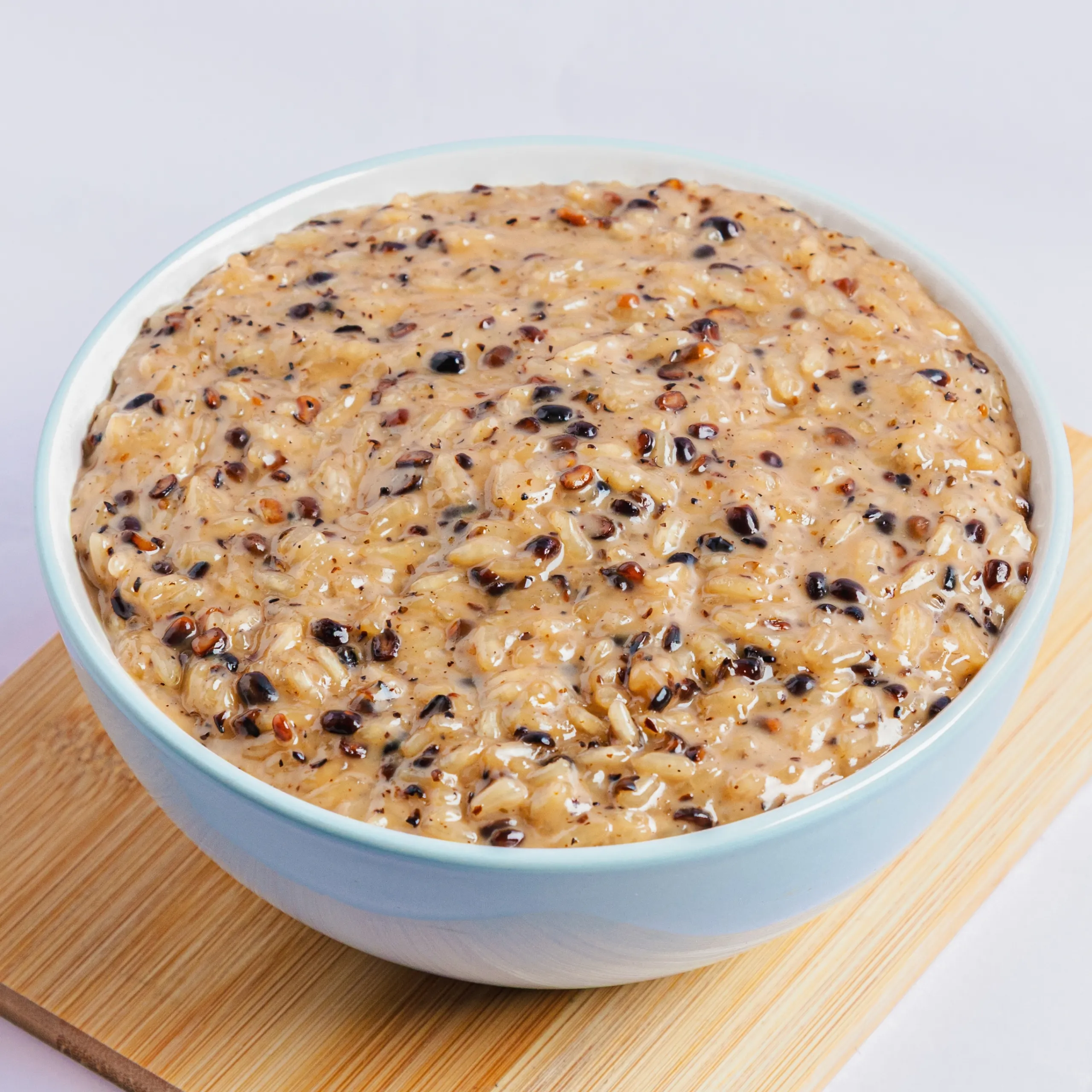
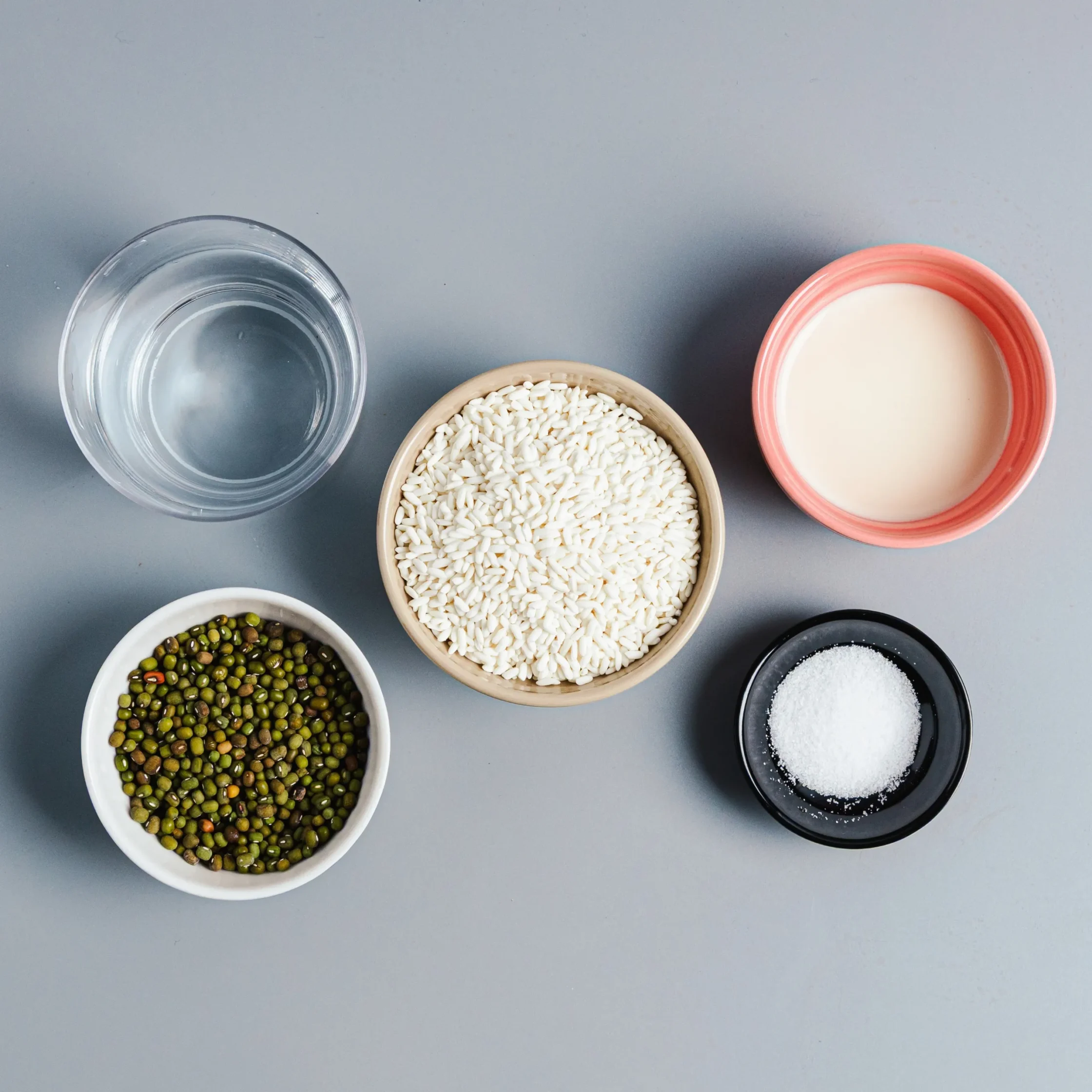
Warm, creamy, mildly sweet, and fragrant with coconut milk, Ginataang Munggo is a simple Filipino merienda or dessert made from mung beans, glutinous rice, coconut milk, and sugar. It is the kind of food that does not need an impressive presentation to be memorable. A warm bowl served in the afternoon can be enough to make an ordinary day feel a little more special.
The combination may sound unusual if you have never tried it before. Mung beans are commonly associated with savory Filipino dishes, while glutinous rice and coconut milk are familiar ingredients in many Filipino desserts. In Ginataang Munggo, these ingredients come together beautifully.
The mung beans provide a slightly nutty, earthy flavor, while the glutinous rice gives the dessert its soft and pleasantly chewy texture. Coconut milk brings richness and a creamy mouthfeel, and brown sugar provides a deep sweetness that complements the coconut.
This is also a forgiving dessert. You can make it thicker or more porridge-like, adjust the sweetness, add more coconut milk, or incorporate other ingredients depending on your family’s preferences.
A Brief History of Ginataang Munggo
Ginataang Munggo belongs to the broader Filipino tradition of ginataan, a group of dishes prepared with coconut milk or coconut cream.
The word ginataan comes from gata, the Filipino word for coconut milk. Coconut has long been an important ingredient in Philippine cooking because coconut palms grow abundantly in many parts of the country.
Mung beans, meanwhile, have long been used throughout Asian cuisine. In the Philippines, mung beans are commonly known as monggo or munggo and appear in both savory and sweet preparations.
The exact origins of this particular dessert are difficult to attribute to one person, community, or historical moment. Filipino food traditions have generally developed through generations of home cooking, regional practices, trade, and cultural exchange.
Ginataang Munggo is related to other Filipino rice-and-coconut preparations, particularly the many varieties of ginataan that combine grains, root crops, beans, fruits, and sweetened coconut milk.
Different households may prepare the dessert differently. Some cook the mung beans until very soft, while others crush or grind them first. Some versions contain more glutinous rice, while others emphasize the beans. Some cooks make the dessert thick enough to eat with a spoon, while others prefer a softer, porridge-like consistency.
That flexibility is part of Filipino home cooking. A recipe can be passed from one generation to another while still changing slightly in every kitchen.
Understanding the Ingredients
Mung Beans
Mung beans provide the distinctive flavor of the dessert.
Toasting them before crushing adds a pleasant roasted, nutty aroma. Crushing the beans also helps them blend more easily with the rice and coconut milk.
Mung beans are sometimes called monggo in the Philippines.
Glutinous Rice
Glutinous rice is responsible for much of the dessert’s soft, sticky, and slightly chewy texture.
Despite the name, glutinous rice does not contain gluten. The word “glutinous” refers to its naturally sticky texture when cooked.
This is an important distinction for people who need to avoid gluten.
Coconut Milk
Coconut milk gives Ginataang Munggo its characteristic creamy richness.
It also contributes a natural coconut aroma that pairs particularly well with brown sugar.
Brown Sugar
Brown sugar provides sweetness while adding a slightly deeper, caramel-like flavor compared with ordinary white sugar.
You can adjust the quantity depending on how sweet you prefer your dessert.
Water
Water helps cook the rice and soften the mung beans.
Because the amount of liquid affects the final consistency, you may need to add a little more during cooking.
Recipe Tips for Better Ginataang Munggo
1. Toast the mung beans carefully
Toasting is a small step, but it can make a noticeable difference.
The gentle roasting brings out the natural nutty character of the mung beans.
However, avoid high heat because small beans can burn quickly.
2. Keep the heat low
A low and gentle cooking temperature is especially important after adding coconut milk.
This reduces the chance of scorching.
3. Stir frequently
The combination of glutinous rice and coconut milk produces a thick mixture that can stick to the bottom of the pot.
Stirring regularly helps prevent burning.
4. Don’t add all the liquid at once
If you are unsure about the desired consistency, add water gradually.
It is easier to thin a thick dessert than to correct one that has become excessively watery.
5. Taste near the end
The sweetness can be adjusted toward the end of cooking.
This allows you to account for the natural flavor of the coconut milk and the final consistency.
6. Remember that it thickens as it cools
Freshly cooked Ginataang Munggo may look slightly loose.
That is perfectly fine.
As it cools, the glutinous rice continues to absorb moisture and the dessert becomes thicker.
Ingredient Substitutions
Mung Beans
Mung beans are the defining ingredient, so replacing them will change the character of the dessert.
However, if necessary, other cooked beans can technically be experimented with, although the flavor and texture will no longer be traditional.
Coconut Milk
If fresh coconut milk is unavailable, canned or packaged coconut milk works well.
For a lighter dessert, part of the coconut milk can be replaced with water.
For a richer version, coconut cream can be used for part of the coconut milk.
Brown Sugar
You can substitute brown sugar with:
- White sugar
- Muscovado sugar
- Coconut sugar
Muscovado sugar can provide a deeper, more molasses-like flavor.
Coconut sugar can also complement the coconut flavor nicely.
Glutinous Rice
Glutinous rice is important for the characteristic texture.
If you use ordinary rice, the dessert will become less sticky and will have a different consistency.
If you need a gluten-free dessert, glutinous rice is generally naturally gluten-free, but check packaging and preparation conditions if cross-contact is a concern.
Optional Ingredients and Variations
Ginataang Munggo can be enjoyed simply with the five main ingredients, but there are many ways to personalize it.
Sago or Tapioca Pearls
Small cooked tapioca pearls can add a pleasantly chewy texture.
Ripe Banana
Slices of ripe banana can provide additional sweetness and fruitiness.
Jackfruit
Small pieces of ripe jackfruit are another excellent addition.
Its floral sweetness works particularly well with coconut milk.
Sweet Potato
Small cubes of sweet potato can make the dessert more filling.
Add them early enough to cook until tender.
Purple Yam
Ube can give the dessert a beautiful color and additional earthy sweetness.
Pandan
A pandan leaf can be simmered with the dessert to provide a subtle, fragrant aroma.
Remove the leaf before serving.
Knowledge About Ginataang Munggo
Why Does It Become Sticky?
The stickiness primarily comes from the starch in glutinous rice.
Glutinous rice contains a high proportion of amylopectin, a type of starch associated with its characteristic sticky texture.
This is why ordinary rice cannot perfectly reproduce the consistency of glutinous rice.
Why Does the Dessert Get Thicker Overnight?
The rice continues absorbing moisture even after cooking.
As the dessert cools, the starch structure also changes, contributing to a firmer consistency.
This is normal.
Why Toast the Mung Beans?
Toasting helps develop roasted aromas and can make the flavor of the mung beans more pronounced.
It is similar in principle to lightly roasting nuts or grains before using them in a recipe.
Is Ginataang Munggo a Dessert or Merienda?
It can be either.
Filipino food does not always fit neatly into Western categories.
Ginataang Munggo can be served as a sweet snack, afternoon merienda, dessert, or even a light breakfast depending on the household.
Health Benefits and Nutritional Value
Ginataang Munggo contains several nutritious ingredients, particularly mung beans and coconut.
Mung Beans Provide Plant Protein
Mung beans are legumes and provide plant-based protein.
They also contain dietary fiber and various vitamins and minerals.
Including legumes in the diet can contribute to overall dietary variety.
Mung Beans Provide Fiber
The fiber in mung beans can contribute to digestive health and may help with feelings of fullness.
Coconut Milk Provides Energy and Fat
Coconut milk contributes fat and calories to the dessert.
Some of its fat is saturated fat, so portion size is worth considering as part of an overall balanced diet.
Glutinous Rice Provides Carbohydrates
The rice provides carbohydrates, which serve as an important source of energy.
Because the dessert contains rice, coconut milk, and sugar, it can be relatively energy-dense.
Brown Sugar Is Still Added Sugar
Although brown sugar contains small amounts of minerals that are less prominent in highly refined sugar, nutritionally it should still be treated primarily as added sugar.
Using less sugar is one straightforward way to make the dessert lighter.
How to Make Ginataang Munggo a Little Lighter
If you enjoy the dish but want to reduce its richness, you can:
- Reduce the brown sugar.
- Use more water and less coconut milk.
- Add more mung beans relative to the sugar.
- Add fruit such as banana or jackfruit for natural sweetness.
- Serve smaller portions.
- Use additional ingredients such as sweet potato for texture and variety.
There is no need to eliminate the coconut milk entirely. Even a modest amount can provide the characteristic flavor of ginataan.
People with specific dietary or medical needs should adjust the recipe according to their individual nutritional requirements and professional dietary advice.
How to Store Ginataang Munggo Properly
Because Ginataang Munggo contains cooked rice and coconut milk, proper storage is important.
Refrigerating
Allow the dessert to cool somewhat after cooking, then transfer it into a clean, shallow, airtight container.
Refrigerate it promptly rather than leaving it at room temperature for a prolonged period.
For best quality, consume refrigerated leftovers within 3–4 days.
Freezing
Ginataang Munggo can be frozen, although the texture may change slightly after thawing.
Place it in a freezer-safe airtight container.
Leave some room for expansion.
Label the container with the date.
For best quality, use frozen leftovers within a few months.
Reheating
When reheating, place the desired portion in a saucepan.
Add a small amount of water or coconut milk because the dessert will probably have thickened considerably.
Heat gently over low to medium-low heat while stirring.
Do not use high heat because the coconut milk and thick rice mixture can scorch easily.
Serving Ideas
Ginataang Munggo is wonderful on its own, but you can make it more special with simple additions.
Try serving it with:
- Toasted coconut
- Slices of ripe banana
- Jackfruit
- A small drizzle of coconut cream
- Toasted sesame seeds
- A sprinkle of muscovado sugar
For a festive version, you can serve it in small individual bowls and garnish each portion with fruit.
Final Words
Ginataang Munggo is a beautiful example of how Filipino cooking can transform a handful of simple ingredients into something deeply satisfying.
Mung beans may be humble, glutinous rice may seem ordinary, and coconut milk may be a familiar pantry ingredient, but when they come together with a little brown sugar and patience, they create a dessert with remarkable character.
What makes the dish particularly interesting is the contrast of textures and flavors. The mung beans contribute an earthy, nutty quality. The glutinous rice creates softness and chewiness. Coconut milk brings richness, while brown sugar provides sweetness and depth.
It is also a dish that invites creativity. You can keep it simple, or add banana, jackfruit, sweet potato, pandan, sago, or other ingredients to create your own variation.
Perhaps most importantly, Ginataang Munggo reflects the warmth of Filipino home cooking. It does not need to be complicated or expensive to be memorable. Sometimes the best dishes are the ones made slowly in an ordinary kitchen, served warm to people who are happy to sit down and share them.
Whether you prepare it as a merienda, dessert, or comforting homemade treat, Ginataang Munggo is a reminder that good food can come from simple ingredients—and that a humble bowl of coconut milk, rice, and mung beans can carry plenty of flavor, tradition, and memories.