

Advertisement

Inab-abesang (Cordillera) Recipe

PHOTO: ZOE TAPALGO
YIELDS:
5 SERVING(S)
Prep Time:
10 MINS
Total Time:
40 MINS
Cal/Serv:
111

Nutritional Information

Calories 559 kcal
Fat 15 g
Saturated fat 13 g
Trans fat 0 g
Cholesterol 0 mg
Sodium 47 mg
Carbohydrates 100 g
Fiber 1 g
Sugar 30 g
Protein 7 g
Vitamin D 0 µg
Calcium 61 mg
Iron 3 mg
Potassium 389 mg

Note: The information shown is Edamam's estimate based on available ingredients and preparation. It should not be considered a substitute for a professional nutritionist's advice.

Inab-abesang Recipe: A Cozy Filipino Sweet Potato & Coconut Rice Dessert

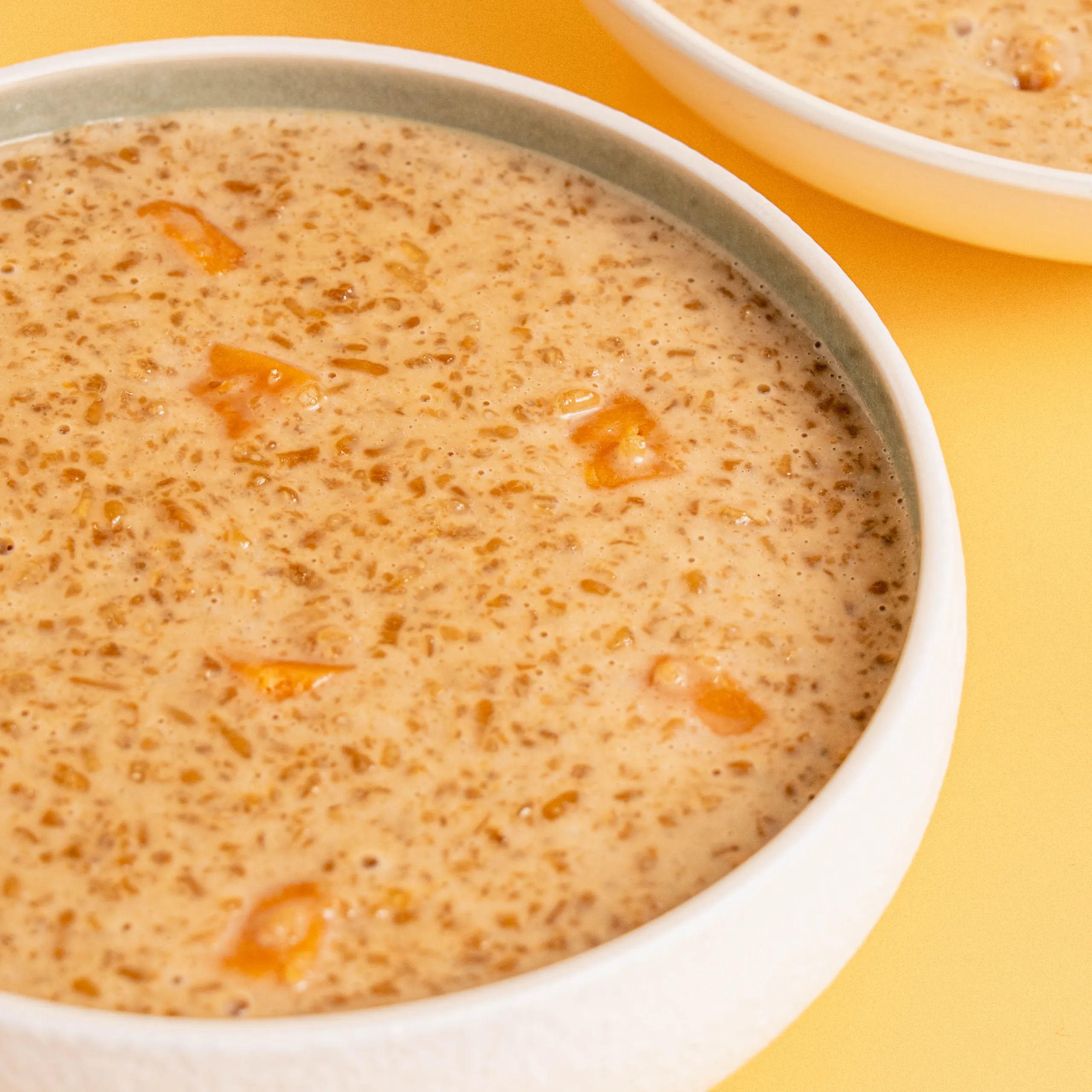
Inab-abesang is one of those quietly comforting Filipino desserts that doesn’t try too hard—but somehow always delivers. It’s warm, creamy, slightly sticky, and naturally sweet, built from simple provincial ingredients that come together in one pot.

At its heart, it combines soft chunks of kamote, chewy glutinous rice, rich coconut milk, and deep caramel notes from muscovado sugar. The result is a thick, porridge-like kakanin that feels both dessert and comfort food at the same time.


What Makes Inab-abesang Special?

Unlike more festive Filipino rice cakes, inab-abesang is simple and homey. It doesn’t rely on toppings or complicated shaping. Instead, it celebrates texture: the softness of sweet potato, the chewiness of glutinous rice, and the creamy body of coconut milk.

It’s often cooked in big pots for sharing—perfect for merienda, rainy afternoons, or even a light dessert after a meal.

Think of it as a “slow comfort” dish. Nothing rushed. Everything gently simmered until it becomes rich and cohesive.


Recipe Tips for Best Results

  • Don’t skip rinsing the rice – It helps control the texture and prevents gumminess.
  • Choose naturally sweet kamote – The better the sweet potato, the better the final dish.
  • Low and slow wins – Quick boiling won’t develop the same creamy consistency.
  • Taste before adjusting sugar – The kamote already contributes natural sweetness.
  • Stir often near the end – This prevents sticking and ensures even creaminess.

Substitutions & Variations

Lighter version:
Reduce sugar and let the kamote naturally sweeten the dish.

No muscovado sugar?
You can use brown sugar, though you’ll lose a bit of the deep molasses flavor.

Want it richer?
Replace part of the water with more coconut milk for a creamier version.

Extra texture idea:
Add tapioca pearls or even jackfruit strips for a more festive kakanin feel.


Final Thoughts

Inab-abesang isn’t flashy—but that’s exactly its charm. It’s the kind of dish that reminds you how satisfying simple food can be when it’s cooked with care.

With just a few ingredients—kamote, glutinous rice, coconut milk, and muscovado sugar—you get a bowl of something warm, filling, and quietly nostalgic.

Ingredients

  • 1.5 Cup sweet potato (kamote), diced
  • 2 Cup glutinous rice (malagkit)
  • 4 Cup water (adjust if needed)
  • 1 Cup muscovado sugar
  • 1.5 Cup coconut milk
Keep screen awake

Directions

Step 1

Start by combining rinsed glutinous rice and diced kamote in a pot with water. Bring it to a gentle boil. This is where the transformation begins—the rice slowly softens while the kamote starts releasing its natural sweetness.

Don’t rush this part. Let it simmer slowly so the starches can naturally thicken the liquid.

Step 2

As the mixture cooks, stir occasionally. The rice will begin to break down slightly, creating a thick, porridge-like base. The kamote becomes tender enough to mash lightly against the spoon.

At this stage, your kitchen should already smell subtly sweet and starchy—very comforting, very familiar.

Step 3

Once everything is soft and thickened, pour in the coconut milk. Stir gently so it blends evenly into the mixture.

Then add muscovado sugar. It will melt into the hot base, deepening the flavor and giving the dish its signature caramel-like sweetness.

Let it simmer again so everything becomes cohesive and creamy.

Step 4

If you prefer it soupier, add a bit more water or coconut milk. If you want a thicker kakanin consistency, continue simmering while stirring occasionally.

The final texture is up to you—it can be spoonable like porridge or thick enough to hold its shape slightly on a plate.

Step 5

You can serve inab-abesang warm for the most comforting experience, or let it cool slightly so it thickens further. Either way, it’s rich, filling, and deeply satisfying.

Inab-Abesang end
PHOTO: ZOE TAPALGO

Alexander Villarante

Recipe Developer

Alexander Villarante is a passionate culinary professional with more than 15 years of experience in the hospitality industry, having built his career in prestigious five-star luxury hotels abroad. He studied Culinary Arts at the Singapore Boston Business School, where he developed a strong foundation in both classical and modern culinary techniques. Throughout his career, he has worked alongside talented chefs from diverse cultural backgrounds, refining his skills and gaining extensive experience in creating exceptional dining experiences. His dedication to excellence has earned him recognition in the competitive culinary scene. Alexander participated in the Philippine Culinary Cup, where he received several citations for his creativity, technical expertise, and commitment to his craft. These achievements reflect his passion for continuous learning and his pursuit of culinary excellence.


Frequently Asked Questions

Yes, it shares similarities with other coconut-based rice desserts, but it’s simpler and more rustic in preparation and ingredients.

The glutinous rice continues absorbing liquid even after cooking. This is normal—just adjust with liquid when reheating.

Definitely. In fact, the flavors deepen as it sits, making it even better the next day.

Patience. Letting the rice, kamote, and coconut milk slowly merge is what creates its signature creamy comfort.

0 0 votes
Total of Ratings
guest
Rating
Ratings for Article
0 Comments
Oldest
Newest Most Voted

To provide a customized ad experience, we need to know if you are of legal age in your region.

By making a selection, you agree to our Terms & Conditions.