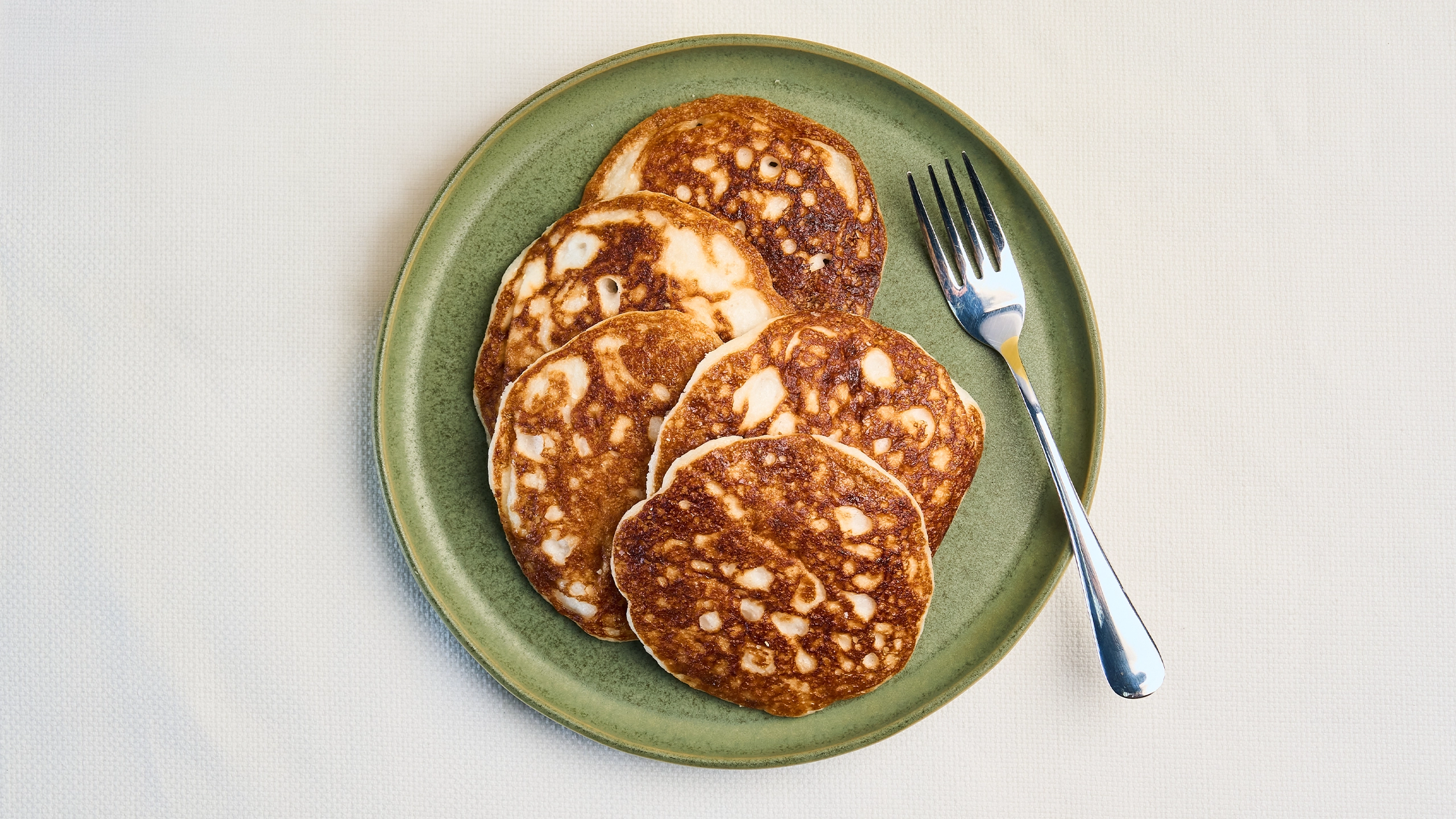


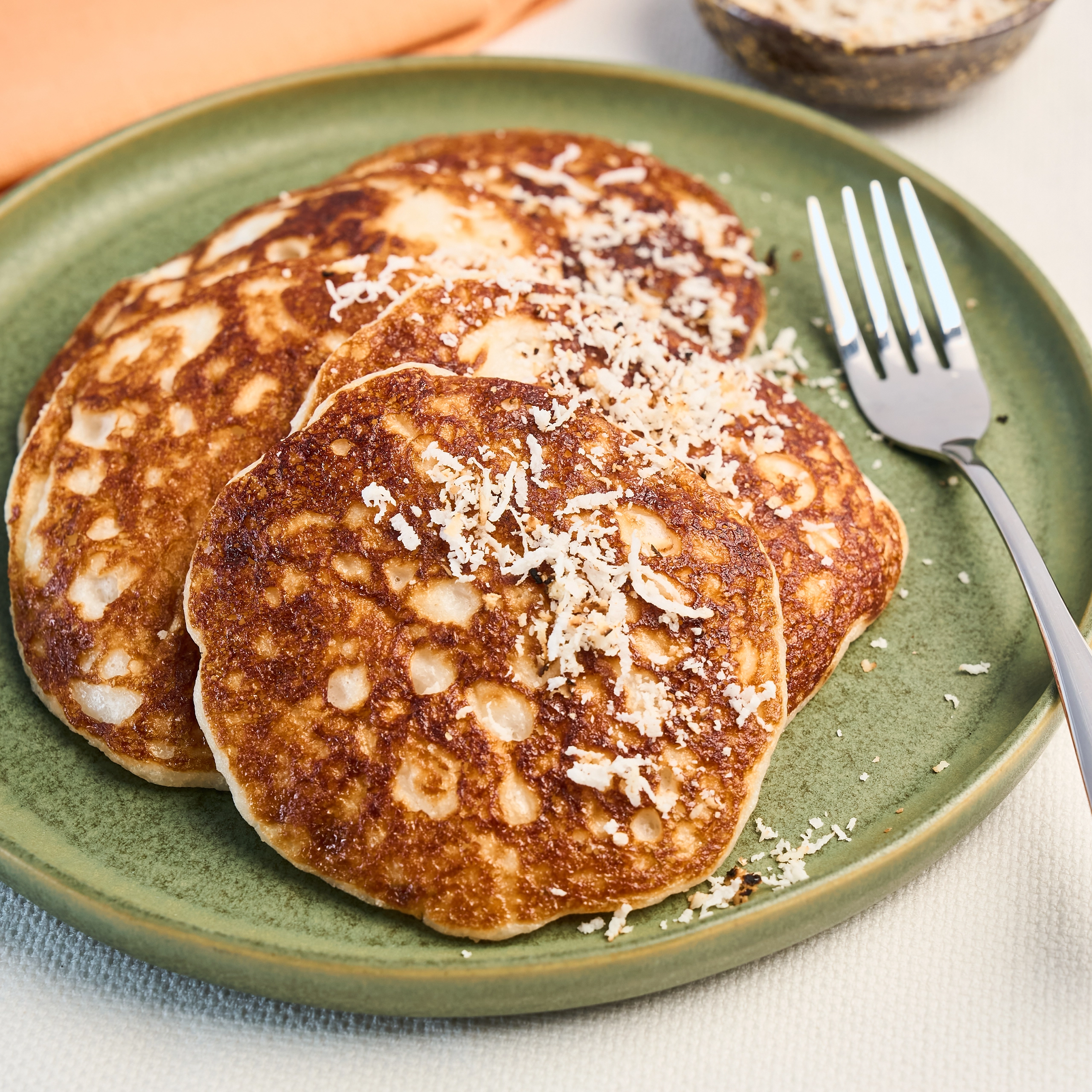
There are Filipino foods that immediately remind you of home—not because they are complicated or fancy, but because they carry the taste of a place, a family, and a way of life. Salukara is one of those foods.
A traditional delicacy associated with Samar, salukara is a simple but comforting rice-and-coconut pancake with a wonderfully rustic character. Made from rice flour, cooked rice, coconut milk, sugar, and traditionally a little tuba or coconut wine, it is the kind of food that reflects the ingredients readily available in many rural communities.
At first glance, salukara might look like an ordinary rice pancake. But once you cook it, you begin to appreciate what makes it special. The coconut milk gives the pancake a rich aroma, while the cooked rice contributes a softer, slightly chewy texture. The sugar provides gentle sweetness, and tuba adds a subtle fermented character that makes the flavor more interesting.
It is especially enjoyable while warm, when the edges are lightly browned and the coconut aroma fills the kitchen.
Salukara is also a wonderful reminder that Filipino cuisine doesn’t always need a long list of ingredients. Sometimes, a handful of everyday ingredients, prepared with care, can create something deeply satisfying.
A Little History of Salukara
Salukara is traditionally associated with Samar and the wider Eastern Visayas food culture. Like many regional Filipino delicacies, it developed around ingredients that were practical, accessible, and closely connected to everyday life.
Rice and coconut have long been important foods in the Philippines, particularly in communities where both crops are readily available. Turning rice into flour or batter and combining it with coconut milk is a familiar pattern throughout Filipino cooking.
What gives salukara its particular identity is the use of tuba, or fermented coconut sap/wine. Coconut fermentation has a long history in the Philippines, and tuba has traditionally been part of both everyday food culture and local community life.
The use of tuba in salukara isn’t simply about adding alcohol. It can contribute aroma and a mild fermented character to the batter. In traditional cooking, fermentation was also a practical way of transforming and preserving ingredients.
Recipes for regional Filipino dishes naturally vary from household to household. One family may prefer a sweeter pancake, another may make it thinner, while another might use more coconut milk or allow the batter to ferment longer.
That’s part of what makes foods such as salukara so interesting. There isn’t necessarily one universal version. The recipe can reflect the cook, the ingredients available, and the traditions passed down through the family.
What Is Salukara?
Salukara is essentially a Filipino rice pancake made with coconut milk, traditionally associated with Samar.
Its texture can be somewhat different from a typical wheat-flour pancake. Rice flour provides structure without the gluten found in wheat, while the addition of cooked rice gives the pancake a pleasant softness and chewiness.
The coconut milk brings richness and a distinctly tropical aroma.
Depending on how thick the batter is and how it is cooked, salukara can have a tender center with lightly crisp or browned edges.
Traditionally, it can be enjoyed as merienda, breakfast, or a simple snack.
It’s especially good when served warm and topped or accompanied by freshly grated coconut.
Recipe Tips for Better Salukara
Use good-quality coconut milk
Coconut milk is one of the main flavors in this recipe, so its quality matters.
Freshly squeezed coconut milk can give the salukara a particularly rich aroma and creamy flavor. Canned coconut milk also works and is convenient, especially when fresh coconut isn’t available.
If using canned coconut milk, choose one that isn’t sweetened.
Don’t make the batter too watery
A batter that is too thin can produce a fragile pancake that is difficult to flip.
Start with the stated amount of coconut milk and add water only when necessary.
Mash the cooked rice according to your preference
Leaving some small pieces of cooked rice gives the salukara a more rustic texture.
For a smoother pancake, blend the cooked rice with part of the coconut milk before mixing it with the rice flour.
Cook over moderate heat
Rice-based pancakes can brown surprisingly quickly, particularly when sugar and coconut milk are present.
Medium-low heat gives the inside enough time to cook before the exterior becomes too dark.
Don’t flip too early
Wait until the bottom has developed enough structure to release from the pan.
Trying to flip the pancake while it is still very soft can cause it to break.
Grease lightly
A small amount of pork lard or oil is enough. Too much fat can make the edges heavy and greasy rather than lightly crisp.
Make smaller pancakes if you’re new to the recipe
Smaller pancakes are easier to flip and less likely to break.
Once you become comfortable with the batter, you can make larger ones.
Ingredient Substitutions
Traditional ingredients aren’t always easy to find, especially if you live outside the Philippines. Fortunately, several substitutions can work.
Rice flour
Rice flour is central to the recipe and should ideally be retained.
Avoid substituting it entirely with regular wheat flour because the resulting texture will be significantly different.
Glutinous rice flour is also not an exact substitute. It contains much more starch that produces a sticky, chewy texture, so using it in place of regular rice flour changes the character of the dish.
Fresh coconut milk → Canned coconut milk
Canned coconut milk is the most practical substitute.
Choose unsweetened coconut milk and shake or stir the can well before measuring.
Tuba → Omit it
If tuba isn’t available, you can leave it out.
The finished pancake will still be delicious, although it will lack the mild fermented flavor associated with the traditional ingredient.
If you want the characteristic fermented note, you may look for a food-safe, commercially produced coconut-based fermented product, but don’t substitute an arbitrary alcoholic beverage simply for the sake of adding alcohol.
White sugar → Brown sugar
Brown sugar can be used instead of white sugar.
It will give the salukara a slightly deeper caramel-like flavor and darker color.
Pork lard → Neutral cooking oil
Vegetable oil, canola oil, or another neutral cooking oil can be used.
However, lard gives the pancake a richer traditional character.
Fresh grated coconut → Toasted coconut
If fresh coconut isn’t available, lightly toasted unsweetened coconut can provide a pleasant alternative.
Fresh coconut, however, gives a softer and more delicate contrast to the warm pancake.
Understanding the Ingredients
Rice Flour
Rice flour is the foundation of salukara.
Unlike wheat flour, rice flour contains no gluten, which means the resulting pancake has a different structure and mouthfeel. It tends to be tender and slightly chewy rather than elastic.
Rice flour has long been an important ingredient in Filipino kakanin and other rice-based delicacies.
Cooked Rice
The addition of cooked rice is particularly interesting.
It isn’t there simply to increase the amount of batter. It contributes texture and can give the finished pancake a softer, more substantial bite.
It’s also a practical reminder of the resourcefulness found in traditional cooking: cooked rice can be transformed into another delicious dish instead of being wasted.
Coconut Milk
Coconut milk provides fat, creaminess, and aroma.
It also helps give the pancake a richer flavor than one made with water alone.
Coconut is one of the most important ingredients in many Filipino regional cuisines, and its use in salukara reflects the abundance and versatility of the coconut palm.
Tuba
Tuba is traditionally made from fermented coconut sap.
In salukara, a small amount can contribute a subtle fermented aroma and flavor.
Because tuba is an alcoholic fermented product, its alcohol content and characteristics can vary considerably. If serving children, pregnant people, or anyone avoiding alcohol, simply leave it out.
Sugar
Sugar balances the slightly earthy flavor of rice flour and richness of coconut milk.
The amount can be adjusted depending on whether you prefer a lightly sweet or dessert-like salukara.
Health Benefits of the Ingredients
Salukara is a traditional sweet rice-based food, so it is best viewed as an occasional snack or part of a balanced meal rather than a “health food.” Still, its ingredients offer some nutritional value.
Rice
Rice provides carbohydrates, which are an important source of energy.
Rice flour is also naturally gluten-free, making it useful for people who need gluten-free ingredients, although anyone with celiac disease should still check product labels for cross-contact.
Coconut Milk
Coconut milk contains fat and small amounts of minerals such as manganese and copper.
It is energy-dense because of its fat content, so portion size is worth considering.
Coconut
Fresh grated coconut contains dietary fiber and fats along with various minerals.
It also adds texture and flavor without requiring a large amount of additional sugar.
Tuba
Tuba is a fermented coconut product, but its potential nutritional value should not be used as a reason to consume alcohol. Alcohol provides calories and carries health risks with excessive consumption.
If you’re making salukara specifically for its traditional flavor, a small amount can be used where appropriate—or omitted completely.
Cooked Rice
Cooked rice provides carbohydrates and contributes energy to the dish.
Because salukara contains both rice flour and cooked rice, it is relatively carbohydrate-dense.
Sugar
Sugar primarily contributes sweetness and energy rather than significant vitamins or minerals. If you want a less-sweet version, reducing the sugar is an easy adjustment.
How to Store Salukara Properly
Salukara is best eaten fresh, especially when warm.
The texture changes as it cools because the rice starches firm up and the coconut-based ingredients lose some of their fresh aroma.
If you have leftovers, allow them to cool before storing.
Place them in an airtight food-safe container and refrigerate promptly.
If stacking several pieces, parchment paper between them can help prevent sticking.
Refrigerating
Store cooked salukara in the refrigerator and ideally consume it within 3–4 days.
For the best quality, however, eating it within the first couple of days is preferable.
Freezing
Salukara can be frozen, although the texture may become slightly different after thawing.
Allow the pancakes to cool completely.
Wrap individual pieces in parchment or food-safe plastic wrap, then place them in a freezer-safe bag or container.
Label the container with the date.
For best quality, use frozen salukara within about 1–2 months.
How to Reheat Salukara
The goal when reheating salukara is to warm the center without making it excessively dry.
Pan
Warm it in a lightly greased skillet over low to medium-low heat.
Turn once or twice until heated through.
Microwave
Place a piece on a microwave-safe plate and heat in short intervals.
You can cover it loosely with a slightly damp paper towel to help prevent excessive drying.
Steamer
Gentle steaming can restore softness, although it will not recreate the lightly browned exterior.
For the best balance between softness and a little crispness, reheating in a skillet is a good option.
Shelf Life of Salukara
For practical home storage:
- Room temperature: Best eaten the same day. Don’t leave coconut-containing food at room temperature for prolonged periods.
- Refrigerator: About 3–4 days when properly refrigerated.
- Freezer: About 1–2 months for best quality.
- Freshly made batter: If it contains tuba and is intentionally fermented, storage and fermentation require additional care. For a simple home preparation, it’s safest to cook the batter promptly rather than leaving it unrefrigerated for an extended period.
If the salukara develops an unusual smell, mold, discoloration, or slimy texture, discard it.
Can You Make Salukara Ahead of Time?
Yes, but freshly cooked is still best.
You can prepare the batter ahead and keep it refrigerated if you are not intentionally fermenting it. Stir it well before cooking because some ingredients may settle.
Another option is to cook the pancakes in advance and reheat them when needed.
For gatherings, cooking the salukara shortly before serving will give you the best texture and coconut aroma.
How to Serve Salukara
Salukara is wonderful as a simple merienda, but there are many ways to enjoy it.
Serve it:
- Warm with freshly grated coconut
- With additional sugar for a sweeter snack
- Alongside coffee
- With hot chocolate or tablea
- With tea
- As part of a Filipino merienda spread
- With fresh fruit for a lighter accompaniment
If you’re serving it traditionally, keeping the presentation simple is part of the charm. A warm rice pancake with fresh coconut doesn’t need much decoration.
What Makes Salukara Special?
Salukara may not have the elaborate appearance of some Filipino desserts, but that’s exactly what makes it appealing.
It represents the kind of cooking that grows from local ingredients and practical knowledge.
Rice becomes flour. Leftover cooked rice becomes part of the batter. Coconut becomes milk and garnish. Coconut sap becomes tuba. A little sugar brings everything together.
Nothing needs to be extravagant.
That resourcefulness is an important part of Filipino culinary tradition. Many beloved dishes came from making the most of what families had available rather than relying on expensive or imported ingredients.
Final Thoughts
Salukara is a beautiful example of Samar’s food heritage—simple, comforting, and closely tied to ingredients that have long been part of everyday Filipino life.
Its appeal isn’t just in the taste. It’s in the story behind the ingredients and the way they come together.
The rice gives it substance, coconut milk gives it richness, cooked rice gives it texture, sugar provides sweetness, and tuba adds a traditional fermented note. Cooked gently in a lightly greased pan, the batter transforms into a warm, fragrant pancake that feels both humble and special.
And perhaps that’s the best way to appreciate salukara.
It doesn’t try to be complicated. It celebrates what is already there.
If you’ve never made it before, don’t worry if your first batch isn’t perfectly round or evenly browned. Traditional foods are often best learned by watching, tasting, adjusting, and making them again. You may eventually develop your own preferred sweetness, thickness, or level of browning—and that personal touch is part of the beauty of home cooking.
Make it warm, serve it with freshly grated coconut, and enjoy it slowly. Salukara is more than a rice pancake; it is a small, delicious taste of Samar’s culinary tradition.