
Advertisement
Advertisement

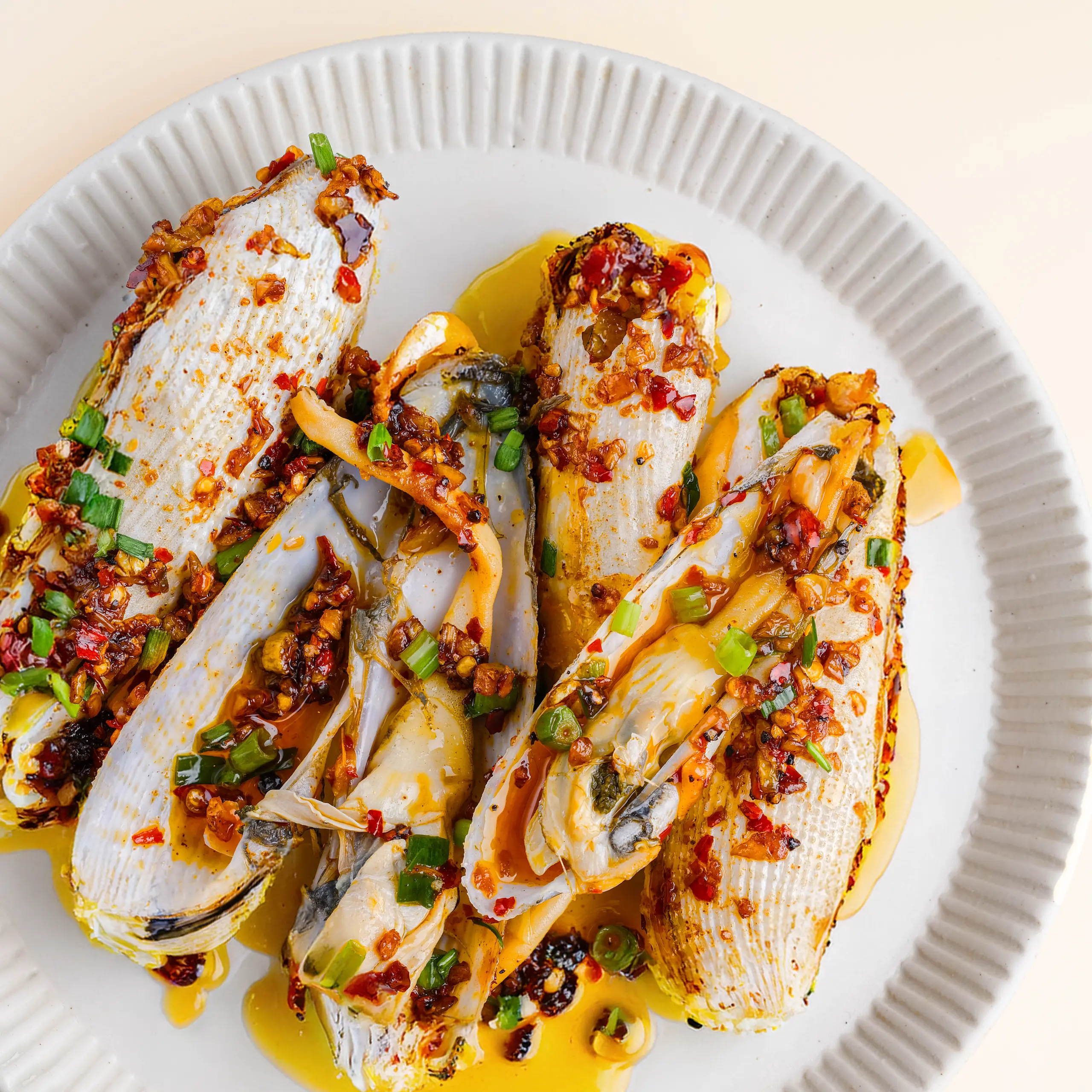
Spicy Garlic Butter Diwal Recipe

It's time you try this rare seasonal shellfish!
PHOTO: ED SIMON
YIELDS:
3 SERVING(S)
Prep Time:
10 MINS
Total Time:
20 MINS
Cal/Serv:
70

Nutritional Information

Calories 211 kcal
Fat 20 g
Saturated fat 10 g
Trans fat 0 g
Cholesterol 41 mg
Sodium 268 mg
Carbohydrates 8 g
Fiber 1 g
Sugar 2 g
Protein 2 g
Vitamin D 0 µg
Calcium 35 mg
Iron 1 mg
Potassium 179 mg

Note: The information shown is Edamam's estimate based on available ingredients and preparation. It should not be considered a substitute for a professional nutritionist's advice.

Just when you thought garlic butter shellfish can’t get any better—wait until you try diwal, a rare seasonal delicacy from Negros.

What is diwal?

According to the Ark of Taste, diwal (or angel wings clam) is a long oval-shaped clam commonly found in the Western Visayas region. They can be found underneath clay or silt soils near the mouth of rivers in Roxas City, Pan-ay, Capiz Province and the central Negros Occidental area.

Presently, only divers from Valladolid are permitted to harvest them from January to April. These prized clams and their habitat are protected against illegal fishing and trawling.

Advertisement

These white, meaty shellfish are ideally harvested when they are about 5 cm long. They are traditionally cooked grilled and served with a popular Visayan boiled vegetable dish called laswa or simply steamed with aromatics like ginger and lemongrass.

Recipe Tip

  • Prepare the diwal by washing it throughly under running water. As these clams are harvested beneath muddy soil, gently scrub them to remove any dirt or grit so as not to have any unpleasant, sandy bits as you eat them.
  • Butter burns at a relatively low temperature (~150°C / 300°F) so keep your pan on low to medium heat, especially if you’re new to cooking.
  • Make sure not to burn the garlic as it will turn bitter when overcooked. Watch its color turn golden as it cooks in low to medium heat.

Ingredients

  • 700 Gram diwal with shells
  • 1 Tablespoon cooking oil
  • 4 Tablespoon butter, salted or unsalted
  • 10 Clove garlic, minced
  • 2 Tablespoon chili flakes
  • 1 Tablespoon oyster sauce
  • 1 Teaspoon soy sauce
  • 1 Teaspoon paprika
  • Salt and black pepper, to taste
  • 1 Tablespoon lemon juice
  • Spring onion, chopped for garnish
Keep screen awake

Directions

Step 1

Clean the diwal. Rinse the diwal shells thoroughly under running water and scrub gently to remove any dirt or grit.

Step 2

Heat the pan. In a wide skillet or pan, combine 1 tablespoon of oil and 4 tablespoons of butter over low to medium heat. The butter adds a rich, savory flavor that complements the seafood.

Step 3

Sauté the aromatics. Add the minced garlic to the hot pan with oil and butter and cook the garlic until fragrant and slightly golden. Then, add chili flakes and cook for another 30 seconds to release its flavor.

Step 4

Add the cleaned diwal to the pan. Cook for just 2 to 3 minutes as this shellfish is delicate, and overcooking can make it rubbery.

Step 5

Season the dish  by pouring in the oyster sauce and soy sauce. Sprinkle paprika and freshly ground black pepper, making sure to toss gently to coat the shells evenly. Continue cooking just until some of the shells start to open.

Step 6

Remove from heat and squeeze fresh lemon juice over the diwal. Sprinkle with chopped spring onions.

Step 7

Serve immediately while warm with toasted bread on the side to soak up the flavorful juices. This method keeps the diwal tender, flavorful, and slightly tangy—perfect as an appetizer or a special seafood treat!

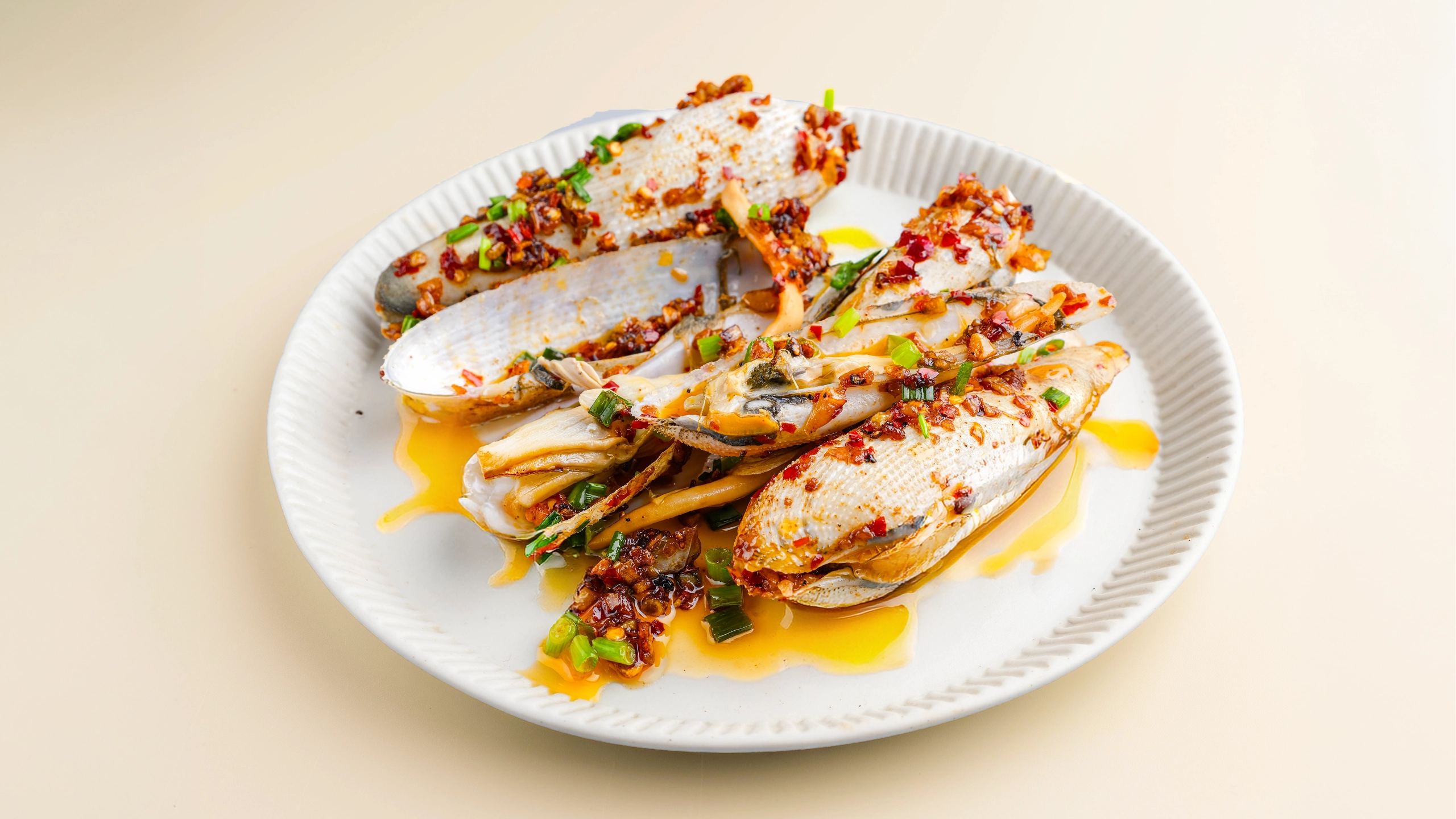
diwal spicy chili garlic butter
PHOTO: ED SIMON

Frequently Asked Questions

Diwal, also known as angel wing clams, is a type of shellfish famous in the Philippines for its delicate texture and slightly sweet flavor. It’s especially popular in coastal regions like Roxas City.

It has a rich, buttery flavor with a garlicky aroma, balanced by a spicy kick. The natural sweetness of the diwal pairs well with the savory sauce.

Yes, as long as it’s fresh and properly cleaned and cooked. Like all shellfish, it should be sourced from reliable suppliers.

0 0 votes
Total of Ratings
guest
Rating
Ratings for Article
0 Comments
Oldest
Newest Most Voted
Advertisement

To provide a customized ad experience, we need to know if you are of legal age in your region.

By making a selection, you agree to our Terms & Conditions.