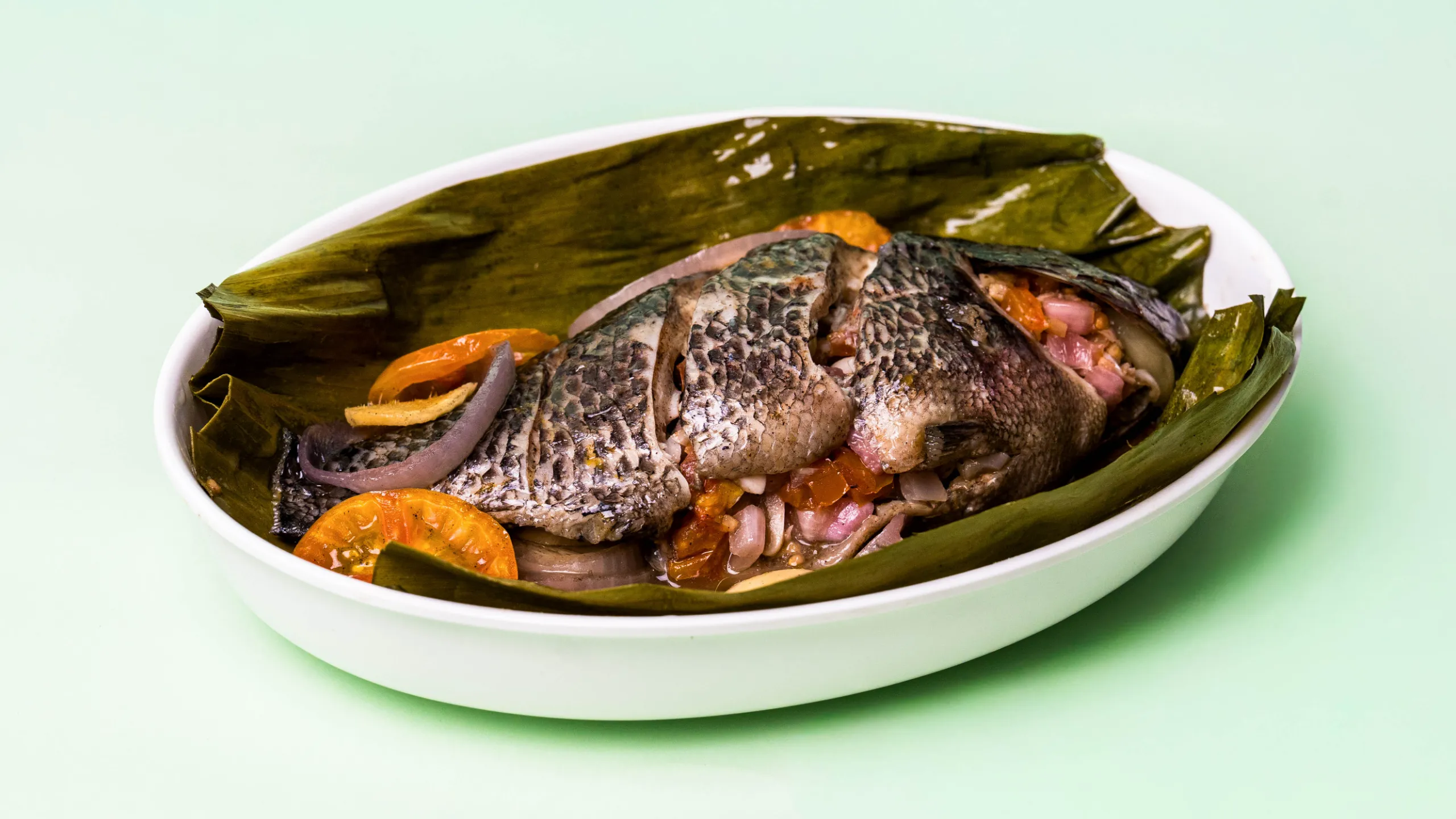


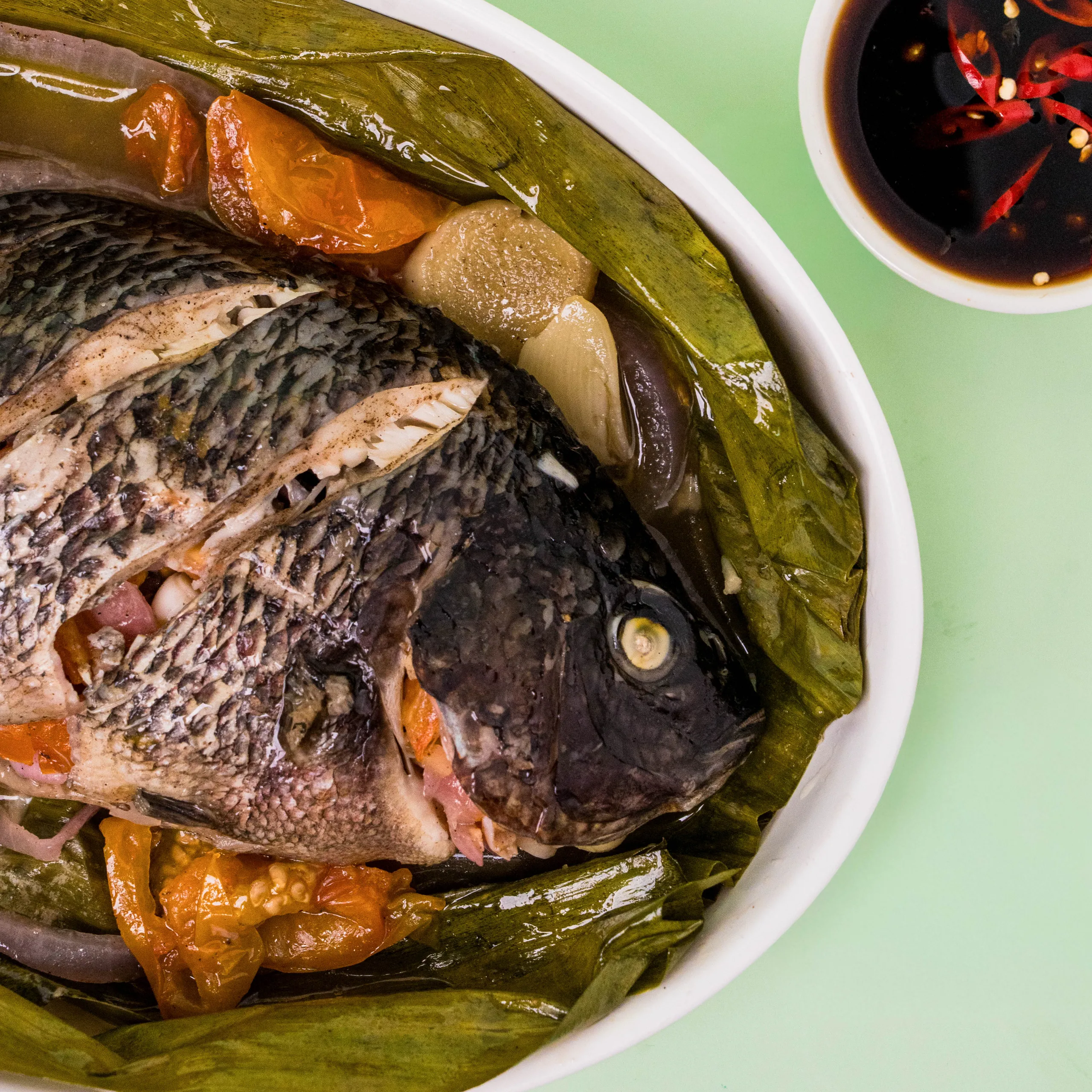
There are dishes that remind people of home, family gatherings, and simple meals shared around the dining table. Pinaputok na Tilapia is one of those comforting Filipino recipes that captures the beauty of traditional cooking—using fresh ingredients, simple techniques, and natural flavors to create something memorable.
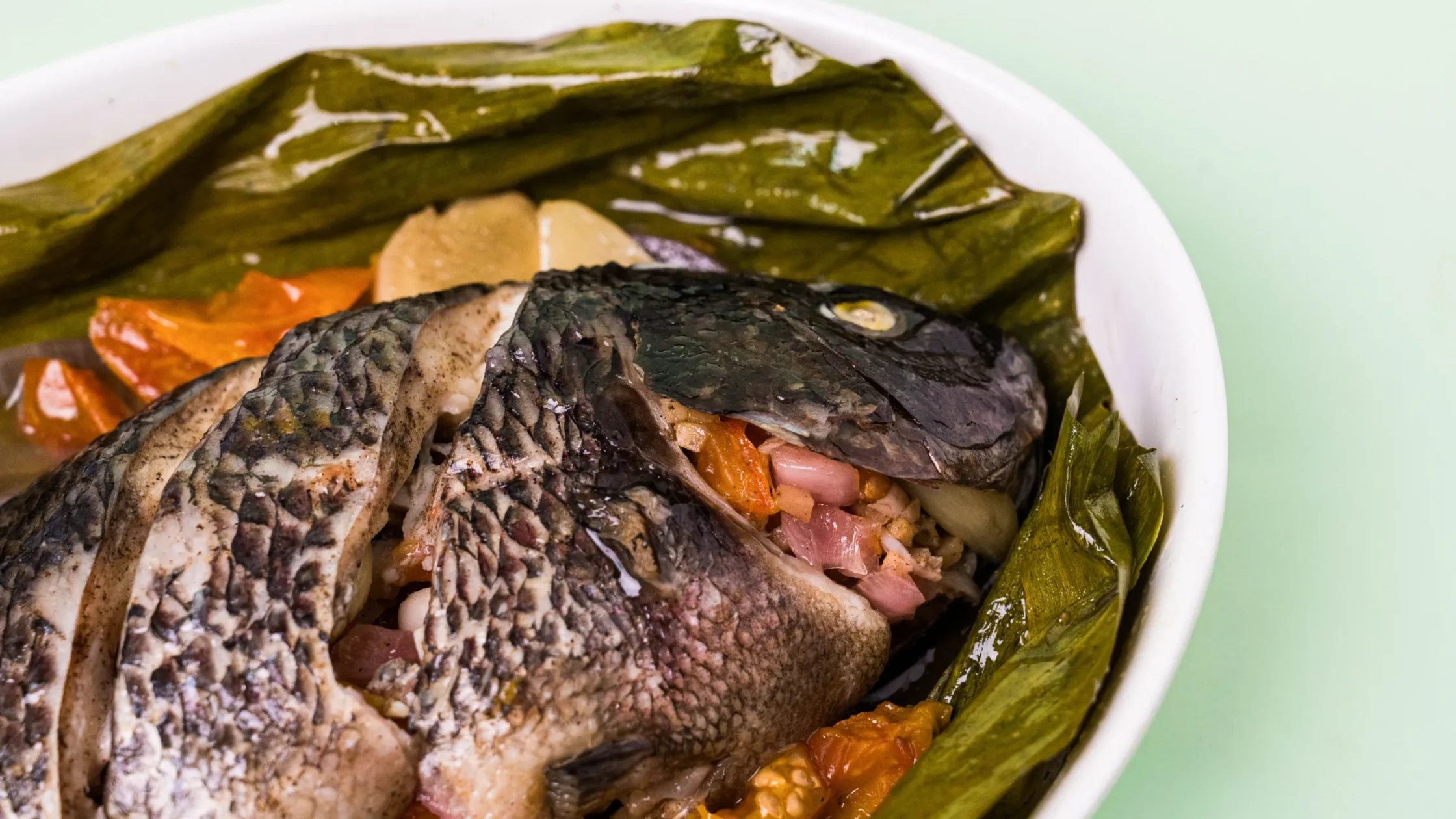
The first thing people notice about Pinaputok na Tilapia is the wonderful aroma that escapes when the banana leaf or foil wrapper is opened. The steam carries the scent of tomatoes, onions, garlic, and ginger that have slowly cooked together with the fish. Beneath the wrapper is a tender tilapia filled with savory juices and flavors that have blended beautifully during cooking.
This dish represents the Filipino love for preparing food with care. Instead of heavily seasoning or covering the natural taste of the fish, the recipe enhances it using ingredients commonly found in Filipino kitchens. The combination of fresh vegetables, citrus, and spices creates a balanced flavor—slightly sweet from tomatoes, aromatic from ginger and garlic, and savory from soy sauce.
Pinaputok na Tilapia is also a reminder that delicious food does not always require expensive ingredients or complicated cooking methods. A simple fish, some vegetables, and a traditional cooking technique can create a dish worthy of sharing with loved ones.
History and Origin of Pinaputok na Tilapia
Filipino cuisine has a long history of using wrapping techniques when cooking food. Before modern kitchen equipment became widely available, Filipinos often cooked meat, fish, and vegetables using natural wrappers such as banana leaves. These leaves protected food from direct heat while allowing it to cook slowly and absorb a pleasant earthy aroma.
The idea behind Pinaputok na Tilapia comes from this traditional method of cooking. Fish is stuffed with flavorful ingredients, wrapped securely, and grilled over charcoal or baked until the inside becomes tender and juicy. The enclosed cooking process allows the flavors of the stuffing to penetrate the fish while keeping the meat moist.
Tilapia became especially popular in the Philippines because it is easy to raise, widely available, affordable, and adaptable to different cooking styles. As fish farming expanded throughout the country, tilapia became a common ingredient in Filipino households. Families began creating their own versions of stuffed and grilled tilapia, eventually leading to many variations of Pinaputok na Tilapia.
The word “pinaputok” comes from the Filipino word “putok,” meaning “to burst” or “to pop.” The name describes the way the wrapped fish expands slightly while cooking because of the steam produced inside the packet. When opened, the wrapper releases a burst of aroma, making the experience of eating the dish even more enjoyable.
Over time, Pinaputok na Tilapia has become a favorite in Filipino restaurants and homes. Some versions now include cheese, mayonnaise, salted egg, chili, or coconut milk, but the classic version with tomatoes, onions, ginger, and garlic remains popular because it highlights the natural flavor of the fish.
Knowledge About the Dish and Its Ingredients
Tilapia
Tilapia is a freshwater fish known for its mild flavor, soft texture, and versatility. Because it does not have an overpowering fishy taste, it easily absorbs the flavors of herbs, spices, and sauces.
Tilapia is commonly used in Filipino cooking because it is affordable and accessible. It can be fried, grilled, steamed, cooked in soups, or prepared as a stuffed fish dish like Pinaputok na Tilapia.
The firm texture of tilapia makes it suitable for wrapping and grilling because the meat remains intact while cooking.
Tomatoes
Tomatoes are one of the most important ingredients in this recipe because they provide moisture and natural sweetness.
When heated, tomatoes release their juices, which combine with the fish’s natural flavors to create a light and flavorful sauce inside the wrapper. Their acidity also helps balance the richness of the fish.
Tomatoes are rich in:
- Vitamin C
- Vitamin A
- Potassium
- Lycopene, an antioxidant associated with supporting overall health
Onion
Onions provide sweetness and depth to the dish. Raw onions have a sharp flavor, but cooking transforms them into a softer and sweeter ingredient.
They help create the aromatic foundation of the stuffing and blend well with garlic and ginger.
Onions contain:
- Fiber
- Vitamin C
- Plant compounds that support overall wellness
Ginger
Ginger is a traditional ingredient in many Filipino seafood dishes because it helps improve aroma and reduce the strong smell sometimes associated with fish.
It adds a warm, slightly spicy flavor that balances the sweetness of tomatoes and the richness of tilapia.
Ginger contains natural compounds such as gingerol, which has antioxidant properties.
Garlic
Garlic is responsible for much of the savory aroma of Pinaputok na Tilapia.
During cooking, garlic becomes sweeter and more fragrant, creating a deeper flavor that complements the fish.
Garlic contains sulfur compounds that are being studied for their potential health-supporting properties.
Soy Sauce
Soy sauce adds saltiness and umami, enhancing the natural flavors of the fish.
Because soy sauce already contains salt, it is important to balance the amount used to prevent the dish from becoming too salty.
Calamansi or Lemon Juice
The citrus juice adds brightness and freshness.
The acidity cuts through the richness of the fish and gives the dish a cleaner taste.
Calamansi is especially popular in Filipino cooking because it provides a distinct citrus flavor that pairs well with seafood.
Banana Leaves
Banana leaves are traditionally used in Filipino cooking because they provide a natural wrapper that protects food from heat.
Although banana leaves are not usually eaten, they contribute a subtle aroma and help maintain moisture during cooking.
Health Benefits of Pinaputok na Tilapia
Pinaputok na Tilapia is a nutritious meal because it uses fresh fish, vegetables, and a cooking method that requires little added oil.
Good Source of Protein
Tilapia provides high-quality protein, which helps support:
- Muscle growth and repair
- Healthy body tissues
- Daily energy needs
Protein is especially important for people who want a filling meal that does not rely heavily on processed ingredients.
Supports Heart-Friendly Eating
Compared with many fried fish preparations, Pinaputok na Tilapia uses grilling or baking, which requires minimal oil.
The fish provides nutrients while avoiding the extra fats that come from deep frying.
Rich in Vitamins and Minerals
The vegetables contribute important nutrients:
- Tomatoes provide antioxidants and vitamin C.
- Onions provide fiber and plant compounds.
- Garlic and ginger contribute beneficial natural compounds.
Helps Maintain a Balanced Diet
A serving of Pinaputok na Tilapia can be part of a balanced meal when paired with:
- Steamed rice
- Fresh vegetables
- Salad
- Light soup
The combination provides protein, carbohydrates, vitamins, and minerals.
Recipe Tips for the Best Pinaputok na Tilapia
- Choose a medium-sized fish because it cooks more evenly.
- Dry the fish before seasoning for better flavor absorption.
- Do not skip the diagonal cuts because they help distribute seasoning.
- Use ripe tomatoes for a sweeter and more flavorful stuffing.
- Fresh ginger creates a better aroma than powdered ginger.
- Do not wrap the fish too loosely because steam helps cook the fish.
- Rest the cooked fish for a few minutes before opening the wrapper.
- Use charcoal grilling for a smoky traditional flavor.
- Add fresh chili if you prefer a spicy version.
- Avoid overcooking because tilapia can become dry when cooked too long.
Ingredient Substitutions
Tilapia Substitute
You may use:
- Bangus (milkfish)
- Pompano
- Sea bass
- Red snapper
- Trout
Cooking time may change depending on fish size.
Banana Leaf Substitute
You may use:
- Aluminum foil
- Parchment paper covered with foil
Banana leaves provide extra aroma, but foil still creates the steaming effect.
Calamansi Substitute
Use:
- Lemon juice
- Lime juice
- Vinegar mixed with a little water
Soy Sauce Substitute
You may use:
- Tamari
- Coconut aminos
- Fish sauce (use less because it is stronger)
Tomato Substitute
You may use:
- Cherry tomatoes
- Plum tomatoes
- Roasted bell peppers for a sweeter variation
Final Words
Pinaputok na Tilapia is more than just a fish recipe—it is a celebration of Filipino cooking traditions. It shows how simple ingredients can create a dish filled with warmth, flavor, and memories. The combination of fresh fish, aromatic vegetables, and gentle steaming creates a meal that feels homemade and comforting.
Its popularity comes from its balance of simplicity and deliciousness. The preparation does not require complicated techniques, yet the result is a dish with impressive flavor and presentation. When the wrapper is opened and the fragrant steam rises, it creates a special moment that brings people together.
Whether enjoyed during a family meal, prepared for guests, or cooked as an everyday dinner, Pinaputok na Tilapia remains a wonderful example of Filipino creativity in the kitchen. It honors traditional cooking methods while continuing to inspire new generations to appreciate the natural flavors of local ingredients.