
Advertisement
Advertisement

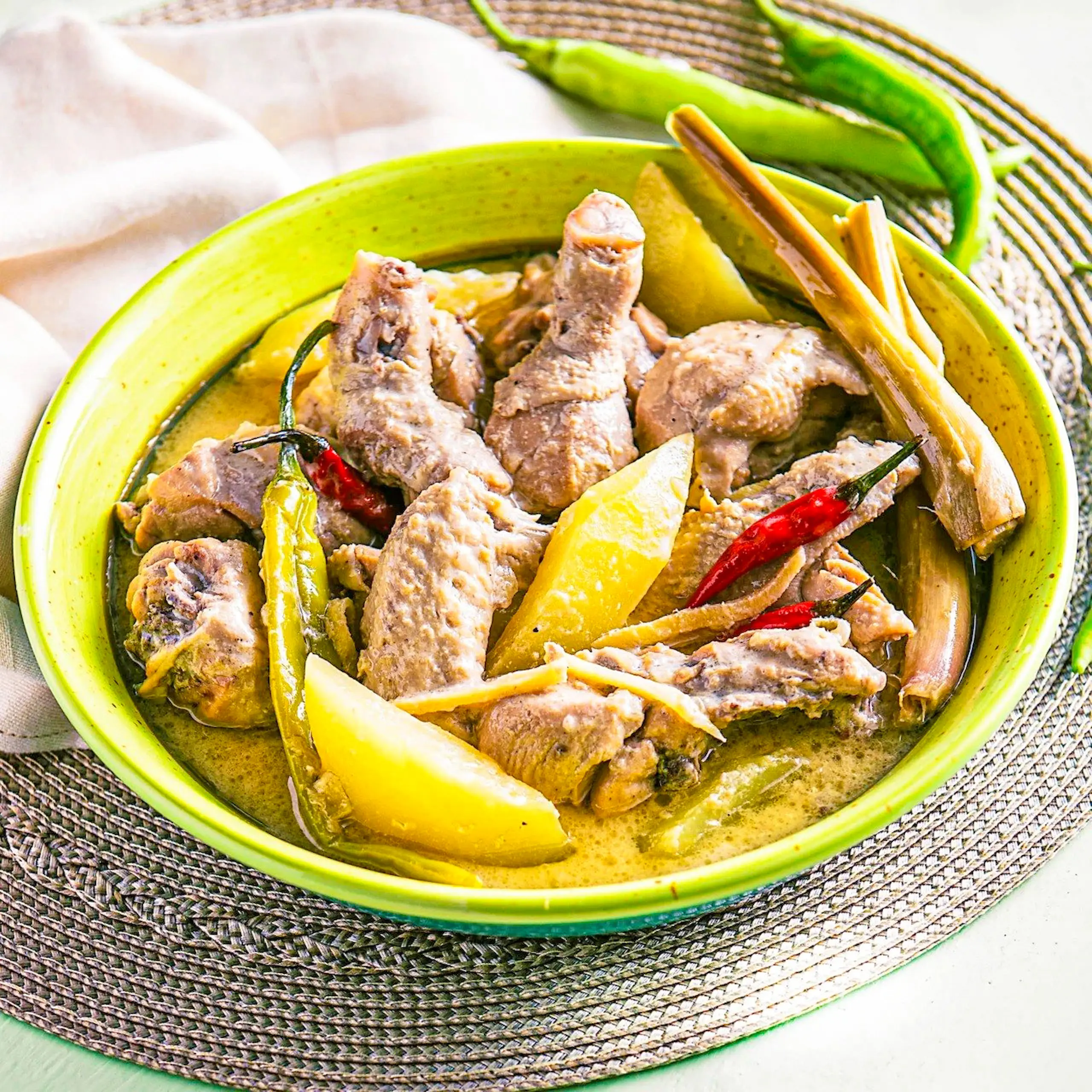
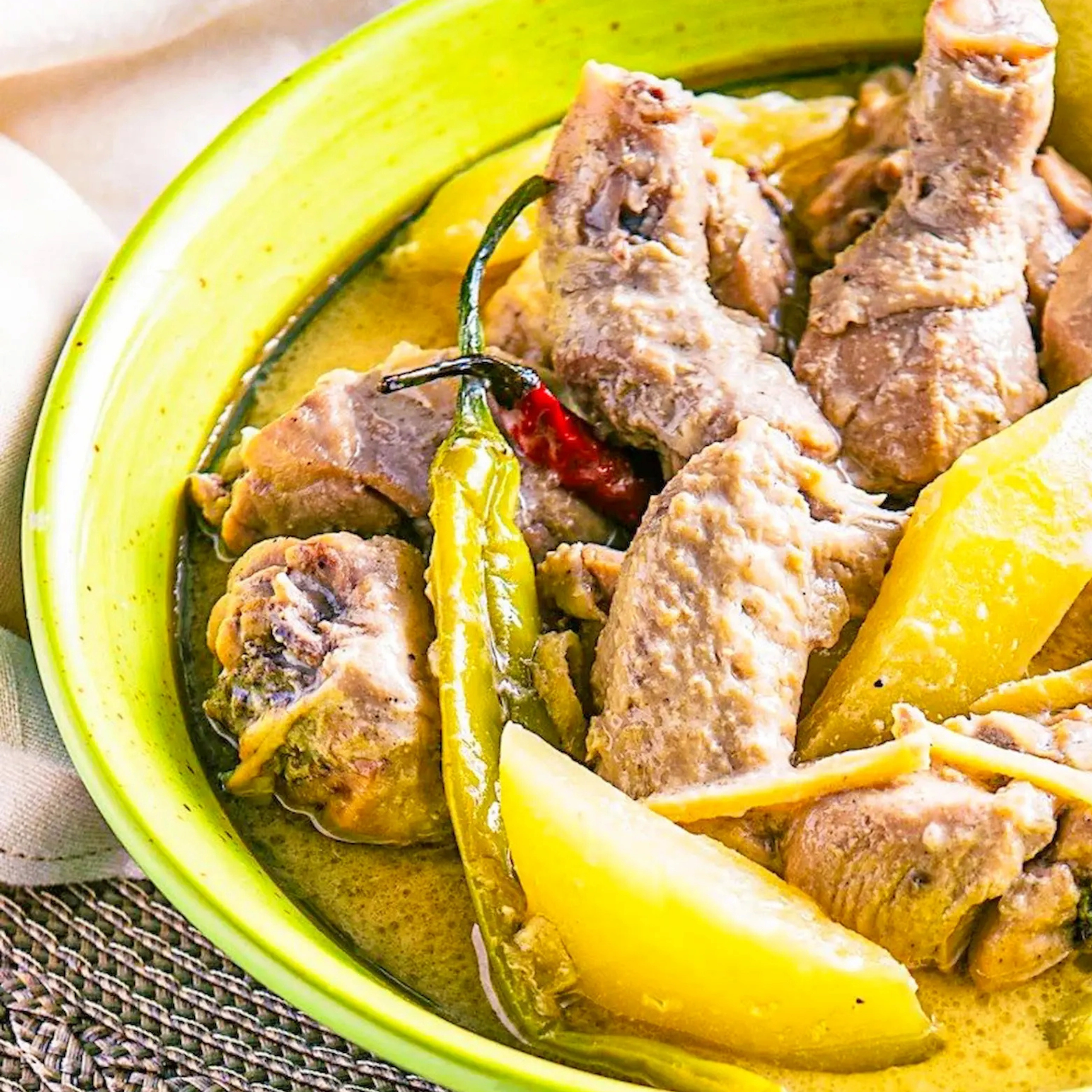
Tinutungang Manok Recipe (Bicol)

YIELDS:
6 - 8 SERVING(S)
Prep Time:
15 MINS
Total Time:
40 MINS
Cal/Serv:
722

Nutritional Information

Calories 722 kcal
Fat 54 g
Saturated fat 29 g
Trans fat 0 g
Cholesterol 150 mg
Sodium 159 mg
Carbohydrates 22 g
Fiber 5 g
Sugar 8 g
Protein 42 g
Vitamin D 0 µg
Calcium 65 mg
Iron 6 mg
Potassium 1057 mg

Note: The information shown is Edamam's estimate based on available ingredients and preparation. It should not be considered a substitute for a professional nutritionist's advice.

Tinutungang Manok is typically served in special occasions and gatherings in Albay and other parts of Bicol. The name comes from coconut meat that’s been charred using live charcoals.

Burnt Coconut Dishes

Filipino cuisine has a treasure trove of dishes that use burnt coconut as an ingredient. This smoky, creamy liquid has been relied on as a base for a slew of other regional food aside from Tinutungang Manok.

  • Tiyula Itum – beef soup with aromatics
  • Pianggang Manok – chicken braised in turmeric, lemongrass, and ginger
  • Ensaladang Kulawo – grilled eggplant or banana blossom salad

Recipe compiled by Chef Jang Melgar Grageda from the Camalignon Lutong-Suanoy contest.
Advertisement

Ingredients

  • 2 mature coconuts, grated (niyog)
  • Charcoal
  • 1 whole native chicken, sliced into serving pieces
  • 3 Clove Garlic, smashed
  • 1 Medium onion, sliced
  • 1 knob of ginger, cut into strips
  • 3 Stalk lemongrass bulb (tanglad), smashed
  • Salt and ground black pepper, to taste
  • 0.5 Cup coconut milk (pangalawang piga)
  • 1 Small green papaya, peeled and sliced
  • 1 Cup coconut cream (unang piga)
  • 2 Tablespoon native vinegar
  • 3 Piece finger chilies (siling haba)
  • 10 Piece red bird's eye chilies (siling labuyo)
Keep screen awake

Directions

Step 1

Make the tinutungan: To get a smoky coconut flavor in the milk, put the grated coconut (niyog) in a stainless bowl or tray. Top niyog with live charcoal for a few minutes to partially burn the top layer. Remove charcoal with tongs, making sure there are no small bits left.

Step 2

When niyog is cool enough to handle, squeeze toasted coconut to extract the coconut cream (unang piga). Set aside. Pour 1 cup water and mash into the pulp. Squeeze to obtain coconut milk (pangalawang piga). Set aside.

Step 3

In a medium saucepan (or clay pot), combine chicken, garlic, onion, ginger, and lemongrass. Season with salt and pepper.

Step 4

Pour coconut milk and then bring mixture to a boil over medium heat. Simmer for 30 to 40 minutes.

Step 5

When liquid is reduced, add green papaya and the smoked thick coconut cream. Simmer for about 10 minutes until papaya is cooked.

Step 6

Add the native vinegar and the two kinds of chilies. Cook for another 5 minutes to mellow out the vinegar taste. Taste and correct seasoning with salt. Serve with white rice.

Manok delicious native local

Frequently Asked Questions

The signature smoky profile comes from charring the grated coconut (niyog) with live coals before extracting the milk. This “toasting” process creates a deep, nutty aroma that defines the dish. Ensure you remove all charcoal debris carefully before squeezing to maintain a clean, greyish-tinted sauce that carries the distinct essence of tinutungan.

While canned milk is convenient, you will lose the essential “tinutungan” (burnt) flavor profile that makes this Bicolano dish unique. If you must use canned milk, try slow-toasting a portion of the coconut cream in a pan until it turns dark brown and fragrant before adding it to the pot. This mimics the traditional smoky depth, though fresh charred niyog remains the gold standard.

To maintain a smooth, creamy texture, always simmer the chicken in the thin coconut milk (pangalawang piga) first over medium-low heat. Avoid a rolling boil, which causes the fats to separate prematurely. Save the thick coconut cream (unang piga) for the final 10 minutes of cooking to ensure a rich, velvety finish that coats the chicken perfectly.

If green papaya is unavailable, chayote (sayote) is an excellent substitute as it holds its shape well during simmering. For the native vinegar, you can use cane vinegar or apple cider vinegar, though you should add it gradually. Remember not to stir the pot immediately after adding vinegar; let it simmer for five minutes to mellow out the acidity and integrate the flavors.

Store leftovers in an airtight container in the refrigerator for up to three days. When reheating, do so over low heat on the stovetop and add a splash of water or extra coconut milk to re-emulsify the sauce. Avoid high-heat microwaving, as this often causes the coconut oil to separate from the solids, resulting in a greasy texture rather than a creamy one.

0 0 votes
Total of Ratings
guest
Rating
Ratings for Article
0 Comments
Oldest
Newest Most Voted
Inline Feedbacks
View all comments
Advertisement

To provide a customized ad experience, we need to know if you are of legal age in your region.

By making a selection, you agree to our Terms & Conditions.