
Advertisement

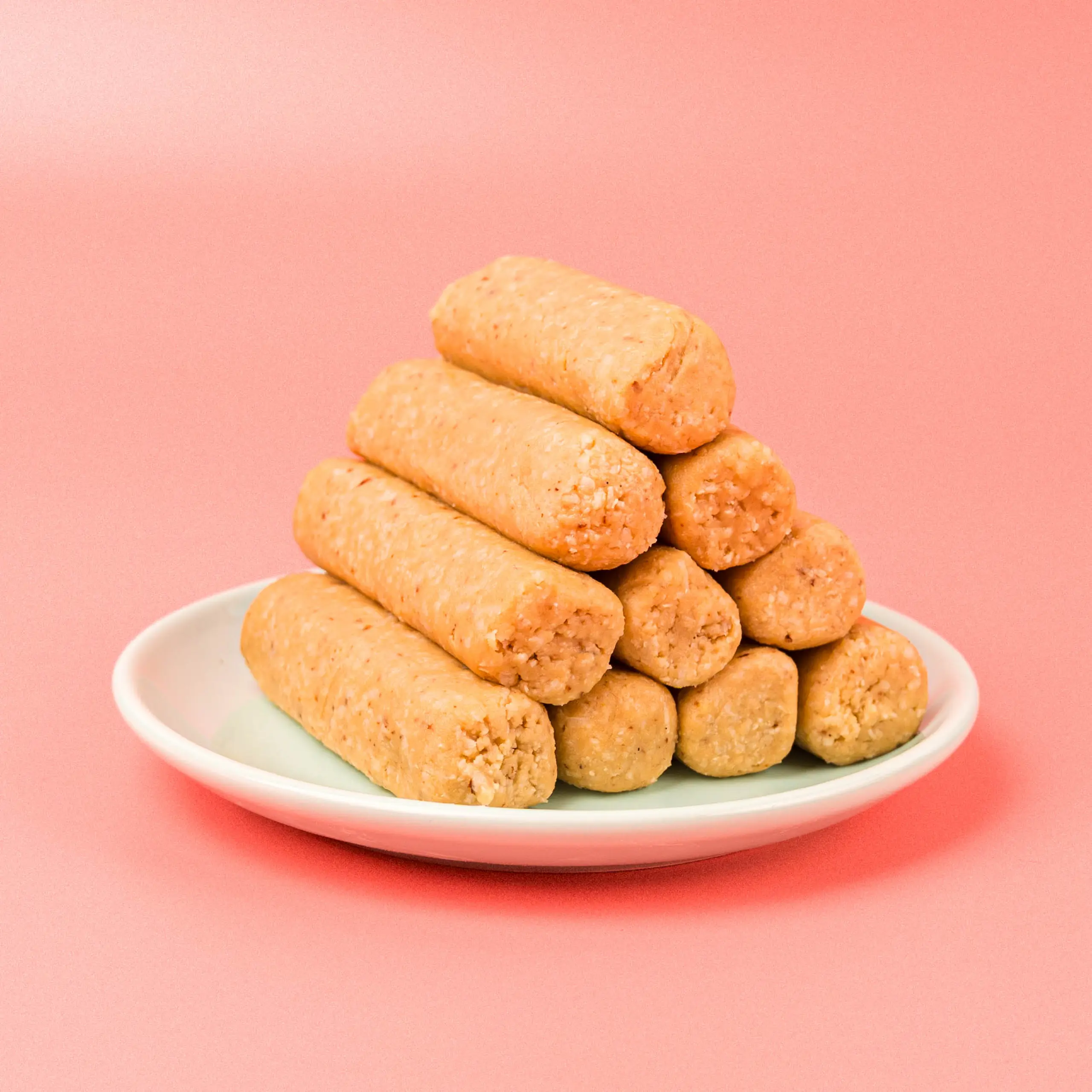
Baye-Baye Recipe (Iloilo)

PHOTO: ZOE TAPALGO
YIELDS:
8 - 10 SERVING(S)
Prep Time:
20 MINS
Total Time:
42 MINS
Cal/Serv:
24

Nutritional Information

Calories 246 kcal
Fat 2 g
Saturated fat 1 g
Trans fat 0 g
Cholesterol 0 mg
Sodium 38 mg
Carbohydrates 51 g
Fiber 1 g
Sugar 10 g
Protein 4 g
Vitamin D 0 µg
Calcium 20 mg
Iron 1 mg
Potassium 129 mg

Note: The information shown is Edamam's estimate based on available ingredients and preparation. It should not be considered a substitute for a professional nutritionist's advice.

Baye-Baye is a traditional rice-based delicacy from Iloilo City, known for its simple yet nostalgic flavor. It is made from young coconut (buko) mixed with toasted rice grains or ground glutinous rice, sometimes blended with fresh corn, giving it a naturally sweet, nutty taste and a soft, slightly chewy texture.

This native snack is deeply rooted in Ilonggo food culture and is often enjoyed as a merienda (afternoon snack) or light dessert. Its charm lies in its minimal ingredients and handmade preparation, reflecting the resourcefulness and tradition of home-style cooking in Iloilo.

Recipe Tips

  • Toasting is everything. Toast both the coconut and the rice flour separately. Keep the heat low to medium and stir constantly—burning even a little will make the whole batch bitter.
  • Shape while soft. Form into small discs, balls, or logs while the mixture is still pliable. It firms up as it cools.
  • Don’t rush the process. This isn’t a high-heat, quick dessert. Slow toasting develops the deep, nutty flavor that makes Baye-Baye special.

Substitutions

If you don’t have brown sugar in your pantry, white sugar works just as well. The former lends a slightly deeper, caramel-like flavor and extra moisture, while the latter can still provide the sweetness needed for the recipe without affecting the final result that much.

What to serve this with

This treat works wonderfully with a hot cup of coffee or tea. A bold brewed coffee, espresso, or café latte complements its sweetness, while black tea, Earl Grey, or even jasmine tea offers a lighter contrast. If you’re serving it as part of merienda, consider pairing it with fresh fruit or a scoop of vanilla ice cream or with a warm mug of sikwate.

Ingredients

  • 2 Cup young rice (pinipig)
  • 1 Cup grated young coconut
  • 0.5 Cup coconut water (adjust if needed)
  • 0.5 Cup brown sugar
Keep screen awake

Directions

Step 1

Place the glutinous rice in a clean, dry pan and toast it over low heat, stirring continuously to prevent it from burning and to ensure that it cooks evenly. Continue toasting until the grains turn a light golden brown and release a pleasant, nutty aroma. Once toasted, remove the pan from the heat and allow the rice to cool completely. After it has cooled, grind the toasted rice into a fine powder using a food processor, blender, or mortar and pestle. The resulting fine powder will serve as the pinipig base, providing the dish with its distinctive flavor and texture.

Step 2

In a large mixing bowl, combine the ground toasted rice and the grated young coconut. Using a spoon or your hands, gently mix the ingredients together until the toasted rice is evenly distributed and well incorporated with the coconut, creating a uniform mixture with a light, crumbly texture.


Step 3

Gradually pour in the coconut water while mixing. Stir until the mixture becomes slightly moist and can be shaped (not too wet) then add the brown sugar and mix evenly.

Step 4

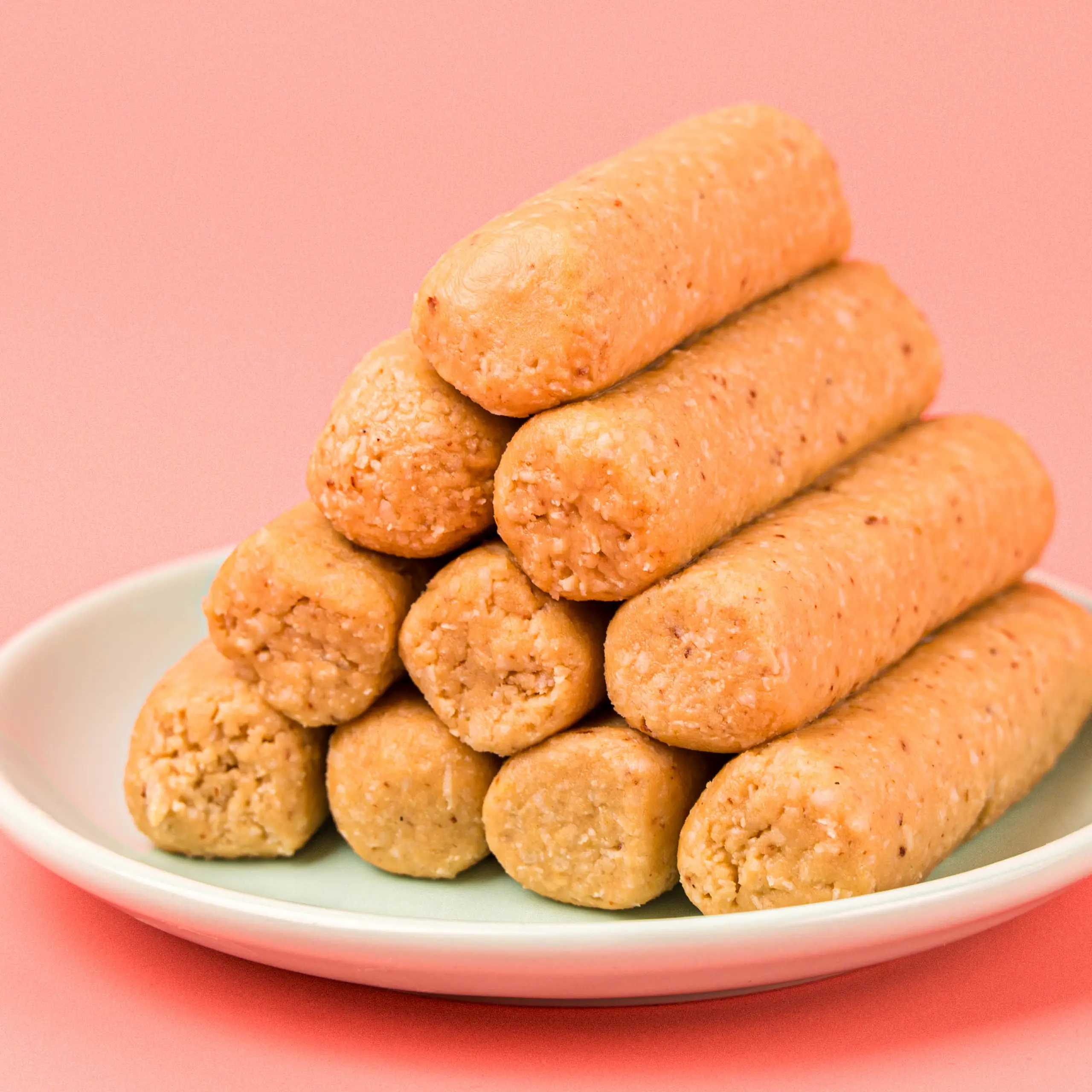
Take a small portion of the prepared mixture and scoop it into the palm of your hand. Gently press and shape it using both hands, applying light and even pressure to help the ingredients hold together. Continue rolling and molding the mixture until it forms a smooth, long, tube-like shape of your desired size. Repeat the process with the remaining mixture, making each piece as uniform as possible to ensure even cooking and an attractive presentation.

Step 5

Once the preparation is complete, the dish can be served immediately while it is fresh and at its best. If preferred, allow it to rest for several minutes before serving to give the ingredients more time to blend together, resulting in a more balanced and well-developed flavor. After resting, arrange the finished dish on a serving plate and enjoy it as a snack or dessert.


PHOTO: ZOE TAPALGO
Alexander Villarante

Alexander Villarante

Food Editor

Alexander Villarante studied culinary arts in the Singapore Boston Business School and has over 15 years of experience working in luxury five-star hotels abroad. He competed in the Philippine Culinary Cup where he bagged several citations.

Frequently Asked Questions

It may have too much rice flour or not enough coconut. Adding a bit more toasted coconut or a small amount of coconut milk can help.

Traditionally, baye-baye is mildly sweet. The focus is more on the toasted coconut flavor than on sugar.

Yes. Some variations include: Crushed peanuts, sesame seeds, or a pinch of salt for balance.

0 0 votes
Total of Ratings
guest
Rating
Ratings for Article
0 Comments
Oldest
Newest Most Voted

To provide a customized ad experience, we need to know if you are of legal age in your region.

By making a selection, you agree to our Terms & Conditions.