
Advertisement
Advertisement

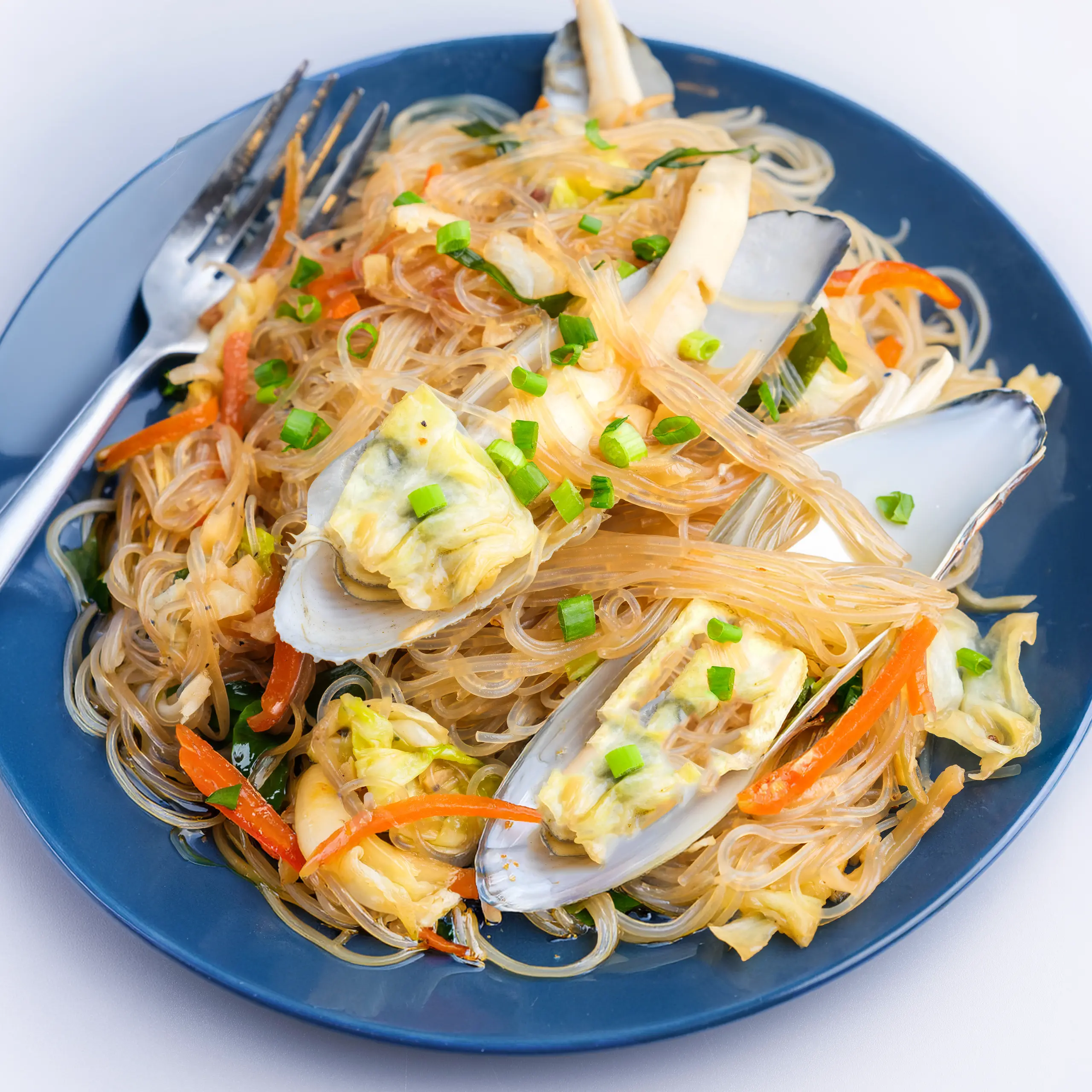
Diwal with Sotanghon Recipe

Upgrade your usual noodle dish with this rare, heavenly shellfish
PHOTO: ED SIMON
YIELDS:
3 SERVING(S)
Prep Time:
10 MINS
Total Time:
25 MINS
Cal/Serv:
757

Nutritional Information

Calories 758 kcal
Fat 18 g
Saturated fat 2 g
Trans fat 0 g
Cholesterol 70 mg
Sodium 2518 mg
Carbohydrates 96 g
Fiber 6 g
Sugar 7 g
Protein 50 g
Vitamin D 0 µg
Calcium 167 mg
Iron 6 mg
Potassium 665 mg

Note: The information shown is Edamam's estimate based on available ingredients and preparation. It should not be considered a substitute for a professional nutritionist's advice.


Diwal, also known as angel wing clams, is a prized delicacy in the Philippines, particularly in coastal areas like Capiz, often referred to as the “Seafood Capital of the Philippines.” Pairing diwal with sotanghon (glass noodles) creates a comforting dish that reflects the country’s love for seafood and noodle-based meals, commonly served during gatherings or as a hearty everyday ulam.

A favorite ingredient in many Filipino dishes, sotanghon is typically stir-fried with chicken and vegetables like cabbage and carrots, or served as a comforting soup with the same ingredients. This version stands out by featuring diwal, a seasonal delicacy from the Visayas.

The angel wing clams are the perfect complement to a classic sotanghon dish, allowing their delicately sweet flavor to shine while the noodles absorb the rich, briny clam juices.

Advertisement

What is sotanghon?

Sotanghon is also known as vermicelli, glass or cellophane noodles. Uncooked, it is dry, thin, and opaque, but it turns almost-transparent (hence, “glassy”) and slippery when cooked. Made of mung bean starch, it absorbs flavors well, making it a favorite ingredient in many Filipino dishes.

Recipe Tip

Preparing the diwal

Diwal (or angel wing clams) often contain sand. To clean them, soak in salted water (“as salty as seawater”) for 20 to 30 minutes. Change the water once or twice if they’re very sandy. Rinse the shells gently; avoid scrubbing too hard, as they are fragile. You may also trim the edges or remove any tough parts around the clams.

These seasonal delicacies cook quickly—about 3 to 5 minutes max—so be careful not to overcook them, as this can make them chewy and rubbery.

Preparing the sotanghon

Sotanghon (vermicelli) noodles need to be soaked in warm water before use. Place them in a bowl of warm water and soak for about 10 minutes. This helps them cook evenly, prevents clumping, and keeps them from absorbing too much liquid in the dish. Pre-soaking also ensures a springy texture instead of a mushy one.

Advertisement

Substitutions & Alternatives

For a low-carb version, you can replace sotanghon with Japanese shirataki noodles. Made from konjac yam, shirataki noodles are gluten-free and ideal for those watching their carb and sugar intake. They are typically sold in packed in liquid, so be sure to drain them well before using.

Shirataki noodles also cook quickly. If using them in place of sotanghon, cook the cabbage and carrots first, then add the noodles to avoid overcooking. Overcooked shirataki can become mushy, rubbery, or even fall apart.

Ingredients

  • 300 Gram vermicelli noodles
  • 700 Gram angel wing clam (diwal)
  • 3 Tablespoon cooking oil
  • 4 Clove garlic, minced
  • 1 Medium onion, sliced
  • 1 Small thumb-sized ginger, minced
  • 1.5 Cup water or seafood stock
  • 2 Tablespoon oyster sauce
  • 2 Tablespoon soy sauce
  • 1 Teaspoon fish sauce
  • 0.5 Cup cabbage, sliced
  • Cup carrots, julienned
  • 0.25 Cup spring onion for garnish
  • salt and pepper to taste
Keep screen awake

Directions

Step 1

Place the vermicelli noodles in a bowl and cover with warm water. Let them soak for about 10 minutes, or until they soften. Drain well and set aside. Soaking first ensures the noodles cook evenly without breaking apart.

Step 2

Clean the diwal. Make sure to scrub the clam shell really well to remove any sand which may leave an unpleasant texture in your dish. Rinse off any shells or impurities under running water so it’s ready for cooking.

Step 3

Pour 3 tablespoons of cooking oil into a large pan or wok over medium heat. Add the minced garlic, chopped onions, and sliced ginger. Sauté for a few minutes until fragrant—this will be the foundation of your dish.

Step 4

Add the cleaned diwal to the pan and cook briefly, just until it turns opaque. Seafood cooks quickly, so a short cooking time keeps it tender.

Step 5

Pour in chicken or seafood stock and bring to a gentle simmer. Stir in oyster sauce, soy sauce, and a splash of fish sauce. These seasonings add depth, umami, and a slightly savory-sweet flavor to the noodles.

Step 6

Add the drained vermicelli noodles to the pan. Stir gently to combine and let the noodles absorb the flavorful liquid. This step makes the noodles soft, silky, and infused with all the delicious flavors.

Step 7

Toss in thinly sliced cabbage and carrots. Cook just until tender but still slightly crisp—this adds color, texture, and freshness to the dish.

Step 8

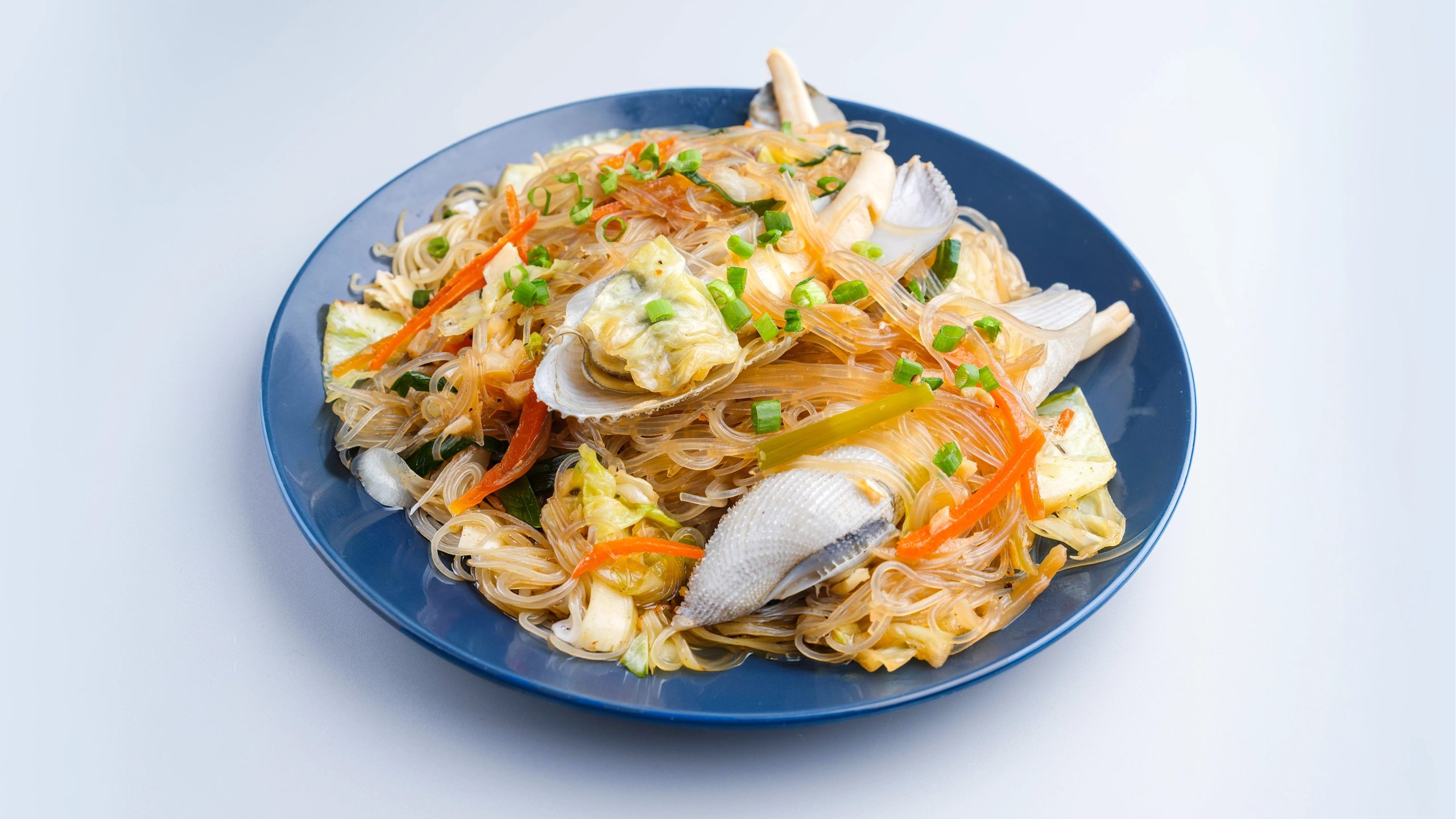
Season with freshly ground black pepper to taste. Finally, garnish with chopped spring onions for a fresh, vibrant touch.

PHOTO: ED SIMON

Frequently Asked Questions

It’s light yet flavorful—slightly sweet from the clams, savory from garlic and broth, and satisfying thanks to the soft, slurpable sotanghon noodles.

Rinse thoroughly in running water and soak briefly to remove sand. Some cooks also trim dark edges or remove any tough parts before cooking.

Yes. You can use other shellfish like clams (halaan), mussels (tahong), or even shrimp. The flavor will be different but still delicious.

It’s best eaten fresh, but leftovers can be stored in the fridge for up to 1–2 days. Reheat gently and add a bit of water or broth if needed.

It’s great on its own, but you can pair it with steamed rice, calamansi on the side, or even a light vegetable dish.

0 0 votes
Total of Ratings
guest
Rating
Ratings for Article
0 Comments
Oldest
Newest Most Voted
Inline Feedbacks
View all comments
Advertisement

To provide a customized ad experience, we need to know if you are of legal age in your region.

By making a selection, you agree to our Terms & Conditions.