Advertisement
Advertisement

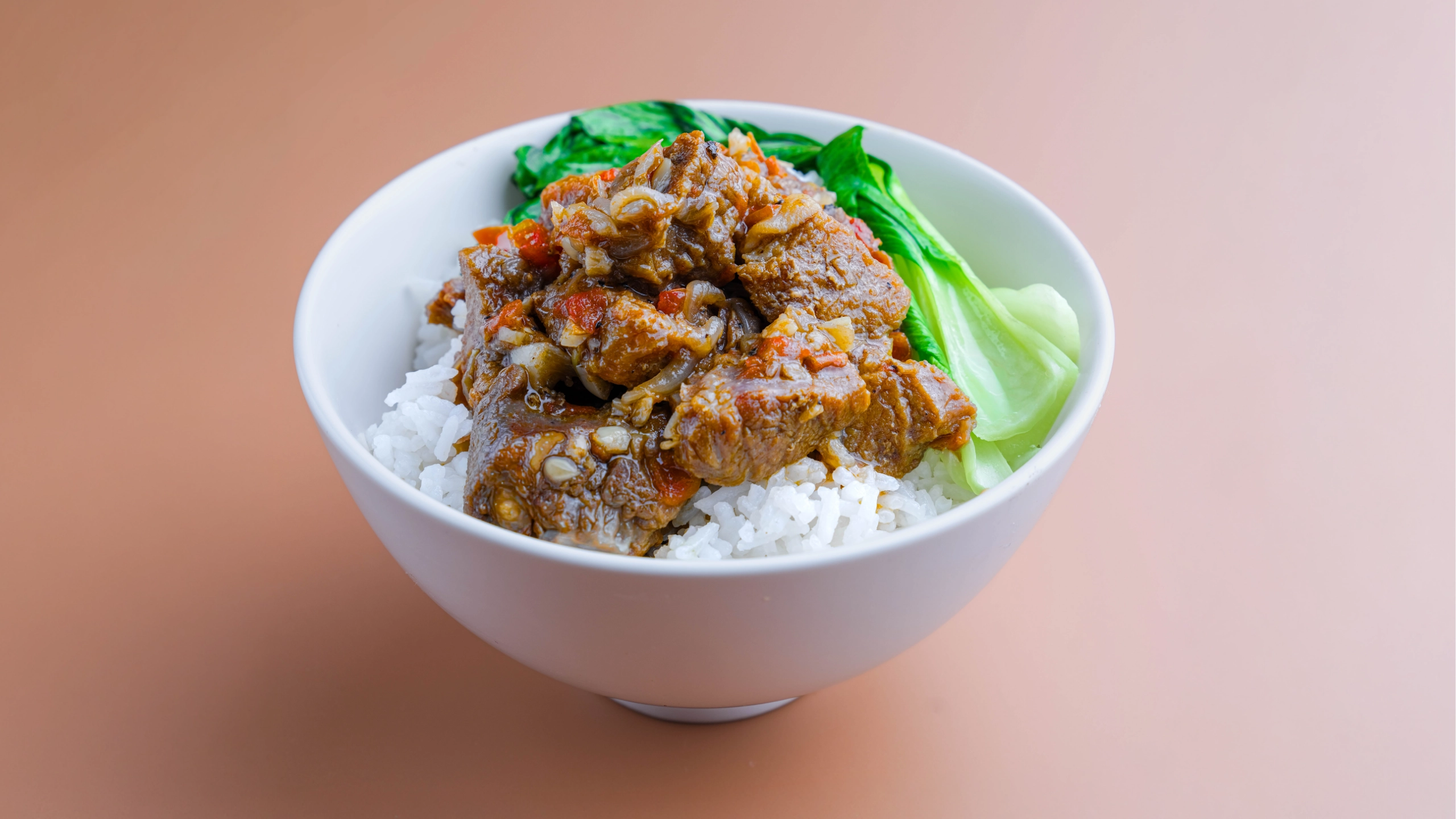
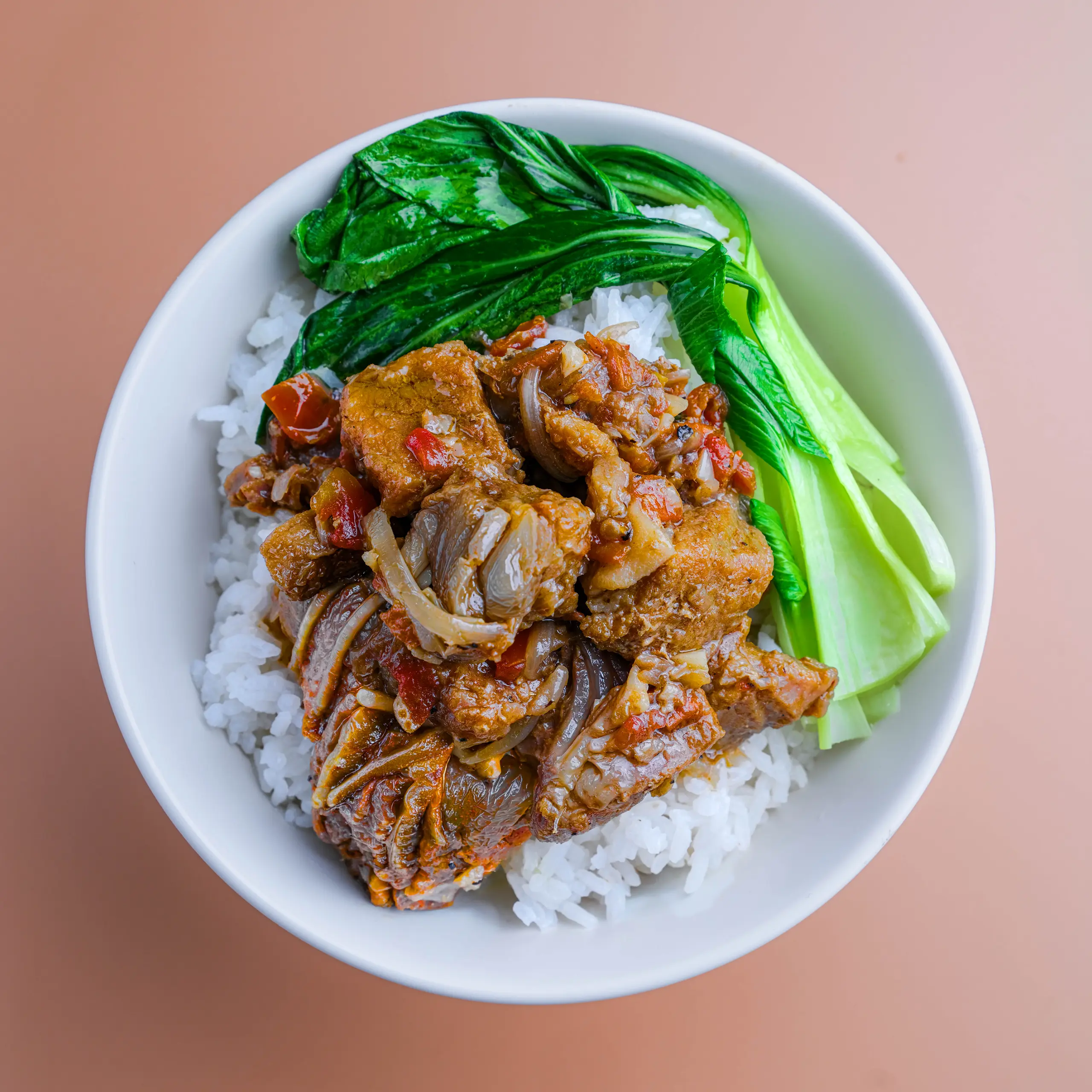
Beef in Ginamos Recipe (Beef Stew With Fermented Fish Paste)

Get that steaming bowl of rice ready for this fresh take on a beloved Pinoy dish.
PHOTO: ED SIMON
YIELDS:
3 SERVING(S)
Prep Time:
15 MINS
Total Time:
1 HR
Cal/Serv:
529

Nutritional Information

Calories 529 kcal
Fat 23 g
Saturated fat 6 g
Trans fat 1 g
Cholesterol 180 mg
Sodium 262 mg
Carbohydrates 20 g
Fiber 4 g
Sugar 12 g
Protein 64 g
Vitamin D 1 µg
Calcium 188 mg
Iron 7 mg
Potassium 1748 mg

Note: The information shown is Edamam's estimate based on available ingredients and preparation. It should not be considered a substitute for a professional nutritionist's advice.

Ginamos, which means “preserved” in Cebuano, is the term used in the southern parts of the country for fermented fish (usually anchovies), while bagoong is the broader Filipino term, referring to fermented shrimp (alamang) or fish in Luzon.

Usually served as a dipping sauce or condiment, this Beef in Ginamos recipe uses this Visayan product as a flavor base for one of the well-loved Filipino dishes, binagoongan.

Recipe tips

  • Sear and brown the beef a bit to lock in flavor and add a nice caramelization to the meat.
  • If you’re not a fan of spicy food, you can omit the red bird’s eye chili. But take note that the addition of the siling labuyo adds a layer flavor and cuts the salty richness of the bagoong and ginamos.

Serve this with

  • While perfect on its own, you can serve this with a side of blanched green leafy vegetables like bokchoy or native pechay. Grilled eggplant also works!
  • Hot bowl of rice!

Ingredients

  • 2 Tablespoon cooking oil
  • 4 Clove garlic, minced
  • 1 Medium onion, chopped
  • 2 Medium tomatoes, chopped
  • 2 Piece red bird's eye chili (siling labuyo), chopped
  • 800 Gram beef chuck, cut into cubes
  • 0.5 Cup water (add if needed)
  • 1 Tablespoon fermented shrimp paste (bagoong)
  • 3 Tablespoon fermented small fish (ginamos)
  • 1 Tablespoon sugar (optional)
  • Salt and pepper, to taste
  • 2 Piece bok choy, blanched
Keep screen awake

Directions

Step 1

In a large pan or pot over medium heat, pour oil. When warm, add minced garlic and chopped onions, and sauté until the onions are soft and translucent and the garlic becomes fragrant.

Step 2

Add chopped fresh tomatoes and red chili to the pan. Cook for a few minutes until they softened and broken down into a saucy consistency.

Step 3

Add beef pieces to the pan. Let them brown slightly on all sides. This step locks in the flavor and gives your beef a nice, savory depth.

Step 4

Pour enough water to partially cover the beef. Cover the pot and let it simmer gently for 1 hour, or until the beef becomes tender. Stir occasionally and check the water level to make sure it doesn’t dry out.

Step 5

Once the beef is tender, stir in bagoong (fermented shrimp paste) and ginamos (fermented fish paste). This adds a rich, umami depth that makes the dish truly savory. Then add sugar for sweetness.

Step 6

Continue to cook uncovered until the sauce thickens and becomes slightly oily, coating the beef beautifully. This concentrated sauce is packed with flavor.

Step 7

Serve hot with steamed rice and blanched bok choy.

BEEF GINAMOS DELICIOUS TENDER
PHOTO: ED SIMON

Frequently Asked Questions

While both are fermented, Ginamos is specifically a Visayan fermented fish (usually anchovy) paste, whereas regular Bagoong often refers to the shrimp-based alamang found in Luzon. In this recipe, using both creates a complex layering of umami; however, if you cannot find Ginamos, you can use a Filipino fish-based bagoong (bagoong isda) as a substitute. Keep in mind that Ginamos has a more rustic, intense saltiness, so always taste before adding any additional salt to the pot.

The secret to tender beef is a slow, gentle simmer over low-medium heat rather than a rapid boil, which can toughen the muscle fibers. In Step 4, ensure the water partially covers the meat and keep the pot covered to trap moisture and heat effectively. If the liquid reduces before the beef is “fork-tender,” simply add half a cup of warm water at a time to maintain the braising environment until the desired texture is achieved.

Adding the Ginamos and Bagoong in Step 5, after the beef is already tender, prevents the fermented proteins from becoming bitter or over-concentrated during the long braising hour. This timing allows the pastes to infuse the meat with fresh umami notes while the final uncovered simmer (Step 6) reduces the sauce into a rich, oily glaze. This “naglana” stage, where the oil separates from the paste, is the hallmark of a perfectly cooked Filipino fermented dish.

Because Ginamos is a preserved ingredient with high sodium content, it is easy to over-season the dish; the addition of sugar in Step 5 is the primary way to counteract this saltiness. If the dish still feels too sharp, you can add more chopped tomatoes or a splash of coconut milk to mellow the intensity. Avoid adding any salt during the initial browning of the beef, as the fermented pastes added later will provide all the salinity the dish requires.

For a rich, melt-in-your-mouth texture, choose beef brisket, chuck roast, or short ribs, as these cuts contain enough connective tissue and fat to stand up to the long simmering time. These “stewing meats” break down beautifully, releasing gelatin that helps thicken the Ginamos sauce into a savory coating. Leaner cuts like sirloin or round should be avoided, as they will become dry and stringy during the hour-long braising process required to develop the deep flavors.

0 0 votes
Total of Ratings
guest
Rating
Ratings for Article
0 Comments
Oldest
Newest Most Voted
Inline Feedbacks
View all comments
Advertisement

To provide a customized ad experience, we need to know if you are of legal age in your region.

By making a selection, you agree to our Terms & Conditions.