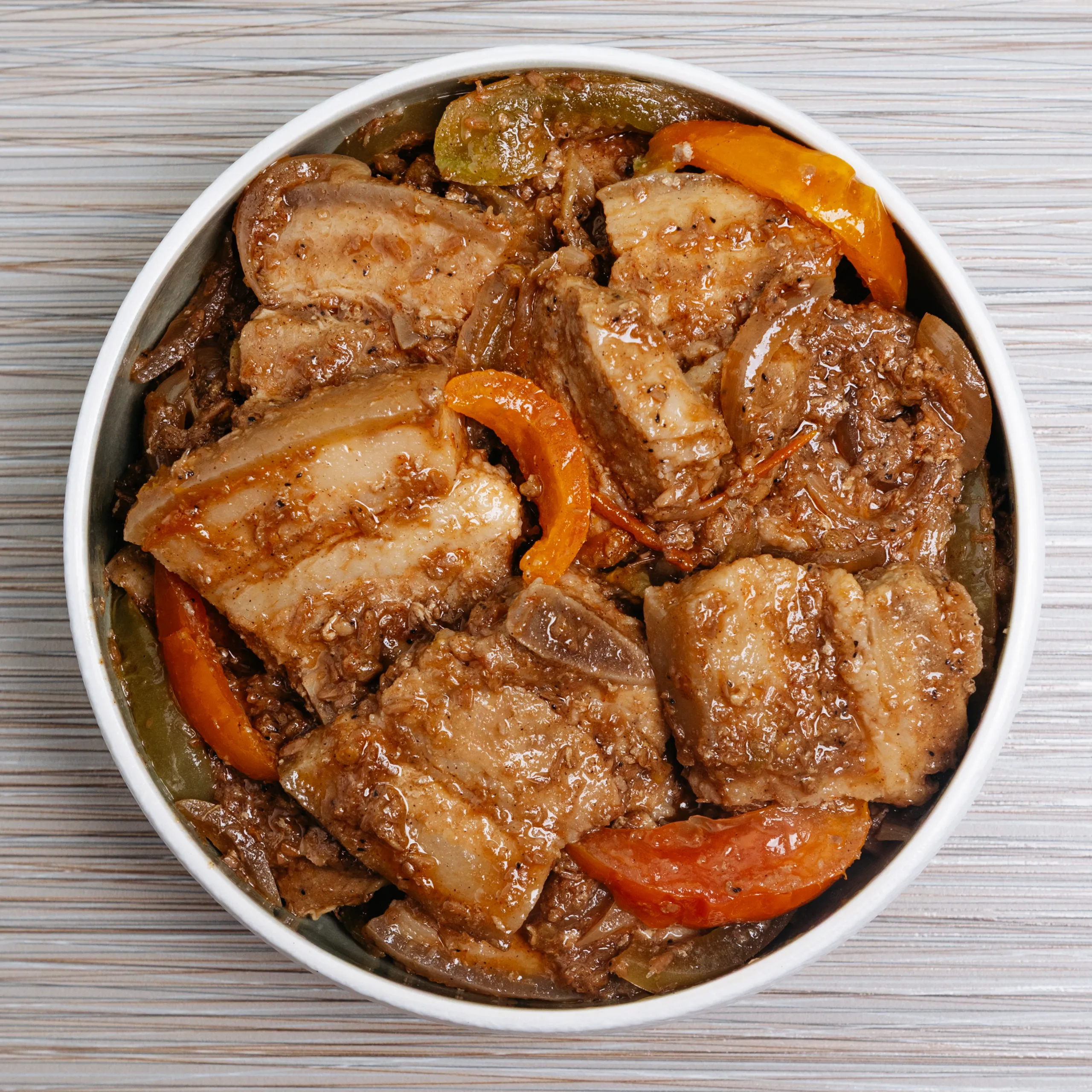


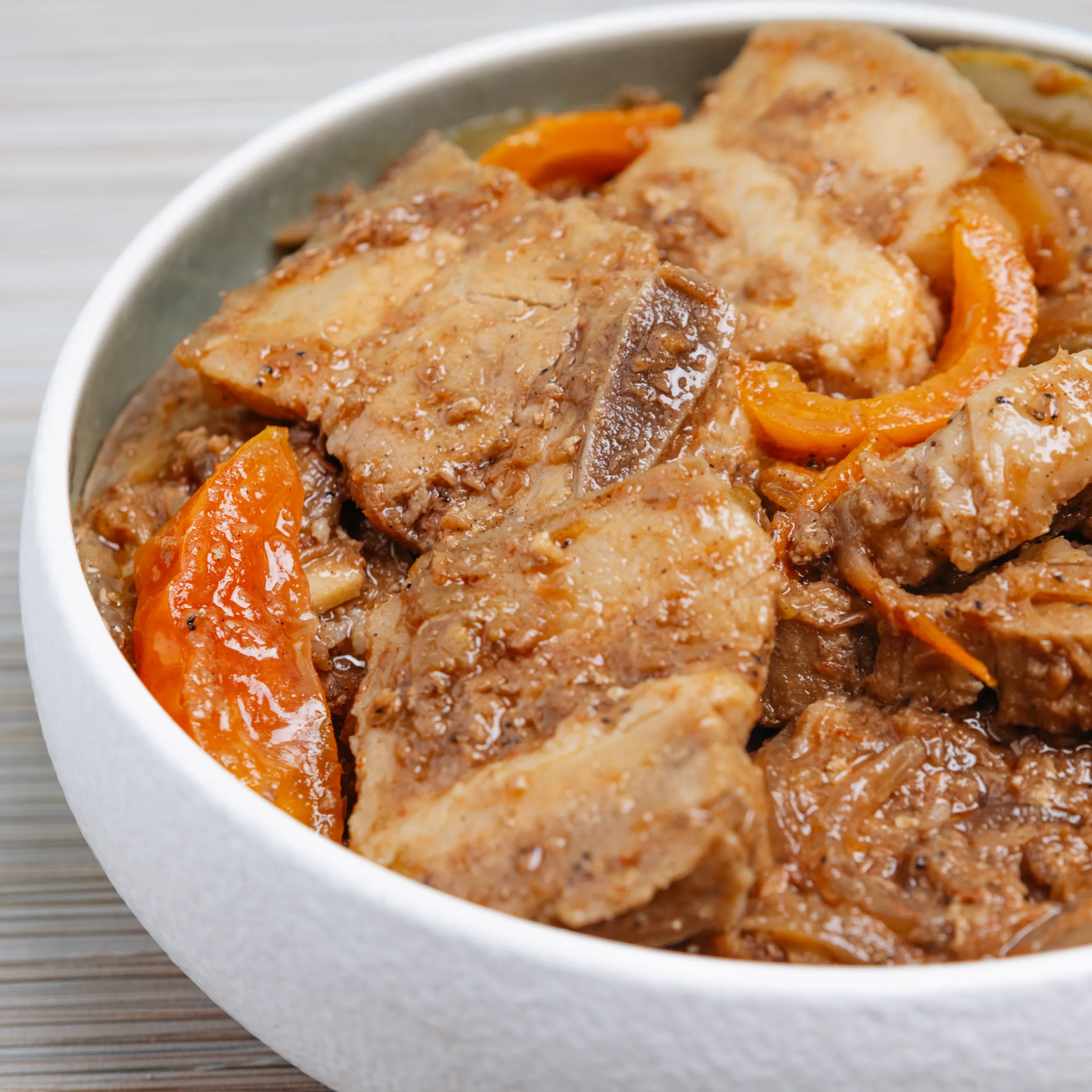
Binagoongang Baboy is a beloved Filipino pork dish that perfectly showcases the rich, bold flavors of bagoong or fermented shrimp paste. Made with tender slices of pork simmered in a savory mixture of garlic, onions, tomatoes, and shrimp paste, this classic recipe is known for its delicious balance of salty, umami, and slightly tangy flavors. Despite its simple ingredients, Binagoongang Baboy delivers a hearty and satisfying meal that’s perfect for both everyday family dinners and special occasions.
Every Filipino family has its own version of Binagoongang Baboy. Some prefer it dry with crispy pork edges, while others enjoy it with a rich, flavorful sauce that’s perfect for pouring over hot steamed rice. This recipe highlights the natural flavors of the pork while allowing the bagoong to shine without becoming overpowering. Fresh tomatoes help mellow the saltiness, while garlic, onions, and ginger add layers of aroma and depth.
One of the best things about this dish is how easy it is to prepare. Using only a handful of pantry staples, you can create a comforting meal that tastes like it has been simmering for hours. It’s also incredibly versatile—you can add vegetables like eggplant, sitaw (string beans), or green chilies to make it even more filling and nutritious.
Whether you’re looking for a traditional Filipino pork recipe or simply craving something rich and flavorful, this homemade Binagoongang Baboy is sure to become one of your go-to comfort food dishes. Pair it with freshly cooked rice, and you’ll have a meal that’s simple, satisfying, and packed with authentic Filipino flavors.
Recipe Tips
- Use pork belly with a good balance of meat and fat for the most tender and flavorful results.
- Cook the bagoong for a few minutes before adding the pork to develop a richer, less pungent flavor.
- Fresh tomatoes naturally soften the saltiness of the shrimp paste while adding a slight sweetness.
- Simmer over low heat to allow the pork to become tender without drying out.
- Taste before seasoning, as different brands of bagoong vary in saltiness.
- For a richer dish, allow the pork to cook until some of the fat renders and lightly caramelizes.
- Add sliced green chilies or bird’s eye chilies if you enjoy a spicy version.
- Eggplant, okra, sitaw (string beans), or kangkong are delicious vegetable additions that stretch the dish and add more nutrition.
- If the sauce becomes too salty, add a little water and a few more tomatoes to help balance the flavors.
- Like many Filipino stews, Binagoongang Baboy often tastes even better the next day after the flavors have had time to meld.
Ingredient Substitutions
Pork Belly (Liempo)
You can substitute pork shoulder, pork kasim, or pork ham if you prefer a leaner cut. Chicken thighs also work well for a lighter variation.
Bagoong (Fermented Shrimp Paste)
Use either sautéed or regular bagoong. If using regular bagoong, cook it a little longer to develop its flavor. For a seafood twist, crab paste can also be used.
Tomatoes
Canned diced tomatoes or tomato puree can be used if fresh tomatoes are unavailable, although fresh tomatoes provide a brighter flavor.
Ginger
If you don’t enjoy the taste of ginger, you can reduce the amount or omit it, though it helps balance the richness of the pork.
Cooking Oil
Any neutral oil, such as vegetable, canola, or corn oil, works well.
Water
Beef or pork broth can replace water for a deeper, more savory sauce.
Optional Ingredients for Different Versions
Although this recipe is intentionally simple, Binagoongang Baboy is a dish that can be customized.
For a spicy version, add sliced long green chilies or red chilies. The heat works particularly well with the salty richness of the bagoong.
For a slightly sweet-and-savory version, a small amount of brown sugar can be added. This is especially useful if your bagoong is particularly salty.
Some versions include vinegar. If you enjoy a sharper flavor, a small amount can add acidity and balance the richness of the pork. If using vinegar, allow it to cook briefly rather than immediately stirring it aggressively into the dish.
You can also add vegetables such as eggplant or bitter melon depending on your preferred variation.
These additions are not necessary for this recipe, but they demonstrate how adaptable Filipino home cooking can be.
Understanding the Food
The word binagoongan essentially indicates that bagoong is a central part of the preparation. It is not simply a seasoning added at the very end. The fermented shrimp paste becomes part of the sauce and gives the pork its characteristic flavor.
Bagoong is an example of how fermentation can dramatically change an ingredient. Fresh shrimp has a relatively delicate flavor, but after fermentation and salting, it develops an intense savory quality with a strong aroma and significant umami.
That intensity explains why bagoong is usually used carefully. A little can add enormous depth, while too much can overpower everything else.
Pork belly provides the opposite quality. It is rich, fatty, and relatively mild compared with bagoong. The fat helps carry flavor throughout the dish and softens the sharp saltiness of the fermented shrimp paste.
Tomatoes contribute acidity, sweetness, and moisture. As they cook down, they help create a sauce that brings the pork and bagoong together.
Onions add natural sweetness and aroma, while garlic provides another layer of savory flavor.
Ginger plays a slightly different role. Its fresh, aromatic character helps keep the dish from tasting too heavy. It is particularly useful when cooking rich pork with strongly flavored fermented ingredients.
The finished dish is therefore an exercise in balance: rich pork, salty fermented shrimp, sweet and acidic tomatoes, aromatic garlic and onion, and fresh ginger.
Health Benefits of the Ingredients
Binagoongang Baboy can provide useful nutrients, but because it uses pork belly and fermented shrimp paste, it is best enjoyed as part of a balanced diet rather than considered a low-fat or low-sodium dish.
Pork provides high-quality protein, which is important for maintaining muscles and supporting many functions in the body. Pork also contains nutrients such as vitamin B1, selenium, zinc, and other B vitamins. Pork belly, however, is a relatively fatty cut, so it contains more calories and saturated fat than leaner pork cuts.
Garlic contains sulfur-containing compounds and provides small amounts of vitamin C, vitamin B6, and manganese. Its strongest nutritional interest comes from its naturally occurring plant compounds.
Onions provide fiber and various antioxidant plant compounds. They also contain compounds associated with the allium family of vegetables.
Ginger contains naturally occurring compounds such as gingerols. Ginger has been widely studied for its potential antioxidant and digestive effects. In this dish, however, it is used primarily for its distinctive flavor and aroma.
Tomatoes are a valuable source of vitamin C, potassium, and the antioxidant lycopene. Cooking tomatoes helps make their flavor richer and can increase the availability of lycopene.
Shrimp paste contains protein and minerals because it is made from seafood, but its biggest nutritional consideration is its sodium content. Fermentation and salting contribute significantly to its salty flavor, so the amount used should be considered when planning the rest of the meal.
Health Considerations and Making It Lighter
If you want to make Binagoongang Baboy somewhat lighter, the easiest adjustment is to change the pork cut.
Instead of using only pork belly, you can use a leaner cut such as pork shoulder with some visible fat trimmed away. This will reduce the overall fat content while still giving you tender meat.
You can also increase the amount of tomatoes or add vegetables such as eggplant, green beans, or leafy vegetables. This adds volume and nutrients without relying entirely on pork.
Another important adjustment is controlling the amount of bagoong. Because bagoong can be very salty, using the smallest amount that gives you the flavor you enjoy can help reduce the sodium content.
If you are serving the dish with rice, you can also balance the meal with a generous portion of vegetables and a moderate serving of rice.
For anyone who needs to follow a low-sodium diet, it is particularly important to be cautious with bagoong and other salty condiments.
How to Balance the Flavor
The key to excellent Binagoongang Baboy is balance. The finished dish should taste intensely savory, but it should not simply taste like salt.
If the dish is too salty, add more unsalted liquid and ingredients, such as tomatoes or a little water. Increasing the amount of pork or vegetables can also help spread the seasoning across a larger quantity of food.
If it tastes too rich, additional tomato can provide acidity and freshness.
If the bagoong flavor is too strong, a little sugar can help soften its intensity. A small amount of acidity from vinegar or tomatoes can also make the flavor feel more balanced.
If it tastes too mild, you can add more bagoong gradually. Remember that it is easier to increase the seasoning than to remove it.
For a more complex version, a little chili can provide heat that cuts through the richness of the pork.
The goal is to create a sauce where you can taste the bagoong clearly while still being able to appreciate the pork, tomatoes, garlic, onion, and ginger.
Serving Suggestions
Binagoongang Baboy is practically made for steamed white rice. The rice provides a neutral base for the rich and salty sauce and helps balance the intensity of the bagoong.
Because the dish is already bold, simple side dishes work particularly well. Fresh tomatoes, cucumber, or lightly cooked vegetables can provide freshness and contrast.
For a more traditional Filipino-style meal, serve the pork alongside plenty of rice and a simple vegetable dish. A little fresh chili on the side can also be enjoyable for those who like heat.
If you are serving it to guests who are unfamiliar with bagoong, you may want to mention that the dish has a strong fermented seafood flavor. Its aroma can be quite powerful, but for people who enjoy fermented foods, that intensity is often exactly what makes it appealing.
Final Words
Binagoongang Baboy is a dish that proudly embraces bold Filipino flavors. It does not try to hide the strong character of fermented shrimp paste. Instead, it builds an entire dish around it and balances that intensity with rich pork, sweet tomatoes, fragrant garlic and onion, and warming ginger.
What makes it particularly interesting is the way fermentation transforms a simple ingredient into something incredibly flavorful. Bagoong brings saltiness and umami, while the pork provides richness and tenderness. The tomatoes add brightness, and the aromatics keep the dish from becoming one-dimensional.
It is also a reminder that Filipino cuisine has always been creative and practical. Fermentation helped preserve food, but it also created flavors that became deeply woven into Filipino cooking traditions.
At the dining table, Binagoongang Baboy is not a shy dish. It is rich, aromatic, savory, and unapologetically flavorful. And when that sauce meets a spoonful of warm rice, the combination becomes difficult to resist.
In the end, Binagoongang Baboy is more than pork cooked with shrimp paste. It is a celebration of Filipino comfort food and the remarkable flavors that can come from fermentation, patience, and simple home-cooked ingredients. Whether you keep the recipe traditional or add your own touch of chili, sweetness, vegetables, or acidity, the heart of the dish remains the same: tender pork wrapped in the deep, savory character of bagoong.