
Advertisement

Pinakuluang Gulay with Bagoong Recipe (Boiled Vegetables with Bagoong)

PHOTO: ED SIMON
YIELDS:
3 SERVING(S)
Prep Time:
10 MINS
Total Time:
20 MINS
Cal/Serv:
74

Nutritional Information

Calories 222 kcal
Fat 2 g
Saturated fat 0 g
Trans fat 0 g
Cholesterol 17 mg
Sodium 45 mg
Carbohydrates 43 g
Fiber 20 g
Sugar 24 g
Protein 15 g
Vitamin D 1 µg
Calcium 170 mg
Iron 2 mg
Potassium 1953 mg

Note: The information shown is Edamam's estimate based on available ingredients and preparation. It should not be considered a substitute for a professional nutritionist's advice.

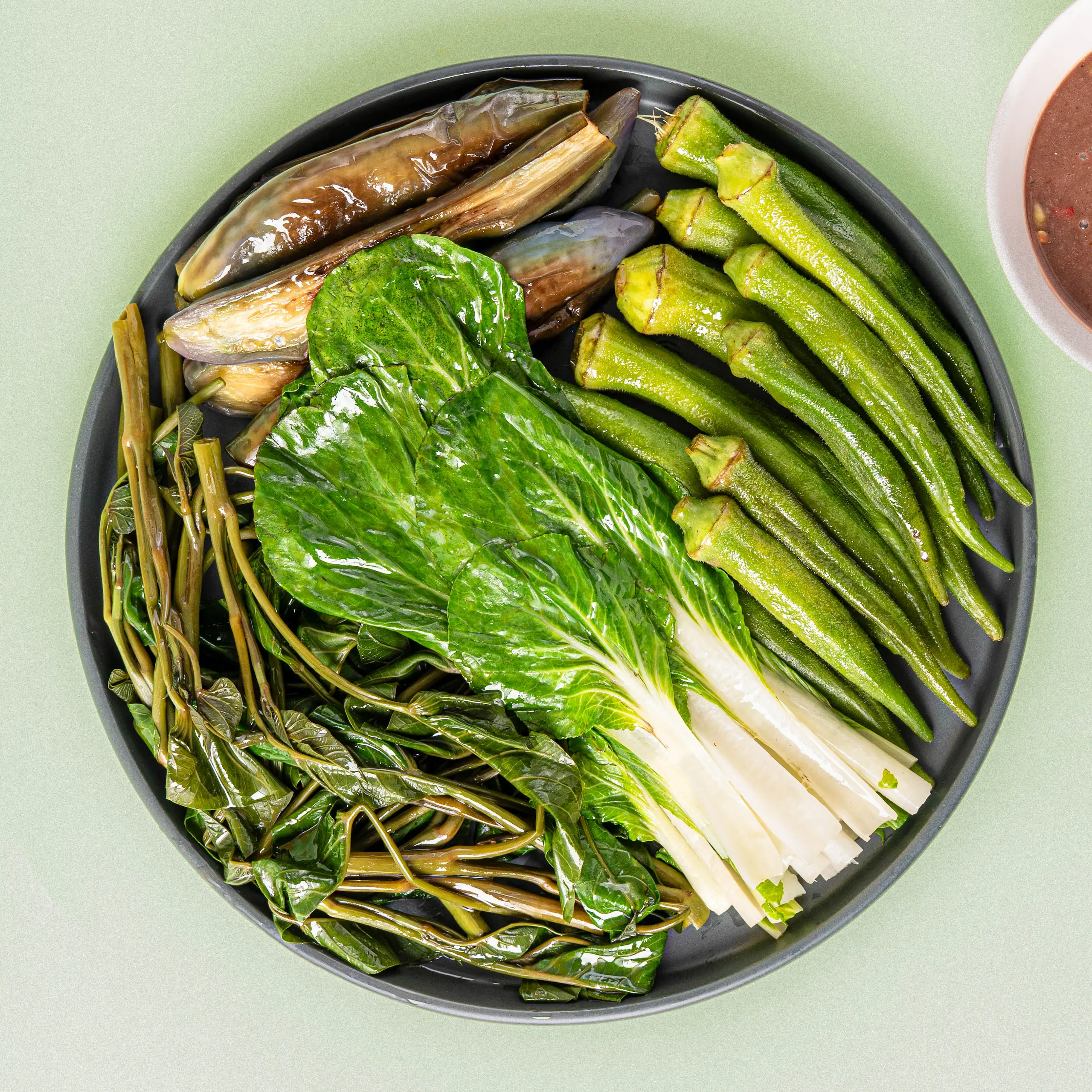
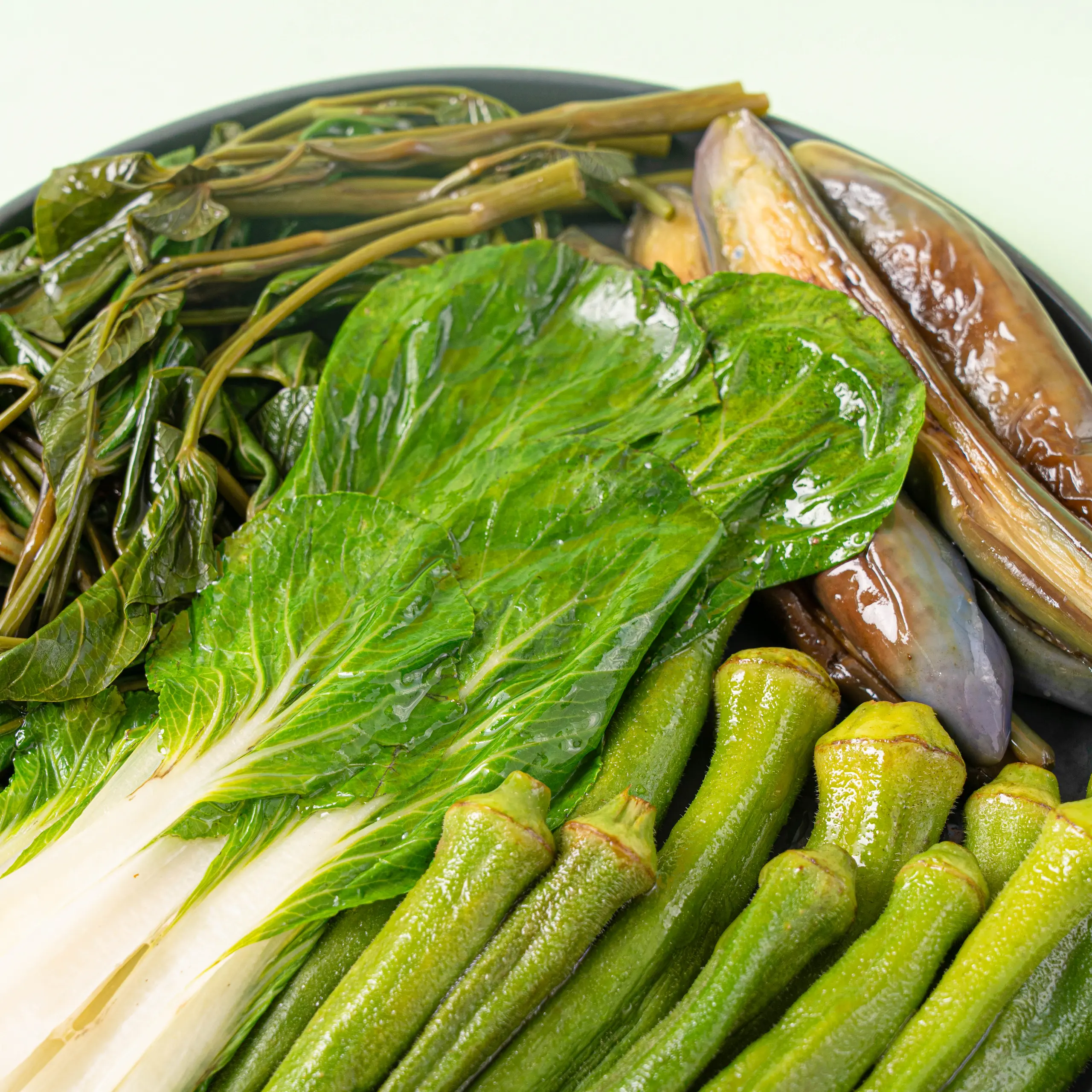
Pinakuluang Gulay with Bagoong is a simple yet nourishing Filipino vegetable that highlights the natural flavors of fresh, seasonal produce. Commonly made with eggplant, okra, string beans, and leafy greens, the vegetables are boiled just until tender, allowing their natural sweetness and earthy flavors to shine.

What brings the dish to life is the bagoong, traditionally served on the side as a dipping sauce, typically bagoong alamang (fermented shrimp paste) or bagoong isda (fermented fish paste), which adds a salty, umami-rich contrast to the vegetables. Often served as a side dish or as part of a traditional Filipino meal, pinakuluang gulay with bagoong reflects the Filipino appreciation for clean, straightforward cooking and the balance of fresh and fermented flavors.

Recipe Tips

Start with enough water and salt. Use plenty of water so the vegetables cook evenly. A pinch of salt is optional, but can help enhance the vegetables’ natural flavor and maintain the color of leafy greens. Keep the water boiling—but not violently. A steady boil cooks evenly. Too aggressive boiling can break vegetables apart.

Substitutions

If you want to add more variety, you can also add ampalaya, talbos ng kamote (sweet potato leaves) or sitaw (yardlong string beans). Fresh singkamas is also a good option to add and requires no cooking.

What to serve this with

This dish is served best with some grilled or fried fish, which adds a protein component that complements these vegetables.

Ingredients

  • 1 Stalk native pechay
  • 0.5 Bundle kangkong
  • 3 Large eggplant, sliced in half and fried in a little oil
  • 15 Piece okra (lady’s fingers)
  • 0.5 Cup bagoong isda (fermented fish paste)
  • 2 Piece calamansi
  • 2 Piece red’s eye chili, chopped
Keep screen awake

Directions

Step 1

Prepare the vegetables. Wash the okra, kangkong, and pechay. Trim the edges as needed.

Step 2

Heat some oil in pan and fry the eggplant until tender and lightly browned. Set aside.

Step 3

Bring a pot of water to a boil. Add the okra first and cook for about 2 to 3 minutes.

Step 4

Add remaining the vegetables one at a time, and cook for 1 to 2 minutes until just slightly wilted. Turn off the heat, drain the vegetables well and transfer to a serving plate. Arrange the fried eggplant alongside or on top.

Step 5

Prepare the bagoong dip. In a small bowl, combine the fermented fish paste (bagoong), calamansi juice, and chopped red chilies. Mix well. Adjust the taste, adding more calamansi for acidity, if needed.

Step 6

Serve the vegetables warm with the bagoong dip on the side.

PHOTO: ED SIMON

Alexander Villarante

Recipe Developer

Alexander Villarante is a passionate culinary professional with more than 15 years of experience in the hospitality industry, having built his career in prestigious five-star luxury hotels abroad. He studied Culinary Arts at the Singapore Boston Business School, where he developed a strong foundation in both classical and modern culinary techniques. Throughout his career, he has worked alongside talented chefs from diverse cultural backgrounds, refining his skills and gaining extensive experience in creating exceptional dining experiences. His dedication to excellence has earned him recognition in the competitive culinary scene. Alexander participated in the Philippine Culinary Cup, where he received several citations for his creativity, technical expertise, and commitment to his craft. These achievements reflect his passion for continuous learning and his pursuit of culinary excellence.


Frequently Asked Questions

Common vegetables include eggplant, okra, squash, string beans, pechay, kangkong, and ampalaya. The dish is flexible and often uses whatever fresh, seasonal vegetables are available in Filipino home cooking.

The most commonly used is bagoong alamang (fermented shrimp paste). In some regions, bagoong isda (fermented fish paste) may also be used, but shrimp paste is the more widely used pairing for boiled vegetables.

No. Pinakuluang gulay refers to vegetables boiled in water, while steamed vegetables are cooked using steam without direct contact with water. Boiled vegetables tend to be softer, while steamed vegetables retain a firmer texture and more concentrated flavor.

0 0 votes
Total of Ratings
guest
Rating
Ratings for Article
0 Comments
Oldest
Newest Most Voted

To provide a customized ad experience, we need to know if you are of legal age in your region.

By making a selection, you agree to our Terms & Conditions.