


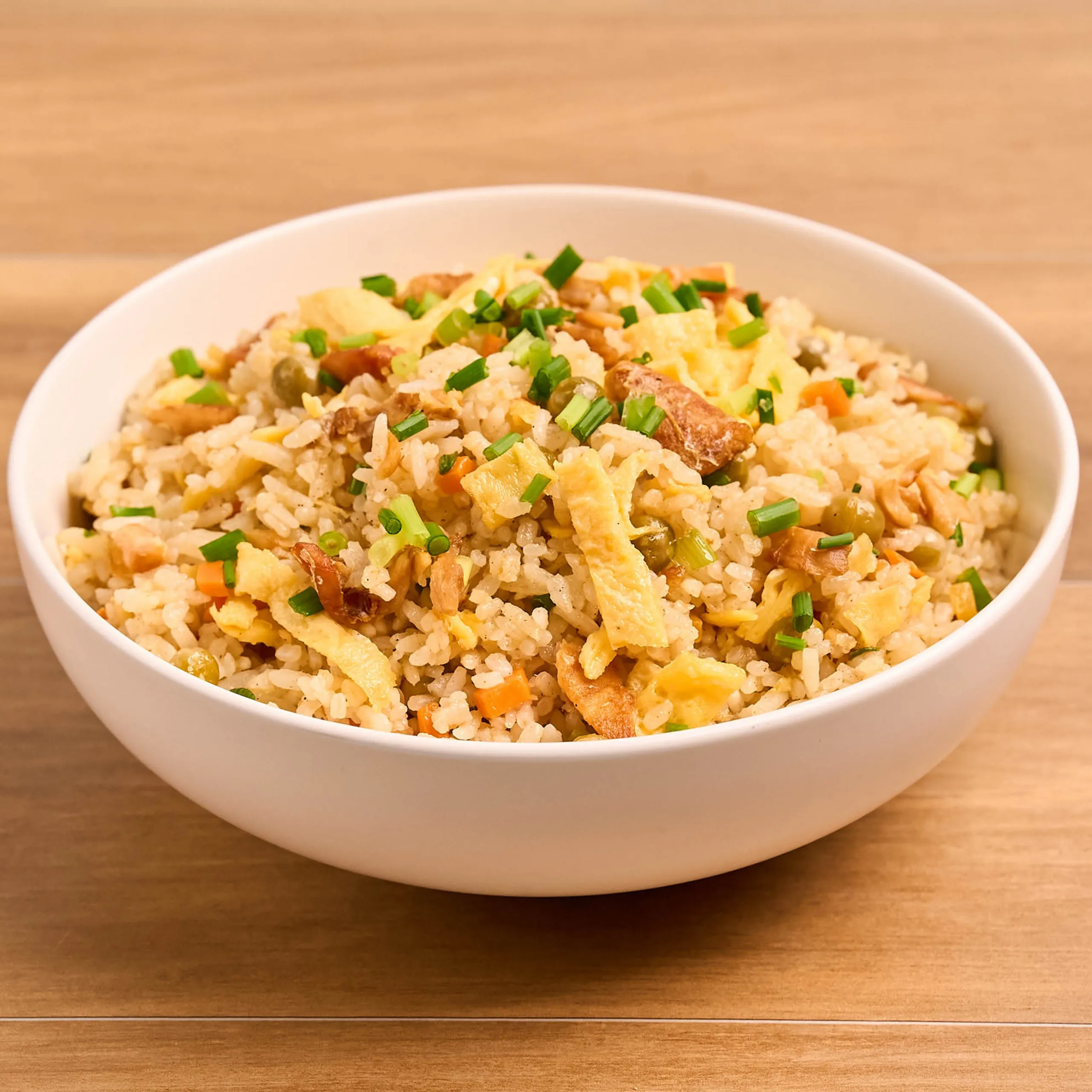
Fried Rice with Pinakas is a simple Filipino comfort dish that combines fragrant fried rice with the bold, savory flavor of pinakas, or salted and sun-dried fish. The fish is usually fried until lightly crisp, then flaked or chopped and mixed into rice along with aromatics such as garlic and onion. The result is a flavorful, satisfying meal made from humble ingredients.
A Little History
Pinakas has roots in the traditional Filipino practice of salting and sun-drying fish to preserve it. Before modern refrigeration became widely available, drying and salting were practical ways for coastal and rural communities to keep fish edible for longer periods. The preserved fish could then be cooked in many ways, including frying, stewing, or combining it with vegetables and coconut milk.
Fried rice, meanwhile, has long been a practical way of making use of leftover cooked rice. Instead of letting rice go to waste, Filipino households commonly transform it into a new meal by frying it with garlic, onions, eggs, vegetables, or whatever ingredients are available.
Bringing the two together creates a dish that reflects an important part of Filipino home cooking: resourcefulness and simplicity. The salty, slightly smoky taste of fried pinakas gives ordinary rice a rich flavor, making Fried Rice with Pinakas especially enjoyable for breakfast, lunch, or a quick meal with a fried egg on the side.
In many ways, it is more than just fried rice—it is a dish that tells the story of how Filipino families have traditionally preserved food, avoided waste, and turned simple ingredients into something comforting and delicious.
Recipe Tips for the Best Fried Rice
Use day-old rice whenever possible
This is probably the most important tip.
Fresh rice contains more moisture, which can make fried rice soft and sticky. Chilled leftover rice tends to fry more effectively and produces more distinct grains.
Use a wide pan
A wok is excellent, but a large skillet also works.
The more surface area the rice has, the easier it is to fry rather than steam.
Don’t overload the pan
If you’re doubling or tripling the recipe, consider cooking it in batches.
An overcrowded pan lowers the temperature and makes it difficult to achieve that lightly toasted fried-rice flavor.
Don’t drown the rice in soy sauce
A little soy sauce provides color and umami, but too much can make the rice salty and wet.
You can always add more later.
Taste the Pinakas first
Some cooked fish preparations are already salty or strongly seasoned.
Taste your Pinakas before seasoning the fried rice so you can adjust the soy sauce and salt accordingly.
Keep some fish pieces chunky
Shredding all the fish too finely can make it disappear into the rice.
Keeping some larger flakes makes the dish more visually appealing and gives you a more noticeable fish flavor in each serving.
Don’t overcook the egg
Since the egg will be added to the finished fried rice, cooking it until just set helps keep it tender.
Finish with fresh ingredients
Spring onions are best added near the end. Their fresh, slightly sharp flavor helps balance the richness of the fried rice.
Ingredient Substitutions
Pinakas
If Pinakas isn’t available, you can substitute other cooked fish such as:
- Milkfish
- Tilapia
- Mackerel
- Tuna
- Bangus flakes
- Leftover grilled fish
- Leftover fried fish
Just make sure the fish is fully cooked and carefully deboned.
Rice
White long-grain rice works particularly well, but you can also use:
- Jasmine rice
- Brown rice
- Mixed-grain rice
- Leftover garlic rice
Brown rice will produce a slightly chewier fried rice and can add more fiber.
Green peas
You can replace green peas with:
- Corn
- Edamame
- Chopped green beans
- Mixed vegetables
- Diced bell peppers
Carrots
Carrots can be replaced with:
- Bell peppers
- Corn
- Chopped beans
- Diced cabbage
- Chayote
Soy sauce
If you prefer a lighter flavor, use less soy sauce and season with salt instead.
You can also use low-sodium soy sauce if you want greater control over the saltiness.
Spring onions
If you don’t have spring onions, try:
- Chives
- Finely sliced onion
- Leeks
- Cilantro for a different flavor profile
Cooking oil
Neutral oils such as canola, vegetable, sunflower, or rice bran oil work well.
A small amount of sesame oil can also be added at the end for aroma, although this will give the dish a more distinctly Asian flavor.
What Makes This Fried Rice Special?
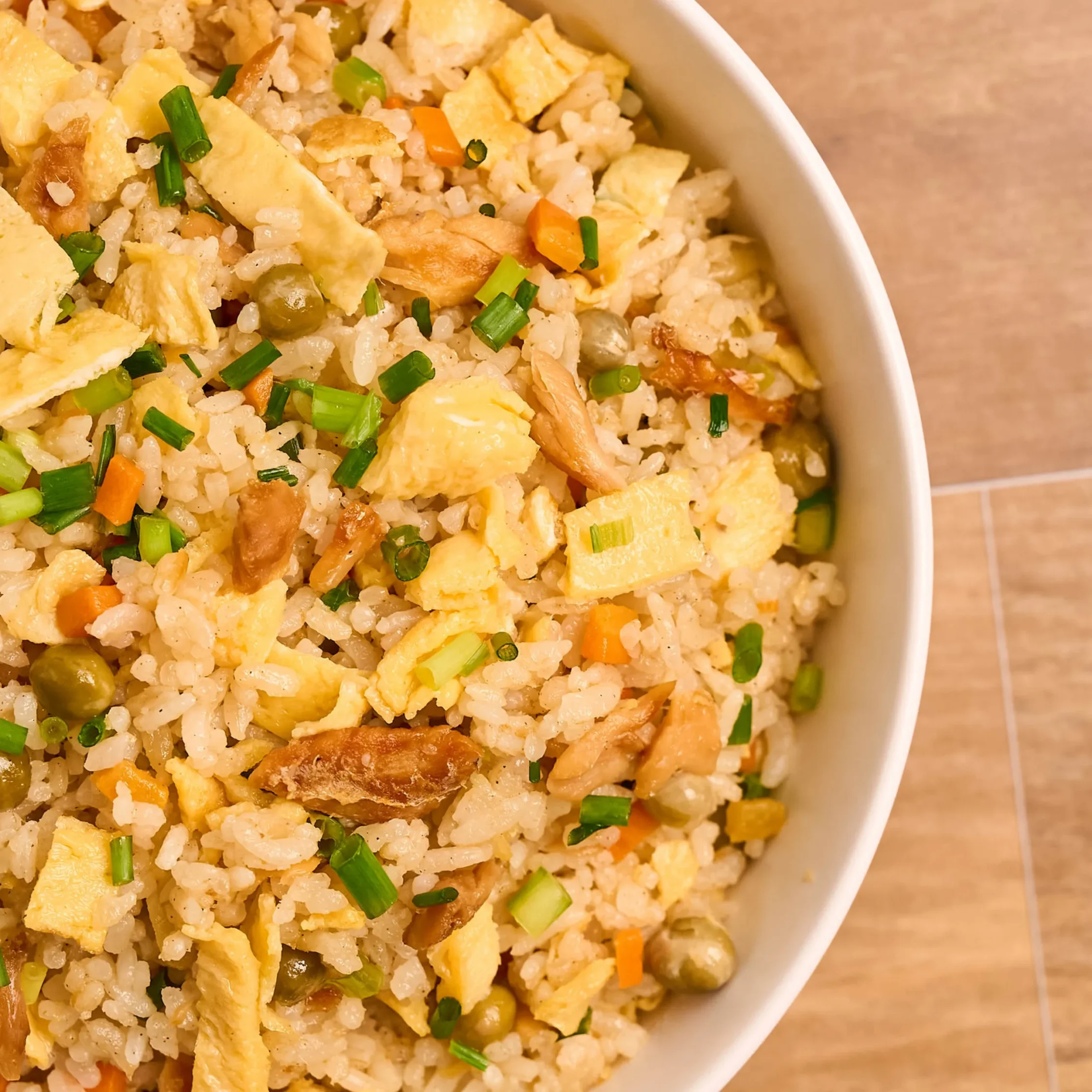
The beauty of Fried Rice with Pinakas is that every ingredient contributes something different.
Rice provides the filling carbohydrate base.
Pinakas supplies savory fish flavor and protein.
Eggs add richness, tenderness, and additional protein.
Garlic creates the characteristic aromatic foundation.
Carrots add sweetness, color, and crunch.
Green peas provide a mild sweetness and additional texture.
Spring onions bring freshness and a light onion flavor.
Soy sauce contributes saltiness, color, and umami.
Together, these ingredients create a dish that is savory without being complicated.
Nutritional and Health Benefits
Fried Rice with Pinakas can provide several useful nutrients, although its nutritional profile depends on the type and amount of fish, rice, oil, and seasonings used.
Fish provides protein
Pinakas can contribute high-quality protein, which is important for maintaining muscles, supporting tissues, and carrying out many normal body functions.
Depending on the species of fish, it may also provide nutrients such as vitamin B12, selenium, and omega-3 fatty acids.
Eggs provide protein and nutrients
Eggs contribute protein along with nutrients such as choline, vitamin B12, selenium, and other vitamins and minerals.
Carrots provide beta-carotene
Carrots are well known for their beta-carotene content. The body can convert beta-carotene into vitamin A, which supports normal vision, immune function, and skin health.
Green peas contribute fiber
Peas provide plant-based protein, fiber, vitamins, and minerals.
Garlic contains beneficial plant compounds
Garlic contains sulfur-containing compounds that contribute to its distinctive aroma and flavor.
Spring onions add micronutrients
Spring onions contribute small amounts of vitamins and minerals while adding flavor without requiring much additional salt or fat.
Rice provides energy
Rice supplies carbohydrates, which are an important source of energy.
If you want more fiber and a slower-digesting option, brown rice can be substituted for white rice.
How to Make It a More Balanced Meal
Although fried rice is filling on its own, you can make the meal more balanced by increasing the vegetable content.
Consider adding:
- Cabbage
- Bell peppers
- Broccoli
- Mushrooms
- Corn
- More carrots
- Green beans
- Spinach
- Pechay
You can also serve the fried rice with fresh tomatoes, cucumber, or a simple vegetable side dish.
If you’re watching your sodium intake, reduce the soy sauce and rely more on garlic, pepper, spring onions, and other aromatics for flavor.
Final Thoughts
Fried Rice with Pinakas is a great example of how leftover ingredients can become something genuinely delicious. Instead of treating leftover rice and fish as yesterday’s food, this recipe gives them a second life.
The garlic creates a fragrant foundation, the rice becomes lightly toasted, the Pinakas brings savory depth, and the egg gives the dish richness. Carrots and peas add color and texture, while spring onions provide a fresh finish.
What I particularly like about this recipe is how flexible it is. You don’t have to follow it rigidly. If you have extra vegetables, throw them in. If you have leftover grilled fish instead of Pinakas, use it. If you prefer more garlic, add more. If you like spicy food, bring in some chili.
At its heart, this is a practical Filipino-style leftover dish—simple, flavorful, filling, and adaptable. It’s the sort of recipe that reminds us that good home cooking isn’t always about having expensive or elaborate ingredients. Sometimes, it’s simply about knowing how to bring ordinary ingredients together in a way that makes everyone want another serving.