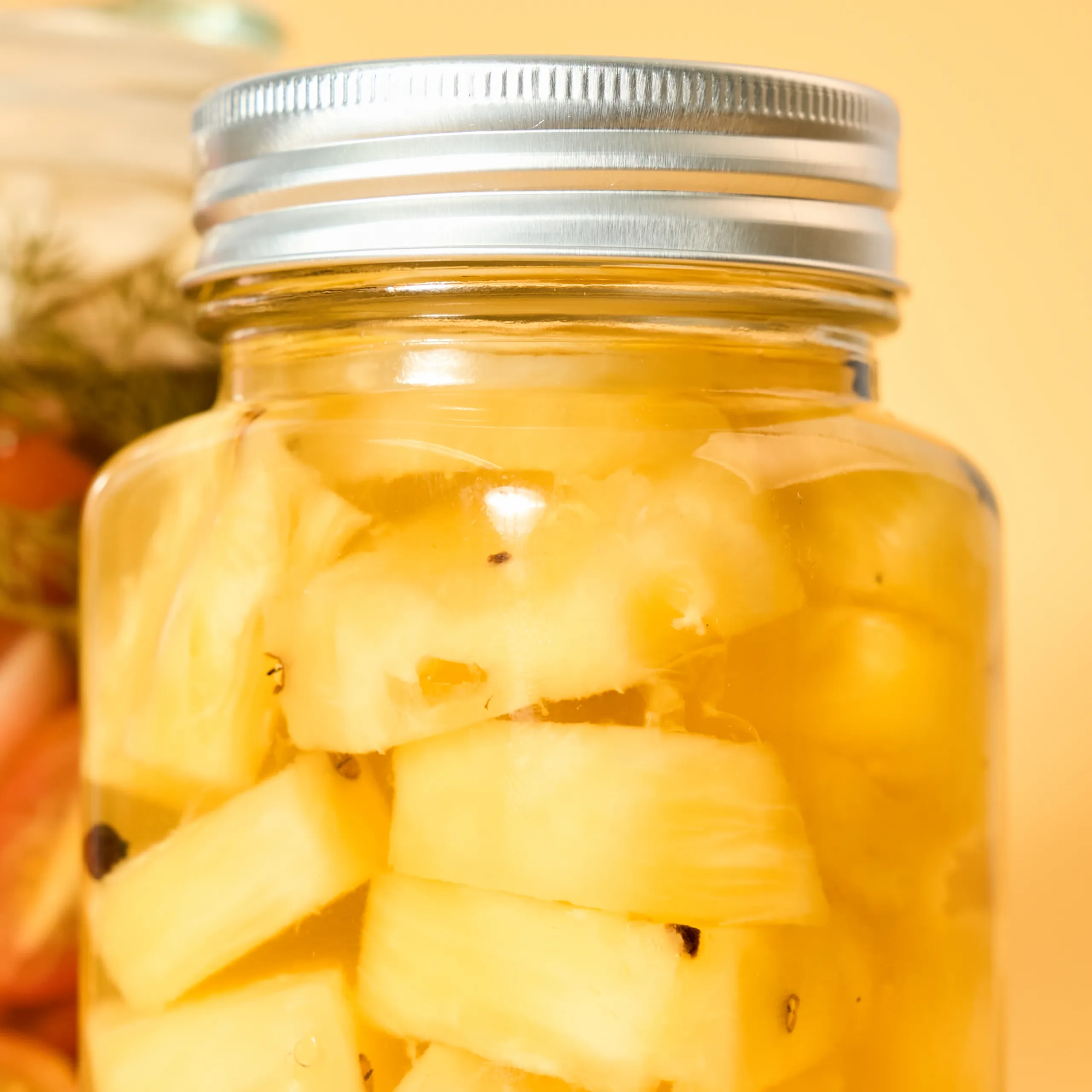


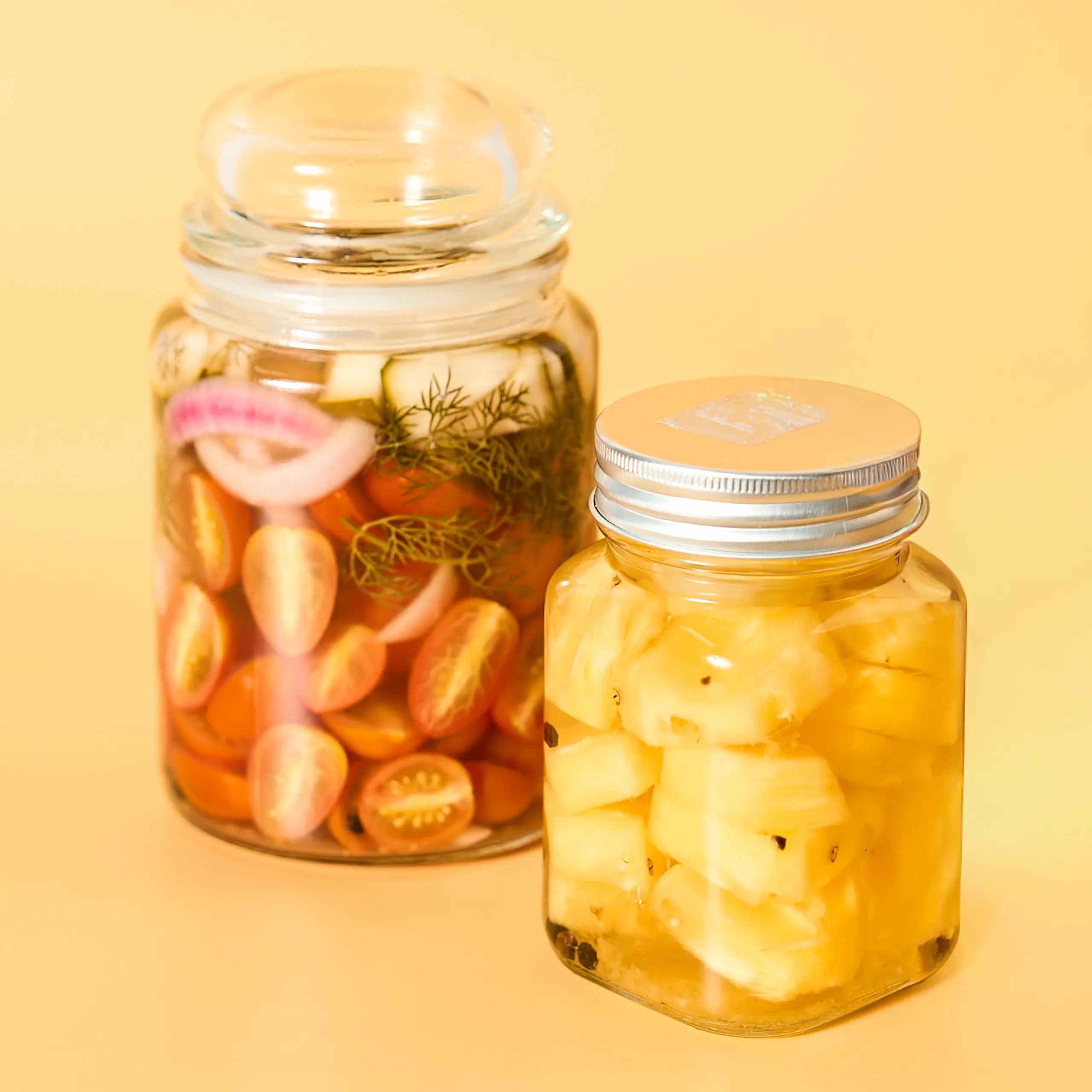
Pickled Vegetables and Pineapple is a bright, refreshing combination of crisp vegetables and sweet, juicy pineapple preserved in a lightly sweetened vinegar brine. This easy homemade pickle offers the perfect balance of sweet, tangy, and slightly savory flavors, making it a versatile side dish, appetizer, or condiment that pairs well with a variety of meals.
The vegetables stay crisp while absorbing the flavorful brine, and the pineapple develops an irresistible sweet-and-tangy taste that makes it just as enjoyable on its own as it is served alongside grilled meats, fried dishes, sandwiches, or rice meals. Fresh dill and whole peppercorns add subtle layers of flavor without overpowering the natural freshness of the ingredients.
One of the best things about this recipe is that it requires very little cooking. Most of the work is simply preparing the vegetables and making the pickling liquid. After a few hours in the refrigerator—or even better, overnight—the flavors deepen beautifully, resulting in a delicious homemade pickle that’s both colorful and refreshing.
Whether you’re looking to use up fresh produce, prepare a make-ahead side dish, or simply enjoy a healthier snack, these Pickled Vegetables and Pineapple are easy to make, customizable, and full of vibrant flavor.
Recipe Tips
- Always wash all produce thoroughly before pickling to help extend freshness.
- Use firm cucumbers and ripe but firm cherry tomatoes so they remain crisp after pickling.
- Allow the brine to cool before pouring it over the vegetables to preserve their texture.
- Sterilize or thoroughly clean your jars before filling them to help keep the pickles fresh longer.
- Make sure all vegetables and pineapple remain fully submerged in the brine for even pickling.
- Fresh dill provides the best flavor, but dried dill can also be used if needed.
- Taste the brine before pouring it over the produce. If you prefer sweeter pickles, add a little more sugar; for a tangier flavor, add a splash of extra vinegar.
- Refrigerated pickles continue developing flavor over several days, often tasting even better after two or three days.
- Use a clean utensil every time you remove pickles from the jar to help prevent contamination.
- Store the jars in the refrigerator at all times since this recipe is intended for refrigerator pickling rather than shelf-stable canning.
Ingredient Substitutions
Kaong Vinegar
If Kaong vinegar isn’t available, you can substitute cane vinegar, white vinegar, apple cider vinegar, or rice vinegar. Keep in mind that each vinegar has its own level of acidity and flavor, so the final taste may vary slightly.
Cherry Tomatoes
Grape tomatoes or small Roma tomatoes can be used instead. Choose tomatoes that are firm and ripe to prevent them from becoming overly soft.
Cucumber
English cucumbers, Persian cucumbers, or regular cucumbers all work well. If using regular cucumbers with large seeds, you may remove the seeds before slicing.
Red Onion
White onions or sweet onions can be substituted, although red onions add beautiful color and a slightly milder flavor.
Fresh Dill
If fresh dill isn’t available, use about one-third the amount of dried dill. Fresh parsley or a few sprigs of thyme can also provide a different but pleasant herbal flavor.
White Sugar
Brown sugar, coconut sugar, or honey may be used instead. Each will slightly change the flavor and color of the brine.
Pineapple
Fresh pineapple offers the best texture and flavor, but canned pineapple chunks (drained well) may be used if fresh pineapple isn’t available.
Whole Peppercorns
Black peppercorns are traditional, but mixed peppercorns or a small amount of crushed red pepper flakes can be used for extra flavor and a touch of heat.