
Advertisement
Advertisement

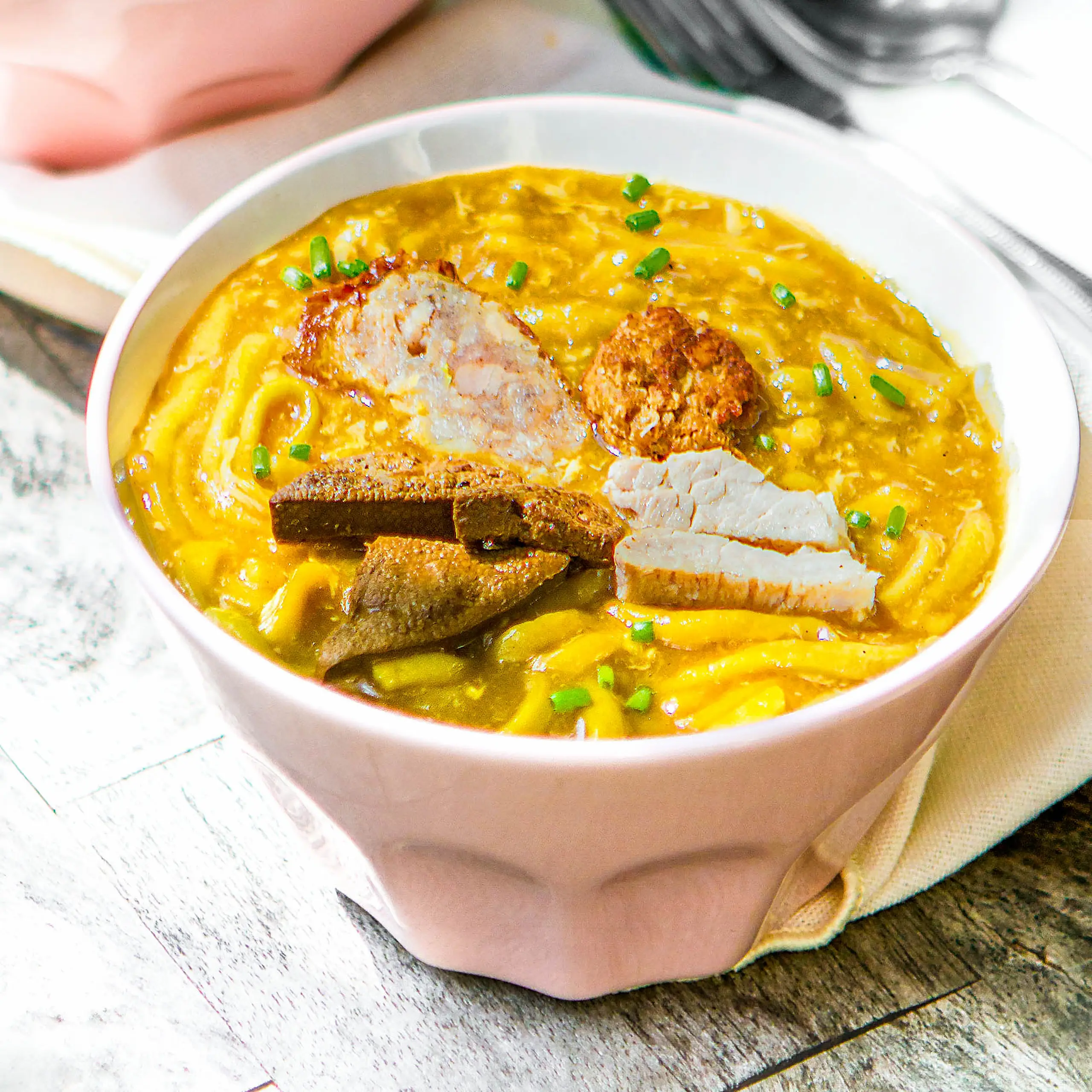
Lomi ng Lipa Recipe (Batangas)

PHOTO: KRIZIA CRUZ
YIELDS:
2 - 3 SERVING(S)
Prep Time:
10 MINS
Total Time:
45 MINS
Cal/Serv:
N/A

No nutritional data available.

A favorite merienda of Batangueños because it is filling and inexpensive, Lomi ng Lipa is famous for its rich, thick noodle soup and starchy broth, chewy egg noodles, and hearty toppings like kikiam, pork liver, chicharon, and vegetables. Unlike lighter noodle soups like mami, Batangas lomi is thicker, richer, and more filling—making it a comforting merienda or rainy-day meal. This noodle soup has a sticky consistency from the use of cassava flour as a thickener.

Lomi is said to have originated from Filipino-Chinese families in Batangas, with its name sounding very similar to the Chinese noodle dish “lo mein.” While available year-round in many eateries in the province, it is typically enjoyed during the rainy season as a hearty and comforting, one-bowl dish.

Recipe developed by Nina Daza-Puyat and Chef Via S. Pelea.

What is miki noodles?

Miki noodles are chewy egg noodles which may come in thick or thin strands, either fresh or dried. The kind used in lomi are the fresh and thicker, fatter ones. Miki noodles need to be rinsed well prior to use in cooking to wash off the taste of lye, which is used for that firm and elastic texture of the noodles.

Advertisement

Recipe Tips

This recipe calls for fresh miki as they absorb flavors better. It is also the fresh miki noodles’ chewy bite that gives lomi its signature texture. Watch the dish carefully as it cooks and keep the broth close to prevent it from drying out as the noodles cook.

When adding the cassava starch slurry, make sure to do it gradually to prevent the broth from turning gummy. It is best to serve this noodle soup steaming hot as soon as it cooks as the broth tends to thicker over time.

Substitutions & Alternatives

You might find that some traditional lomi dishes served do not have a lot of vegetables on them. Feel free to add your favorite veggies, such as carrots, napa cabbage, or snow peas. Just make sure to add them towards the end of cooking time so keep them fresh and crisp.

Advertisement

You can also opt to add tofu, fish or squid balls, chicharon bits, hardboiled chicken or quail eggs, spring onions, toasted garlic or shallots.

Storage

For any leftovers, store in an airtight container in your fridge. To reheat, add a bit of broth or water as the liquid may have been absorbed by the noodles.

For another regional pancit recipe, try this Pancit Habhab from Quezon!

Ingredients

  • 0.25 Kilogram pork kasim
  • 4 Cup water (plus 1 cup, if needed)
  • 2 Tablespoon cooking oil
  • 1 red onion, chopped
  • 2 Tablespoon soy sauce
  • 1 Tablespoon oyster sauce
  • 1 Tablespoon patis
  • 3 Cup pork broth
  • 2 Cup fresh miki noodles, washed and drained
  • Salt, white pepper, vetsin (optional)
  • 2 Tablespoon cassava or tapioca starch dissolved in 4 Tbsp water
  • 1 beaten egg + 1 Tbsp water

Toppings

  • Sliced pork liver adobo
  • 1 Chinese kikiam, sliced
  • Pork meatballs (use lumpiang shanghai filling, rolled into small balls and fried in oil)
  • Cooked pork slices
Keep screen awake

Directions

Step 1

Boil pork kasim in 4-5 cups of water for an hour. Reserve broth and allow meat to cool. Slice into strips.

Step 2

In a large wok, heat cooking oil. Sauté red onions until soft and fragrant, about 2 minutes.

Step 3

Combine soy sauce, oyster sauce, and patis in a small bowl. Add to the onions and stir for a minute.

Step 4

Pour in pork broth and fresh miki noodles. Season with 2 pinches of salt, white pepper, and vetsin, if using.

Step 5

Cover wok and simmer noodles for 3 minutes. Add cassava starch slurry and continue to stir with a spoon until soup thickens, about 2 minutes.

Step 6

Pour beaten egg into the mixture and continue to stir until egg strands appear in the soup. Turn off heat.

Step 7

Pour soup into bowls and top with liver, kikiam, pork meatballs, and pork slices. Serve with chopped raw onions, red chili peppers, soy sauce, and calamansi halves on the side.

Frequently Asked Questions

Lomi ng Lipa is a Filipino noodle soup made of thick egg noodles and a variety of meat toppings. It is famous in Lipa, Batangas where it is said to have originated.

Lomi uses thick, fresh egg noodles called miki.

Batangas-style lomi is known for its thick, velvety broth and generous toppings such as seasoned pork, pork liver, and kikiam. Unlike other noodle soups, lomi has a richly flavorful, almost gravy-like consistency.

0 0 votes
Total of Ratings
guest
Rating
Ratings for Article
0 Comments
Oldest
Newest Most Voted
Inline Feedbacks
View all comments
Advertisement

To provide a customized ad experience, we need to know if you are of legal age in your region.

By making a selection, you agree to our Terms & Conditions.