


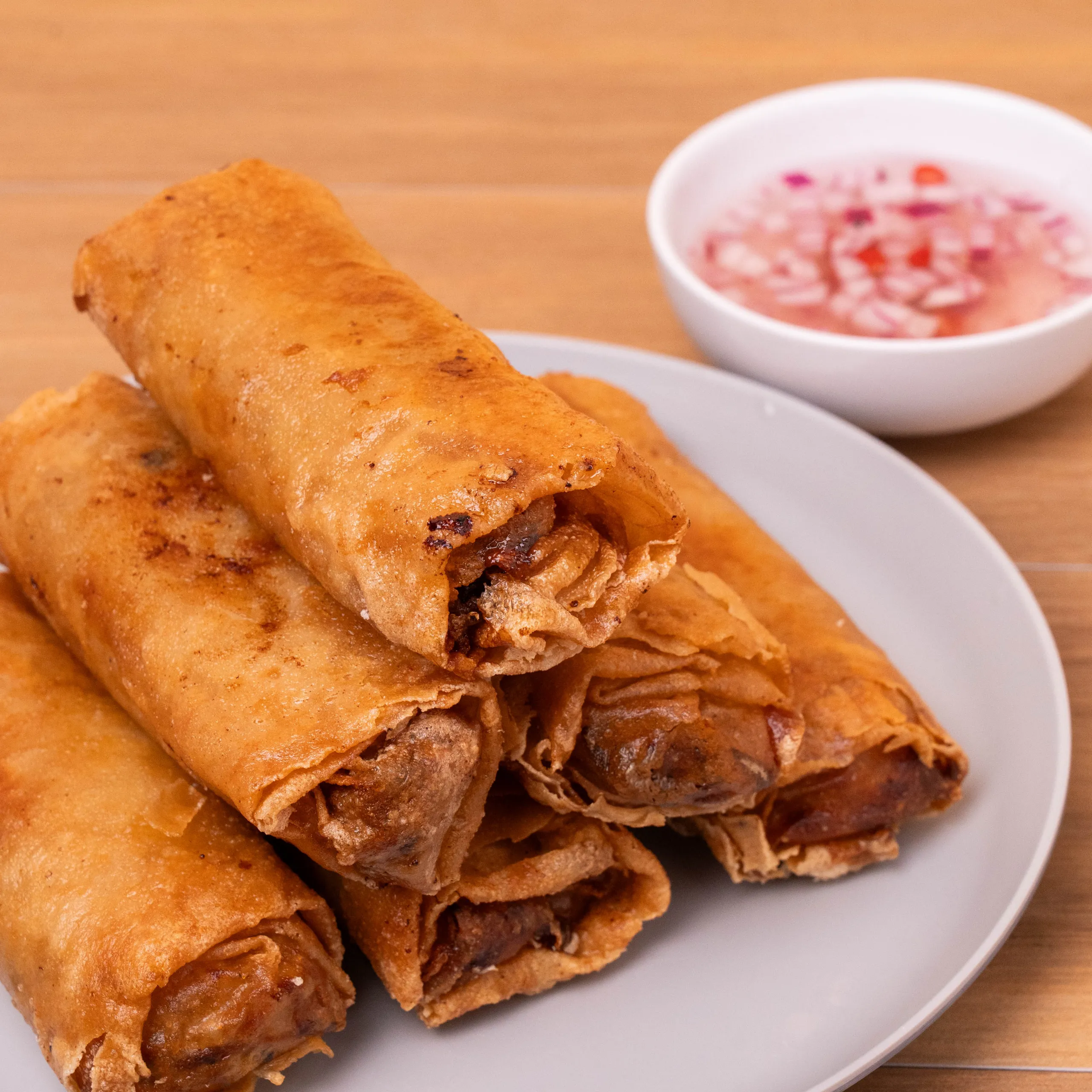
Simple dishes often become the ones we remember the most, especially when they remind us of home, family, and comforting meals shared around the table. Lumpiang Togue is one of those timeless Filipino favorites. Crispy on the outside and packed with a flavorful vegetable filling on the inside, this classic spring roll is a wonderful example of how everyday ingredients can be transformed into something delicious and satisfying.
Although there are many varieties of lumpia in the Philippines, Lumpiang Togue has earned a special place because of its simplicity, affordability, and fresh flavor. The star ingredient is togue, or bean sprouts, which are combined with shredded cabbage, carrots, green beans, garlic, onions, and seasonings before being wrapped in thin lumpia wrappers and fried until golden brown. The result is a spring roll with a delicate crunch from the wrapper and a tender, savory vegetable filling that bursts with flavor in every bite.
For many Filipinos, Lumpiang Togue is more than just a snack. It is commonly enjoyed as a light lunch, an afternoon merienda, a side dish for family meals, or an appetizer during birthdays, fiestas, holiday celebrations, and other gatherings. It is also a familiar sight in local markets, carinderias, school cafeterias, and street food stalls, where freshly fried lumpia are often served with sweet chili sauce or spicy garlic vinegar.
One of the reasons Lumpiang Togue continues to be loved across generations is its versatility. It is easy to prepare, budget-friendly, and filled with nutritious vegetables, making it an excellent choice for families looking for a delicious yet wholesome meal. It is also a dish that often brings people together in the kitchen, as wrapping lumpia has become a cherished family activity in many Filipino households.
Whether served piping hot straight from the fryer or enjoyed as part of a larger Filipino feast, Lumpiang Togue remains a comforting reminder that the best meals are often made from simple ingredients, shared with loved ones, and prepared with care.
History and Origin of Lumpiang Togue
The story of Lumpiang Togue begins with the long history of lumpia, one of the most recognizable dishes in Filipino cuisine. The origins of lumpia can be traced back to the arrival of Chinese traders who visited and settled in the Philippine islands centuries before Spanish colonization. These traders introduced spring rolls, which eventually became integrated into local food traditions.
The word “lumpia” is believed to have come from the Hokkien Chinese language, referring to spring rolls made with thin wrappers and various fillings. Over time, Filipino cooks adapted the concept using local ingredients, cooking methods, and flavors. Rather than simply copying traditional Chinese recipes, they created unique versions that reflected the abundance of vegetables, seafood, and meats found throughout the Philippines.
Among the many variations that developed, Lumpiang Togue became especially popular because bean sprouts were inexpensive, widely available, and easy to grow. Families often combined bean sprouts with other vegetables from home gardens or local markets, creating a filling that was both nutritious and economical.
As Filipino communities grew, Lumpiang Togue became a staple in homes, markets, and roadside eateries. It gained popularity not only because it was affordable but also because it was filling, easy to prepare in large batches, and suitable for both everyday meals and special occasions.
Different regions of the Philippines eventually developed their own versions. Some recipes include tofu, mushrooms, or minced meat, while others remain entirely vegetable-based. Despite these regional differences, the essence of Lumpiang Togue has remained unchanged—a crispy spring roll centered around fresh bean sprouts and seasoned vegetables.
Today, Lumpiang Togue continues to be one of the country’s favorite vegetable dishes. It reflects the Filipino values of resourcefulness, hospitality, and the ability to create flavorful meals from humble ingredients.
Knowledge About Lumpiang Togue and Its Ingredients
Bean Sprouts (Togue)
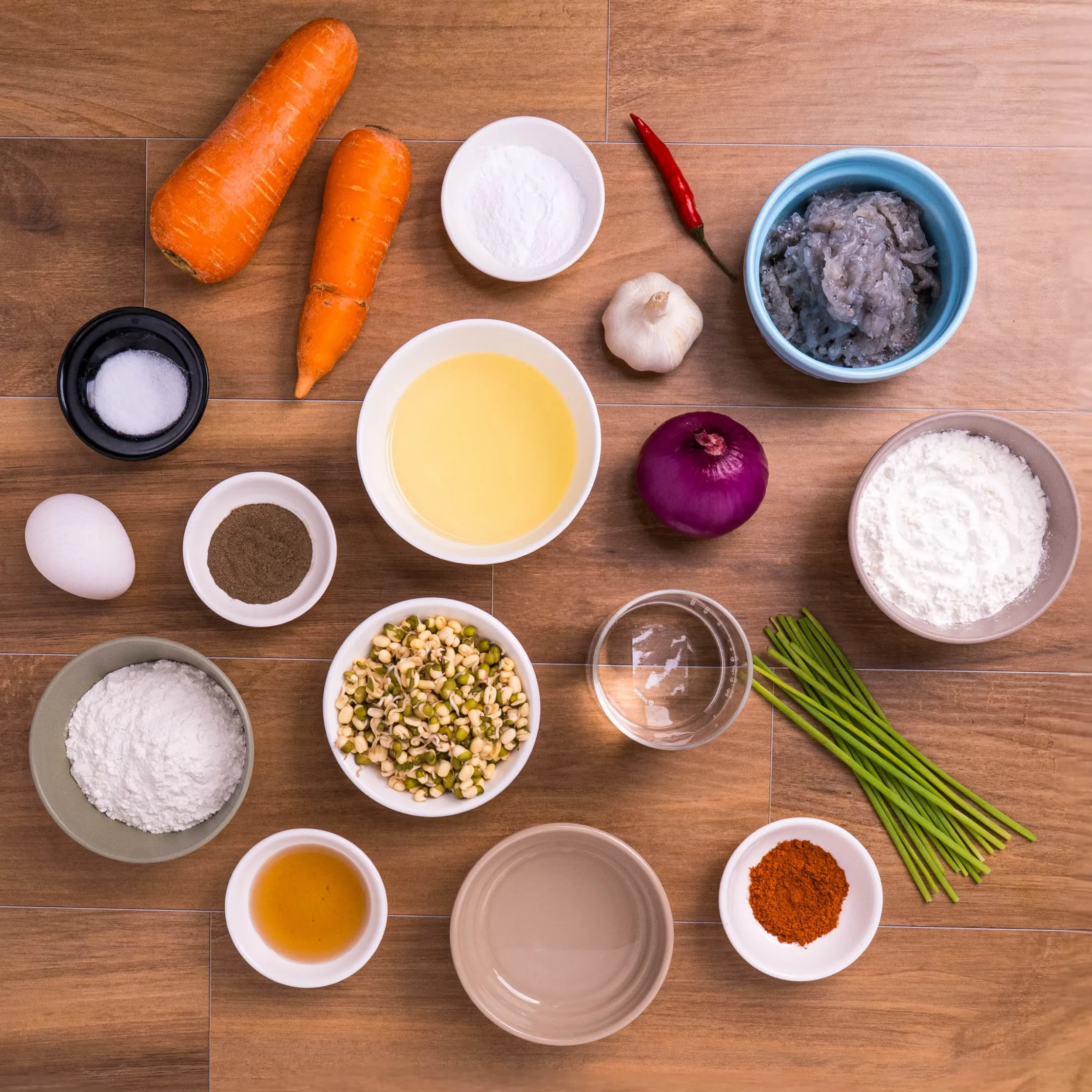
Bean sprouts are the defining ingredient of Lumpiang Togue. They are young shoots grown from mung beans and are prized for their crisp texture, mild flavor, and high water content.
Because bean sprouts cook quickly, they retain a pleasant crunch when prepared properly. They absorb the flavors of garlic, onions, soy sauce, and other seasonings while adding freshness to the filling.
Bean sprouts are naturally rich in:
- Vitamin C
- Folate
- Plant-based protein
- Fiber
- Antioxidants
They are also low in calories, making them an excellent ingredient for lighter meals.
Cabbage
Cabbage provides bulk, sweetness, and texture to the filling. As it cooks, it softens while still maintaining a slight crunch that complements the bean sprouts.
Cabbage contains:
- Vitamin C
- Vitamin K
- Fiber
- Folate
- Antioxidants
Its mild flavor allows it to blend seamlessly with the other vegetables.
Carrots
Carrots add natural sweetness, vibrant color, and additional texture to the spring rolls.
They are an excellent source of:
- Beta-carotene
- Vitamin A
- Potassium
- Dietary fiber
Their bright orange color makes the filling more visually appealing while contributing valuable nutrients.
Green Beans
Green beans add a pleasant crispness and earthy flavor to the filling.
They provide:
- Vitamin C
- Vitamin K
- Fiber
- Folate
Thinly slicing them allows for even cooking and ensures they blend well with the bean sprouts and cabbage.
Garlic
Garlic forms the aromatic base of the filling. When sautéed, it releases a rich, savory aroma that enhances the flavor of every vegetable.
Garlic contains natural sulfur compounds, including allicin, which have been widely studied for their antioxidant properties.
Onion
Onions provide natural sweetness and depth of flavor. Cooking them until translucent helps soften their sharpness and creates a more balanced filling.
Soy Sauce
Soy sauce adds saltiness and umami, bringing out the natural flavors of the vegetables without overpowering them.
Oyster Sauce
Although optional, oyster sauce gives the filling a richer, slightly sweeter, and more savory taste.
For vegetarian versions, mushroom-based oyster sauce is an excellent substitute.
Lumpia Wrappers
Lumpia wrappers are thin sheets made from flour and water. Their delicate texture allows them to become beautifully crisp when fried while remaining light enough to let the filling shine.
Keeping the wrappers covered during preparation prevents them from drying out and cracking.
Health Benefits of Lumpiang Togue
Rich in Vegetables
Lumpiang Togue contains a colorful combination of vegetables that provide a wide range of vitamins, minerals, and antioxidants. Including a variety of vegetables in meals helps support overall health and contributes to a balanced diet.
Excellent Source of Dietary Fiber
Bean sprouts, cabbage, carrots, and green beans all contribute dietary fiber, which supports healthy digestion and helps maintain a feeling of fullness after meals.
Fiber also plays a role in supporting heart health and balanced blood sugar levels as part of a healthy eating pattern.
Naturally Low in Calories
The vegetable filling is naturally low in calories while still being filling and nutritious. Choosing baking or air-frying instead of deep frying can further reduce the overall fat content of the dish.
Provides Important Vitamins and Minerals
The vegetables contribute a variety of nutrients, including:
- Vitamin A from carrots, which supports healthy vision, skin, and immune function.
- Vitamin C from cabbage and bean sprouts, which supports immune health and helps the body produce collagen.
- Vitamin K from cabbage and green beans, which contributes to normal blood clotting and bone health.
- Folate, important for cell growth and development.
Plant-Based Goodness
Lumpiang Togue is naturally plant-forward and can easily be made vegetarian or vegan by omitting oyster sauce or replacing it with a vegetarian alternative.
Healthier Cooking Alternatives
Although traditionally deep-fried, Lumpiang Togue can also be:
- Air-fried for a crispy finish with less oil.
- Baked in the oven until golden.
- Lightly pan-fried using minimal oil.
These methods offer lighter alternatives while maintaining excellent flavor and texture.
Recipe Tips for the Best Lumpiang Togue
- Always use fresh, crisp bean sprouts for the best texture.
- Wash and thoroughly drain the vegetables to prevent a watery filling.
- Avoid overcooking the bean sprouts, as they lose their crunch quickly.
- Cool the filling completely before wrapping.
- Keep the wrappers covered with a damp cloth while assembling to prevent drying.
- Roll the lumpia firmly but not too tightly, allowing space for the filling to expand slightly during frying.
- Seal the edges well with flour paste to prevent them from opening in the oil.
- Fry in small batches to maintain a consistent oil temperature.
- Place fried lumpia on a wire rack instead of stacking them to preserve their crispness.
- For a lighter version, brush the lumpia lightly with oil before baking or air-frying.
Ingredient Substitutions
Bean Sprouts (Togue)
You may substitute with:
- Shredded napa cabbage
- Finely sliced bok choy
- Julienned zucchini
- Chopped mushrooms
Although the flavor changes slightly, these vegetables still create a delicious filling.
Cabbage
Alternatives include:
- Napa cabbage
- Bok choy
- Swiss chard
- Kale (thinly sliced)
Carrots
You may use:
- Sweet potato
- Bell peppers
- Jicama (singkamas)
Green Beans
Substitute with:
- Snow peas
- Snap peas
- Asparagus
- Thin broccoli stems
Oyster Sauce
Replace with:
- Mushroom oyster sauce
- Hoisin sauce (use a smaller amount)
- Additional soy sauce with a pinch of sugar
Soy Sauce
Substitutes include:
- Tamari
- Low-sodium soy sauce
- Coconut aminos
Lumpia Wrappers
If unavailable, you may use:
- Spring roll wrappers
- Rice paper wrappers (for a softer texture)
- Homemade lumpia wrappers
Final Words
Lumpiang Togue is a wonderful example of how Filipino cuisine transforms humble, everyday vegetables into a dish that is both comforting and memorable. Its crisp, golden wrapper and flavorful bean sprout filling create a combination of textures and tastes that has delighted generations of Filipinos.
More than just a snack or appetizer, Lumpiang Togue reflects the values of Filipino home cooking—resourcefulness, generosity, and the joy of sharing food with others. It demonstrates that simple, affordable ingredients can be prepared with care and creativity to produce something truly special.
Preparing Lumpiang Togue is also about creating moments together. In many homes, wrapping lumpia becomes a family tradition, with everyone taking part in preparing the filling, rolling the wrappers, and enjoying the finished dish fresh from the pan. These shared experiences often become cherished memories that are passed down alongside the recipe itself.
Whether served during a festive celebration, enjoyed as an afternoon , or paired with rice for a satisfying meal, Lumpiang Togue continues to hold a special place in Filipino kitchens. Its delicious balance of fresh vegetables, crisp texture, and savory flavor reminds us that good food does not have to be complicated—it simply needs fresh ingredients, thoughtful preparation, and the warmth of sharing it with the people we care about.