

In 2022, Chicago-based Kasama, a Filipino eatery whose crowning glory is a 13-course tasting menu, received its first Michelin Star. Last year, the Michelin Guide was launched in the Philippines, recognizing 108 restaurants, nine of which were given the elusive stars.
Finally, Filipino food is spoken of with esteem, if not reverence. For many years, the Filipinos have aspired for their cuisine to be acknowledged and appreciated; now, it’s gaining international recognition—but the work isn’t finished until we recognize the food that most Filipinos actually eat.
The world has become familiar with lechon, sisig, halo-halo. But—and this may sound demanding—there is still a long way to go. If food is a marker of identity, then all that glory deserves to extend over to carinderia food, the food of every day, the food that represents the majority of Filipinos.
Filipino Carinderia Culture: Why It Matters More Than Fine Dining
It is so easy to dismiss carinderia food. What’s so special with yet another adobo dish? If we wanted to eat pritong tilapia, we should have just stayed home. It’s true: there is nothing outrightly celebratory about home cooking.
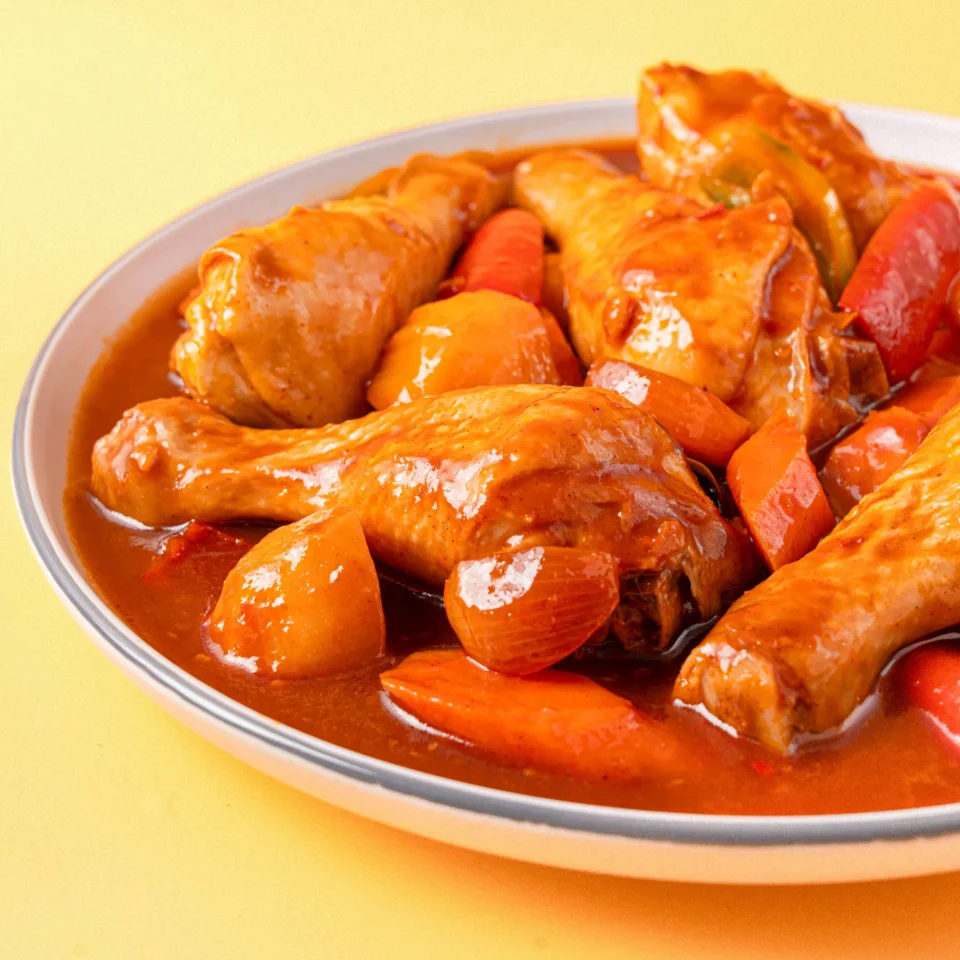
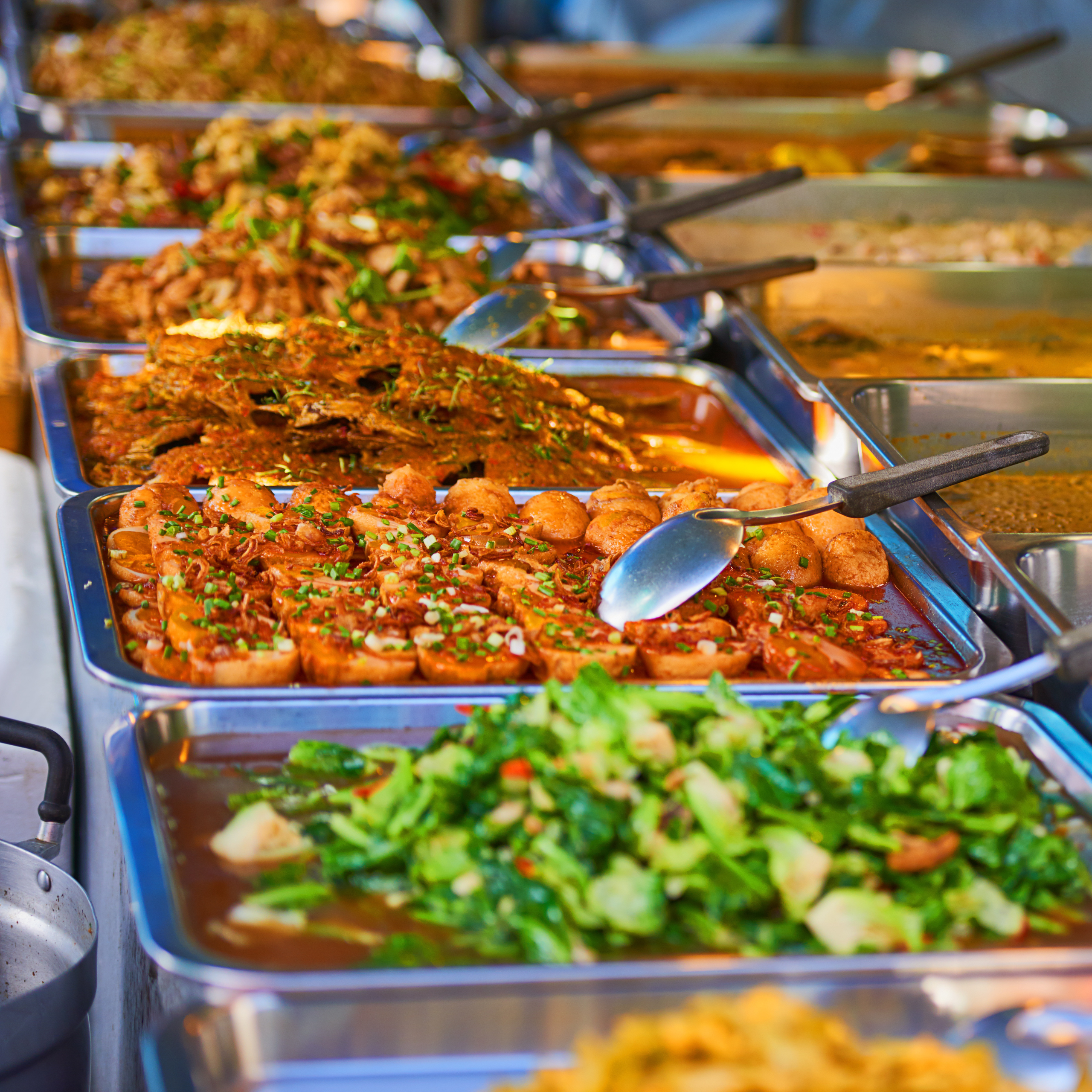
Carinderia food, such as paksiw, caldereta, and afritada, does not need to dress up in novelty or be rediscovered through nostalgia. It deserves attention not because it is humble, and humility has become so rare that it has become quite fashionable in food discourse. Carinderia food deserves respect because it is foundational. It is the cuisine that sustains millions of Filipinos daily and preserves dishes that restaurants consistently overlook or undervalue.
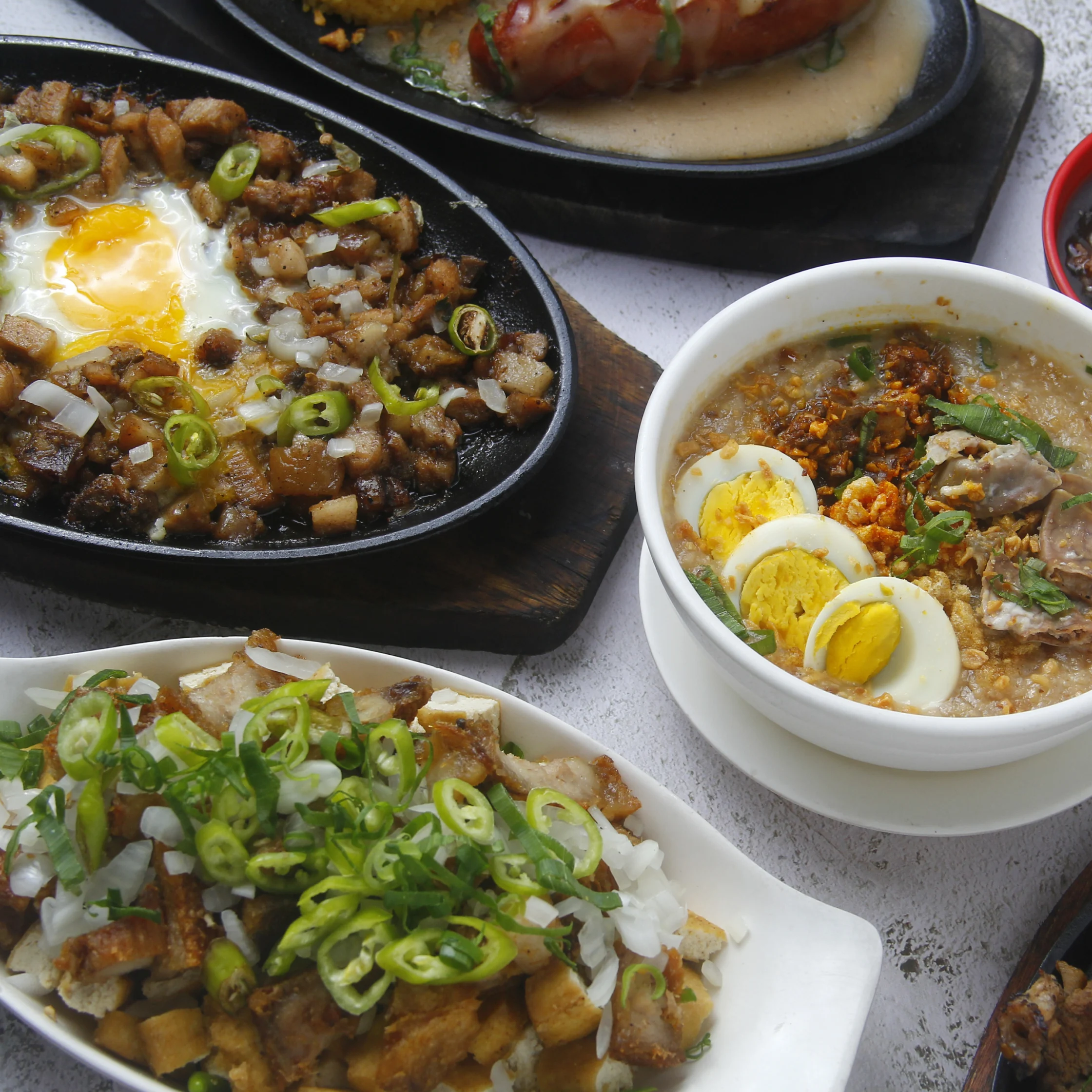
While not everyone can claim to have eaten lechon, almost every Filipino—from those eating with bare hands at stowaway tables to those dining on Narra tables with 24-karat flatware—has grown up with tortang talong, lumpia, pancit guisado.
Carinderia food creates habits that develop into a unique palate: what sourness defines sinigang, how soft the greens should be in laing, even how much ketchup and condensed milk to add in Pinoy spaghetti.
Why the Humble Carinderia Defines the Filipino Palate
Carinderia food is not a subcategory of Filipino cuisine, limited only to a privileged subset. It is the cuisine that most Filipinos interact with frequently and perhaps offers the clearest picture of how the country actually eats.
Undeniably, the refined stylings of Toyo Eatery and the anthropological discoveries of Gallery by Chele caught the attention of so-called gastronomic gatekeepers we’ve long sought to impress. But it is also undeniable how often fine dining edits: the way tinola becomes a clear chicken consommé with poached free-range chicken breast, green papaya spheres, and ginger foam or ginataang gulay is rephrased as seasonal vegetables poached in coconut velouté. Even everyday Filipino restaurants simplify, losing the personal connection inherent in Filipino cuisine and translating the dishes into controlled, repeatable, and narratively coherent versions of themselves.
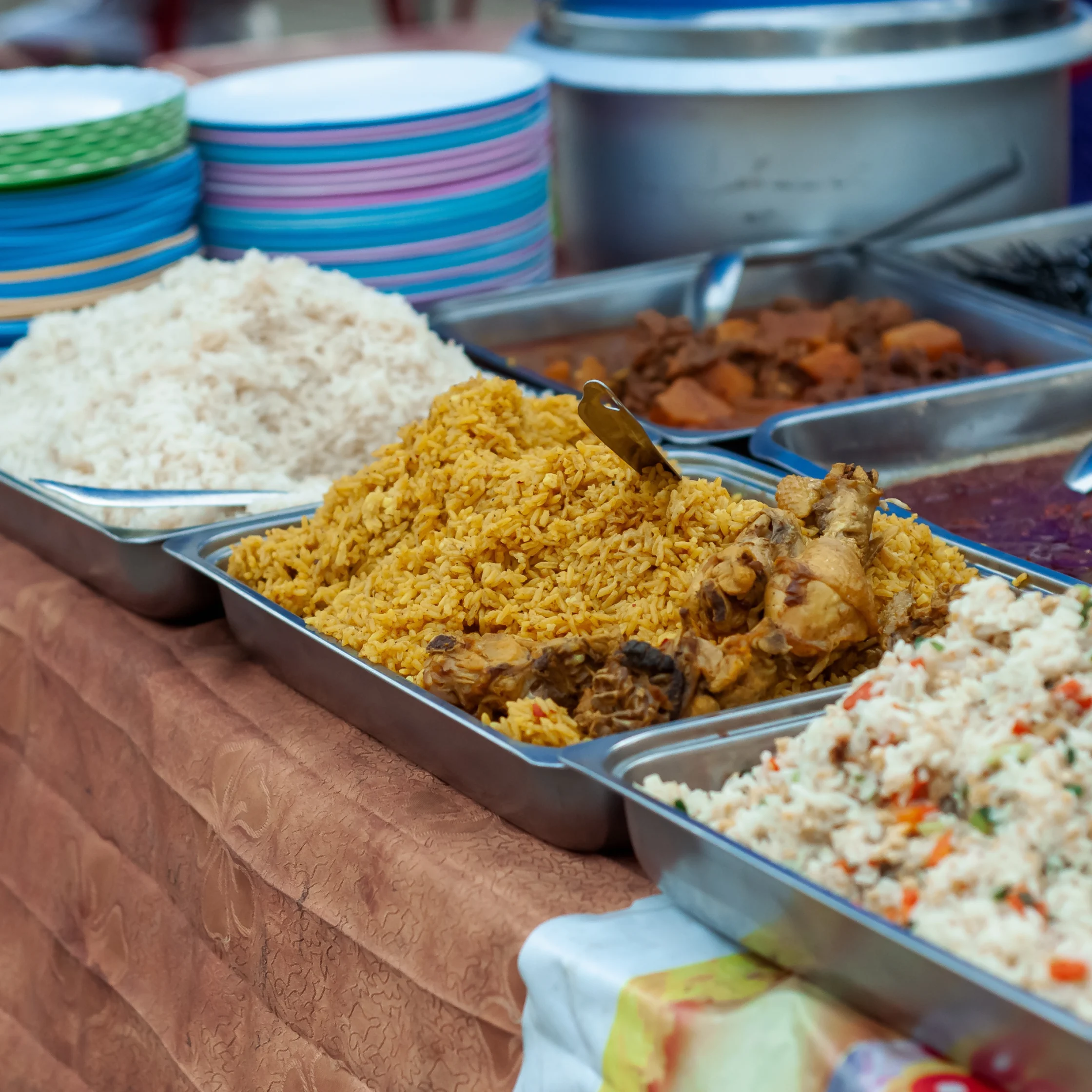
These revisions aren’t exactly negative. But there is definitely something positive about carinderia food, which doesn’t have the luxury to refine, reframe, or deconstruct.
And, while it is commendable how chefs refine seemingly unsophisticated cuisine, carinderia food also maintains a tougher standard: it has to satisfy people who eat it repeatedly. A tasting menu only needs to impress us once. A good bowl of munggo has to earn our loyalty every Friday for 10 years.
Why Carinderia Food Deserves Global Cultural Respect
Didn’t Jean Anthelme Brillat-Savarin say, “Tell me what you eat, and I will tell you what you are?” Carinderia food reveals more about the Philippine experience than the one-off celebratory tasting menus most people have once a year or maybe never in their lifetimes. It speaks about history, influence, and the current economy and lifestyle of its consumers. It demonstrates resourcefulness, creativity, and even identity, turning colonial influences into something uniquely Pinoy. It is devoid of aesthetics.
Carinderia food doesn’t ask much from diners, not even a ridiculous price tag that’s double the monthly minimum wage in Metro Manila. But it does deserve respect. After all, we go to hawker stalls in Singapore and night markets in Taiwan. We indulge in ramen, curry rice, Halal Guys, and pho— “carinderia food” of other countries. UNESCO has already inscribed Singapore Hawker Culture on its Representative List of the Intangible Cultural Heritage of Humanity. Does this not set a precedent that food doesn’t have to be considered luxurious to be honorable? It’s important if only because it transmits culinary knowledge, preserves community traditions, and reflects everyday cultural life.
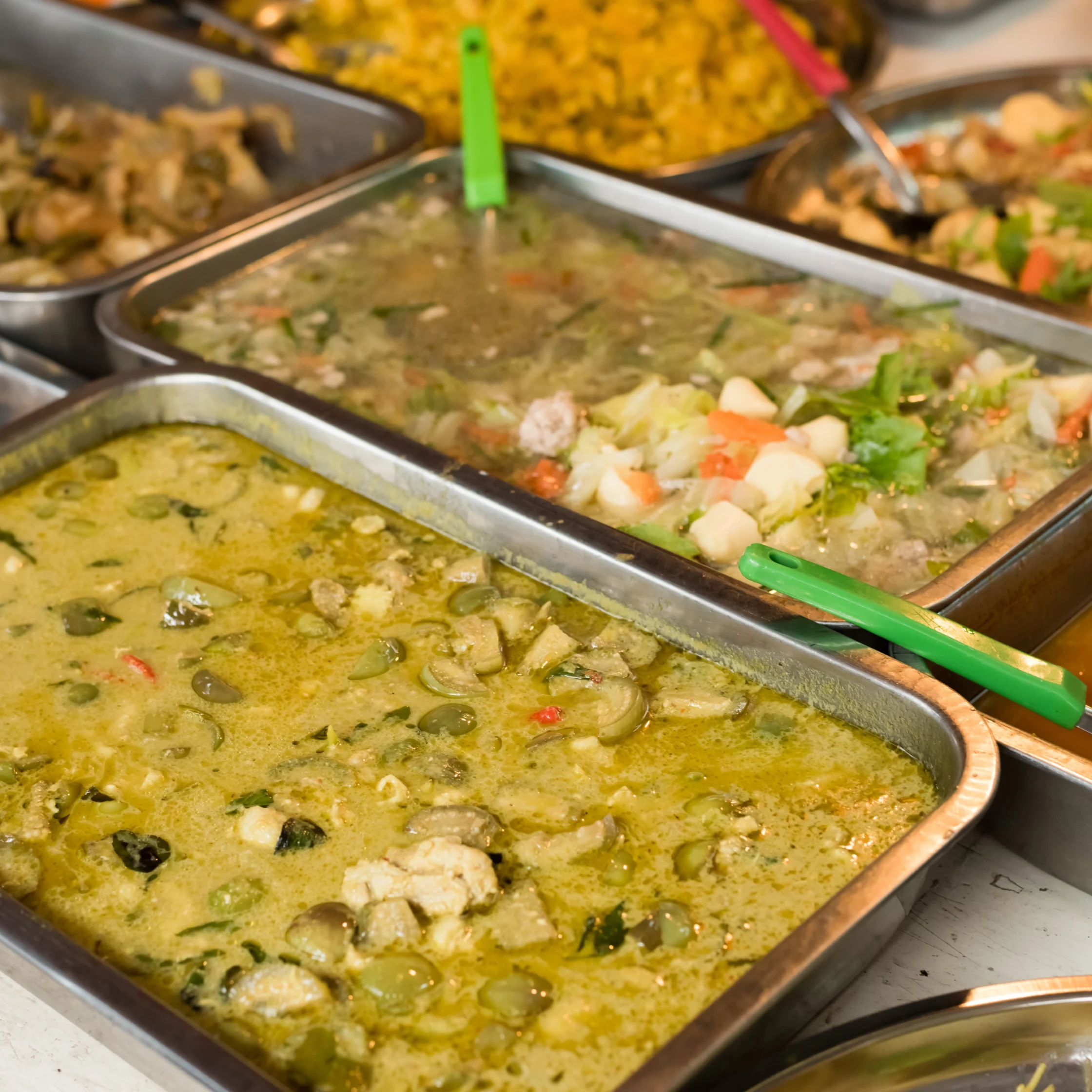
Whether or not we park ourselves in a hole-in-a-wall or cook daily at home, we eat carinderia food every day, so it is not something to take for granted. Five years from now, people will forget that “adobo, refined into three expressions of braised chicken, crisp skin, and fermented acidity.” But everyone will still be eating the good old-fashioned original.

Frequently Asked Questions
A carinderia is a small, affordable Filipino eatery that serves home-style dishes such as adobo, paksiw, caldereta, sinigang, and other everyday meals.
Carinderias preserve traditional recipes, cooking techniques, and food habits that millions of Filipinos experience daily.
While fine dining restaurants often reinterpret or elevate dishes, carinderias focus on accessible, familiar, and traditional cooking that reflects everyday Filipino life.
Carinderia food reflects Filipino history, resourcefulness, family traditions, regional tastes, and the daily realities of Filipino communities.
Yes. Singapore Hawker Culture was inscribed on UNESCO’s Representative List of the Intangible Cultural Heritage of Humanity in 2020, highlighting the cultural value of everyday food traditions.