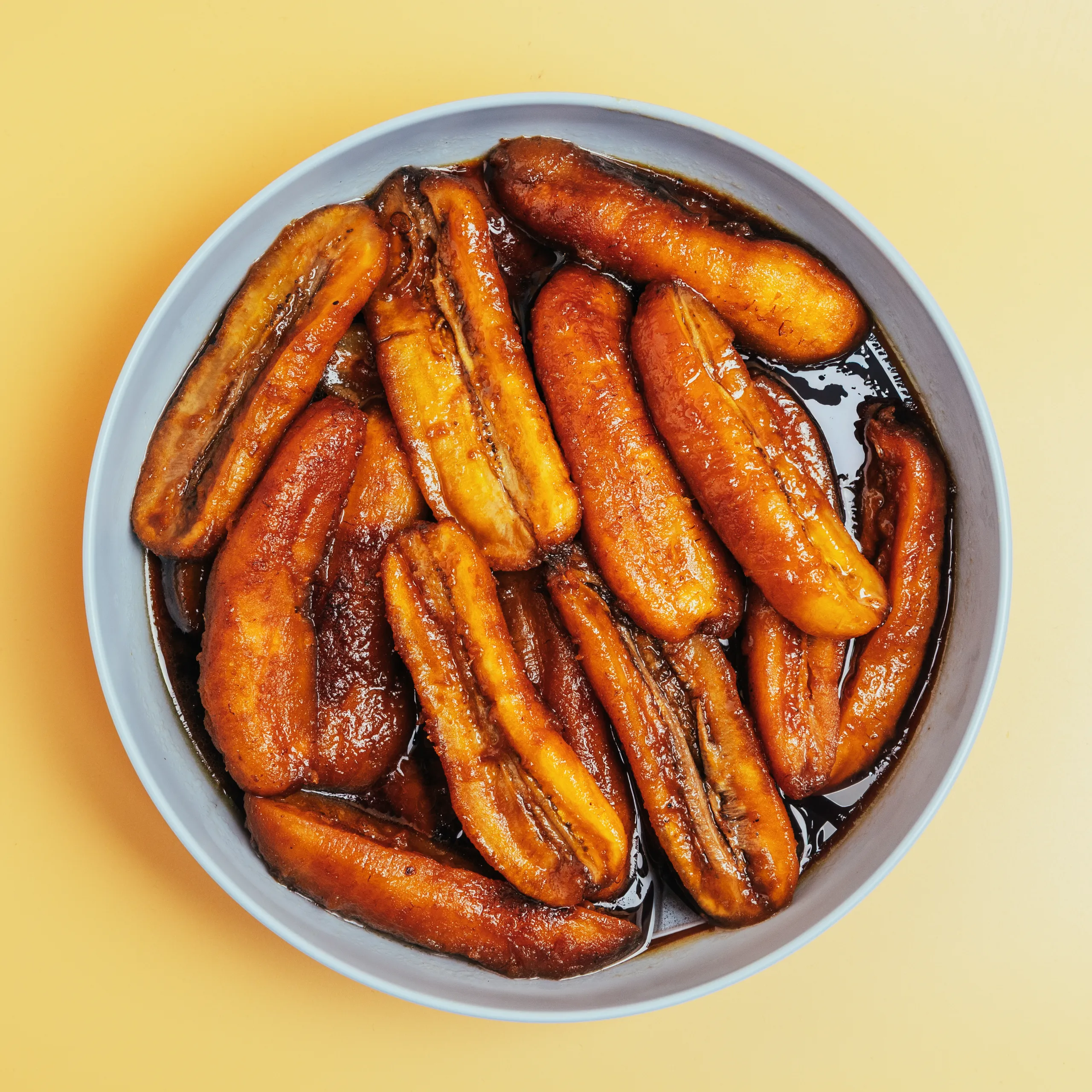


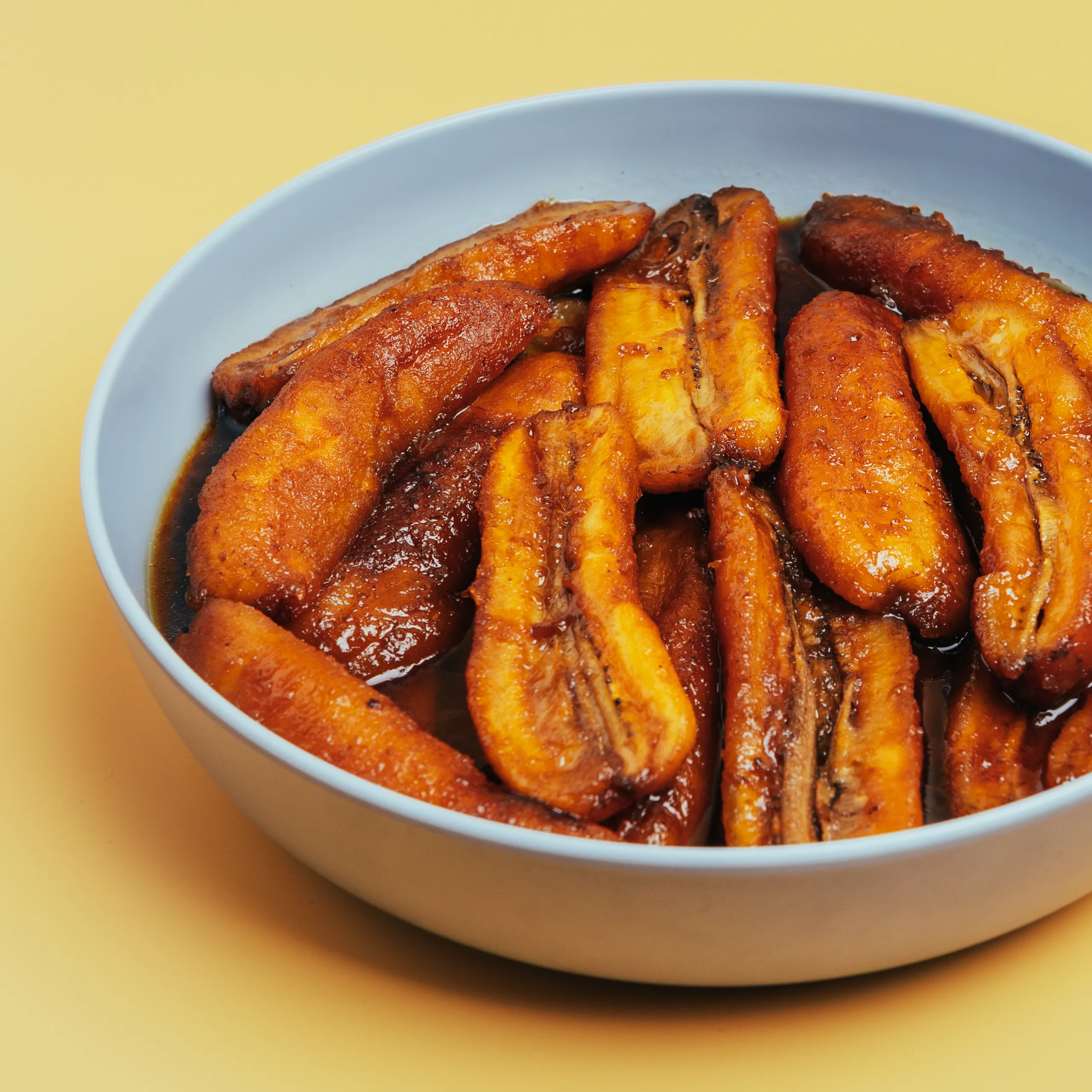
Minatamis na Saba is a classic Filipino sweet treat that highlights the natural sweetness and creamy texture of ripe saba bananas. Simmered in a rich brown sugar syrup until tender and caramelized, this simple dessert is a comforting favorite enjoyed as a snack, merienda, or light dessert. With only a few everyday ingredients, it’s an easy recipe that delivers warm, nostalgic flavors that many Filipinos grew up enjoying.
As the saba bananas gently cook, they absorb the caramel-like sweetness of the brown sugar syrup while becoming soft and buttery without falling apart. The result is a beautifully glazed dessert that’s delicious on its own or paired with other Filipino favorites like shaved ice desserts, sticky rice, or even a scoop of vanilla ice cream. Adding evaporated milk at the end is optional, but it gives the syrup a richer, creamier finish that complements the bananas perfectly.
Whether you’re looking for a quick homemade dessert or a versatile topping for other sweet treats, Minatamis na Saba is a wonderful recipe to have in your collection. It’s budget-friendly, beginner-friendly, and made with simple pantry staples, making it perfect for both everyday cravings and special family gatherings.
History of Minatamis na Saba
Minatamis na Saba is part of the long Filipino tradition of preparing fruits and other ingredients with sugar. The name itself gives us a clue about the dish: “minatamis” refers to something made sweet, while “saba” refers to the cooking banana variety commonly used in the Philippines.
Saba bananas have an important place in Filipino cuisine because they are particularly versatile. They can be used while still firm and are able to withstand cooking without immediately falling apart. This makes them useful in both savory and sweet dishes.
The practice of cooking bananas with sugar also reflects the Filipino appreciation for simple merienda and homemade desserts. Sugar helps preserve and transform fruit while creating a syrup that can be enjoyed with the cooked ingredient.
Over time, Minatamis na Saba became a familiar Filipino sweet that could be served in different ways. It can be enjoyed by itself, paired with milk, or used as a component of other desserts.
One particularly popular use is as a topping or accompaniment for saging con yelo, where sweetened saba is combined with shaved ice and other ingredients. Minatamis na Saba can also be incorporated into halo-halo and other Filipino desserts.
There is no need to think of the dish as having one single “correct” historical recipe. Filipino home cooking often develops through adaptation. One family may use white sugar, another brown sugar. One cook may add evaporated milk, while another enjoys the bananas with syrup alone. Some prefer the syrup thick and sticky, while others leave it more fluid.
That adaptability is part of the charm of Filipino desserts.
Recipe Tips
- Choose ripe but firm saba bananas to prevent them from becoming too soft or falling apart while cooking.
- Avoid overripe bananas, as they may become mushy during simmering.
- Cook over low to medium heat to allow the bananas to slowly absorb the syrup without breaking apart.
- Stir gently or simply spoon the syrup over the bananas instead of mixing vigorously.
- Brown sugar gives the syrup a richer caramel flavor, but darker brown sugar will produce an even deeper taste.
- If the syrup becomes too thick, stir in a small amount of hot water to loosen it.
- For a thicker syrup, continue simmering for a few extra minutes after the bananas are fully cooked.
- The syrup naturally thickens as it cools, so avoid reducing it too much while it’s still hot.
- Add the evaporated milk only at the end if using it to maintain a smooth and creamy consistency.
- This dessert tastes wonderful served warm, but chilling it overnight allows the bananas to absorb even more of the sweet syrup.
Ingredient Substitutions
Saba Bananas
Saba bananas provide the traditional flavor and texture, but if they’re unavailable, you can substitute plantains or other cooking bananas. Keep in mind that the texture and sweetness may vary.
Brown Sugar
Brown sugar creates the classic caramel-like syrup, but muscovado sugar offers a deeper, richer molasses flavor. Coconut sugar or raw cane sugar also work well and provide a slightly different sweetness.
Water
Water is used to create the syrup, but you can replace part of it with coconut water for a subtle tropical flavor.
Evaporated Milk
Evaporated milk is optional but adds richness to the sauce. You can substitute whole milk, coconut milk, coconut cream, or leave it out entirely for a more traditional caramel syrup.
Flavor Additions
For extra aroma, you can simmer a pandan leaf with the syrup and remove it before serving. A small splash of vanilla extract or a pinch of cinnamon can also add a delicious twist without overpowering the bananas.
Ways to Customize the Dish
Although the basic recipe is delicious on its own, Minatamis na Saba can easily be adapted.
For a more aromatic version, you can simmer the bananas with pandan leaves. Pandan gives the syrup a fragrant, distinctly Southeast Asian and Filipino aroma.
A small piece of cinnamon stick can also add warmth and spice. This creates a dessert that tastes slightly more complex while still allowing the saba to remain the main ingredient.
For a coconut version, replace some of the water with coconut milk. The result will be richer and creamier.
If you enjoy contrasting flavors, a tiny pinch of salt can be added to the syrup. It does not make the dessert salty; instead, it can help balance the sweetness and make the caramel flavor stand out.
For a richer dessert, serve the cooked saba with evaporated milk, condensed milk, coconut cream, or a small scoop of vanilla ice cream.
Understanding Saba Bananas
Saba is a type of cooking banana that is particularly important in Filipino cuisine. It is generally firmer and starchier than the sweet bananas commonly eaten raw.
This firmness is exactly what makes it useful in cooking. Saba can withstand simmering, frying, boiling, and other cooking methods while retaining much of its structure.
The banana’s texture also changes as it ripens. A very green saba will be starchier and less sweet, while a more mature saba becomes softer and naturally sweeter.
This makes choosing the right stage of ripeness important for Minatamis na Saba. You want enough natural sweetness to complement the brown sugar, but you also want the fruit to remain firm enough to survive simmering.
The banana itself absorbs the syrup during cooking. This creates a pleasant combination of flavors: the mild, starchy character of saba becomes surrounded by the deep sweetness of caramelized brown sugar.
That is why the dish tastes different from simply placing sugar on a banana. The slow cooking allows the flavors and textures to become integrated.
The Role of Brown Sugar
Brown sugar is particularly well suited to this dessert because it provides more than sweetness.
It gives the syrup its characteristic golden-brown to dark brown color and contributes molasses-like notes that create a deeper flavor.
As the sugar syrup cooks and becomes more concentrated, it develops a richer caramel-like character. This is what makes the syrup so enjoyable when spooned over the cooked bananas.
However, there is a fine line between a beautifully reduced syrup and burnt sugar. This is why gentle heat and careful attention near the end of cooking are important.
If you want a lighter-tasting dessert, you can reduce the sugar slightly. Saba already has natural sweetness, particularly when properly ripened.
Health Benefits of the Ingredients
Minatamis na Saba can provide some nutritional benefits, especially from the bananas, although the dish should still be considered a sweet dessert because of the added sugar.
Saba bananas provide carbohydrates, which serve as an important source of energy. They also contain dietary fiber, potassium, vitamin B6, and other nutrients. The exact nutritional content varies depending on the banana’s size and stage of ripeness.
Potassium is one of the nutrients commonly associated with bananas. It plays an important role in normal muscle function, nerve signaling, and fluid balance.
The fiber in bananas can also contribute to normal digestive health. A less ripe banana contains more resistant starch, while ripening changes the composition of its carbohydrates and makes the fruit sweeter and softer.
Brown sugar provides energy in the form of carbohydrates. Although brown sugar contains small amounts of minerals because of its molasses content, nutritionally it should still be treated primarily as an added sugar. It is not significantly healthier than white sugar simply because it is darker.
Evaporated milk, when used, contributes protein, calcium, and other nutrients found in dairy. It also adds calories and fat depending on the variety used.
If you choose whole evaporated milk, it will provide more fat and calories than a lower-fat version. On the other hand, using milk adds nutritional value that the syrup itself does not provide.
Making Minatamis na Saba a Little Healthier
The easiest way to make this dessert lighter is to reduce the amount of added sugar.
You do not necessarily need to remove all the sweetness. Start with slightly less sugar and taste the syrup as it cooks. Naturally sweet, ripe saba can provide more flavor than you might expect.
You can also control the portion size. Because the dessert is sweet and filling, a smaller serving can still be satisfying.
If using evaporated milk, you can choose a lower-fat variety or simply use a smaller amount.
Adding a little extra fruit when serving can also create a more balanced dessert. Fresh banana, mango, or other fruits can complement the cooked saba.
Still, there is no need to completely change the dish. Traditional foods are also meant to be enjoyed. A reasonable portion of Minatamis na Saba can comfortably be part of a balanced eating pattern.
Common Mistakes to Avoid
One common mistake is using bananas that are too ripe. They may taste wonderfully sweet, but they can become too soft during cooking and break apart in the syrup.
Another mistake is cooking the syrup over very high heat. Sugar can burn quickly, leaving a bitter flavor.
Adding too much sugar at the beginning can also make it difficult to judge the final sweetness. Since the syrup becomes more concentrated as it cooks, it is often better to begin with a reasonable amount and adjust if necessary.
Do not overcrowd the pot. If the bananas are packed tightly together, they may cook unevenly.
Finally, remember that the syrup will thicken after cooking. If it looks slightly thinner than you want while hot, give it a few minutes to cool before deciding whether it needs additional reduction.
Serving Suggestions
You can enjoy it warm with evaporated milk poured over the top. The combination of warm sweet bananas and cool or room-temperature milk is simple but incredibly comforting.
Minatamis na Saba is wonderfully versatile when it comes to serving.
It can also be served chilled. After refrigeration, the syrup becomes thicker and the bananas become pleasantly firm.
For a more indulgent dessert, serve the saba with vanilla ice cream. The warm banana and syrup against cold, creamy ice cream create a delicious contrast.
Minatamis na Saba can also be used as a topping for shaved ice desserts, particularly saging con yelo and halo-halo-inspired creations.
For a simpler merienda, however, nothing more than a small bowl and a spoon is needed.
Final Words
Minatamis na Saba is a wonderful reminder that Filipino desserts do not have to be complicated to be special. With just saba bananas, brown sugar, water, and optional evaporated milk, you can create something warm, fragrant, and deeply satisfying.
Its charm comes from the way simple ingredients change during cooking. The firm saba becomes tender, the brown sugar turns into a rich syrup, and the two flavors come together beautifully. A little evaporated milk can make everything even creamier.
More importantly, the dish reflects the practicality and creativity of Filipino home cooking. Saba is an affordable and versatile ingredient, and turning it into a sweet dessert is a perfect example of how everyday food can become something memorable.
There is something nostalgic about eating a bowl of sweetened saba. It feels homemade, uncomplicated, and familiar. It can remind you of a grandmother’s kitchen, an afternoon merienda, or simply the comfort of having something warm and sweet waiting at the end of a meal.
In the end, Minatamis na Saba is more than bananas cooked in sugar. It is a simple expression of Filipino comfort, resourcefulness, and love for food that brings people together. Whether you enjoy it warm with evaporated milk, chilled straight from the refrigerator, or served with ice cream or shaved ice, it remains a humble dessert with a surprisingly special place in Filipino cuisine.