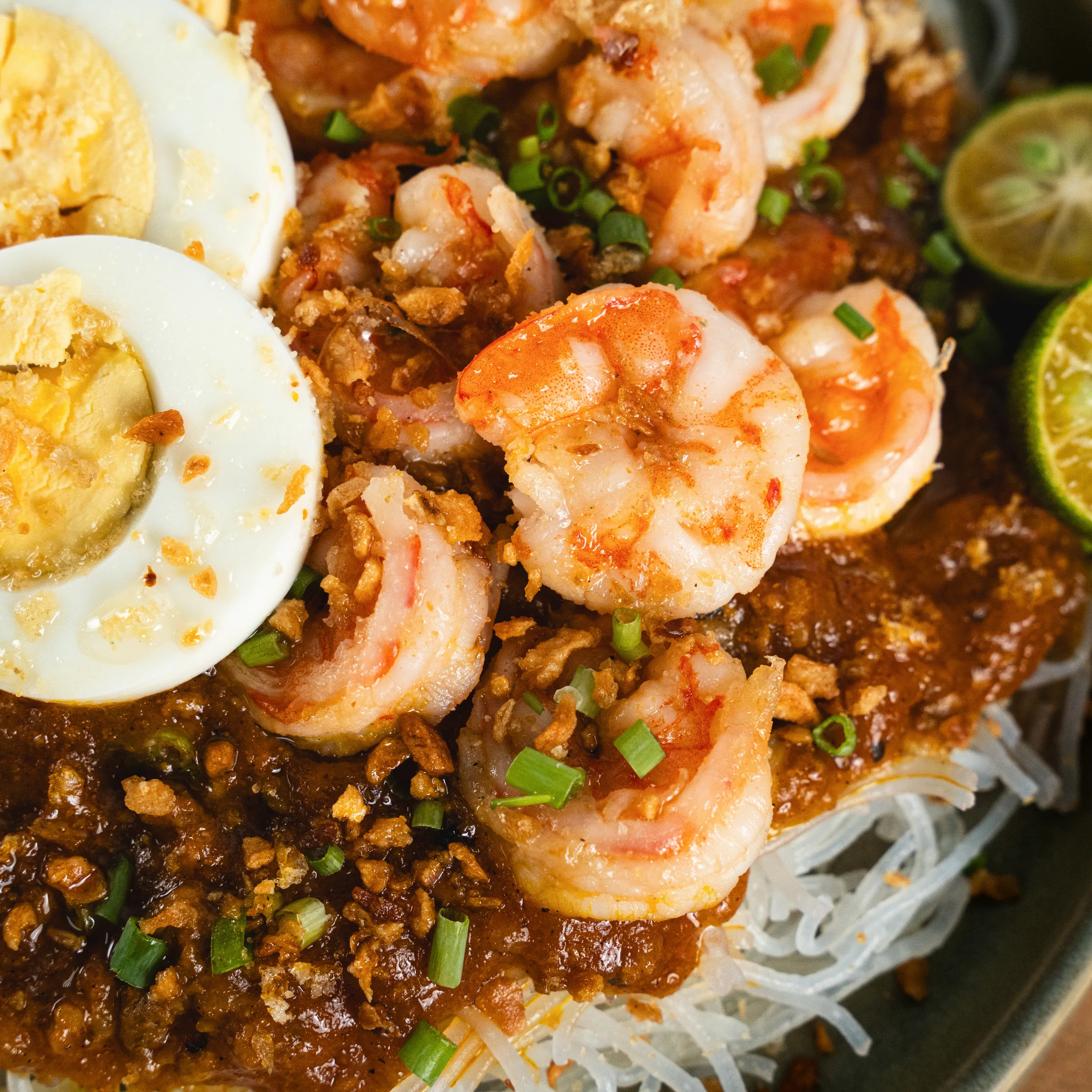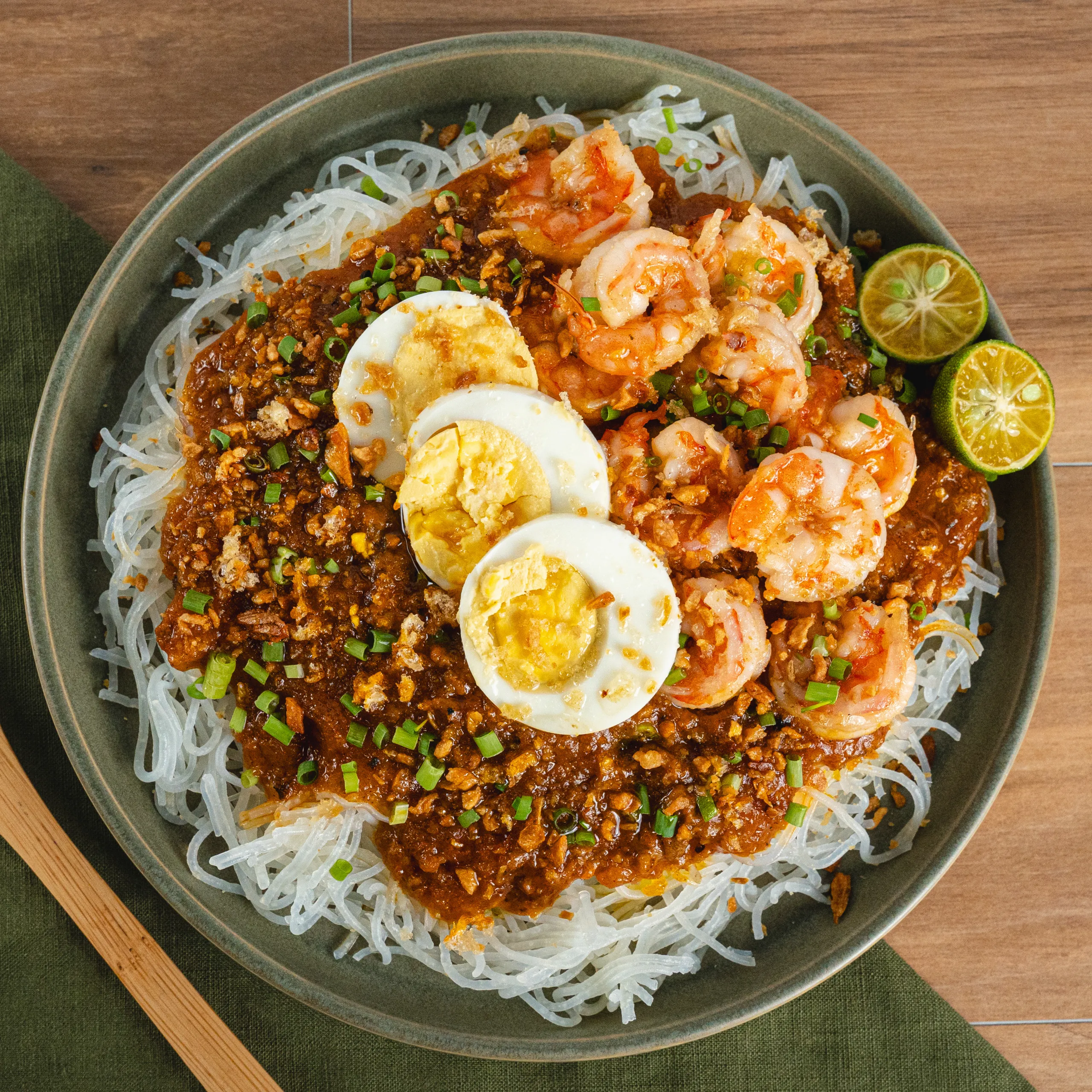
Pancit Palabok is one of the most beloved noodle dishes in the Philippines, known for its bright orange sauce, savory seafood flavor, and delicious combination of toppings. It is a dish that brings together the comforting taste of noodles, the richness of shrimp and pork, the crunch of chicharon, and the freshness of spring onions and calamansi.
For many Filipino families, Pancit Palabok is more than just a meal. It is a familiar sight during birthdays, fiestas, family reunions, holidays, and other special occasions. Its colorful appearance makes it attractive on the dining table, while its rich flavor makes every serving satisfying and memorable.
What makes Pancit Palabok special is its flavorful sauce. Traditionally, the sauce gets much of its color from annatto, while seafood stock, garlic, onions, and fish sauce help create its distinctive savory taste. The noodles absorb the sauce, allowing the flavors to come together in every bite. Toppings such as boiled eggs, crushed chicharon, toasted garlic, shrimp, and spring onions add different textures and flavors.
This recipe uses simple ingredients that can be found in many Filipino markets and supermarkets. Whether you are preparing it for a special celebration or simply craving a comforting homemade meal, Pancit Palabok is a wonderful dish to learn and share with loved ones.
The best part is that you can adjust the toppings and seasonings according to your taste. With a little patience and preparation, you can create a delicious plate of Pancit Palabok right in your own kitchen.
History of Pancit Palabok
Pancit Palabok is part of the Philippines’ rich noodle-cooking tradition, which reflects centuries of cultural exchange and the creativity of Filipino cooks.
The word pancit is commonly associated with Chinese noodle traditions. Chinese traders and settlers helped introduce noodle dishes to the Philippines, and over generations, Filipinos adapted these foods using local ingredients, cooking techniques, and regional flavors.
As noodle dishes became part of Filipino food culture, different varieties developed. These include Pancit Canton, Pancit Bihon, Pancit Malabon, and Pancit Palabok. Although these dishes share a common noodle-based foundation, each has its own preparation method, sauce, toppings, and regional identity.
Pancit Palabok is especially recognizable because of its orange-colored sauce, which is commonly flavored with seafood stock, shrimp, and annatto. It is often served with toppings such as hard-boiled eggs, crushed pork cracklings, toasted garlic, and green onions. Calamansi is usually served on the side to provide a bright, citrusy contrast to the rich sauce.
The exact origin and date of Pancit Palabok are not firmly established in widely documented historical records. However, it is part of the broader Filipino tradition of adapting noodle dishes to local tastes and ingredients.
Pancit Palabok is also associated with celebrations. In Filipino culture, noodles are often connected with long life and good fortune, particularly during birthdays. While different families have their own beliefs and traditions, serving pancit during gatherings has become a familiar way of expressing hospitality and sharing abundance.
Today, Pancit Palabok can be found in restaurants, food stalls, neighborhood eateries, and home kitchens throughout the country. Some versions have thicker sauces, while others emphasize seafood or include additional toppings. Despite these variations, the dish remains a much-loved Filipino favorite.
Understanding the ingredients
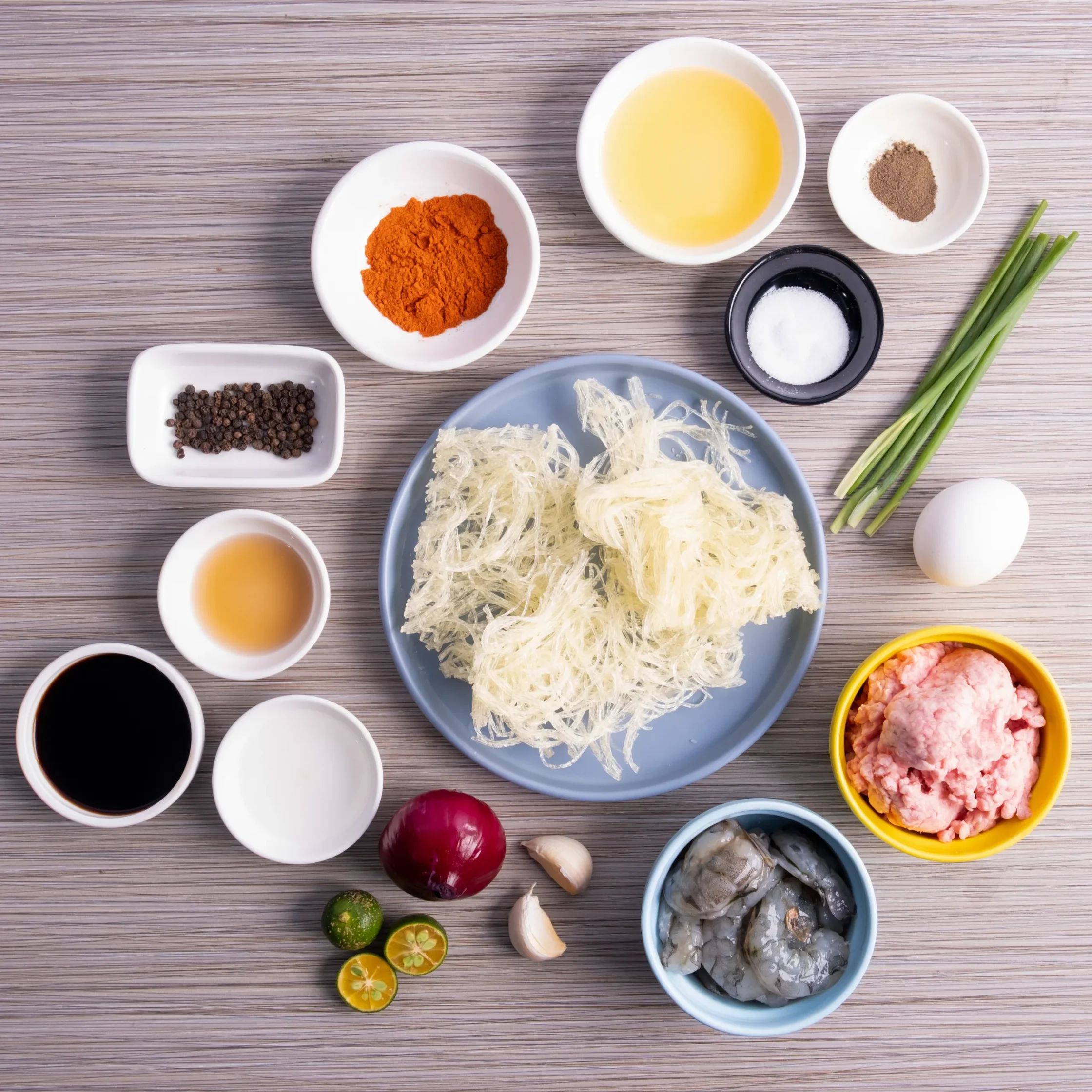
- Palabok noodles: These are typically thin rice noodles that provide the foundation of the dish. Their texture works well with the thick, flavorful sauce.
- Ground pork: Adds savory flavor and richness to the sauce.
- Shrimp: Provides seafood flavor and serves as an attractive topping.
- Garlic and onion: Build the aromatic base that makes the sauce more flavorful.
- Annatto powder or annatto oil: Gives the sauce its characteristic orange color and a subtle earthy flavor.
- Cornstarch: Thickens the sauce so that it coats the noodles instead of becoming watery.
- Shrimp or seafood stock: Provides a deeper seafood flavor than plain water.
- Fish sauce: Adds saltiness and umami, helping bring the flavors together.
- Black pepper: Gives the sauce mild warmth.
- Chicharon: Adds a crunchy, savory topping.
- Hard-boiled eggs: Provide a creamy texture and additional protein.
- Spring onions: Add freshness, color, and a mild onion flavor.
- Toasted garlic: Contributes a fragrant, crunchy topping.
- Calamansi: Adds citrusy acidity that balances the richness of the sauce.
Recipe Tips for Delicious Pancit Palabok
- Avoid overcooking the noodles. Rice noodles can become mushy quickly, so follow the package instructions and check their texture regularly.
- Use flavorful stock. Shrimp stock made from shrimp shells can add a deeper seafood taste. If using prepared stock, check its salt content before adding fish sauce.
- Dissolve cornstarch in cold water. This prevents lumps from forming in the sauce.
- Add the thickener gradually. Different stocks and annatto products may affect the consistency, so adjust until the sauce coats the noodles nicely.
- Cook the pork thoroughly. Browning it well develops a more satisfying flavor.
- Do not overcook the shrimp. Shrimp become rubbery when cooked for too long. Add them near the end if they have already been cooked separately.
- Prepare the toppings ahead of time. Hard-boiled eggs, toasted garlic, spring onions, and crushed chicharon can be prepared before assembling the dish.
- Keep the toppings crunchy. Add chicharon and toasted garlic just before serving to prevent them from becoming soggy.
- Taste before adding more fish sauce. Seafood stock, chicharon, and other toppings can already contain considerable sodium.
- Serve calamansi separately. This lets everyone adjust the citrus flavor to their preference.
Ingredient Substitutions for Pancit Palabok
You can still prepare a delicious version of Pancit Palabok if you cannot find every ingredient.
Can Pancit Palabok be made without pork?
Yes. You can omit the pork and increase the shrimp, add mushrooms, or use finely chopped vegetables. A seafood-focused version can still be flavorful if the stock is well prepared.
Can I make it vegetarian?
Yes, with several adjustments. Use vegetable stock, omit the pork and shrimp, and add mushrooms, tofu, or other vegetables. Replace fish sauce with soy sauce or a suitable vegetarian seasoning. Use a vegetarian crunchy topping instead of pork chicharon.
The result will be a vegetarian-inspired palabok rather than the traditional pork-and-seafood version.
What if I cannot find annatto?
Annatto is important for the recognizable color of palabok, but you can still prepare the dish without it. The sauce will simply be less orange. Avoid using large amounts of unrelated food coloring or spices to imitate the color, as they may change the flavor.
Interesting Knowledge About Pancit Palabok
Why is Pancit Palabok orange?
The orange color usually comes from annatto, also known as atsuete in the Philippines. Annatto seeds contain natural pigments that are used to color foods. Depending on the product and recipe, the sauce may range from golden orange to a deeper reddish-orange.
What is the difference between Pancit Palabok and Pancit Malabon?
Both dishes are Filipino noodle favorites that often feature seafood, eggs, and flavorful toppings. However, they are not identical.
Pancit Palabok commonly uses relatively thin rice noodles covered with a savory orange sauce. Pancit Malabon is especially associated with thicker noodles and a seafood-rich preparation with its own regional style. Recipes vary by household and vendor, so the toppings and sauces can overlap.
Why is the sauce thick?
Cornstarch or another starch is often used to thicken the sauce so it clings to the noodles and toppings. A good sauce should be thick enough to coat the noodles but not so thick that it becomes pasty.
Why is calamansi served with Pancit Palabok?
Calamansi contributes acidity and a fresh citrus aroma. Its brightness helps balance the rich sauce, savory pork, seafood, and crunchy toppings.
Why are noodles served during Filipino celebrations?
Noodles are frequently associated with long life and good fortune in Filipino celebrations, particularly birthdays. This is a cultural tradition rather than a nutritional or scientific effect, but it remains meaningful to many families.
Can Pancit Palabok be prepared for a large group?
Absolutely. It is popular for parties because the noodles, sauce, and toppings can be prepared separately and assembled shortly before serving.
For larger gatherings, keep the sauce warm and the toppings separate until the last moment. This preserves the texture and prevents the chicharon and toasted garlic from becoming soggy.
Health Benefits of Pancit Palabok
Pancit Palabok provides a combination of carbohydrates, protein, fats, and several vitamins and minerals. Its nutritional value depends on the portion size, amount of oil, type of stock, and quantity of pork, shrimp, and toppings.
1. Provides energy
Palabok noodles are usually made from rice, which provides carbohydrates. Carbohydrates are an important source of energy for everyday activities.
2. Supplies protein
Ground pork, shrimp, and eggs contribute protein, which supports muscle maintenance, tissue repair, and normal body functions.
3. Contains nutrients from shrimp
Shrimp provides protein and nutrients such as vitamin B12, selenium, and iodine. The exact amounts depend on the portion size and preparation.
4. Provides nutrients from eggs
Hard-boiled eggs contribute protein, vitamin B12, choline, and other nutrients. They also add texture and make the dish more satisfying.
5. Includes garlic and onion
Garlic and onions contain plant compounds and contribute flavor. They can make the dish more aromatic without requiring additional salt.
6. Offers an opportunity to include vegetables
Although traditional Pancit Palabok is not usually vegetable-heavy, you can add finely sliced cabbage, carrots, or other vegetables to increase fiber and variety.
How to make Pancit Palabok a little healthier
- Use lean ground pork or replace some of it with mushrooms.
- Measure the cooking oil instead of adding extra.
- Use low-sodium seafood stock and moderate the fish sauce.
- Use chicharon sparingly if you want to reduce saturated fat and sodium.
- Add more shrimp or vegetables according to your nutritional needs.
- Keep portions reasonable and pair the noodles with vegetables or a fresh side salad.
Important: Pancit Palabok can be high in sodium, especially when prepared with fish sauce, salted stock, chicharon, and commercial seasonings. It may also be energy-dense depending on the oil and toppings. People who need to limit sodium or manage a specific medical condition should adapt the recipe to their dietary requirements.
How to Store Pancit Palabok Properly
Pancit Palabok contains cooked noodles, meat, seafood, eggs, and sauce, so proper storage is essential to keep it safe.
At room temperature
Do not leave cooked Pancit Palabok at room temperature for more than 2 hours. If the surrounding temperature is above 32°C, such as during hot weather in the Philippines, refrigerate it within 1 hour.
Do not leave a platter on the dining table for an extended period and assume that the sauce will preserve the food.
In the refrigerator
- Place leftovers in clean, shallow, airtight containers.
- Refrigerate at 4°C or below.
- Store the noodles, sauce, and toppings separately when possible.
- Use refrigerated leftovers within 3–4 days.
- Label the containers with the preparation date.
Separating the noodles from the sauce helps preserve the texture and prevents the noodles from absorbing too much liquid.
In the freezer
You can freeze the cooked noodles and sauce, but the texture may change after thawing.
- Freeze the noodles and sauce in separate airtight, freezer-safe containers.
- For best quality, use frozen portions within approximately 2–3 months.
- Avoid freezing the assembled dish with all its toppings if you want the best texture.
- Add freshly prepared eggs, spring onions, toasted garlic, and chicharon after reheating.
When reheating
Reheat the sauce in a saucepan until it is steaming hot throughout. If it has thickened during storage, add a little water or stock and stir well.
Reheat noodles until thoroughly hot, either separately or together with the sauce. Leftovers should reach an internal temperature of 74°C (165°F).
Avoid repeatedly cooling and reheating the entire batch. Reheat only the amount you plan to eat.
How to store the toppings
- Hard-boiled eggs: Refrigerate promptly in a covered container.
- Cooked shrimp: Refrigerate in an airtight container and use within the recommended leftover storage period.
- Toasted garlic: Keep in a clean, dry, airtight container, but refrigerate if it has been mixed with moisture or other perishable ingredients.
- Crushed chicharon: Store in a dry, airtight container to help retain its crunch.
- Spring onions: Refrigerate in a clean container and chop fresh when possible.
- Calamansi: Store whole fruit in the refrigerator for longer freshness, and cut it shortly before serving.
Never taste leftovers to determine whether they are safe. Food can contain harmful bacteria even when it looks and smells normal.
Final Words About Pancit Palabok
Pancit Palabok is more than a delicious noodle dish. It is a reflection of Filipino creativity, hospitality, and the joy of sharing food with family and friends. Its bright orange sauce, tender noodles, savory pork, seafood, crunchy chicharon, and fresh calamansi create a combination that is both comforting and memorable.
One of the most wonderful things about Pancit Palabok is that it can be enjoyed in many different settings. It can be the centerpiece of a birthday celebration, a welcome addition to a family reunion, a party tray shared among friends, or a special homemade meal on an ordinary day.
Although the recipe may seem to involve many components, each ingredient has a purpose. The noodles provide the foundation, the sauce brings everything together, and the toppings contribute layers of flavor and texture. With good preparation and careful seasoning, even a beginner can create a satisfying homemade version.
Do not be afraid to adjust the recipe to suit your budget, available ingredients, or dietary preferences. You can experiment with different proteins, prepare a vegetarian-inspired version, or add vegetables to make the dish more varied. What matters most is preserving the balance of flavors and preparing the food safely.
Ultimately, Pancit Palabok reminds us that food is not only about nourishment but also about connection. Every plate can carry memories of celebrations, family traditions, and moments spent around the table.
So prepare your noodles, simmer that flavorful orange sauce, add your favorite toppings, and share a delicious plate of Pancit Palabok with the people who matter most. A homemade Filipino favorite like this is always worth celebrating.