Advertisement

Love Chicharon? Try These 5 Pork-Free Alternatives

Whether you're avoiding pork or simply craving something different, these crunchy alternatives deliver all the crackle with a fresh twist.

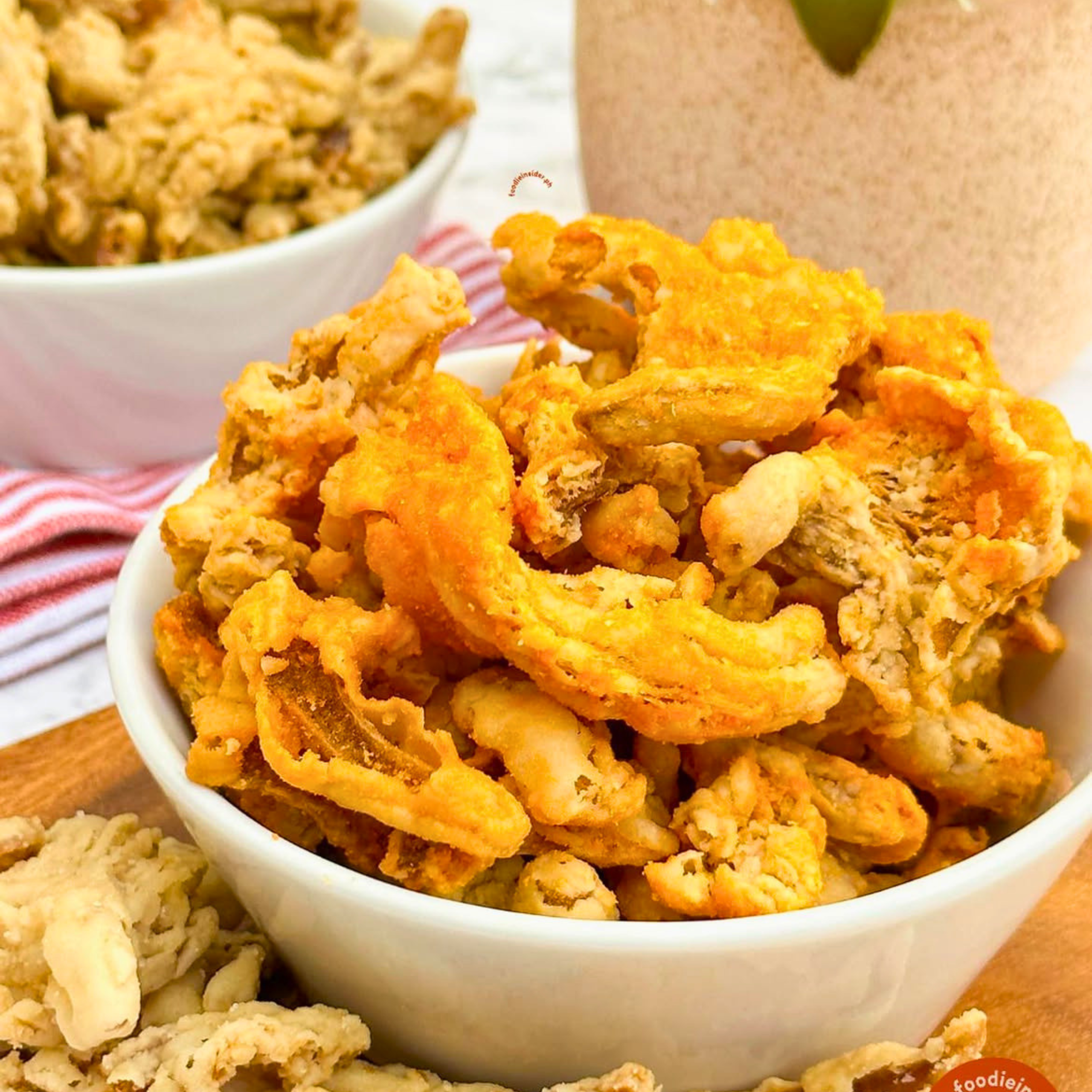
fried crispy Mushroom Chicharon PHOTO COURTESY OF FoodieInsiderph Official Instagram
Mushroom Chicharon [PHOTO COURTESY OF FoodieInsiderph Official Instagram]

Chicharon is oily, you’ll get crumbs all over your shirt, and you’re probably going to need blood pressure or cholesterol medicine shortly after eating. But nothing really beats the crunch and crackle of perfectly golden chicharon, so no one actually says no.

Thankfully, you don’t have to stick with just pork to enjoy that addictive crunch. Over the years, chefs, food lovers, and crunch connoisseurs have experimented with different ingredients in an attempt to recreate the irresistible savoriness of chicharon. 

So whether you’re avoiding pork for health, religious, personal reasons, or if you’re simply curious, these crispy alternatives deserve a spot on your snack list.

1. Chicken Skin

Everyone knows the best part of fried chicken is the crisp, golden skin. Chicken skin chicharon turns that favorite into the main event. Fried until it’s golden and blistered, every crunchy piece shatters with a satisfying crackle, turning into savory debris that quickly coats the mouth in flavor. It’s delicious on its own, but spicy vinegar takes it to a whole ‘nother level. The tangy kick balances the richness so well that stopping after one handful feels almost impossible.
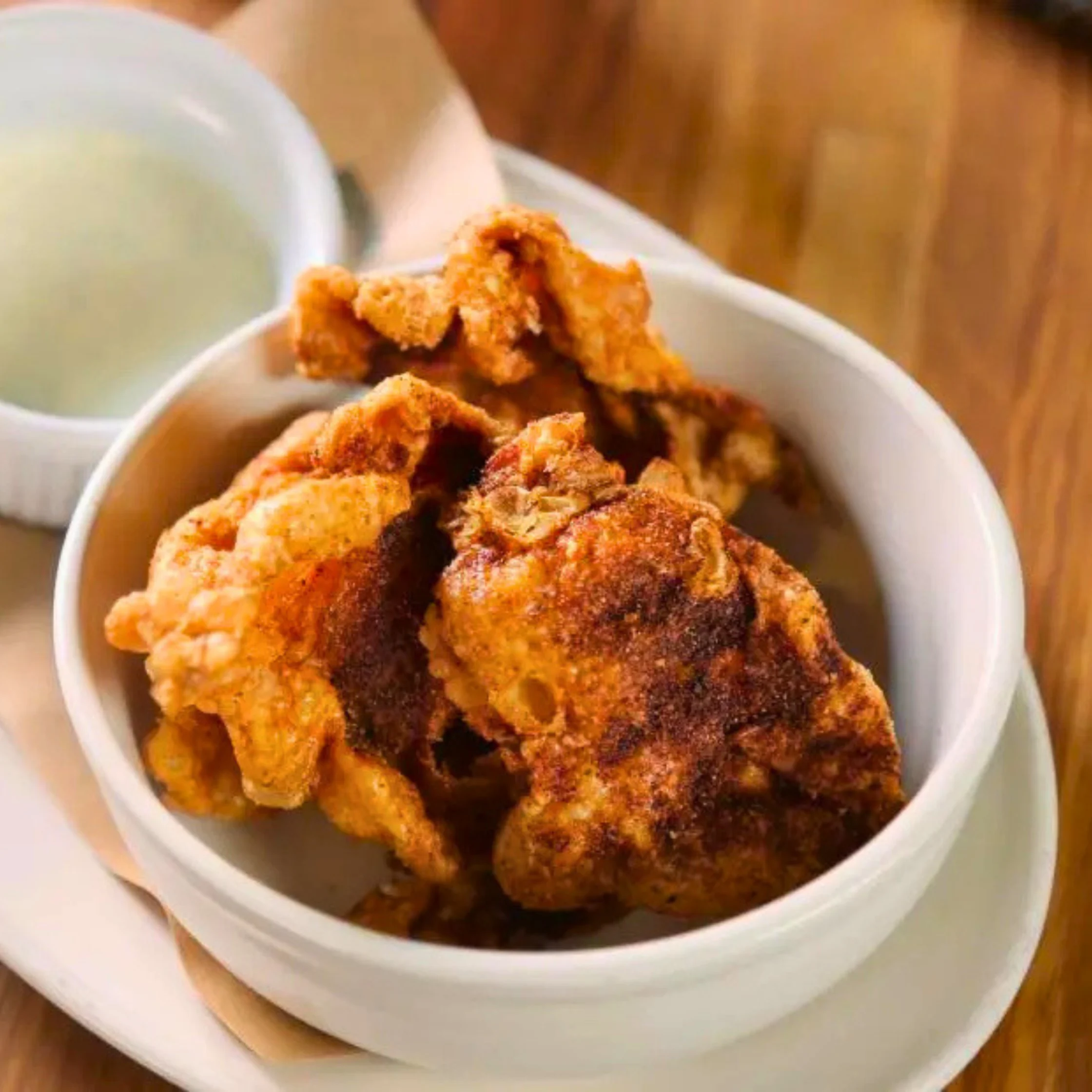
fried crispy Chicken skin PHOTO COURTESY OF Food Network Official Website
Chicken skin [PHOTO COURTESY OF Food Network Official Website]

2. Yuba (Tofu Skin)

Yuba may be a paper-thin sheet skimmed off the top of hot soy milk, but a quick dip in piping hot oil changes everything. It curls and puffs up into crisp, golden bites that practically disappear on contact. Sprinkle some salt on top or dunk it in your favorite sawsawan, and suddenly tofu’s surprisingly addictive.
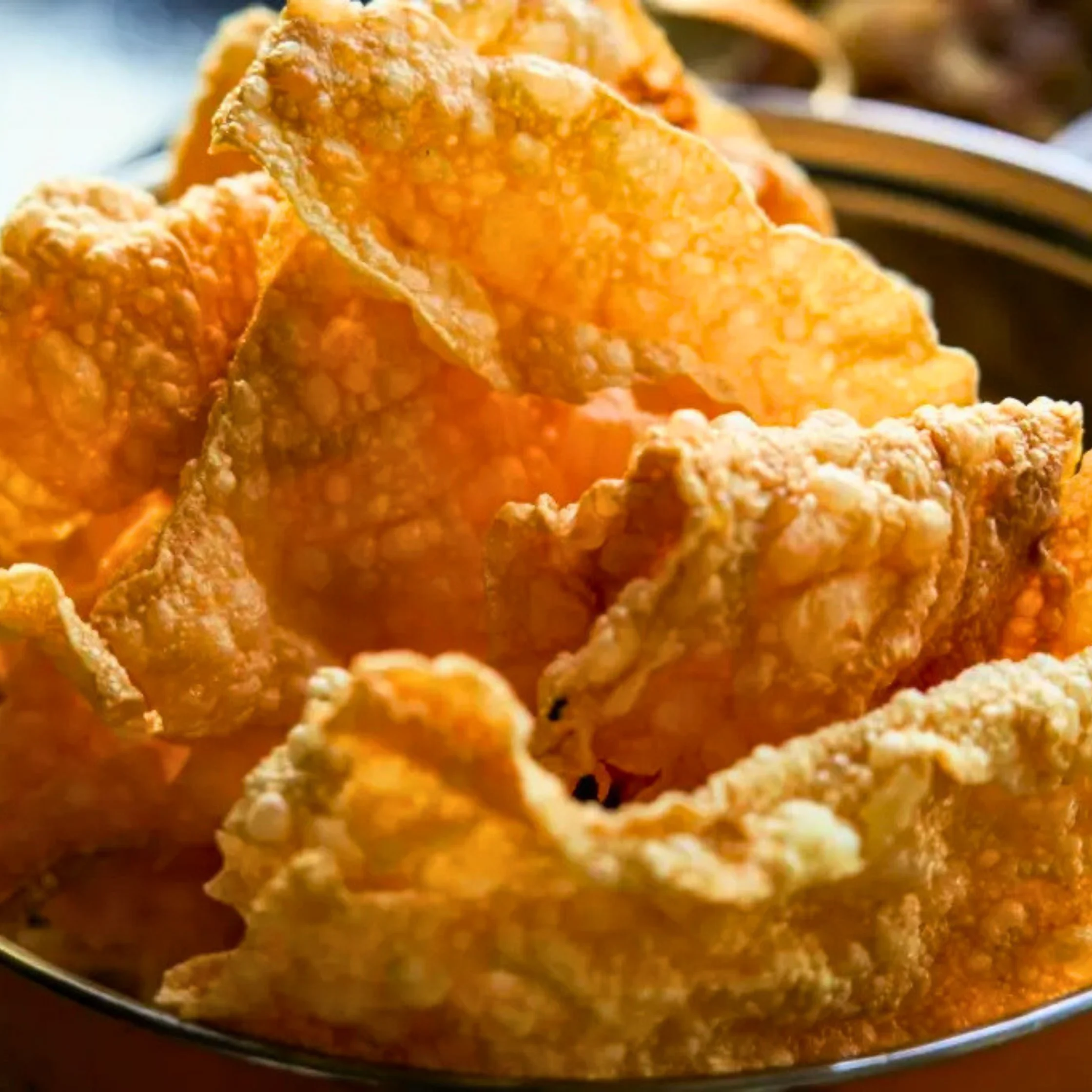
fried crispy Yuba Chicharon PHOTO COURTESY OF Sakura Co Official Website
Yuba Chicharon [PHOTO COURTESY OF Sakura Co Official Website]

3. Beef/Tripe Chicharon

For those who can’t eat pork but still crave that unmistakable crunch, beef or tripe chicharon is a halal-friendly alternative that doesn’t compromise on crunch or flavor. Fried in hot oil, each rich, beefy bite is accompanied by a loud crunch that’s sure to turn a few heads. Beef skin offers a crisp bite with just a bit of chew, while tripe adds an extra layer of texture that’s uncommon for the dish. It may not be the healthiest option on this list, but nobody eats chicharon for the health benefits.
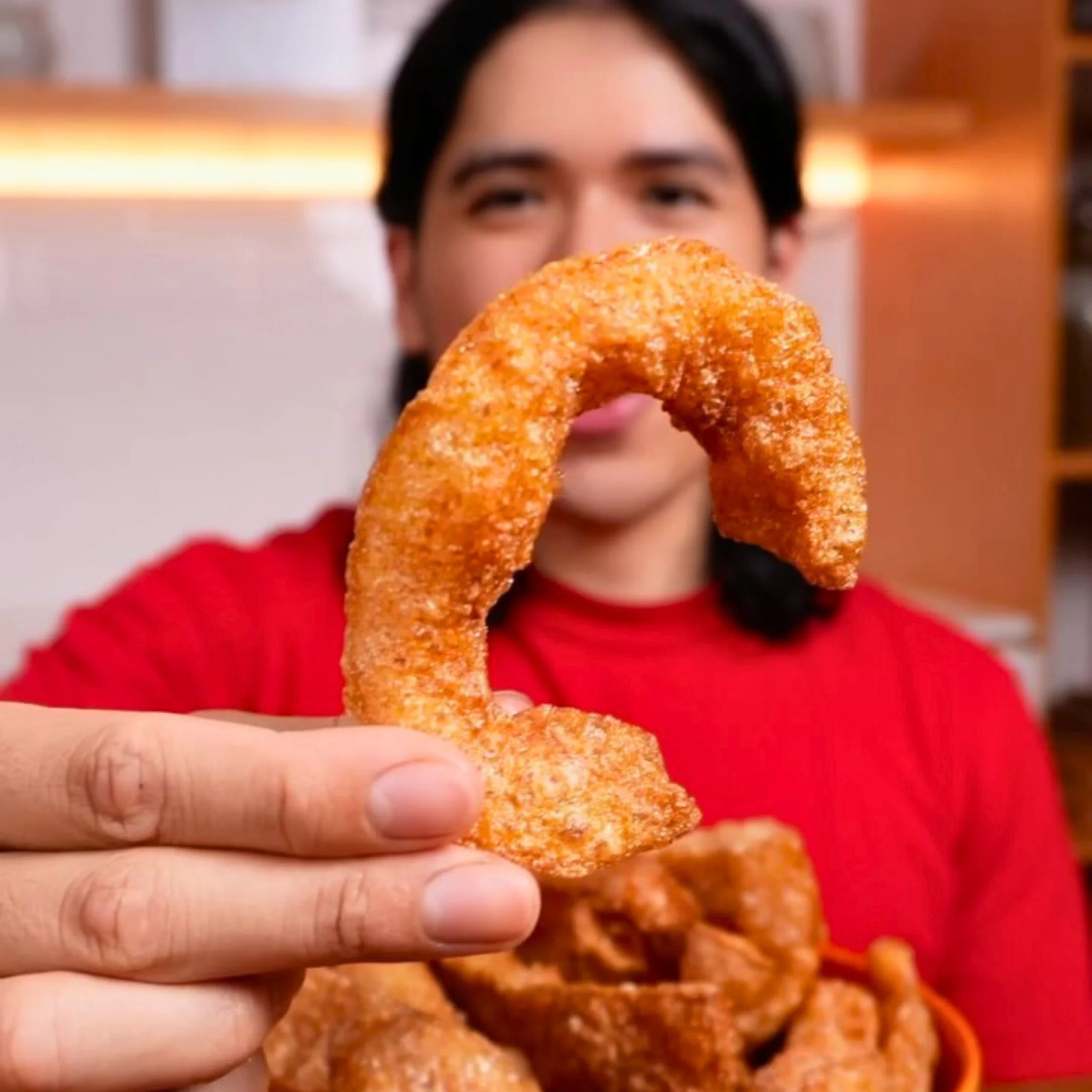
fried crispy Beef Chicharon PHOTO COURTESY OF Jujumao Official Instagram
Beef Chicharon [PHOTO COURTESY OF Jujumao Official Instagram]

4. Mushroom Chicharon

Mushrooms might be the last thing you’d expect to turn into chicharon, but oyster mushrooms are always full of surprises. Fried until the edges are crisp and golden, they deliver a light, airy crunch with just enough chew to keep every bite interesting for even the most dedicated meat lovers out there.
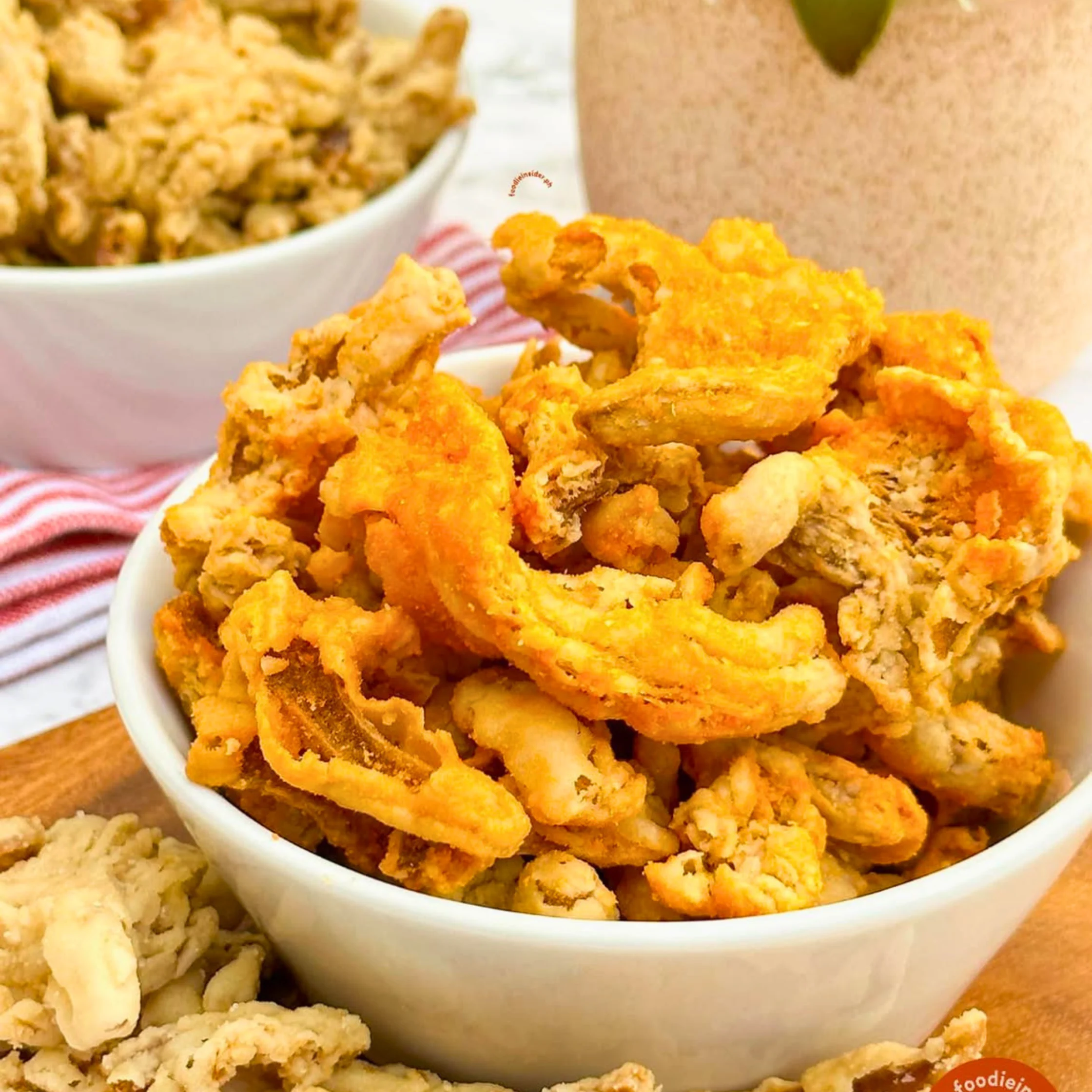
fried crispy Mushroom Chicharon PHOTO COURTESY OF FoodieInsiderph Official Instagram
Mushroom Chicharon [PHOTO COURTESY OF FoodieInsiderph Official Instagram]

5. Vegan Chicharon

The meat-free options don’t stop with mushrooms and yuba. Vegan chicharon, typically made from ingredients like green peas, cassava, potatoes, and coconut oil, has become easier than ever to find, thanks to familiar snacks like Oishi Marty’s Cracklin’. Available in supermarkets and convenience stores across the country, it’s a crunchy favorite that proves you don’t need meat to enjoy chicharon.
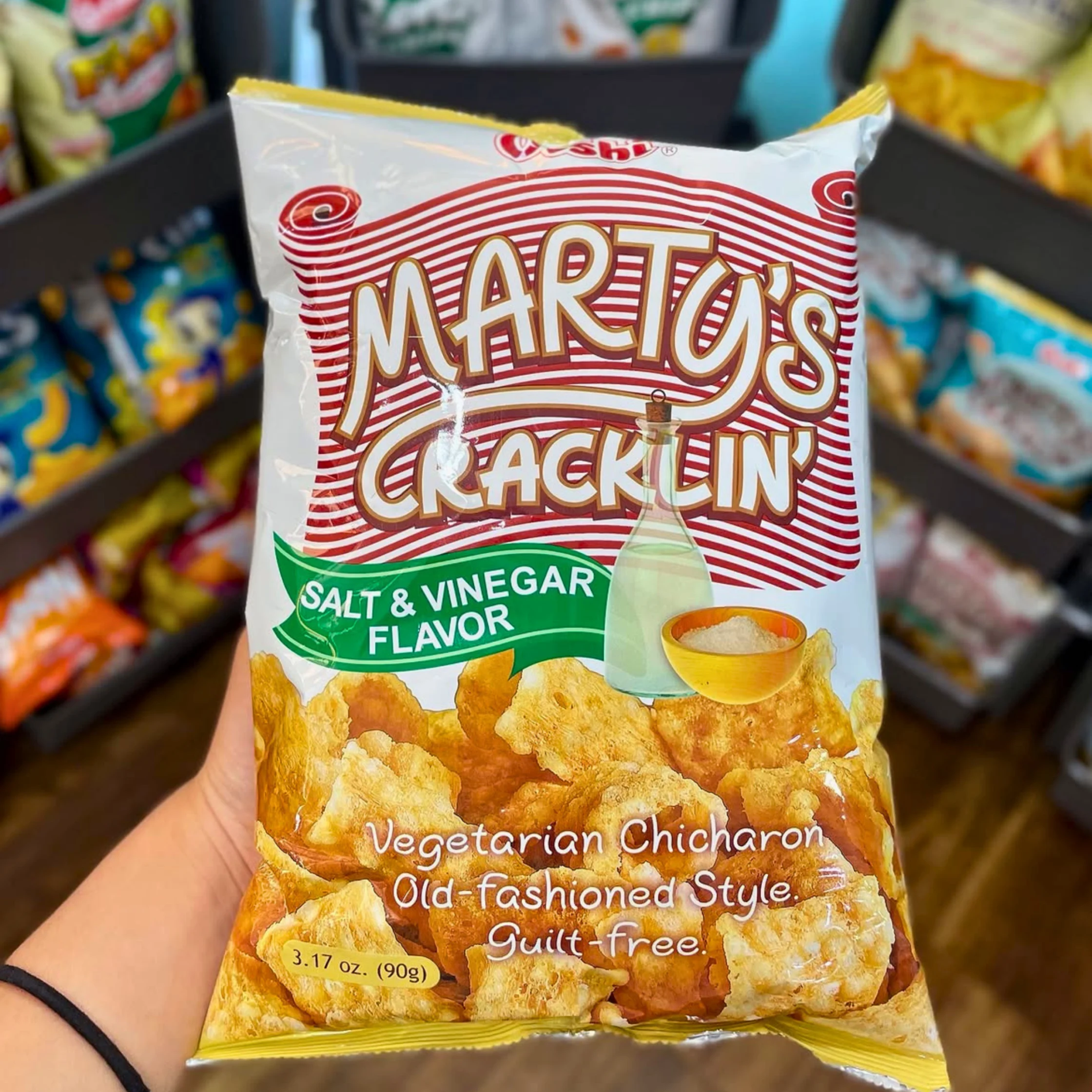
pack of Oishi Martys Cracklin PHOTO COURTESY OF Fil-Mart Eatcetera
Oishi Martys Cracklin [PHOTO COURTESY OF Fil-Mart Eatcetera Official Instagram]

Keep Crunching On

At the end of the day, chicharon is more than just pork. Whether it’s made from chicken skin, yuba, beef, tripe, or mushrooms, it’s that unmistakable crunch and strong savory flavor that delivers what so many people love.

So the next time a craving strikes, don’t be afraid to look beyond the usual bag of pork rinds. You might just discover a new favorite that’s just as crunchy, just as addictive, and just as capable of leaving a trail of crumbs on your shirt.

author avatar
Paolo Elwick
Paolo is a food writer and storyteller exploring the intersections of food, culture, and identity through thoughtful, people-centered storytelling. He believes that, second only to language, food is one of humanity's most powerful expressions of culture—a medium for preserving history, expressing identity, and coming to understand ourselves and connect with others. Drawn to the histories, traditions, and personal experiences behind every dish, his writing combines curiosity with emotional honesty, highlighting diverse voices and celebrating the communities that shape our food landscape. Influenced by writers and artists who embrace vulnerability and introspection, Paolo uses a reflective, metaphor-rich approach to uncover the deeper meanings found in everyday meals and shared tables. He is passionate about creating stories that foster empathy, preserve cultural narratives, and invite readers to see food as more than sustenance—as memory, identity, and belonging. Through his work, Paolo hopes to amplify underrepresented perspectives and spark meaningful conversations that extend far beyond the plate.

Frequently Asked Questions

Chicken skin, yuba (tofu skin), beef or tripe, oyster mushrooms, and vegan versions made from ingredients like green peas, cassava, and coconut oil all fry up into chicharon-style crackling, offering the same crunch without using pork.

author avatar
Paolo Elwick
Paolo is a food writer and storyteller exploring the intersections of food, culture, and identity through thoughtful, people-centered storytelling. He believes that, second only to language, food is one of humanity's most powerful expressions of culture—a medium for preserving history, expressing identity, and coming to understand ourselves and connect with others. Drawn to the histories, traditions, and personal experiences behind every dish, his writing combines curiosity with emotional honesty, highlighting diverse voices and celebrating the communities that shape our food landscape. Influenced by writers and artists who embrace vulnerability and introspection, Paolo uses a reflective, metaphor-rich approach to uncover the deeper meanings found in everyday meals and shared tables. He is passionate about creating stories that foster empathy, preserve cultural narratives, and invite readers to see food as more than sustenance—as memory, identity, and belonging. Through his work, Paolo hopes to amplify underrepresented perspectives and spark meaningful conversations that extend far beyond the plate.

Yuba is a thin sheet skimmed from the surface of hot soy milk. When fried in hot oil, it curls and puffs into a crisp, golden bite, offering a texture close to traditional pork chicharon once seasoned with salt or dipped in sawsawan.

author avatar
Paolo Elwick
Paolo is a food writer and storyteller exploring the intersections of food, culture, and identity through thoughtful, people-centered storytelling. He believes that, second only to language, food is one of humanity's most powerful expressions of culture—a medium for preserving history, expressing identity, and coming to understand ourselves and connect with others. Drawn to the histories, traditions, and personal experiences behind every dish, his writing combines curiosity with emotional honesty, highlighting diverse voices and celebrating the communities that shape our food landscape. Influenced by writers and artists who embrace vulnerability and introspection, Paolo uses a reflective, metaphor-rich approach to uncover the deeper meanings found in everyday meals and shared tables. He is passionate about creating stories that foster empathy, preserve cultural narratives, and invite readers to see food as more than sustenance—as memory, identity, and belonging. Through his work, Paolo hopes to amplify underrepresented perspectives and spark meaningful conversations that extend far beyond the plate.

Yes. Beef and tripe chicharon are fried in hot oil like pork chicharon but use beef skin or tripe instead, making them a halal-friendly alternative for those who can’t eat pork while still delivering a crunchy, rich-tasting bite.

author avatar
Paolo Elwick
Paolo is a food writer and storyteller exploring the intersections of food, culture, and identity through thoughtful, people-centered storytelling. He believes that, second only to language, food is one of humanity's most powerful expressions of culture—a medium for preserving history, expressing identity, and coming to understand ourselves and connect with others. Drawn to the histories, traditions, and personal experiences behind every dish, his writing combines curiosity with emotional honesty, highlighting diverse voices and celebrating the communities that shape our food landscape. Influenced by writers and artists who embrace vulnerability and introspection, Paolo uses a reflective, metaphor-rich approach to uncover the deeper meanings found in everyday meals and shared tables. He is passionate about creating stories that foster empathy, preserve cultural narratives, and invite readers to see food as more than sustenance—as memory, identity, and belonging. Through his work, Paolo hopes to amplify underrepresented perspectives and spark meaningful conversations that extend far beyond the plate.

Yes. Oyster mushrooms fried until their edges turn crisp and golden produce a light, airy crunch with some chew, giving even dedicated meat eaters a plant-based version of chicharon’s signature texture.

author avatar
Paolo Elwick
Paolo is a food writer and storyteller exploring the intersections of food, culture, and identity through thoughtful, people-centered storytelling. He believes that, second only to language, food is one of humanity's most powerful expressions of culture—a medium for preserving history, expressing identity, and coming to understand ourselves and connect with others. Drawn to the histories, traditions, and personal experiences behind every dish, his writing combines curiosity with emotional honesty, highlighting diverse voices and celebrating the communities that shape our food landscape. Influenced by writers and artists who embrace vulnerability and introspection, Paolo uses a reflective, metaphor-rich approach to uncover the deeper meanings found in everyday meals and shared tables. He is passionate about creating stories that foster empathy, preserve cultural narratives, and invite readers to see food as more than sustenance—as memory, identity, and belonging. Through his work, Paolo hopes to amplify underrepresented perspectives and spark meaningful conversations that extend far beyond the plate.

Vegan chicharon is typically made from ingredients like green peas, cassava, potatoes, and coconut oil. Branded versions, such as Oishi Marty’s Cracklin’, are widely available in Philippine supermarkets and convenience stores.

author avatar
Paolo Elwick
Paolo is a food writer and storyteller exploring the intersections of food, culture, and identity through thoughtful, people-centered storytelling. He believes that, second only to language, food is one of humanity's most powerful expressions of culture—a medium for preserving history, expressing identity, and coming to understand ourselves and connect with others. Drawn to the histories, traditions, and personal experiences behind every dish, his writing combines curiosity with emotional honesty, highlighting diverse voices and celebrating the communities that shape our food landscape. Influenced by writers and artists who embrace vulnerability and introspection, Paolo uses a reflective, metaphor-rich approach to uncover the deeper meanings found in everyday meals and shared tables. He is passionate about creating stories that foster empathy, preserve cultural narratives, and invite readers to see food as more than sustenance—as memory, identity, and belonging. Through his work, Paolo hopes to amplify underrepresented perspectives and spark meaningful conversations that extend far beyond the plate.
paolo elwick delish ph food writer

Paolo Elwick

Writer

Paolo is a food writer and storyteller exploring the intersections of food, culture, and identity through thoughtful, people-centered storytelling. He believes that, second only to language, food is one of humanity's most powerful expressions of culture—a medium for preserving history, expressing identity, and coming to understand ourselves and connect with others. Drawn to the histories, traditions, and personal experiences behind every dish, his writing combines curiosity with emotional honesty, highlighting diverse voices and celebrating the communities that shape our food landscape. Influenced by writers and artists who embrace vulnerability and introspection, Paolo uses a reflective, metaphor-rich approach to uncover the deeper meanings found in everyday meals and shared tables. He is passionate about creating stories that foster empathy, preserve cultural narratives, and invite readers to see food as more than sustenance—as memory, identity, and belonging. Through his work, Paolo hopes to amplify underrepresented perspectives and spark meaningful conversations that extend far beyond the plate.

0 0 votes
Total of Ratings
guest
Rating
Ratings for Article
0 Comments
Oldest
Newest Most Voted

To provide a customized ad experience, we need to know if you are of legal age in your region.

By making a selection, you agree to our Terms & Conditions.