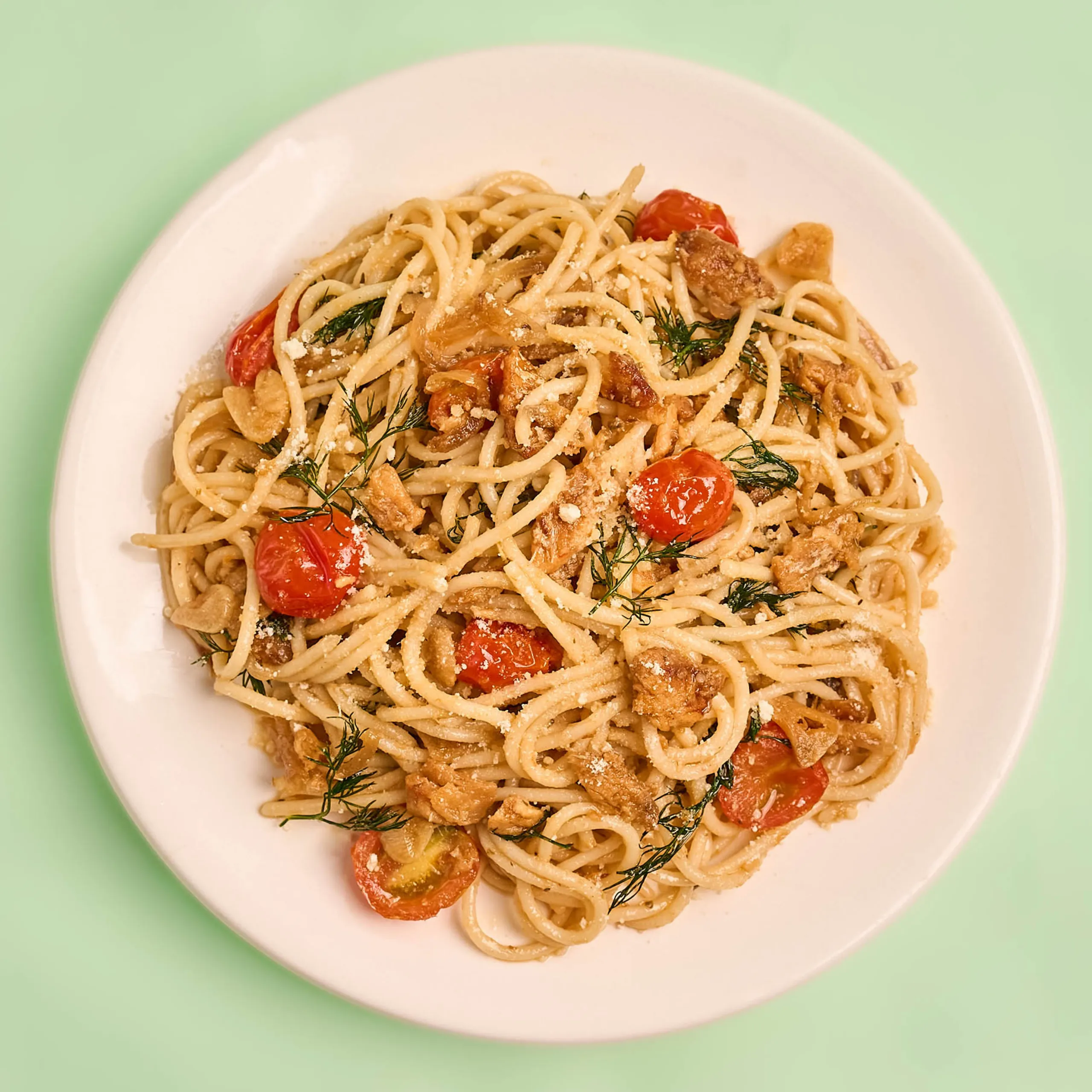


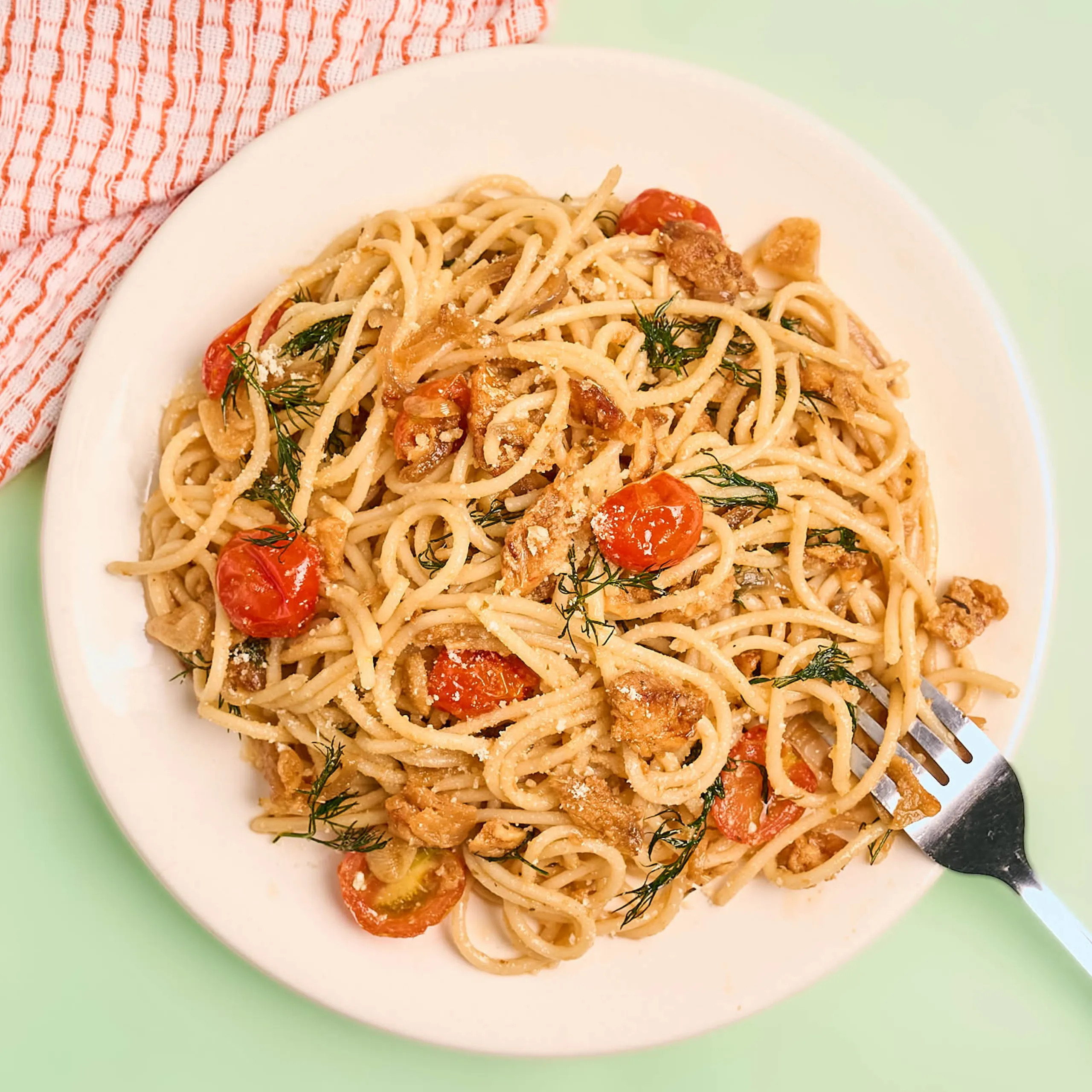
Pinakas Pasta is a modern Filipino-inspired pasta dish that combines the rich, salty, umami character of pinakas—salted and sun-dried fish—with the comforting texture of pasta. It brings together two very different food traditions: an indigenous Filipino method of preserving seafood and a pasta preparation associated with Western cuisine. The result is a dish that is intensely savory, aromatic, and distinctly Filipino.
Pinakas is particularly associated with Antique and the coastal communities of Western Visayas. It is made by cleaning and splitting fish open, salting it generously, and drying it in the sun and air. The process removes moisture while the salt helps preserve the fish, producing a concentrated flavor that can be used not only as a meal with rice but also as a flavoring ingredient in other dishes.
History of Pinakas
The history of pinakas is closely connected to the fishing traditions of Culasi, Antique, and Batbatan Island. In these coastal communities, fishing families developed drying and salting as practical ways to preserve their catch, particularly before modern refrigeration became widely available. The Slow Food Foundation describes pinakas as an old traditional preservation method and identifies Batbatan Island and the coastal towns of Antique as important production areas.
The name pinakas or pakas is linked to a local word referring to the process of splitting or cutting the fish open. After the fish is gutted and opened, it is heavily salted and left to dry through exposure to sun and air. Different local fish may be used, including species known locally as guma-a, bulaw, marut, and others.
Historically, pinakas was valued primarily because it made fish last much longer. The combination of salting and drying reduces the moisture needed for microorganisms to grow, allowing the preserved fish to be stored for weeks or even months under traditional conditions. It was also an economical food and was once associated with the everyday or “poverty food” of fishing communities. Over time, however, pinakas became recognized as an important part of local culinary heritage and comfort food.
Traditionally, fried pinakas is eaten with rice and vinegar or calamansi, where the acidity helps balance its strong saltiness. Dried fish more broadly—known in different regions as daing, buwad, uga, or tuyo—has long been an important part of Filipino food culture.
From Traditional Fish to Pasta
The Pinakas Pasta concept can be understood as a contemporary reinterpretation of this traditional ingredient. Instead of serving the dried fish in its familiar form with rice, it incorporates the fish into pasta, allowing its concentrated seafood flavor to act almost like a seasoning.
This kind of fusion reflects the adaptability of Filipino cuisine. A traditionally preserved ingredient can be introduced into a familiar international dish while retaining its distinctly Filipino character. The salty pinakas can provide the umami and seafood depth, while ingredients such as garlic, onions, chili, olive oil, tomatoes, cream, or herbs can soften and complement its intense flavor.
In this way, Pinakas Pasta is more than simply pasta with dried fish: it represents a meeting of Filipino coastal food heritage and contemporary cooking. It transforms an ingredient once valued mainly for preservation and affordability into the centerpiece of a creative dish suitable for modern Filipino tables.
In short: pinakas began as a practical preservation technique among fishing communities, particularly in Antique and Western Visayas. Today, its strong, concentrated flavor gives cooks an opportunity to reinterpret it in new dishes—including pasta—while keeping alive a traditional Filipino food practice.
Recipe Tips for Better Pinakas Pasta
1. Don’t overcook the Pinakas
The fish has already been cooked, so it only needs to be reheated.
Cooking it for too long can make it dry.
2. Save pasta water
This is one of the easiest ways to improve pasta dishes.
A little starchy pasta water can help loosen the sauce and help the olive oil and tomato juices coat the spaghetti.
3. Use good-quality olive oil
Because this recipe doesn’t use a heavy cream or tomato sauce, the olive oil contributes significantly to the final flavor.
A flavorful extra-virgin olive oil can make the dish taste more aromatic.
4. Don’t burn the garlic
Garlic should become fragrant and lightly golden, not dark brown.
If it burns, it’s better to start the garlic and oil again rather than allowing the bitterness to spread throughout the dish.
5. Keep some tomato pieces intact
Cherry tomatoes don’t have to be completely cooked down.
Having soft but recognizable tomato pieces gives the pasta more texture.
6. Season gradually
Pinakas may already have salt, and cheese can also be salty.
Season a little at a time and taste before adding more.
7. Don’t drown the dish in cheese
Cheese is meant to complement the fish rather than hide it.
A light sprinkling is usually enough.
8. Serve immediately
Olive-oil-based pasta is generally best while hot and freshly tossed.
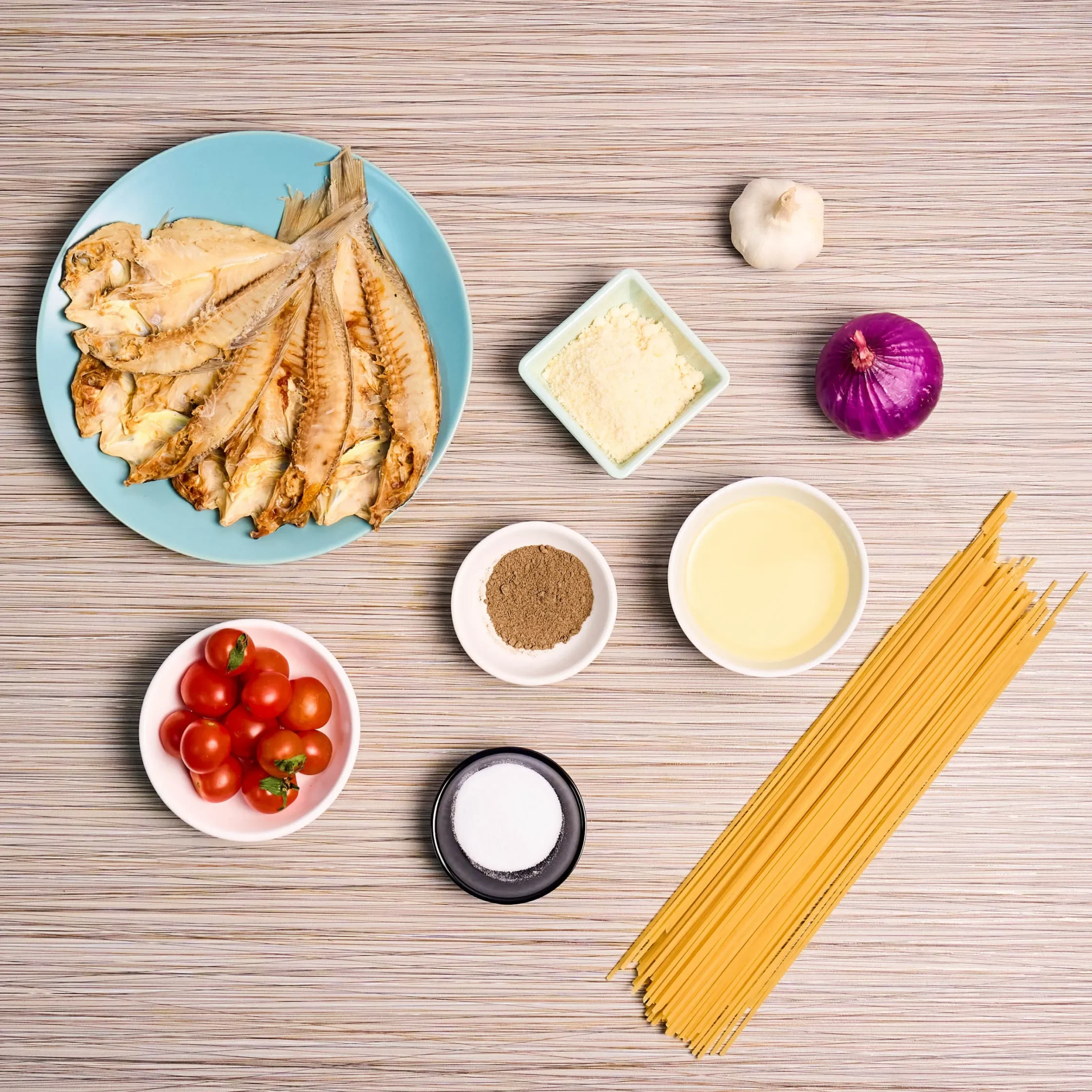
Ingredient Substitutions
Spaghetti
You can substitute spaghetti with:
- Linguine
- Fettuccine
- Angel hair
- Penne
- Fusilli
- Macaroni
- Whole-wheat pasta
Long pasta works particularly well because it allows the olive oil and tomato mixture to coat the noodles.
Pinakas
If you don’t have Pinakas, you can use:
- Grilled fish
- Fried fish
- Baked fish
- Milkfish
- Tilapia
- Mackerel
- Tuna
- Salmon
The important thing is to remove the bones carefully and use cooked fish.
Cherry tomatoes
You can substitute them with:
- Regular tomatoes, diced
- Roma tomatoes
- Canned diced tomatoes
- Canned crushed tomatoes
Fresh cherry tomatoes provide a particularly pleasant combination of sweetness and acidity.
Olive oil
Extra-virgin olive oil gives the strongest flavor, but regular olive oil or another neutral cooking oil can be used.
Cheese
Parmesan is an excellent choice, but you can also use:
- Pecorino
- Grated cheddar
- Quick-melting cheese
- Romano
- A mild Filipino-style cheese
The flavor will change depending on the cheese.
Dill
Dill is optional.
If you don’t have it, try:
- Parsley
- Basil
- Spring onions
- Chives
- Cilantro
Parsley is probably the easiest substitute if you want a fresh herb flavor without changing the character of the dish too much.
Once you’re comfortable with the basic recipe, you can personalize it.
Optional Additions
For spice
Add:
- Red chili flakes
- Fresh chili
- Sliced siling haba
- Chili oil
For more vegetables
Try adding:
- Spinach
- Bell peppers
- Mushrooms
- Zucchini
- Broccoli
- Peas
- Corn
For more creaminess
You can add a small amount of:
- Cream
- Evaporated milk
- Cream cheese
However, this will turn the recipe into a richer, creamier pasta and will make the fish flavor less prominent.
For extra freshness
Add a little lemon or calamansi juice immediately before serving.
The acidity can brighten the olive oil and fish while balancing the richness of the cheese.
What You Should Know About the Food
One of the interesting things about Pinakas Pasta is its balance of richness, acidity, saltiness, and freshness.
The olive oil provides richness.
The Pinakas gives the dish its savory seafood character.
The tomatoes contribute acidity and natural sweetness.
The garlic and onion provide depth.
The cheese adds umami and creaminess.
Dill, meanwhile, provides a fresh herbal note that can make the fish taste lighter.
This balance is important because fish can sometimes make pasta dishes feel heavy if paired with too much cream or cheese. This recipe avoids that by using tomatoes and olive oil as the primary supporting flavors.
Health Benefits of the Ingredients
Pinakas
Fish is an excellent source of protein and may provide nutrients such as vitamin B12 and selenium. Depending on the type of fish used, it can also provide omega-3 fatty acids.
Protein helps support muscles, tissues, enzymes, and many other normal bodily functions.
Tomatoes
Tomatoes provide vitamin C, potassium, and carotenoids such as lycopene.
Lycopene is a naturally occurring antioxidant compound responsible for much of the red color in tomatoes.
Garlic
Garlic contains sulfur-containing compounds and adds strong flavor without requiring a large amount of salt.
Onion
Onions provide flavor along with small amounts of vitamins, minerals, and plant compounds.
Olive Oil
Olive oil is rich in monounsaturated fat and contains various naturally occurring antioxidant compounds, particularly when using extra-virgin olive oil.
Pasta
Pasta provides carbohydrates, which are an important source of energy.
Choosing whole-wheat pasta can increase the fiber content compared with regular refined pasta.
Cheese
Cheese provides protein and calcium, although it can also contribute saturated fat and sodium. Using a moderate amount allows you to enjoy its flavor without making it overpower the dish.
Dill
Although used in a small quantity, fresh dill contributes aromatic plant compounds and can add plenty of flavor without significant calories.
How to Make the Dish More Nutritious
There are several easy ways to adjust the recipe.
Add more vegetables. Spinach, bell peppers, mushrooms, or broccoli can increase the fiber and micronutrient content.
Choose whole-wheat pasta. This can provide more dietary fiber.
Use a moderate amount of cheese. You don’t need a large amount to add flavor.
Add citrus. A squeeze of calamansi or lemon can brighten the dish without adding much energy.
Use a flavorful olive oil. This allows you to get more flavor without needing excessive cheese or salt.
Watch the sodium. If your Pinakas is already seasoned, reduce the amount of added salt and cheese.
Final Words
Pinakas Pasta is a beautiful example of how Filipino-inspired cooking can be creative without being complicated.
You start with familiar ingredients: spaghetti, garlic, onion, tomatoes, olive oil, cheese, and cooked fish. Nothing here requires elaborate techniques, yet when everything comes together, you get a meal that is savory, fresh, comforting, and satisfying.
The real star is the Pinakas. Rather than treating leftover fish as something that needs to be hidden, this recipe celebrates it. The fish remains recognizable, while the garlic, tomatoes, olive oil, and herbs give it a completely new personality.
It’s also a recipe that leaves plenty of room for your own cooking style. Add chili if you like heat. Add more vegetables if you want a heartier meal. Use calamansi for a Filipino touch. Swap the spaghetti for another pasta shape. Leave out the cheese for a lighter version.
At the end of the day, Pinakas Pasta is more than just a way to combine fish and noodles. It’s an example of practical, flexible home cooking—taking ingredients that are already available and turning them into something worth sitting down and enjoying together.