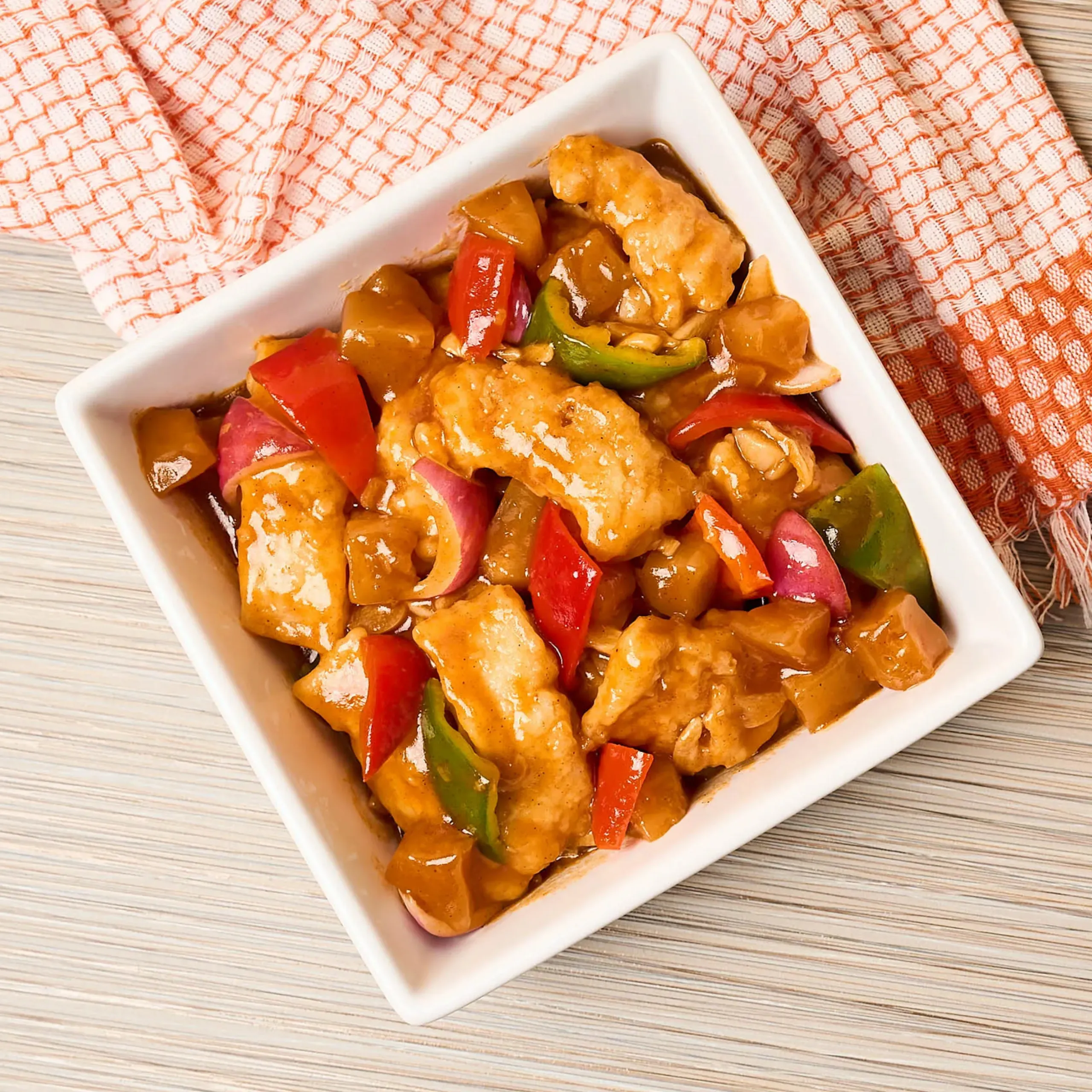


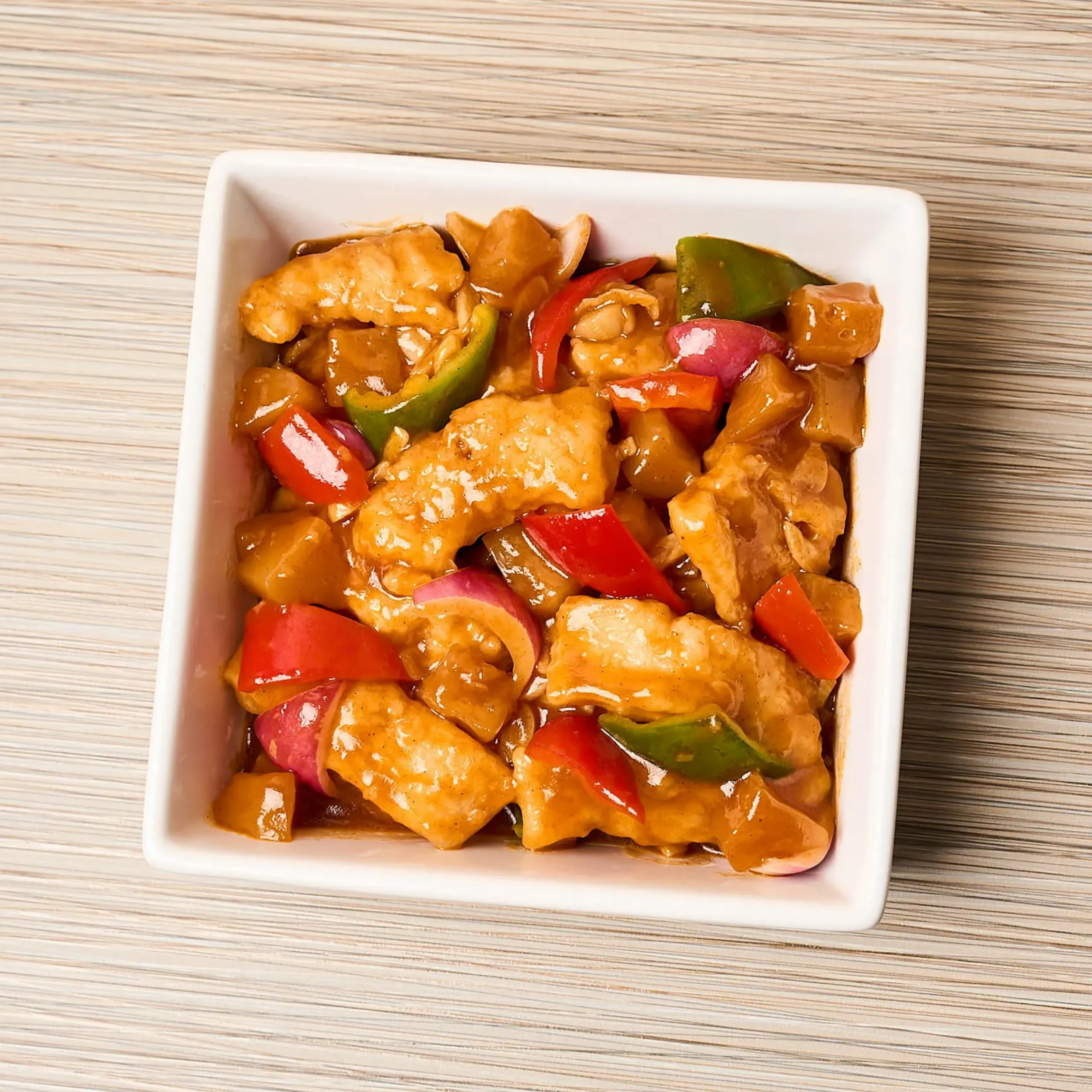
Sweet and Sour Fish is a colorful, flavorful, and well-loved dish that combines crispy fried fish with a vibrant sauce made from the perfect balance of sweetness and tanginess. It is a popular choice in many Filipino households because it transforms simple ingredients into a meal that feels both comforting and festive. With its golden-crisp fish, bright vegetables, juicy pineapple, and glossy sauce, this dish is as appealing to the eyes as it is to the palate.
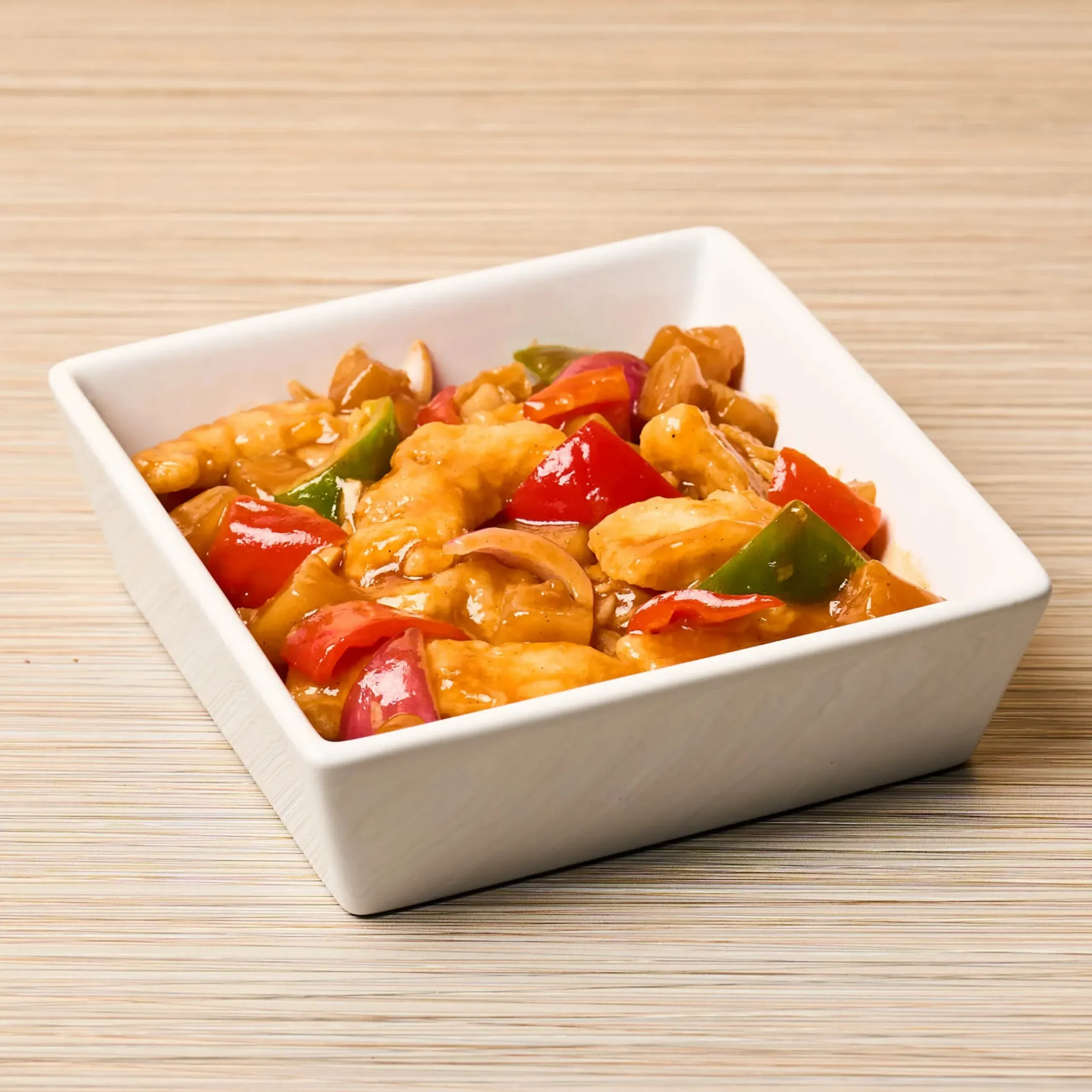
One of the reasons Sweet and Sour Fish has remained a family favorite is its wonderful contrast of textures and flavors. The fish is lightly seasoned, coated, and fried until crisp on the outside while remaining tender and flaky inside. It is then topped with a rich sauce that blends the sweetness of pineapple juice and brown sugar with the mild acidity of vinegar and ketchup. Bell peppers, onions, garlic, and pineapple chunks add freshness, color, and extra layers of flavor, making every bite both satisfying and refreshing.
This recipe is incredibly versatile and can be prepared using a variety of locally available fish, making it accessible for everyday cooking. Whether served as a weeknight dinner or as part of a special family celebration, Sweet and Sour Fish is always a welcome addition to the dining table. Its vibrant appearance, delicious taste, and comforting familiarity make it a dish that appeals to both children and adults alike.
Beyond its delicious flavor, Sweet and Sour Fish represents the beauty of combining different culinary traditions into a dish that has become uniquely Filipino. It showcases how simple ingredients can come together to create a meal that is hearty, balanced, and memorable.
A Brief History of Sweet and Sour Fish
The origins of sweet and sour cooking can be traced back thousands of years to ancient China, where cooks developed sauces that balanced sugar and vinegar to create dishes with contrasting yet harmonious flavors. Sweet and sour recipes became especially popular in southern Chinese provinces, where fresh seafood and vibrant vegetables were abundant.
As Chinese traders settled in the Philippines centuries ago, they introduced many culinary techniques and ingredients that gradually blended with local cooking traditions. Among these influences were stir-frying, noodle dishes, dumplings, and sweet and sour preparations. Filipino cooks embraced these methods and adapted them using locally available ingredients such as tropical fruits, native fish, and pantry staples.
Over time, the Filipino version of Sweet and Sour Fish developed its own identity. Pineapple juice became a key ingredient, lending natural sweetness and a tropical flavor that distinguishes it from many Chinese versions. Ketchup, particularly banana or tomato ketchup, also became a popular addition, contributing both sweetness and vibrant color to the sauce. Bell peppers, onions, garlic, and pineapple chunks further enhanced the dish, creating a combination that is both visually appealing and flavorful.
Today, Sweet and Sour Fish is commonly found in Filipino homes, seafood restaurants, family gatherings, fiestas, and holiday celebrations. While inspired by Chinese cuisine, it has evolved into a beloved Filipino favorite that reflects the country’s rich culinary heritage and its tradition of adapting international flavors to suit local tastes.
Recipe Tips
- Pat the fish completely dry before coating to help the flour mixture stick evenly.
- Combining flour and cornstarch produces a lighter and crispier coating than flour alone.
- Fry the fish in batches to avoid lowering the oil temperature, which can make the coating soggy.
- Maintain medium heat while frying to ensure the fish cooks evenly without burning.
- Add the sauce only when ready to serve if you want the fish to remain crispy.
- Fresh pineapple provides wonderful sweetness and texture, but canned pineapple works well for convenience.
- Taste the sauce before thickening so you can easily adjust the balance of sweetness and acidity.
- For extra flavor, garnish with sliced spring onions, toasted sesame seeds, or chopped cilantro before serving.
Ingredient Substitutions
Fish
- Tilapia
- Cream dory
- Maya-maya (red snapper)
- Lapu-lapu (grouper)
- Cod
- Halibut
- Catfish
Pineapple Juice
- Orange juice for a citrus twist
- Mango juice for tropical sweetness
- Apple juice for a milder flavor
Pineapple Chunks
- Fresh mango cubes
- Peach slices
- Canned mixed fruit (drained)
- Fresh lychee for a unique variation
Ketchup
- Banana ketchup for a classic Filipino flavor
- Tomato sauce with a little extra sugar
- Chili sauce for a slightly spicy version
White Vinegar
- Cane vinegar
- Rice vinegar
- Apple cider vinegar
- Coconut vinegar
Brown Sugar
- White sugar
- Coconut sugar
- Honey
- Palm sugar
Bell Peppers
- Yellow or orange bell peppers
- Carrots
- Snow peas
- Zucchini
Cornstarch
- Potato starch
- Tapioca starch
- Arrowroot powder
Final Words
Sweet and Sour Fish is a beautiful example of how simple ingredients can be transformed into a vibrant and satisfying meal. Its combination of crispy golden fish, colorful vegetables, juicy pineapple, and glossy sweet and tangy sauce creates a dish that is both comforting and elegant. Every bite offers a delightful contrast of textures and flavors, making it a favorite for both everyday family dinners and festive occasions.
One of the greatest strengths of this recipe is its flexibility. You can use your favorite type of fish, adjust the sweetness or acidity to suit your family’s taste, or include additional vegetables for extra color and nutrition. These small personal touches allow every home cook to create a version that reflects their own style while preserving the dish’s signature balance of flavors.
Whether you’re introducing someone to Filipino-inspired seafood dishes or preparing a familiar favorite for loved ones, Sweet and Sour Fish is a recipe that consistently delivers. Served with warm steamed rice and enjoyed around the table with family and friends, it brings together freshness, comfort, and tradition in every delicious serving. Once you’ve mastered this classic dish, it is sure to become a regular part of your home cooking repertoire for years to come.