
Advertisement
Advertisement

Sweet Batwan Jam Recipe

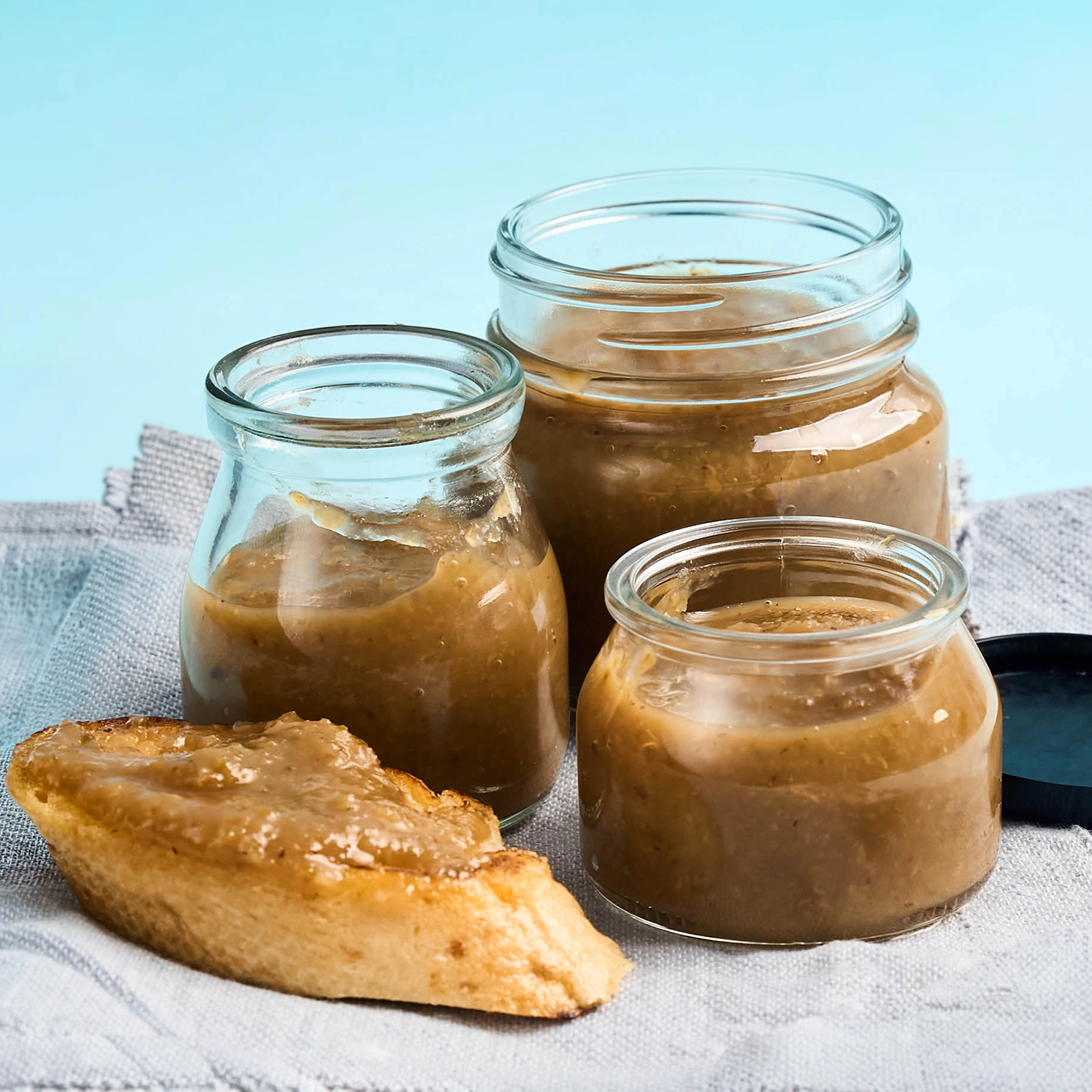
This sour fruit, that's endemic to the Philippines, makes for a tasty sweet-sour bread spread.
PHOTO: KIERAN PUNAY
YIELDS:
4 SERVING(S)
Prep Time:
15 MINS
Total Time:
50 MINS
Cal/Serv:
461

Nutritional Information

Calories 461 kcal
Fat 1 g
Saturated fat 0 g
Trans fat 0 g
Cholesterol 0 mg
Sodium 52 mg
Carbohydrates 120 g
Fiber 6 g
Sugar 91 g
Protein 3 g
Vitamin D 0 µg
Calcium 131 mg
Iron 4 mg
Potassium 822 mg

Note: The information shown is Edamam's estimate based on available ingredients and preparation. It should not be considered a substitute for a professional nutritionist's advice.

If you’re looking for a different fruit jam to spread on your pandesal and would like to flex your kitchen skills, try this sweet batwan jam recipe. You don’t even need any fancy kitchen tools or gadgets; just a saucepan, a fork, measuring cups, and you’re good to go. And don’t forget your crackers or pandesal, too!

Recipe Tips

  • Batwan can be a bit too hard so slicing them thinly before boiling in water helps in speeding up the cooking process.
  • While batwan is already naturally sour, adding a little calamansi juice towards the end of the cooking process lends a citrusy flavor that cuts through and complements the batwan’s sourness.

What are sterilized jars?

Surely not many people keep sterilized jars in their kitchen cabinet—who does?—and why do they need to be sterilized, anyway?

Simply put, sterilizing jars before using them to store jams, preserves and spreads prevent bacteria and help prolong their shelf life.

Advertisement

Do I have to?

Yes, but don’t worry! There are three options when sterilizing jars: (1) boiling, (2) in the oven, or (3) in the dishwasher. Choose the best one by considering the kitchen tools available to you—and your kitchen skill level, too.

The simplest and home cook-friendly method is to boil the jars and lids. Here’s a simple way to do it:

  • Wash the jars and lids thoroughly in hot, soapy water. Make sure to remove the rubber gaskets on the lids, too.
  • Rinse well.
  • Place all the washed jars and lids into a large saucepan. Cover them with water and boil for 10 mins.
  • Carefully take the jars and lids out of the saucepan.
  • Air dry upside down on a clean kitchen towel.

Now pat yourself on the back and add this to your “adulting things” list and impress your friends.

Advertisement

Ingredients

  • 4 Cup ripe batwan
  • 2.5 Cup water
  • 1.25 Cup brown sugar, more if desired
  • 2 Tablespoon calamansi juice (optional)
Keep screen awake

Directions

Step 1

Wash the batwan thoroughly under running water to remove any dirt. Slice the fruit thinly, carefully avoiding the seeds. Thin slices help the fruit cook evenly and mash easily.

Step 2

Place the sliced batwan in a large saucepan and add water to cover the fruit. Bring it to a gentle boil over medium heat. Let it cook for 15–20 minutes, or until the fruit becomes soft and tender.

Step 3

Using a potato masher or a fork, mash the boiled batwan until it reaches a slightly smooth, chunky consistency. You don’t need to completely puree it as a little texture makes the jam more interesting.

Step 4

Add sugar to the mashed batwan and stir until fully dissolved. Taste as you go to get your preferred sweetness—batwan has a natural tang, so the sugar balances it beautifully.

Step 5

Reduce the heat to low and let the mixture simmer. Stir frequently to prevent it from sticking or burning at the bottom. Continue cooking for about 15 minutes, until it thickens and reaches a jam-like consistency.

Step 6

If you like a brighter, fresher flavor, stir in a little calamansi juice at the end. This adds a lovely punch that complements the natural sourness of the batwan.

Step 7

Remove the jam from heat and let it cool slightly. Transfer it into clean, sterilized jars and seal tightly. Store in the refrigerator and enjoy as a spread on bread, pancakes, or even as a tangy topping for desserts.

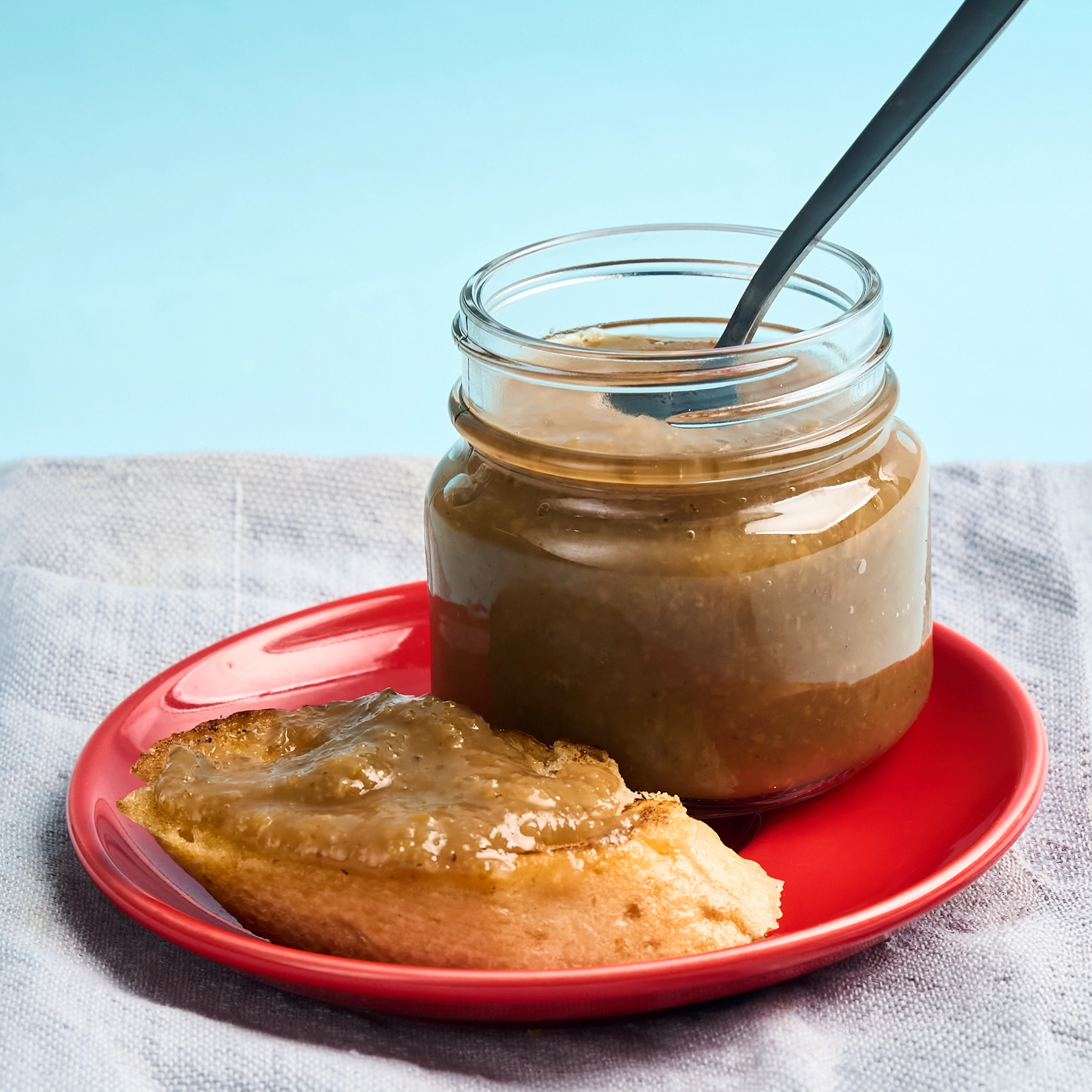
Sweet Batwan Jam delicious
PHOTO: KIERAN PUNAY

Frequently Asked Questions

To check if your jam is ready, use the “cold plate test” by placing a small spoonful of the hot mixture onto a chilled saucer. If the jam wrinkles when pushed with your finger and doesn’t run, it has reached its setting point. Because batwan is naturally high in pectin, it will continue to firm up significantly as it cools, so avoid overcooking it in the pan to prevent a rubbery texture.

While you can use a blender for a silky puree, mashing the boiled batwan with a fork or potato masher (Step 3) is recommended to preserve its artisanal, chunky character. If you prefer a smoother spread, blend the fruit after boiling but before adding the sugar to ensure even caramelization. Be careful not to over-process, as some fruit fiber is necessary to provide the “body” and structure that makes this endemic spread so satisfying.

Since this is a fresh fruit preserve without commercial preservatives, you should store the jam in sterilized jars in the refrigerator for up to one month. For long-term shelf storage at room temperature, you must use a proper water-bath canning method to ensure a vacuum seal. Always use a clean spoon for every serving to prevent cross-contamination, which is the most common cause of mold growth in homemade jams.

White granulated sugar is best for maintaining the bright, natural color of the batwan, while washed or light brown sugar can be used for a deeper, molasses-like undertone. Because batwan is intensely sour, start with a 1:1 ratio of fruit to sugar and adjust according to your preference during Step 4. The sugar doesn’t just provide sweetness; it reacts with the fruit’s natural acids to create the crystalline structure that allows the jam to set.

Adding a splash of calamansi juice at the end (Step 6) provides a “top note” of fresh acidity that prevents the jam from tasting flat or overly sugary. The vitamin C in the juice also helps preserve the vibrant greenish-yellow hue of the fruit, which can sometimes dull during the 30-minute simmering process. Stirring it in after the heat is turned off ensures the delicate citrus oils don’t evaporate, keeping the aroma bright and floral.

0 0 votes
Total of Ratings
guest
Rating
Ratings for Article
0 Comments
Oldest
Newest Most Voted
Advertisement

To provide a customized ad experience, we need to know if you are of legal age in your region.

By making a selection, you agree to our Terms & Conditions.