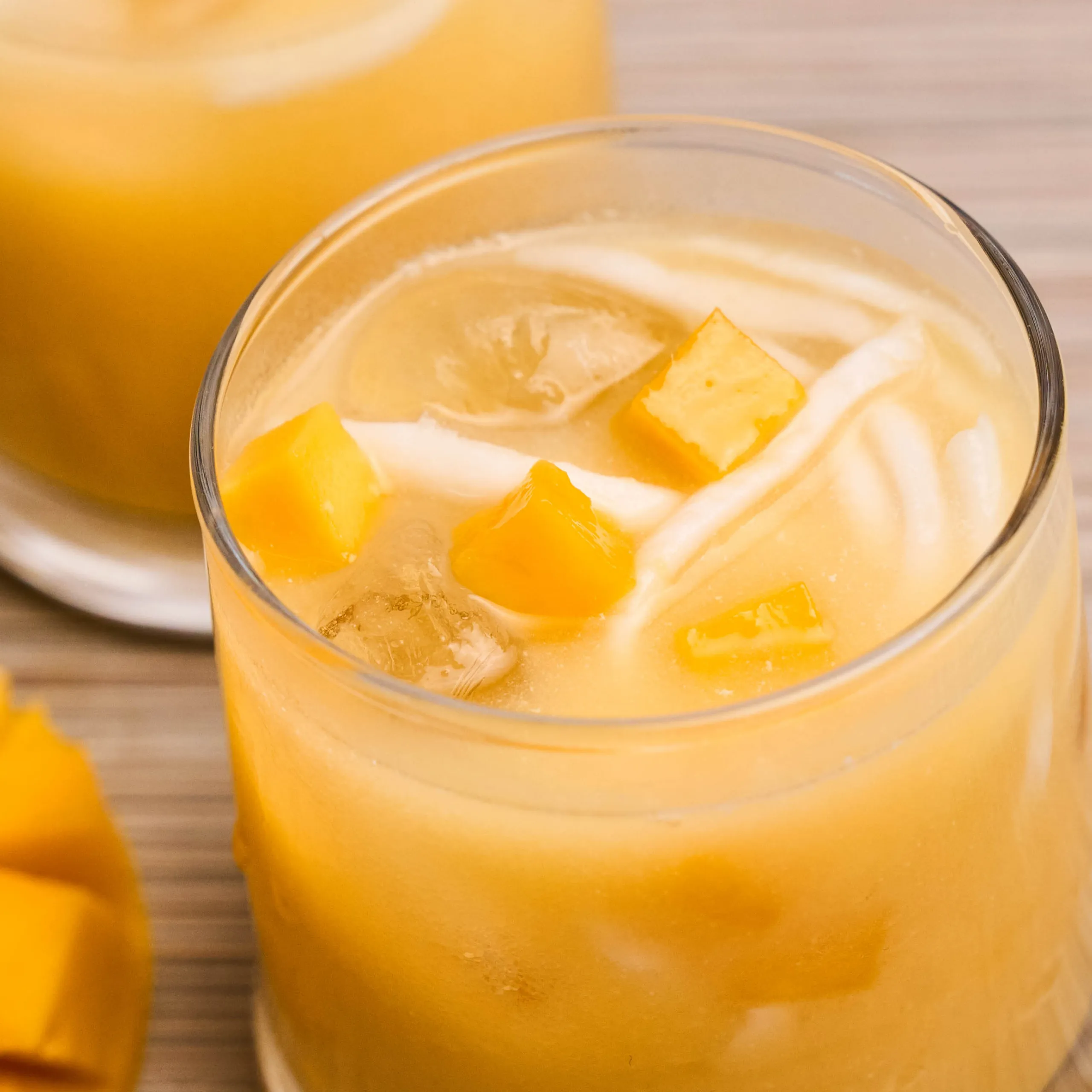


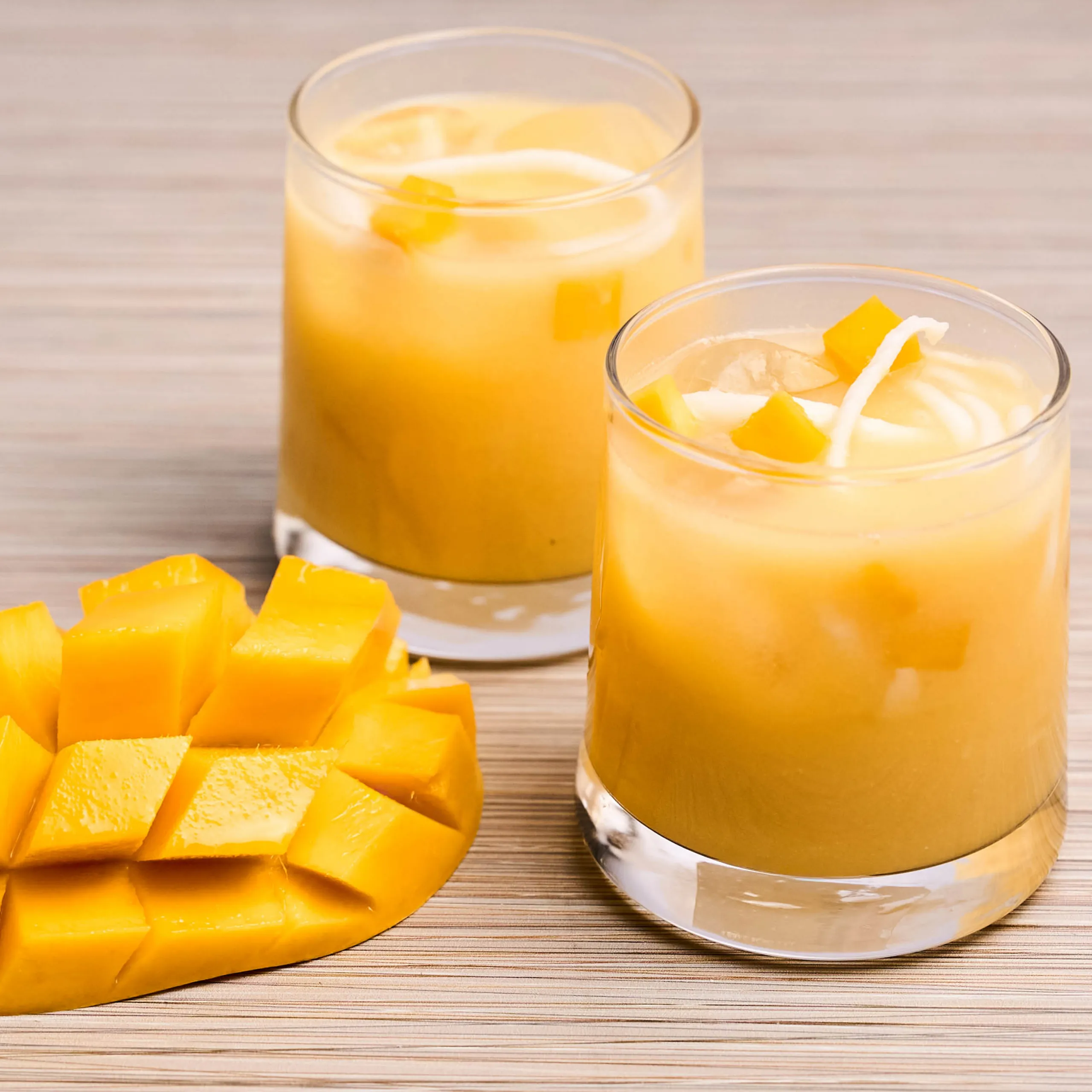
There are few flavor combinations that capture the taste of the tropics as beautifully as mango and coconut. Sweet, juicy mangoes paired with the rich creaminess of coconut create a refreshing drink that feels both comforting and indulgent. Whether enjoyed on a warm summer afternoon, served during a family gathering, or prepared as a quick homemade treat, the Mango Coconut Cooler is a delightful beverage that celebrates two of our most beloved tropical ingredients.
In the Philippines, mangoes are often called the “king of fruits,” while coconuts are known as the “Tree of Life” because of their many uses. Both ingredients have long been staples in Filipino cuisine, appearing in desserts, beverages, snacks, and savory dishes. Combining them into one refreshing cooler creates a drink that is naturally sweet, creamy, and incredibly satisfying.
Unlike many store-bought fruit beverages that rely on artificial flavorings and preservatives, this homemade Mango Coconut Cooler highlights the fresh taste of ripe mangoes and coconut. The addition of coconut water gives the drink a light and refreshing finish, while coconut milk provides a silky texture that perfectly complements the fruit. A splash of fresh or evaporated milk adds extra richness, making every sip smooth and velvety.
This recipe is wonderfully simple and comes together in just a few minutes. With only a handful of ingredients, you can create a café-style tropical drink right in your own kitchen. Whether served as a refreshing afternoon beverage, a light dessert, or a special drink for guests, Mango Coconut Cooler is sure to become a favorite that brings the flavors of the tropics to every glass.
History of the Drink
Although Mango Coconut Cooler does not have a single documented origin like many traditional recipes, it draws inspiration from centuries of tropical culinary traditions found throughout Southeast Asia and the Pacific, particularly in the Philippines, where both mangoes and coconuts thrive.
The Philippines is widely recognized for producing some of the world’s sweetest mangoes, particularly the famous Carabao mango, prized for its smooth texture, vibrant golden flesh, and exceptional sweetness. For generations, fresh mangoes have been enjoyed on their own or transformed into juices, shakes, desserts, jams, and frozen treats.
Coconuts have an even longer history in Filipino culture. Often referred to as the “Tree of Life,” coconut palms provide food, beverages, cooking ingredients, construction materials, and countless everyday products. Young coconut water has traditionally been consumed as a natural refresher, while coconut milk has become an essential ingredient in many Filipino dishes and desserts.
As cafés, smoothie bars, and tropical beverage shops grew in popularity, creative combinations of mango and coconut began appearing in smoothies, milkshakes, frappes, and chilled fruit drinks. Home cooks soon embraced these combinations because they were easy to prepare and showcased locally available ingredients.
Today, Mango Coconut Cooler represents the modern appreciation of classic tropical flavors. It combines the natural sweetness of ripe mangoes with the creamy richness of coconut and milk to create a refreshing beverage that reflects the warmth, hospitality, and abundance of tropical living.
Why You’ll Love This Recipe
- Sweet, creamy, and naturally refreshing.
- Made with fresh tropical ingredients.
- Easy to prepare in under 15 minutes.
- Perfect for hot weather.
- Great as both a beverage and a light dessert.
- Family-friendly and customizable.
- Beautiful natural color with vibrant tropical flavors.
- Ideal for breakfast, snacks, or entertaining guests.
Recipe Tips
- Use fully ripe mangoes for the sweetest and most flavorful drink.
- Chill all the ingredients before preparing to reduce the need for excessive ice.
- Fresh coconut water provides a cleaner and more refreshing taste than sweetened bottled versions.
- Blend only until smooth to preserve the mango’s fresh flavor.
- Taste before adding all the sugar, as mango sweetness naturally varies.
- For a thicker smoothie-like consistency, freeze the mango pieces before blending.
- If serving at parties, garnish each glass just before serving to keep the fruit looking fresh.
- Refrigerate the prepared drink for a few minutes if you prefer an even colder beverage.
- Freshly grated coconut adds wonderful texture and enhances the tropical presentation.
Ingredient Substitutions
If some ingredients aren’t available, you can still prepare a delicious Mango Coconut Cooler using these alternatives.
- Fresh mango: Frozen mango chunks (thawed slightly), canned mango pulp, or high-quality mango puree.
- Coconut milk: Light coconut milk, coconut cream (use less for a richer drink), or unsweetened almond milk for a lighter variation.
- Coconut water: Chilled filtered water or unsweetened packaged coconut water.
- Fresh milk: Evaporated milk, oat milk, soy milk, almond milk, or lactose-free milk.
- Brown sugar: White sugar, coconut sugar, honey, maple syrup, or simple syrup.
- Vanilla extract: Coconut extract, almond extract (use sparingly), or omit entirely.
- Ice cubes: Frozen mango cubes create a thicker and creamier drink while naturally keeping it cold.
Knowledge About Mango Coconut Cooler
Mango Coconut Cooler beautifully combines two tropical ingredients that naturally complement one another. Mango contributes vibrant sweetness, bright color, and fruity aroma, while coconut adds richness, creaminess, and a subtle nutty flavor that balances the fruit without overpowering it.
In tropical countries such as the Philippines, both mangoes and coconuts are harvested in abundance, making them affordable and widely available throughout much of the year. Their popularity has inspired countless beverages, desserts, and frozen treats enjoyed by generations of Filipino families.
Unlike heavily processed bottled drinks, homemade Mango Coconut Cooler allows you to control the sweetness, choose fresh ingredients, and avoid unnecessary preservatives or artificial flavorings. This flexibility also makes it easy to adapt the recipe for different dietary preferences.
The drink can be prepared as a light juice-style refresher by using more coconut water, or transformed into a thicker smoothie by increasing the mango and coconut milk. Its versatility makes it suitable for breakfast, snacks, desserts, or festive occasions.
With its bright golden color and tropical aroma, Mango Coconut Cooler instantly brings to mind sunny beaches, island vacations, and relaxed afternoons, making it a favorite choice whenever a refreshing homemade beverage is desired.
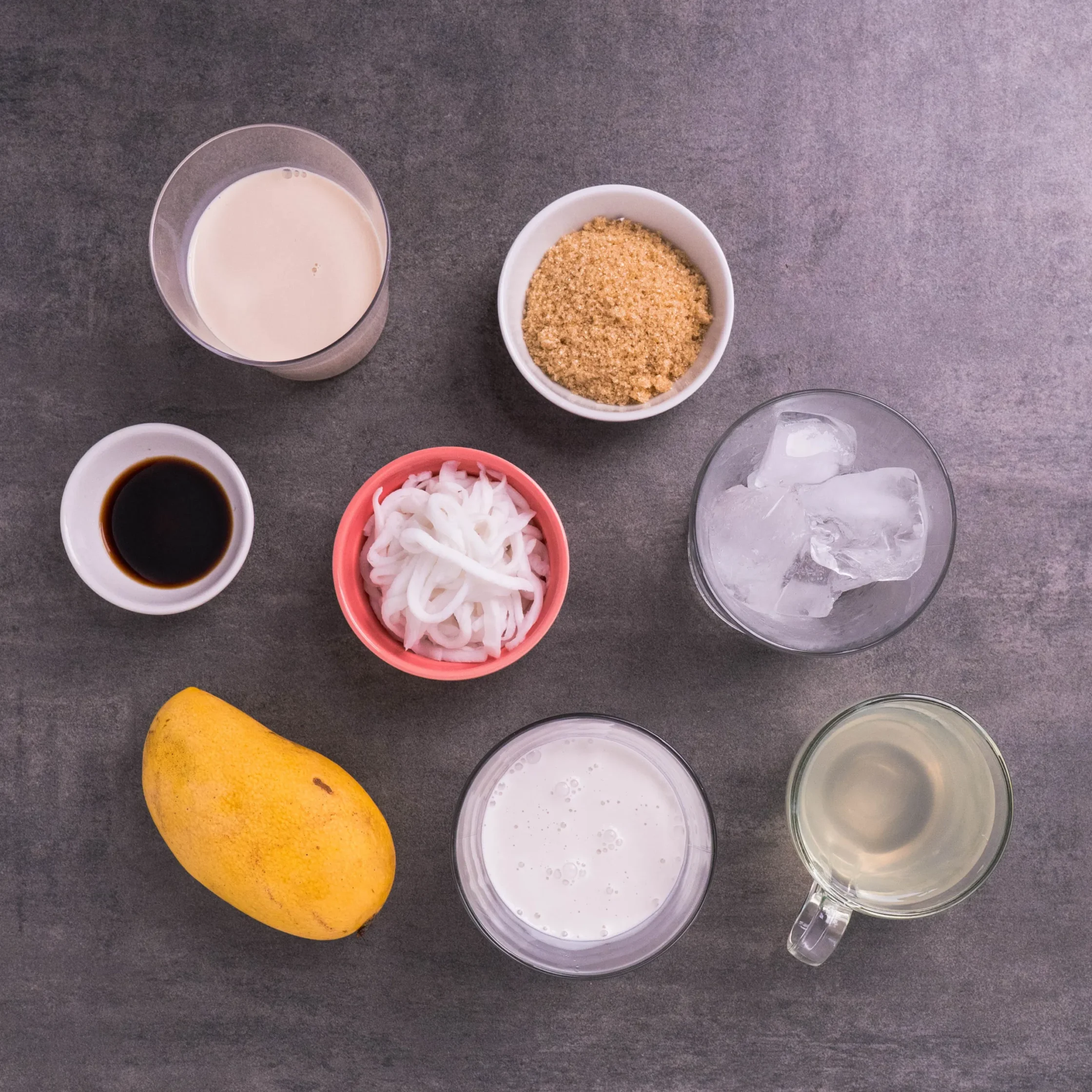
Health Benefits of the Ingredients
While Mango Coconut Cooler is a sweet and indulgent beverage, it also contains several wholesome ingredients that contribute valuable nutrients when enjoyed as part of a balanced diet.
Mango
Mangoes are naturally rich in vitamin C, which supports normal immune function and helps the body produce collagen for healthy skin. They also provide vitamin A, an important nutrient for maintaining healthy vision and supporting normal immune function. In addition, mangoes contain dietary fiber, which can aid digestion and promote a feeling of fullness, along with antioxidants such as beta-carotene and polyphenols that help protect cells from oxidative stress.
Coconut Milk
Coconut milk contributes a rich, creamy texture and contains healthy fats that provide energy. It also supplies small amounts of minerals such as manganese, copper, iron, and potassium. Because coconut milk is relatively high in saturated fat, it is best enjoyed in moderation as part of a balanced eating pattern.
Coconut Water
Often referred to as nature’s sports drink, coconut water is naturally hydrating and contains electrolytes such as potassium, magnesium, calcium, and sodium in modest amounts. These minerals help support normal muscle function, nerve signaling, and fluid balance, making coconut water especially refreshing on warm days.
Fresh Milk or Evaporated Milk
Milk adds creaminess while providing calcium, protein, phosphorus, and vitamin B12. Calcium supports healthy bones and teeth, while protein contributes to muscle maintenance and repair. If fortified, the milk may also provide vitamin D, which aids calcium absorption.
Brown Sugar
Brown sugar sweetens the drink and adds a subtle caramel flavor. While it contains trace amounts of minerals due to its molasses content, it is still considered an added sugar and should be used according to your personal dietary needs and taste preferences.
Vanilla Extract
Vanilla extract enhances the overall aroma and flavor of the cooler, giving it a warm, comforting sweetness without adding significant calories or sugar.
Final Thoughts
Mango Coconut Cooler is a refreshing celebration of two of the tropics’ most beloved ingredients. The natural sweetness of ripe mangoes, the creamy richness of coconut milk, and the light freshness of coconut water come together to create a drink that is both comforting and invigorating. Every sip delivers vibrant tropical flavor, making it a wonderful choice for warm afternoons, family gatherings, or simply treating yourself to something homemade and delicious.
Beyond its refreshing taste, this cooler reflects the abundance of fresh produce found in tropical regions like the Philippines, where mangoes and coconuts have long been cherished in everyday cooking and special occasions alike. Its simple preparation and flexible ingredients make it easy for anyone to recreate café-quality refreshment at home, whether you prefer it light and fruity or rich and creamy.
Best of all, Mango Coconut Cooler invites creativity. You can adjust the sweetness, experiment with different milk options, or add your own favorite garnishes to make it uniquely yours. Served ice-cold and shared with family or friends, it is more than just a drink—it is a refreshing reminder of sunny days, tropical flavors, and the simple joy of enjoying fresh, wholesome ingredients together.