

Most coffee varieties force farmers into some really tough decisions. This is because some handle heat well but are difficult to process, while others produce higher yields but struggle in harsher conditions. Finding coffee that combines the best of both worlds is one of the industry’s biggest challenges
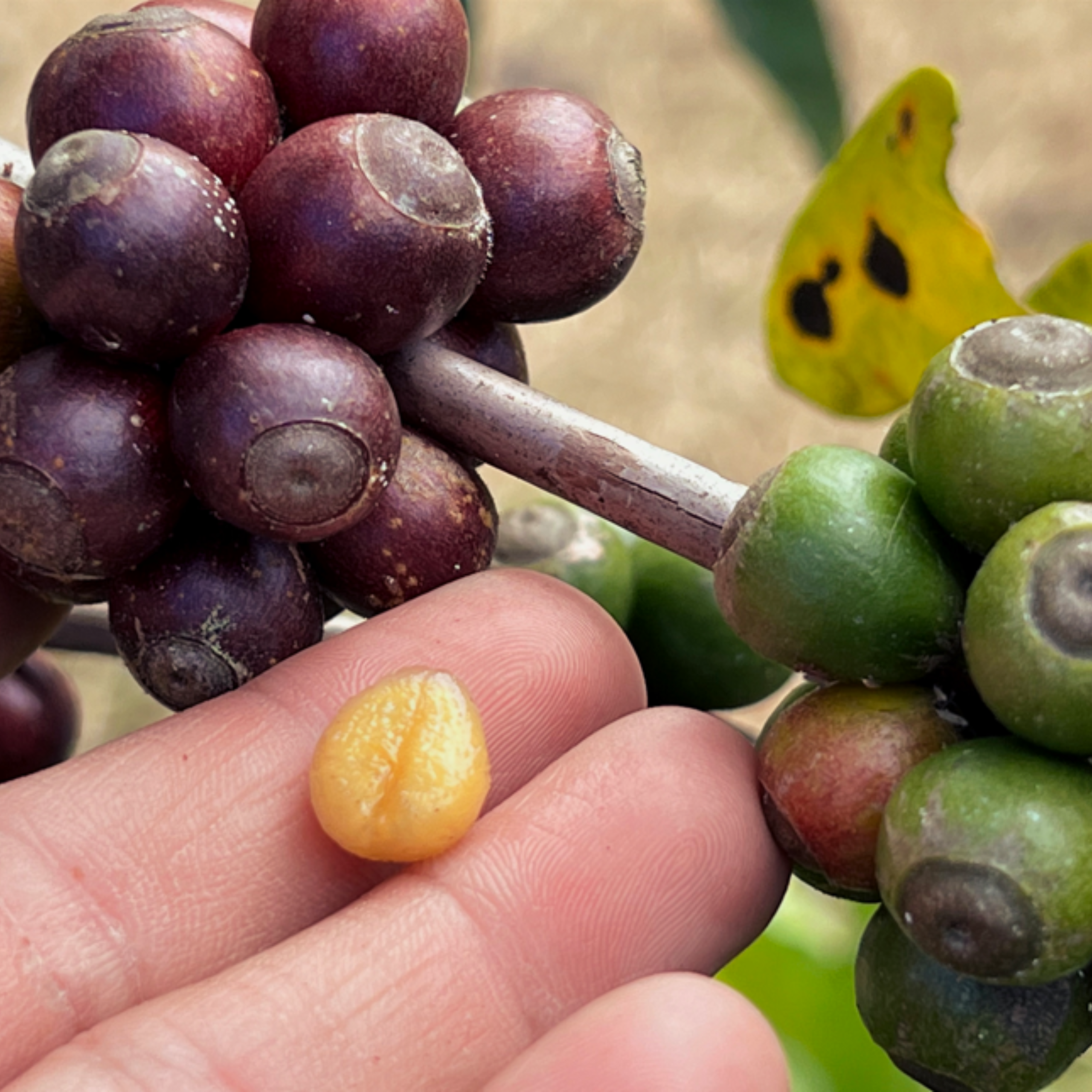
That’s why researchers are paying attention to Coffea x libex, a newly named hybrid between two coffee superstars in Liberica and Excelsa. Recent research found that it’s actually been growing on farms in Sarawak, Malaysia for years, often sold simply as Liberica. But what makes it interesting isn’t just its existence—it’s what it inherits from its parents.
If Liberica and Excelsa had a baby
Liberica is known for thriving in hot, lowland environments. It also carries genes that give it resistance against certain diseases like coffee leaf rust, a devastating fungus that cripples both yield and coffee quality. Excelsa, on the other hand, is valued for higher yields and productivity per plant.
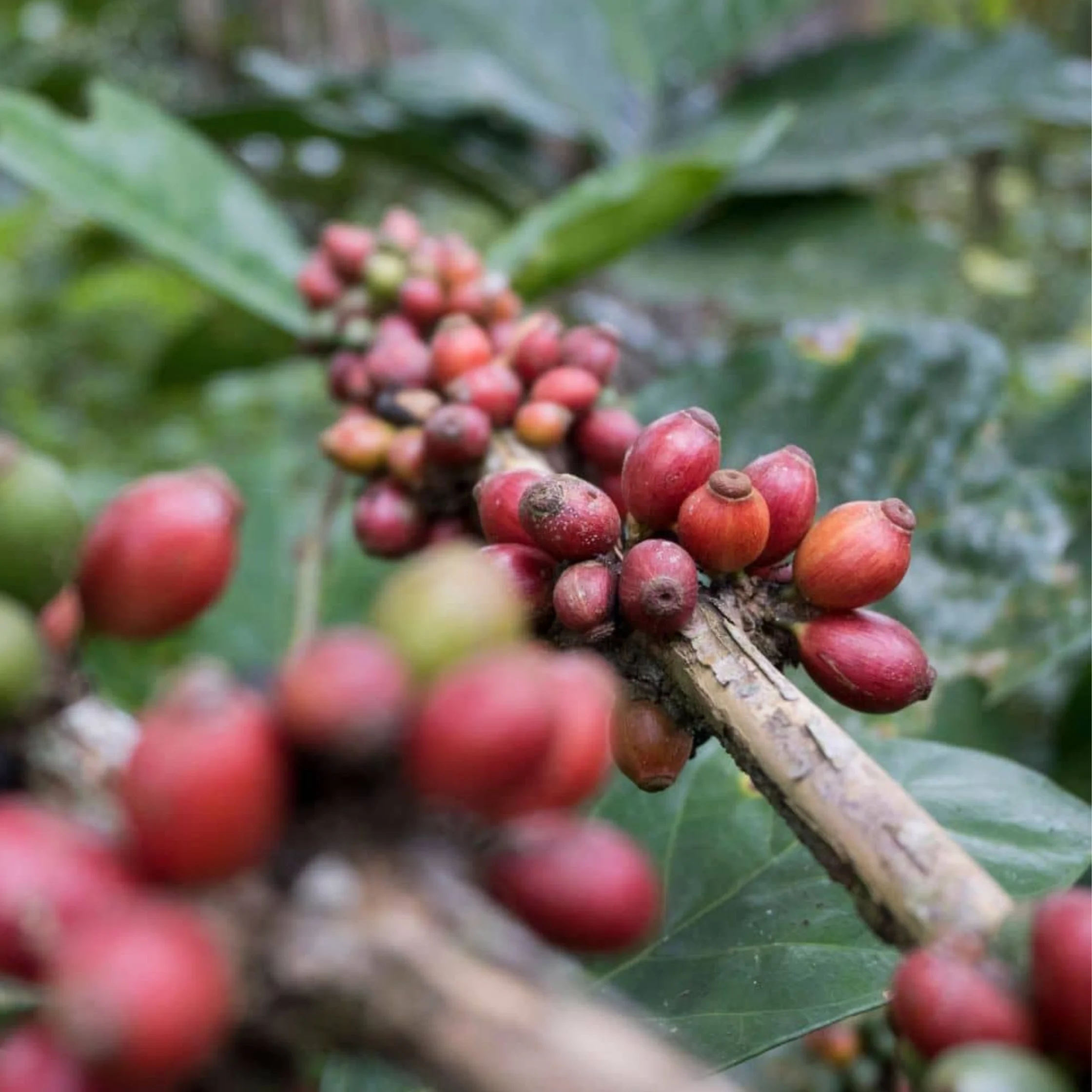
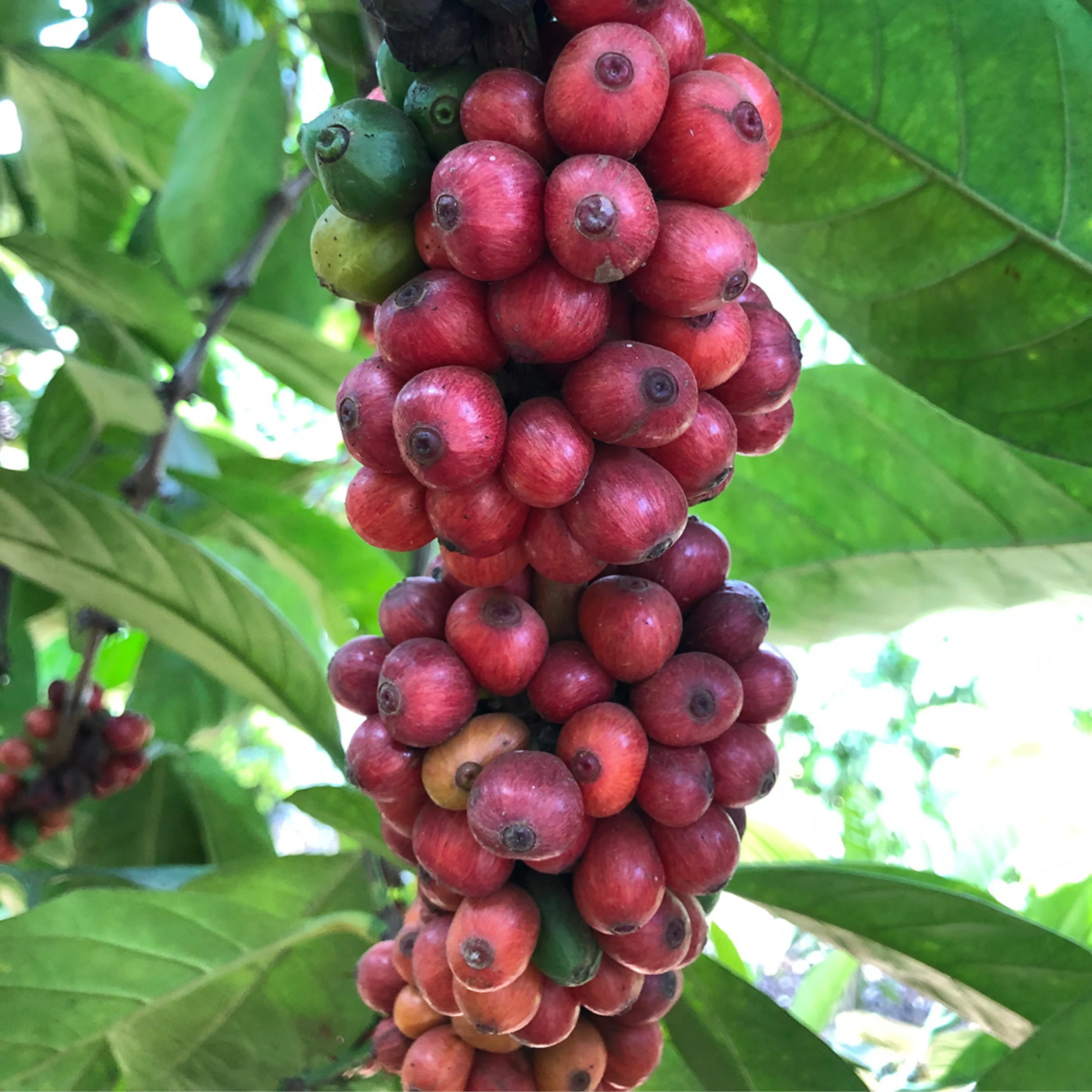
Libex inherits traits from both as researchers found that characteristics such as seed size and parchment thickness fall between its parent species, helping improve yield while also making post-harvest processing easier. Simply put, Libex is a coffee species that’s both farmer-friendly and better suited for a wider range of environments.
Why Libex Could Be the Future of Climate-Resilient Coffee
Many hybrids face a major problem: they’re sterile or difficult to reproduce consistently outside of a controlled environment like a laboratory. Libex doesn’t appear to have that issue.
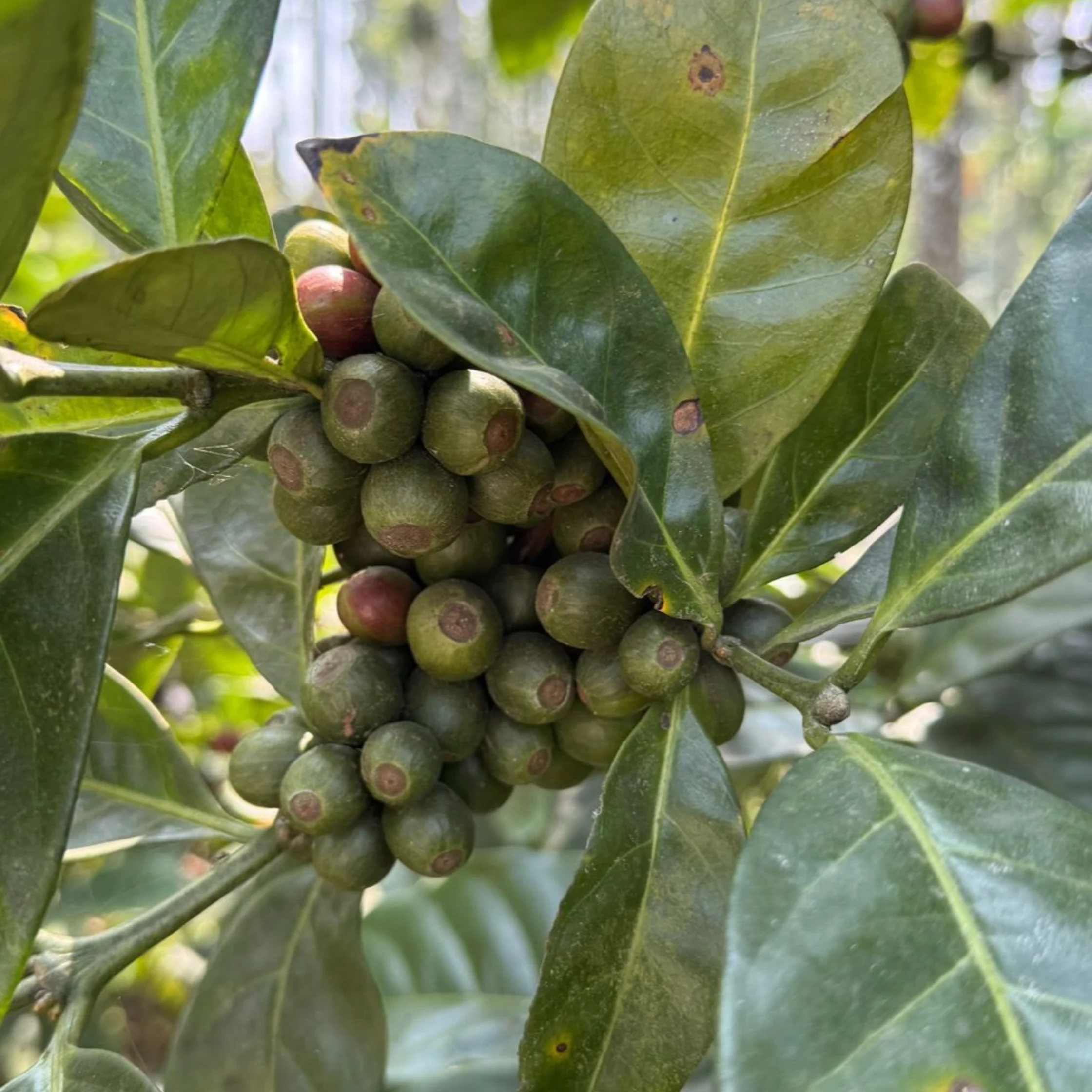
The two parent species cross naturally and produce fertile offspring, with a low peaberry rate—a sign that the genes are playing nice with each other. This means promising Libex selections can be multiplied relatively quickly through cuttings or grafting and planted on commercial farms.
For farmers looking for climate-resilient coffee, that’s a significant advantage.
But climate resilience only matters if people actually want to drink the coffee. Fortunately, Libex seems to offer something compelling in the cup as well. It’s been described as combining qualities from both Liberica and Excelsa, which results in a profile that’s more balanced and approachable than either parent on its own.
Could Libex Be the Climate-Resilient Coffee Variety the Future Needs?
The bigger implication, however, is that Libex may not be unique to Sarawak. Liberica and Excelsa are cultivated and farmed all over Southeast Asia, so similar hybrids could already be growing elsewhere—even in our own backyard.
For now, Libex is a promising newcomer. But in a time when coffee needs to adapt to a future that’s heating up by the minute, this budding hybrid may turn out to be arriving at exactly the right time.

Frequently Asked Questions
Libex, or Coffea x libex, is a newly named hybrid between Liberica and Excelsa coffee species.
Researchers believe Libex may combine climate resilience, disease resistance, and improved productivity in a single coffee variety.
No. Libex is a naturally occurring hybrid resulting from cross-pollination between Liberica and Excelsa.
Potential benefits include higher yields, easier propagation, disease resistance, and better adaptation to warmer climates.
Researchers identified Libex on farms in Sarawak, Malaysia, where it had often been classified as Liberica.
Its inherited resilience and adaptability make it a promising candidate for future climate-resilient coffee farming.
Researchers believe similar Liberica–Excelsa hybrids may already exist elsewhere in Southeast Asia.