
Advertisement

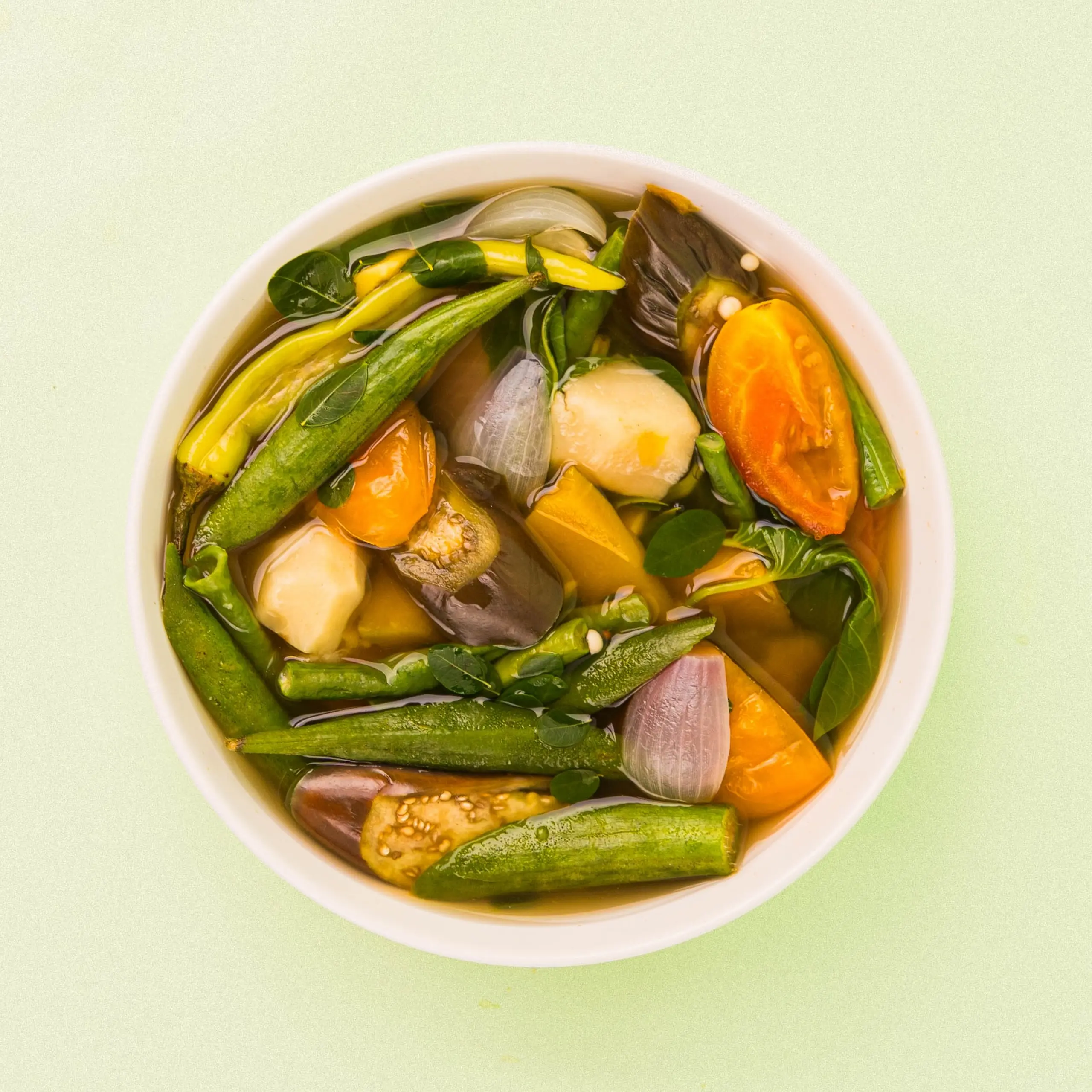
Utan Bisaya Recipe (Cebu)

PHOTO: ZOE TAPALGO
YIELDS:
3 SERVING(S)
Prep Time:
10 MINS
Total Time:
25 MINS
Cal/Serv:
51

Nutritional Information

Calories 154 kcal
Fat 1 g
Saturated fat 0 g
Trans fat 0 g
Cholesterol 0 mg
Sodium 40 mg
Carbohydrates 36 g
Fiber 11 g
Sugar 14 g
Protein 6 g
Vitamin D 0 µg
Calcium 112 mg
Iron 2 mg
Potassium 1299 mg

Note: The information shown is Edamam's estimate based on available ingredients and preparation. It should not be considered a substitute for a professional nutritionist's advice.

Utan Bisaya is a traditional vegetable soup from Cebu City and widely enjoyed across the Visayas region. It is a light, clear-broth dish made with a mix of seasonal vegetables such as squash, eggplant, okra, leafy greens, and sometimes corn or sweet potato. Often flavored simply with garlic, onion, ginger, and a touch of fish sauce or dried fish, it reflects the Filipino approach to humble, nourishing home cooking.

Unlike richer soups, Utan Bisaya is known for its clean, fresh taste and versatility—it changes depending on what vegetables are available. It is commonly served with steamed rice and paired with fried or grilled fish, making it a staple comfort food in many Cebuano households.

Recipe Tips:

Don’t overboil leafy greens: Add them last so they stay vibrant and don’t turn bitter. Use fish or shrimp for umami (optional): Dried fish (daing, buwad) or small shrimp makes the broth more flavorful. Keep it light, not oily: The dish is meant to be refreshing, not heavy like creamy soups. Season gradually: Fish sauce (patis) works better than salt for depth.

Substitutions: 

Kangkong → spinach, bok choy, or kale. Malunggay leaves → spinach or moringa powder (small amount). Squash → pumpkin, butternut squash. Eggplant → zucchini or green beans. Okra → omit or replace with ladyfinger beans.

What to serve this with:

Steamed rice.
Ingredients

  • 1 Small eggplant, sliced
  • 1 Cup squash (kalabasa)
  • 1 Small taro (gabi)
  • 6 Piece string bean (sitaw)
  • 6 Piece lady's finger (okra)
  • 2 Piece tomatoes, wedges
  • 1.5 Piece thumbs ginger, julienne
  • 3 Cup water
  • 1 Cup water spinach (kangkong)
  • 0.5 Cup moringa (malunggay)
  • 1 Piece red onion, quartered
  • 3 Piece long green chili
  • salt and pepper to taste
Keep screen awake

Directions

Step 1

Begin by washing all the vegetables thoroughly under clean, running water to remove any dirt or impurities. Once cleaned, allow them to drain before preparing each ingredient. Slice the eggplant into bite-sized pieces, making sure the slices are even so they cook uniformly. Peel the squash and taro, then cut them into similarly sized chunks. Trim the ends of the string beans and cut them into 2- to 3-inch lengths for easier cooking and serving. Peel the onion and cut it into quarters, while the tomatoes should also be quartered to help release their juices during cooking. Peel the ginger and slice it into thin julienne strips to enhance its flavor and aroma. Finally, separate the kangkong and malunggay leaves from their stems, rinse them once more if needed, and set them aside, as these leafy vegetables will be added later in the cooking process to preserve their freshness, color, and nutrients.

Step 2

Pour 3 cups of water into a medium-sized pot and place it over medium heat. Allow the water to come to a gentle boil before adding the julienned ginger, quartered onion, and tomatoes. Stir the ingredients lightly to combine them, then reduce the heat to a simmer. Let the mixture cook for about 3 to 5 minutes, allowing the ginger to release its warm, aromatic flavor while the onions become tender and the tomatoes soften, releasing their natural juices into the broth. This process creates a flavorful and fragrant base that will enhance the taste of the vegetables added in the next steps.

Step 3

Once the broth has developed its flavor, carefully add the peeled and cubed taro (gabi) and squash (kalabasa) to the pot. Stir gently to ensure that the vegetables are evenly submerged in the broth. Allow them to cook over medium heat for about 8 to 10 minutes, or until they begin to soften but still retain their shape. As they cook, the taro will gradually become tender and slightly thicken the broth, while the squash will release its natural sweetness, adding both flavor and a rich, vibrant color to the dish. Avoid stirring too vigorously to prevent the vegetables from breaking apart.

Step 4

Once the taro (gabi) and squash (kalabasa) have started to soften, gently add the sliced eggplant, string beans (sitaw), okra, and long green peppers to the pot. Stir the vegetables carefully to distribute them evenly throughout the broth without breaking the more delicate pieces. Allow the mixture to continue cooking over medium heat for another 5 to 7 minutes, giving the vegetables enough time to become tender while still maintaining their natural shape and texture. During this stage, the vegetables will absorb the flavors of the aromatic broth, creating a well-balanced and flavorful dish. Be careful not to overcook them, as this can cause the vegetables to become too soft and lose their vibrant color and fresh taste.

Step 5

Once the other vegetables have become tender, gently add the kangkong and malunggay leaves to the pot. Using a spoon or ladle, carefully stir the leaves into the hot broth so they are evenly distributed and fully submerged. Allow them to cook for only 1 to 2 minutes, or just until the leaves become wilted and tender. Avoid overcooking the leafy vegetables, as this can cause them to lose their bright green color, fresh flavor, and valuable nutrients. Cooking them briefly helps preserve their texture and enhances the overall freshness and appearance of the dish.

Step 6

After all the vegetables are cooked and the flavors have come together, season the dish with salt and pepper according to your preferred taste. Add the seasonings gradually, tasting the broth as needed to achieve the right balance of flavors. Gently stir the mixture to evenly distribute the salt and pepper throughout the dish, making sure that the seasonings blend well with the vegetables and broth. Continue stirring carefully to avoid breaking apart the cooked ingredients while allowing each component to absorb the added flavors. Once properly seasoned, the dish is ready for the final serving step.

Step 7

Once the dish has reached the desired taste, texture, and level of doneness, carefully remove the pot from the heat. Allow it to rest for a short moment to let the flavors settle and blend together. Give the dish a final gentle stir before serving to ensure that the vegetables and broth are evenly distributed. Transfer the cooked dish into a serving bowl and serve while it is still hot and fresh, allowing the warmth, aroma, and rich flavors of the ingredients to be fully enjoyed.

Utan Bisaya end
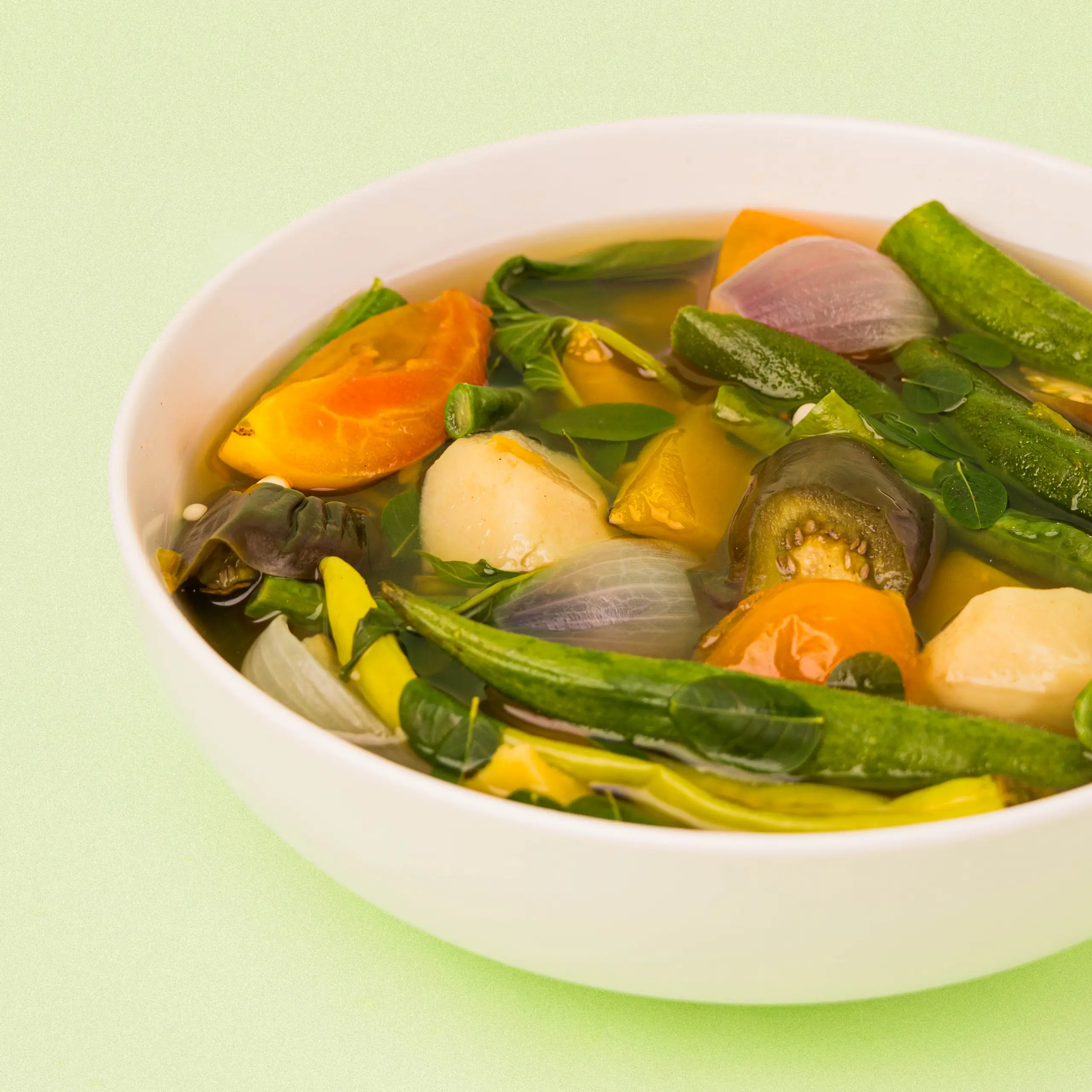
PHOTO: ZOE TAPALGO

Alexander Villarante

Recipe Developer

Alexander Villarante is a passionate culinary professional with more than 15 years of experience in the hospitality industry, having built his career in prestigious five-star luxury hotels abroad. He studied Culinary Arts at the Singapore Boston Business School, where he developed a strong foundation in both classical and modern culinary techniques. Throughout his career, he has worked alongside talented chefs from diverse cultural backgrounds, refining his skills and gaining extensive experience in creating exceptional dining experiences. His dedication to excellence has earned him recognition in the competitive culinary scene. Alexander participated in the Philippine Culinary Cup, where he received several citations for his creativity, technical expertise, and commitment to his craft. These achievements reflect his passion for continuous learning and his pursuit of culinary excellence.


Frequently Asked Questions

It’s simpler and more “brothy.” Unlike heavier soups like nilaga, Utan Bisaya is less fatty and focuses on freshness of vegetables.

Yes, but it’s best eaten fresh. Leafy greens may soften too much when reheated, so store broth and vegetables separately if possible.

Yes—it’s naturally low-fat, high in fiber, and rich in vitamins depending on the vegetables used.

0 0 votes
Total of Ratings
guest
Rating
Ratings for Article
0 Comments
Oldest
Newest Most Voted

To provide a customized ad experience, we need to know if you are of legal age in your region.

By making a selection, you agree to our Terms & Conditions.