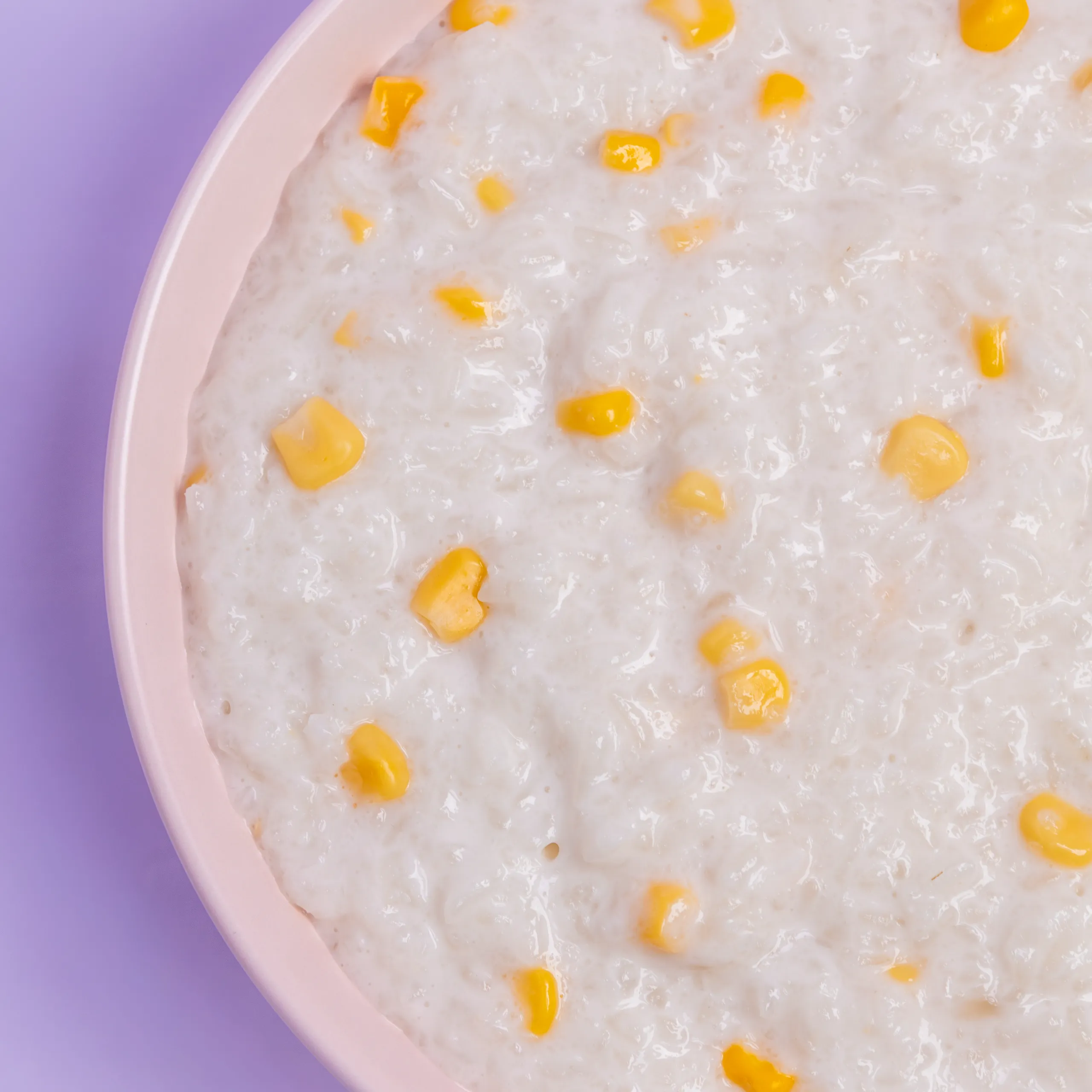


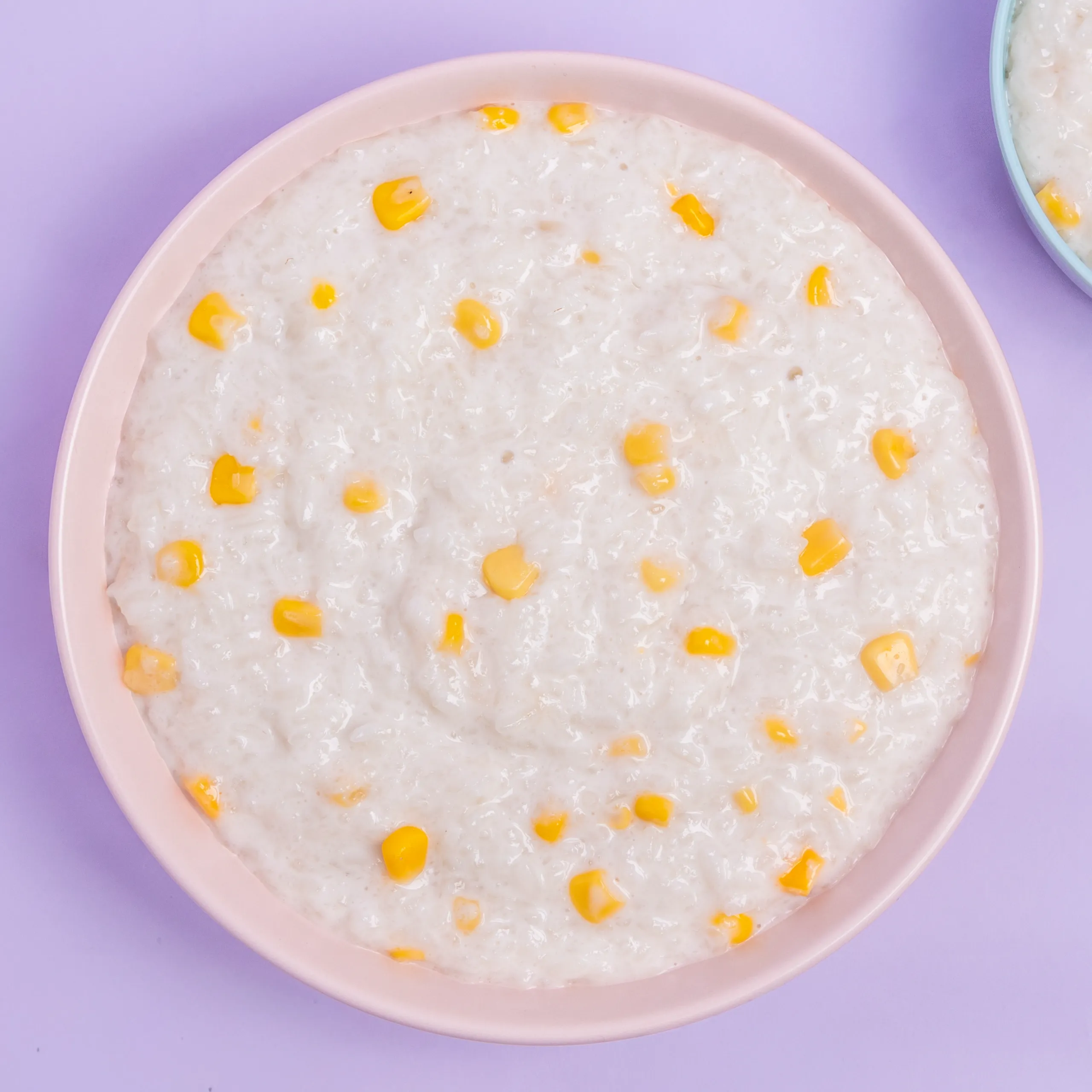
There’s something deeply comforting about a warm bowl of Ginataang Mais. This classic Filipino dessert combines creamy coconut milk, sweet corn, and chewy glutinous rice into a simple yet satisfying dish that’s perfect for breakfast, merienda, or dessert. The natural sweetness of the corn blends beautifully with the rich coconut milk, while the sticky rice adds a wonderfully soft and hearty texture in every spoonful.
One of the best things about this recipe is how easy it is to customize. Whether you’re using fresh corn during harvest season, canned corn from your pantry, or frozen kernels for convenience, you’ll still end up with a creamy and delicious treat. It’s a recipe that’s both budget-friendly and comforting, making it a favorite for family gatherings or quiet afternoons at home.
This homemade version uses simple pantry ingredients and comes together with minimal effort. As the rice slowly cooks, it naturally thickens the coconut milk, creating a rich, velvety consistency that tastes even better when served warm.
History of Ginataang Mais
Ginataang Mais belongs to the broad family of Filipino ginataan, dishes prepared with coconut milk or coconut cream. The word ginataan comes from gata, the Filipino term for coconut milk. Coconut is an important ingredient in many Filipino dishes, particularly in areas where coconut trees grow abundantly. Ginataang Mais developed from this long-standing Filipino tradition of cooking ingredients with coconut milk. Like many traditional Filipino dishes, its exact origin is difficult to attribute to one particular person or place. Instead, it is better understood as part of the country’s broader food culture, where local ingredients and practical cooking methods are passed down through families and communities.
The use of glutinous rice, or malagkit, is also common in Filipino desserts. It gives the dish its characteristic thick and sticky consistency. Similar rice-based sweets can be found throughout Southeast Asia, reflecting centuries of shared ingredients, agricultural traditions, and culinary influences across the region.
Corn became another natural addition. Its mild sweetness and slightly chewy texture complement glutinous rice very well. Once coconut milk and sugar are added, these ingredients become a creamy Filipino merienda or dessert that is easy to prepare at home.
Over time, families have developed their own versions. Some make Ginataang Mais very thick, almost like a rice pudding, while others prefer it softer and more porridge-like. Some add more coconut milk, while others adjust the sugar depending on the sweetness of the corn.
That flexibility is part of what makes Filipino home cooking so enjoyable: a traditional recipe can have a familiar identity while still leaving room for each cook to make it their own.
Recipe Tips
Leftovers often taste even better the next day after the flavors have had time to meld together.
Stir the rice frequently while cooking to prevent it from sticking or burning on the bottom of the pot.
Use low heat after adding the coconut milk to keep it smooth and creamy.
Fresh sweet corn provides the best flavor, but canned and frozen corn are excellent alternatives for convenience.
If using canned corn, drain it well before adding it to the pot to avoid excess liquid.
Add the sugar near the end of cooking so the rice softens properly before sweetening.
For a richer coconut flavor, replace part of the coconut milk with coconut cream.
If the porridge thickens too much after sitting, simply stir in a splash of warm coconut milk or water before reheating.
Taste before serving since the sweetness of corn varies. Adjust the sugar as needed.
A small pinch of salt helps balance the sweetness and enhances the coconut flavor.
Ingredient Substitutions
Glutinous Rice
If glutinous rice isn’t available, you can use regular white rice for a lighter texture, although it won’t have the same signature chewiness. Sweet rice is the closest substitute.
Coconut Milk
You can substitute coconut cream for a richer dessert or use light coconut milk for a lighter version. Dairy milk isn’t recommended if you want to maintain the traditional coconut flavor.
Corn
Fresh corn offers the sweetest and juiciest flavor, but canned or frozen corn are convenient alternatives that work just as well. Cream-style corn can also be used if you prefer a thicker, creamier consistency.
Sugar
White sugar is traditional, but brown sugar adds a deeper caramel-like flavor. Coconut sugar or palm sugar also make delicious alternatives.
Vanilla Extract
Vanilla adds extra aroma but is optional. You can also use pandan extract or tie a pandan leaf into a knot and simmer it with the rice for a fragrant twist.
Salt
A small amount of salt balances the sweetness, but if omitted, the dessert may taste flatter.
Health Benefits of the Ingredients
Ginataang Mais can provide several useful nutrients, although it is still best considered a dessert or sweet snack, particularly because it contains added sugar and coconut milk.
Glutinous rice provides carbohydrates, which are an important source of energy. Because it is dense and filling, a serving can provide substantial energy even though the ingredients themselves are simple.
Corn contributes carbohydrates, dietary fiber, and various vitamins and minerals. It also contains naturally occurring plant compounds and antioxidants. Using fresh or frozen corn without added sugar can be a good way to keep the ingredient closer to its natural form.
Coconut milk contains fat, which provides energy and helps give the dessert its creamy texture. Coconut also contains minerals and naturally occurring compounds, although coconut milk can be relatively high in saturated fat, so portion size is worth considering.
Vanilla is primarily used for flavor rather than nutrition because only a small amount is needed. Nevertheless, it adds aroma and helps create a richer-tasting dessert without needing to dramatically increase the amount of sugar.
Salt is used in a very small quantity, but it has an important culinary purpose. It balances the sweetness and prevents the dessert from tasting flat.
The biggest nutritional consideration is the added sugar. The recipe contains 70 grams of white sugar, so people who are monitoring their sugar or overall calorie intake can reduce the amount. The corn itself contributes natural sweetness, meaning the dessert can still taste good with less added sugar.
Ways to Make It Healthier
If you want to enjoy Ginataang Mais while making it somewhat lighter, there are several simple adjustments.
You can reduce the amount of sugar and let the natural sweetness of the corn contribute more to the final flavor. Using fresh or frozen corn without added sugar gives you better control.
You can also make smaller servings. Since glutinous rice and coconut milk are both filling, you do not necessarily need a large bowl to enjoy the dessert.
Another option is to adjust the coconut milk-to-water ratio. Using slightly more water and a little less coconut milk will make the dessert lighter while still retaining some coconut flavor.
Most importantly, you do not have to remove everything that makes the dish enjoyable. A healthier approach can simply mean better portions and moderation rather than completely changing a traditional food.
Serving Suggestions
Ginataang Mais is delicious when served warm, particularly during rainy weather or as an afternoon merienda.
You can serve it in small bowls and enjoy it on its own. The creamy rice, tender corn, and coconut milk are already enough to make it satisfying.
For something different, you can allow it to cool and refrigerate it. Chilled Ginataang Mais becomes thicker and has a texture closer to a rice pudding.
Some people also enjoy adding a little extra coconut milk on top when serving. A sprinkle of toasted coconut can provide another layer of flavor and texture.
If you enjoy Filipino desserts, you can also serve Ginataang Mais alongside other traditional merienda dishes for a larger spread.
Final Words
Ginataang Mais is a beautiful example of how Filipino food can turn a few simple ingredients into something comforting and memorable. There is nothing complicated about glutinous rice, corn, coconut milk, sugar, salt, and vanilla, but when they are cooked together slowly, they create a dessert with a wonderfully creamy texture and familiar Filipino character.
Perhaps the best part of Ginataang Mais is its flexibility. You can make it thick or soft, sweeter or more subtle, warm or chilled. You can use fresh corn when it is available or reach for frozen or canned corn when convenience matters. You can even adjust the sweetness according to your family’s preference.
At its heart, though, the dish remains wonderfully simple: soft malagkit, sweet corn, creamy coconut milk, and just enough sugar to bring everything together.
Ginataang Mais may be humble, but that is exactly where its charm lies. It is the kind of food that reminds us that comfort does not always come from complicated recipes. Sometimes, it comes from a warm bowl prepared with familiar ingredients, shared with people we love, and enjoyed slowly, one spoonful at a time.