

Before Makati became a forest filled with gleaming towers and luxury developments, it was a city defined by landmark hotels, beloved theaters, and a distinct architectural identity.
While many of those structures have since disappeared, their stories remain—and at PAPAKAPE’s newest Legazpi Village branch, they’re being retold one cup at a time.
How PAPAKAPE’s New Makati Branch Pays Tribute to the City’s Brutalist Past
For multi-hyphenate founder Manu Reyes, this new branch is more just an expansion into one of the country’s most brutal coffee districts. It’s a tribute to a version of Makati that has shaped generations before glass-and-steel skyscrapers became the norm.

“When I saw this space, there was this skip in my heart,” Reyes recalled. “This is the one.”
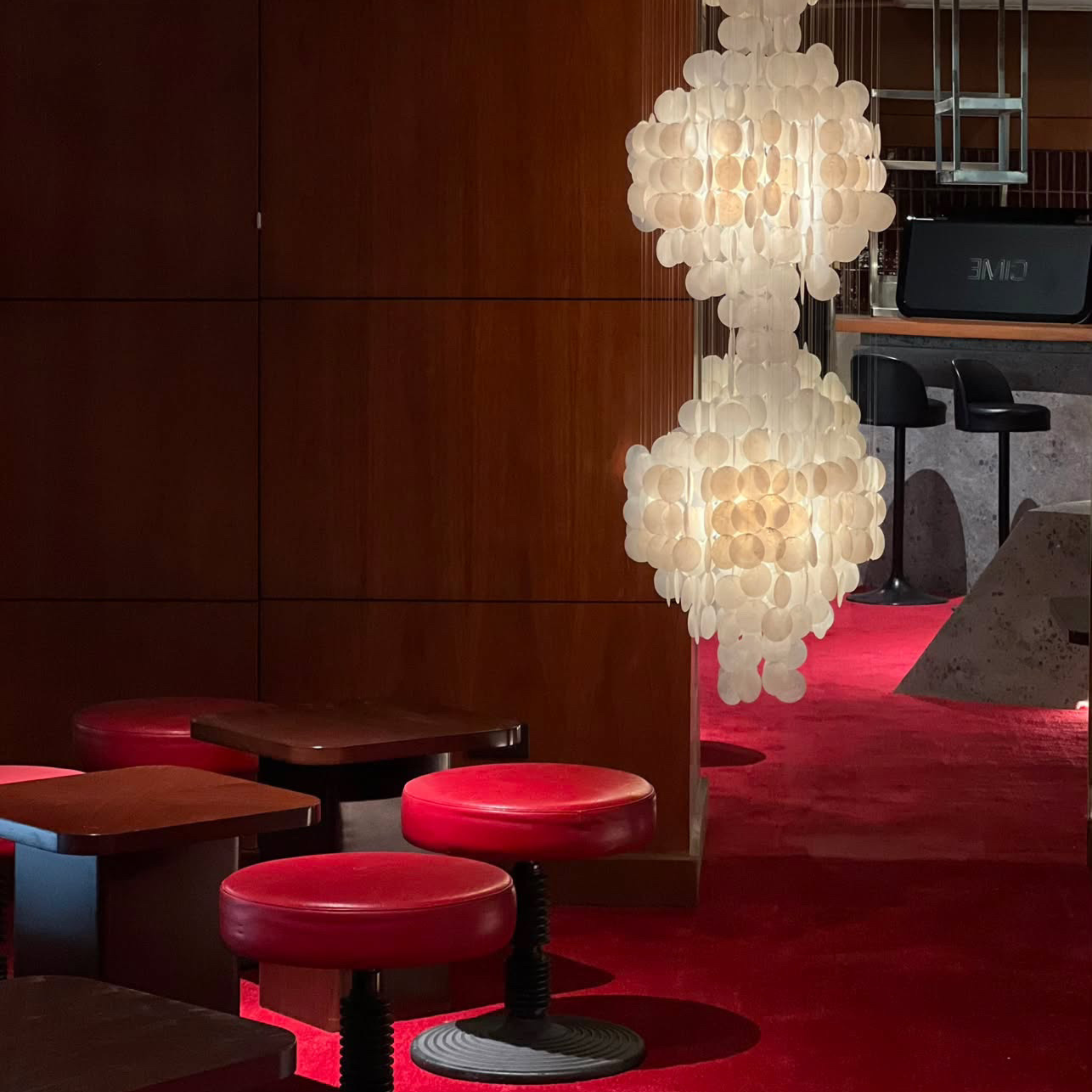
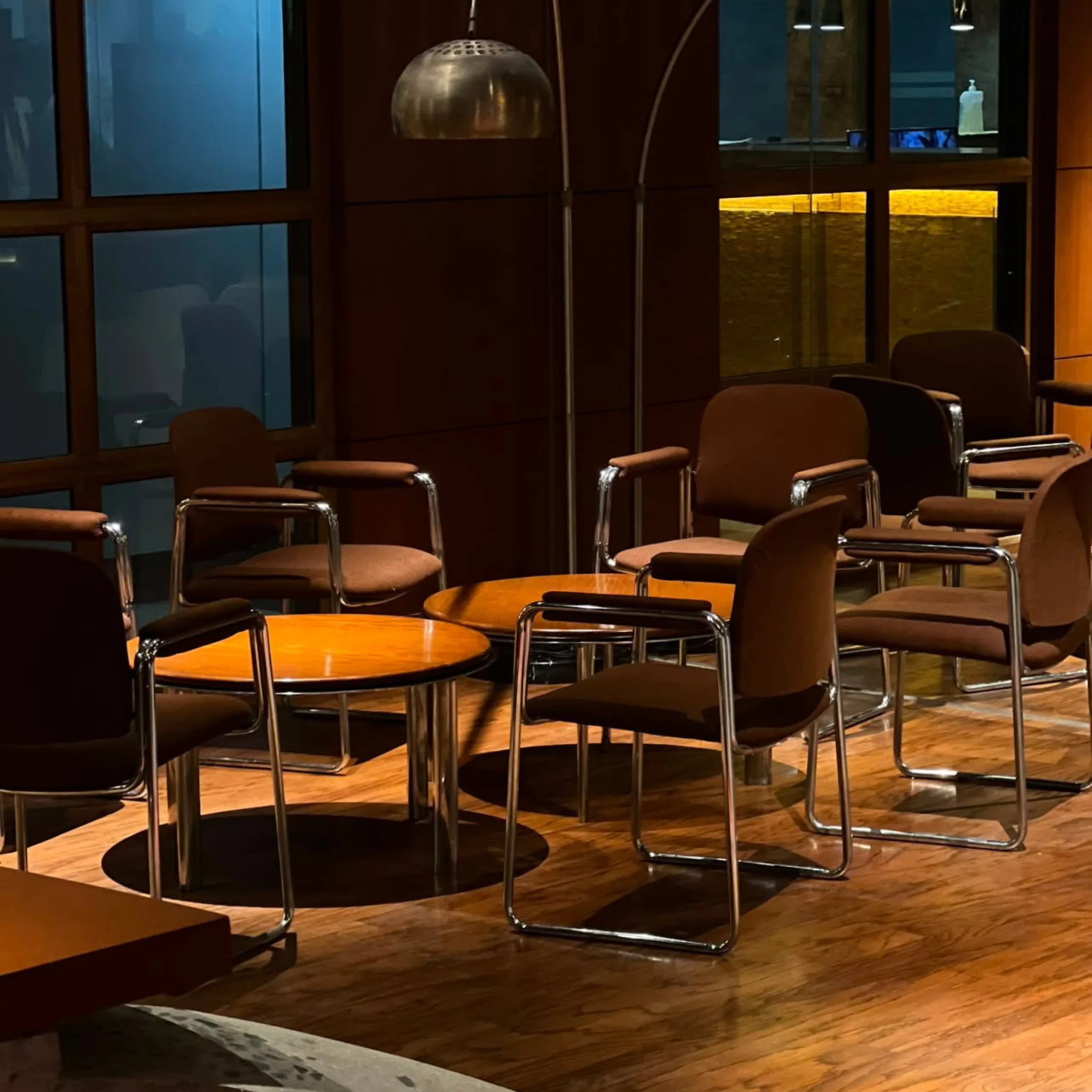
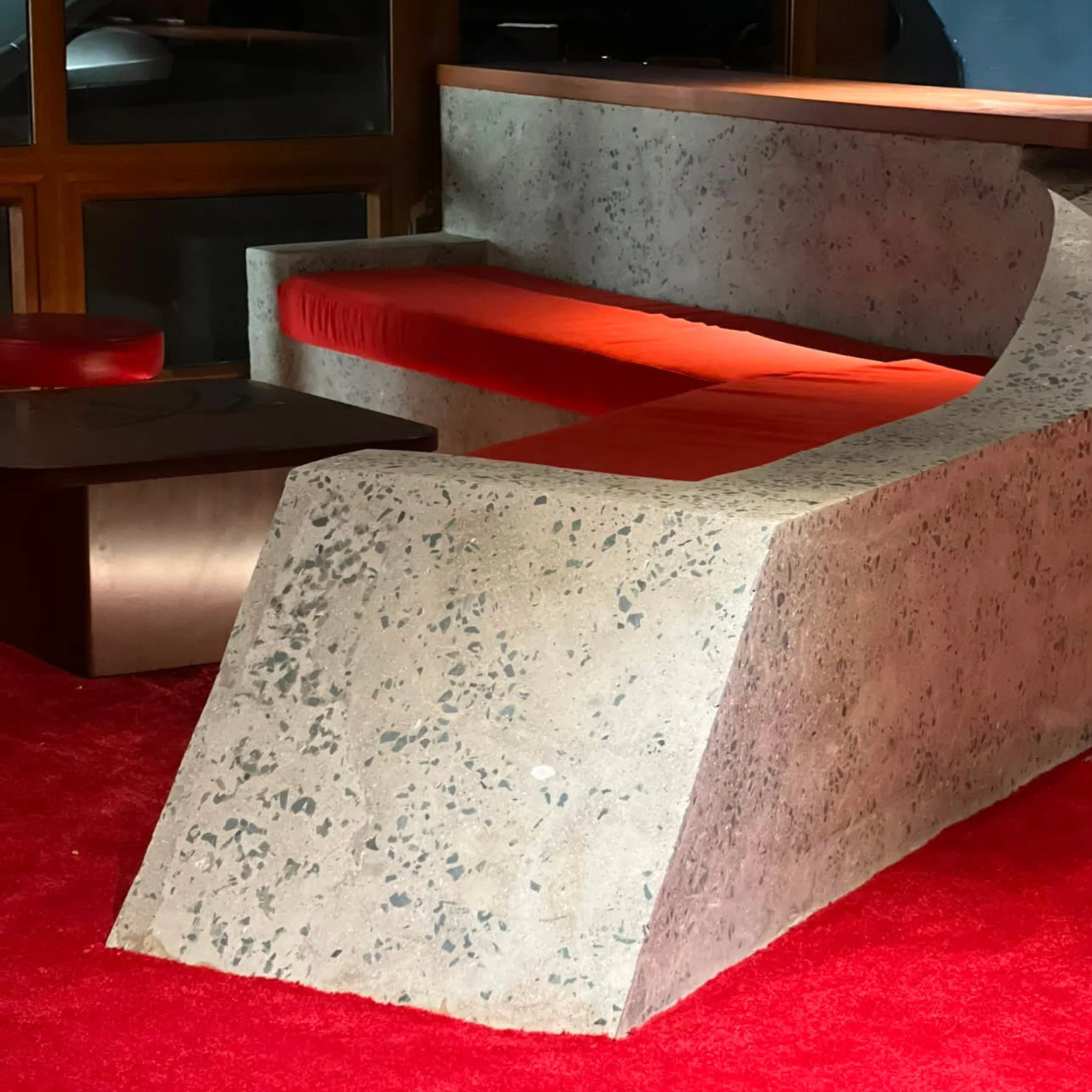
That led to a cafe inspired by the brutalist architecture that once defined much of the city. Drawing from the works of national artists, well-known architects, and even historic landmarks like the Cultural Center of the Philippines (CCP) and the Philippine International Convention Center (PICC), stepping into PAPAKAPE Legazpi feels akin to stepping into an entirely different era of Makati.
The Design Details That Make PAPAKAPE Feel Like Another Era
Its interiors are filled with subtle references to a bygone era of Makati. As if frozen in time, the space echoes old office lobbies from the 70s and 80s, bougie hotel lounges, theaters, and even airport waiting rooms from a time when travel felt a little more glamorous. This feeling is reinforced by existing architectural elements from the former office space that were preserved and incorporated into the design, while vintage furniture sourced from old offices around the city radiate the impression that the cafe has existed far longer than it actually has.
Rather than simply recreating the past, however, Reyes wants visitors to experience it. “I want people to have a little bit of a time travel [experience],” he shared. Because, for him, this project is deeply personal.
Long before PAPAKAPE opened its doors, Makati was already the backdrop to his family’s story. His parents met and fell in love there during the 70s, he grew up in the city, and PAPAKAPE’s iconic pandemic glass-house spot sprouted along Palanan. This branch in Legazpi brings all those threads together, turning the cafe into a love letter dedicated to his family, his beginnings, and the Makati that shaped everything in between.
The Drinks and Desserts That Tell PAPAKAPE’s Story
That storytelling extends beyond the interiors and into the menu.
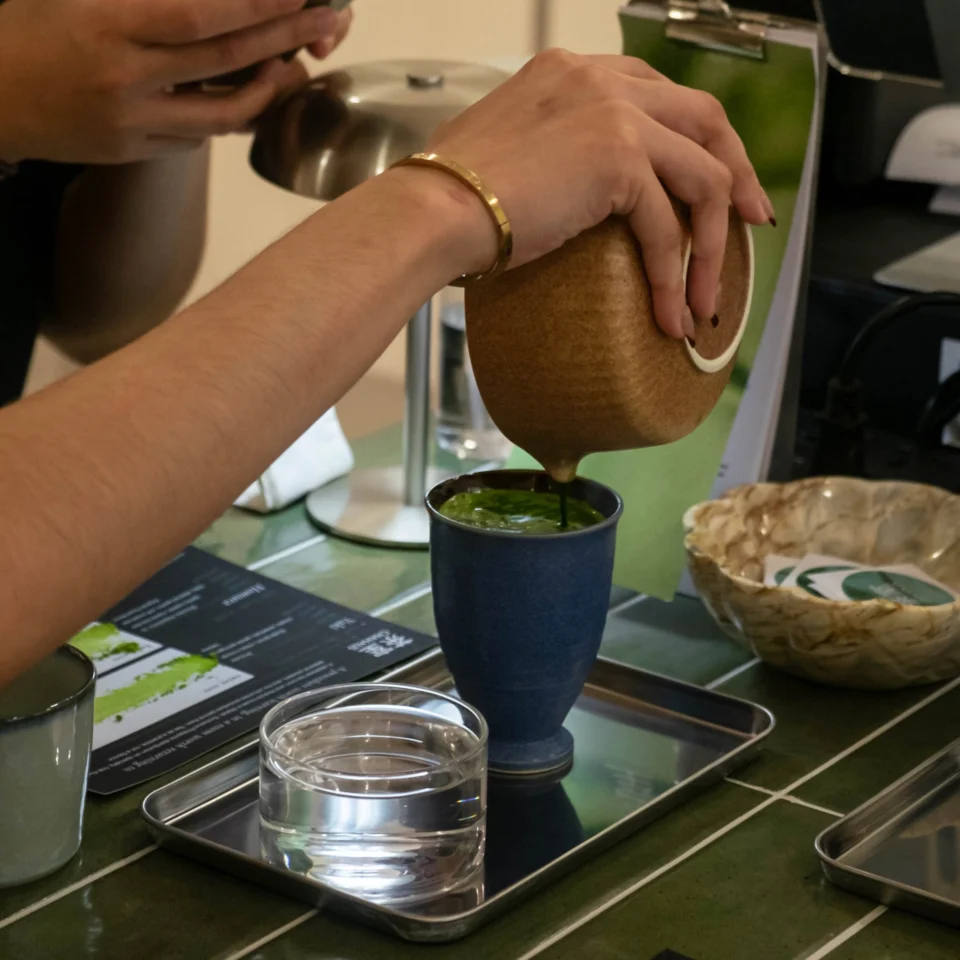
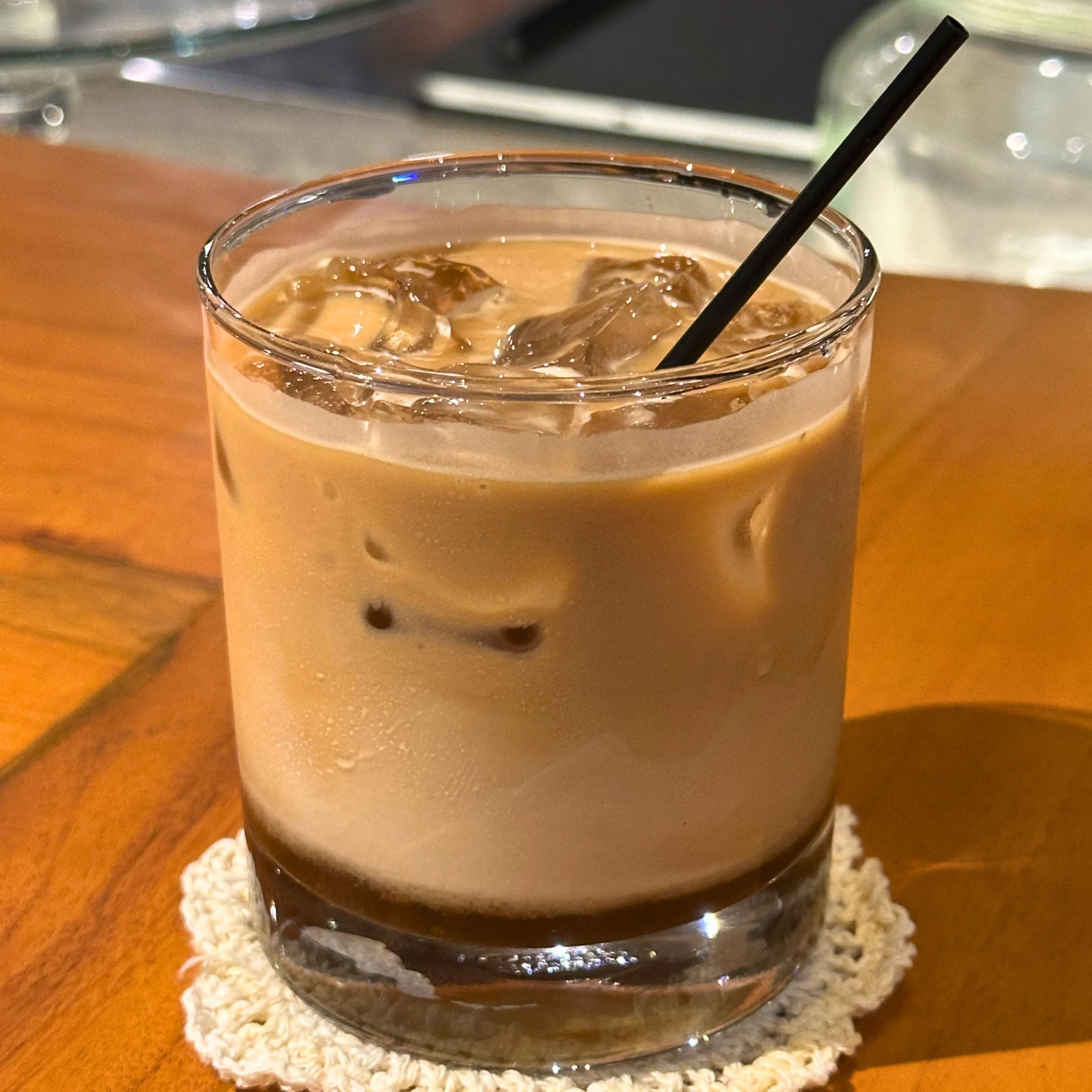
During a recent visit, I indulged in a few items that embody PAPAKAPE’s vision of connecting people to place and memory. First was the Legazpi-exclusive Kapitan, a drink inspired by the Mandarin Oriental Manila, an iconic Makati hotel that was demolished in 2014.
With mandarin orange, raisins, and rhum, it’s unlike any other coffee-based drink I’ve had in the past. Smooth and creamy, the Kapitan initially feels like your regular caffeinated cup, but as you make your way through the drink, the citrus notes begin to make themselves more apparent. This adds a refreshing and bright contrast to the coffee, while the raisins and rhum add a subtle, but fruity sweetness to round things out. When combined with the orange pulp scattered all throughout, every sip is slightly different from the last, turning what could’ve been a straightforward coffee drink into something far more dynamic and memorable—just like the place that inspired it.
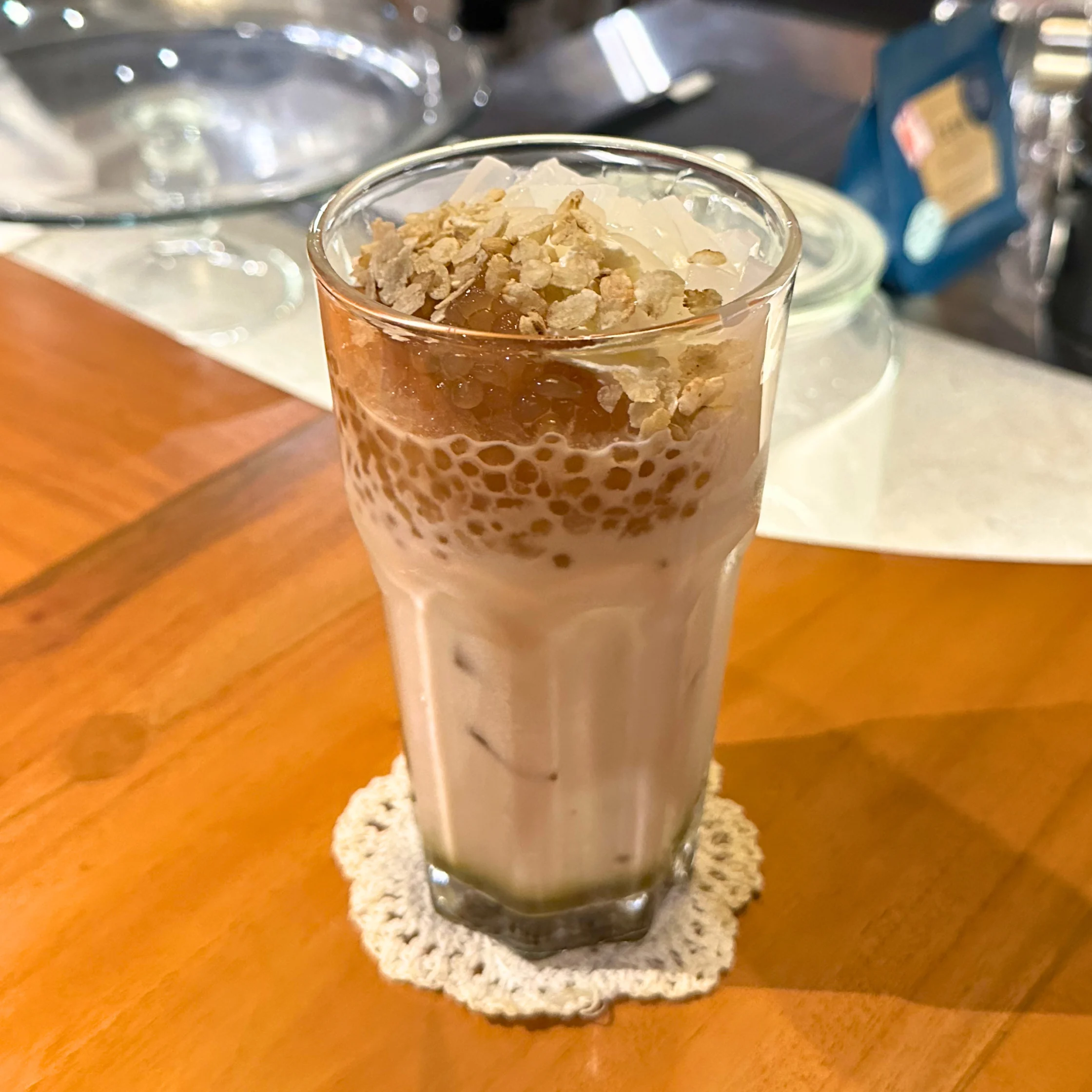
I also tried Greenumis, one of PAPAKAPE’s non-coffee drinks. With tapioca pearls, nata de coco, and pinipig, it feels like the malunggay and non-dairy milk version of halo-haloHalo-HaloA beloved Filipino dessert whose name means mix-mix. Shaved ice is layered with sweet beans, fruits, jellies, leche flan, and ube ice cream, then doused with evaporated milk. Stirred togetherGo to Halo-Halo Glossary. It’s thick, creamy, and full of playful and exciting textures. But more than just a beverage, it feels like a dessert that’s comforting, familiar, and distinctly Filipino without being overly sweet.
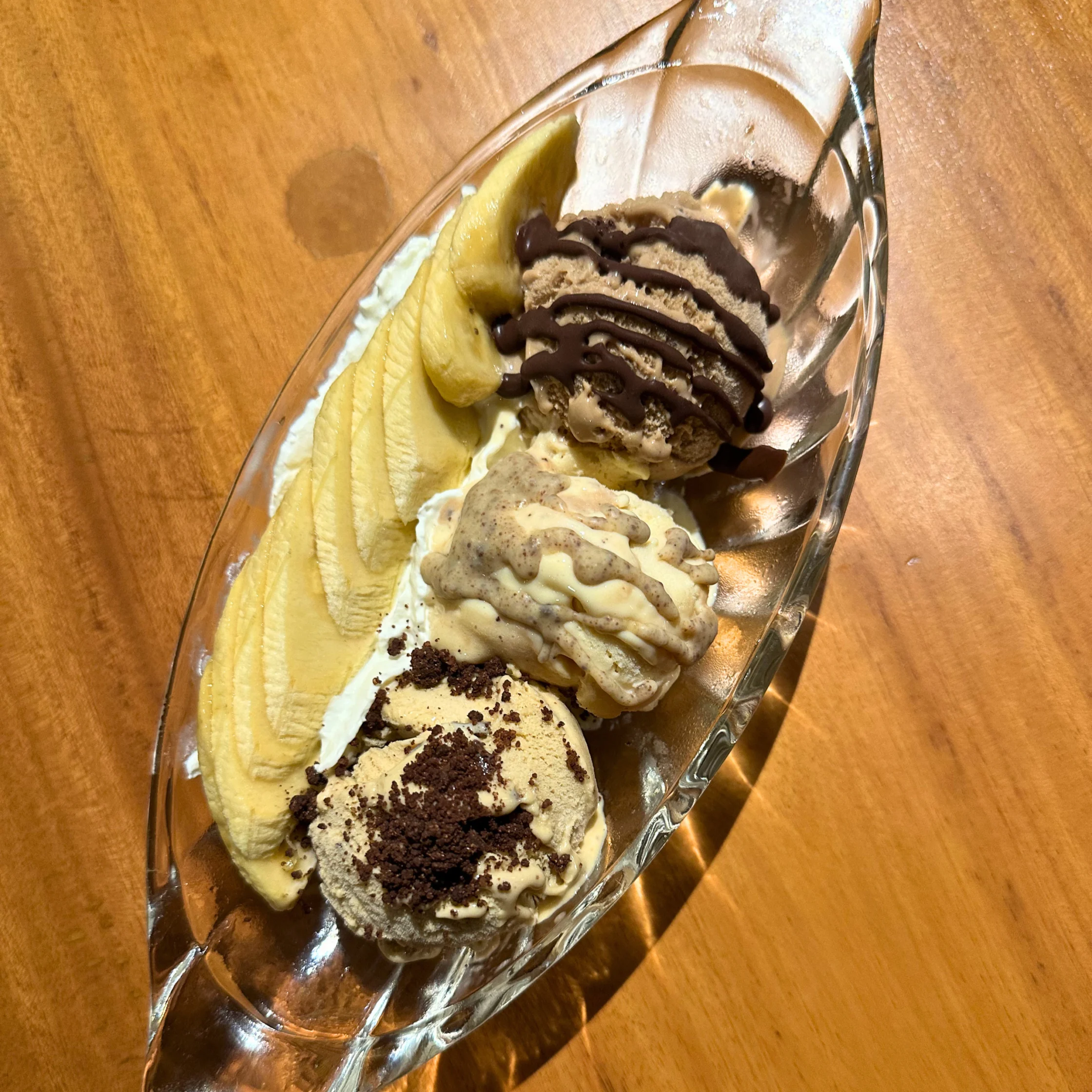
Speaking of dessert, their Banana Split was another sweet standout. Built around the cafe’s signature frozen leche flan base, it combines the flavors of tablea, coffee, and leche flan for a decadent, but not overwhelming dessert that pairs perfectly with a delicious cup of coffee.
How PAPAKAPE Is Preserving Old Makati Through Coffee
While both the drinks and desserts are enough of a reason to drop by, the thing that makes PAPAKAPE Legazpi particularly compelling, however, is how they tie into the larger narrative about Makati with upcoming menu items that draw inspiration from vanished landmarks including the Rizal Theater, Intercontinental Manila, and Sulo Restaurant—places that once formed part of the city’s cultural landscape. Through flavor, color, and presentation, Reyes hopes to spark curiosity about the stories behind these locations, particularly among younger customers who may have never seen them firsthand.
It’s a fitting mission for a brand that began not as a business but as a pandemic-era garage project. Originally a chef, Reyes found himself searching for a creative outlet during lockdown and started serving coffee from home. It didn’t take long for the neighborhood experiment to eventually grow into a brand with locations in Fort Santiago, Rizal Park, and even the National Museum—spaces where history and culture seamlessly blend into experience.
PAPAKAPE is More Than Just Another Coffee Shop
Now, PAPAKAPE is bringing that same philosophy to Makati.
As the city continues to evolve, and as old landmarks are demolished in favor of newer, taller, more profitable developments, PAPAKAPE Legazpi offers the rare opportunity to actually slow down and remember. Through its brutalist design, heritage-driven storytelling, and drinks that honor places long gone, the cafe invites visitors to reconnect with a version of Makati that still lingers underneath the city’s modern facade.
In a neighborhood filled to the brim with coffee concepts competing for attention, PAPAKAPE stands out by looking backward. And in doing so, they remind us that some of the most meaningful stories might be the ones in danger of being forgotten.
PAPAKAPE Legazpi is located at 110 Legazpi St. (Gallardo St. side), Legazpi Village, Makati.
Frequently Asked Questions
PAPAKAPE Legazpi is located at 110 Legazpi St. (Gallardo St. side), Legazpi Village, Makati.
The café combines specialty coffee with heritage storytelling, featuring interiors inspired by old Makati’s Brutalist architecture and drinks named after historic city landmarks.
Popular menu items include the Legazpi-exclusive Kapitan coffee, Greenumis, and the Banana Split dessert made with frozen leche flan.
Yes. PAPAKAPE is a specialty coffee brand known for combining quality coffee with Filipino history, culture, and storytelling across its branches.
PAPAKAPE began as a pandemic-era garage project. Founder Manu Reyes, originally a chef, started serving coffee from home during lockdown, and the neighborhood experiment grew into a brand with locations in Fort Santiago, Rizal Park, and the National Museum, plus a glass-house spot along Palanan.