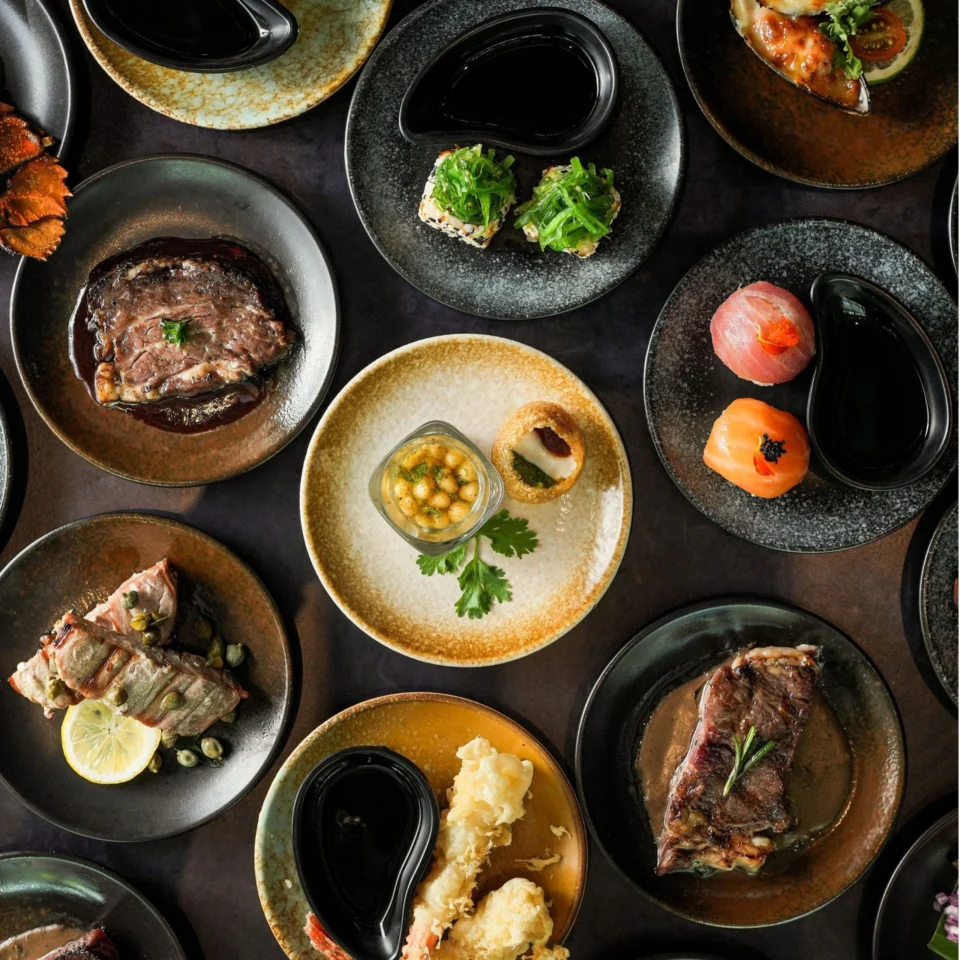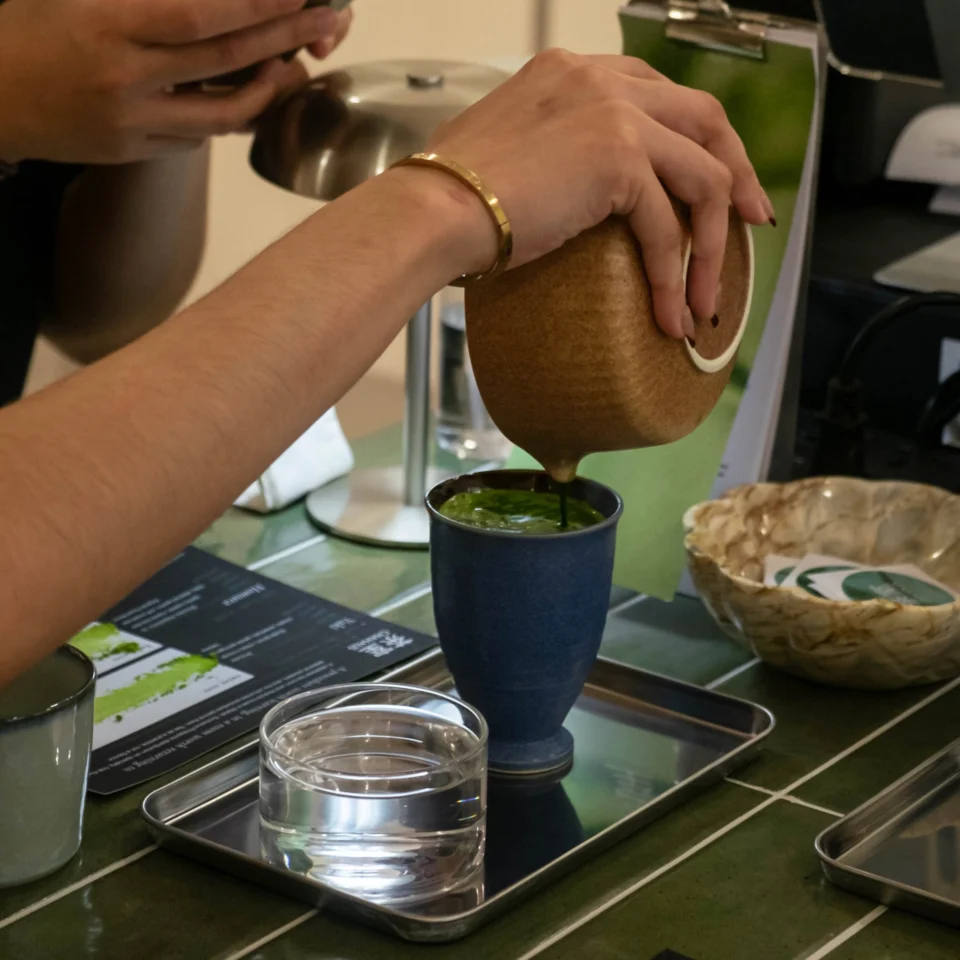
Roots Siargao is a farm-to-table restaurant that celebrates local ingredients and modern Filipino flavors in a laid-back island setting.
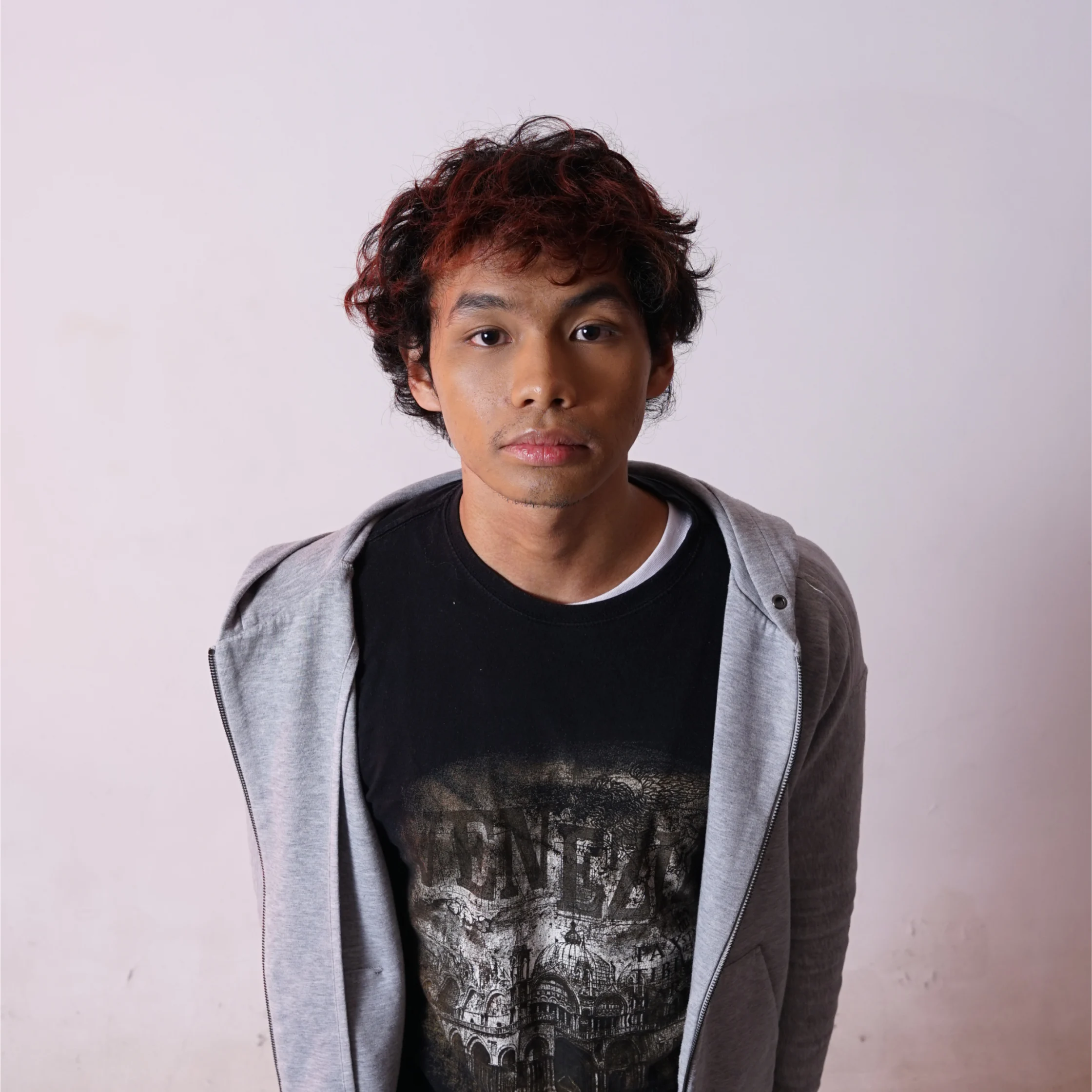
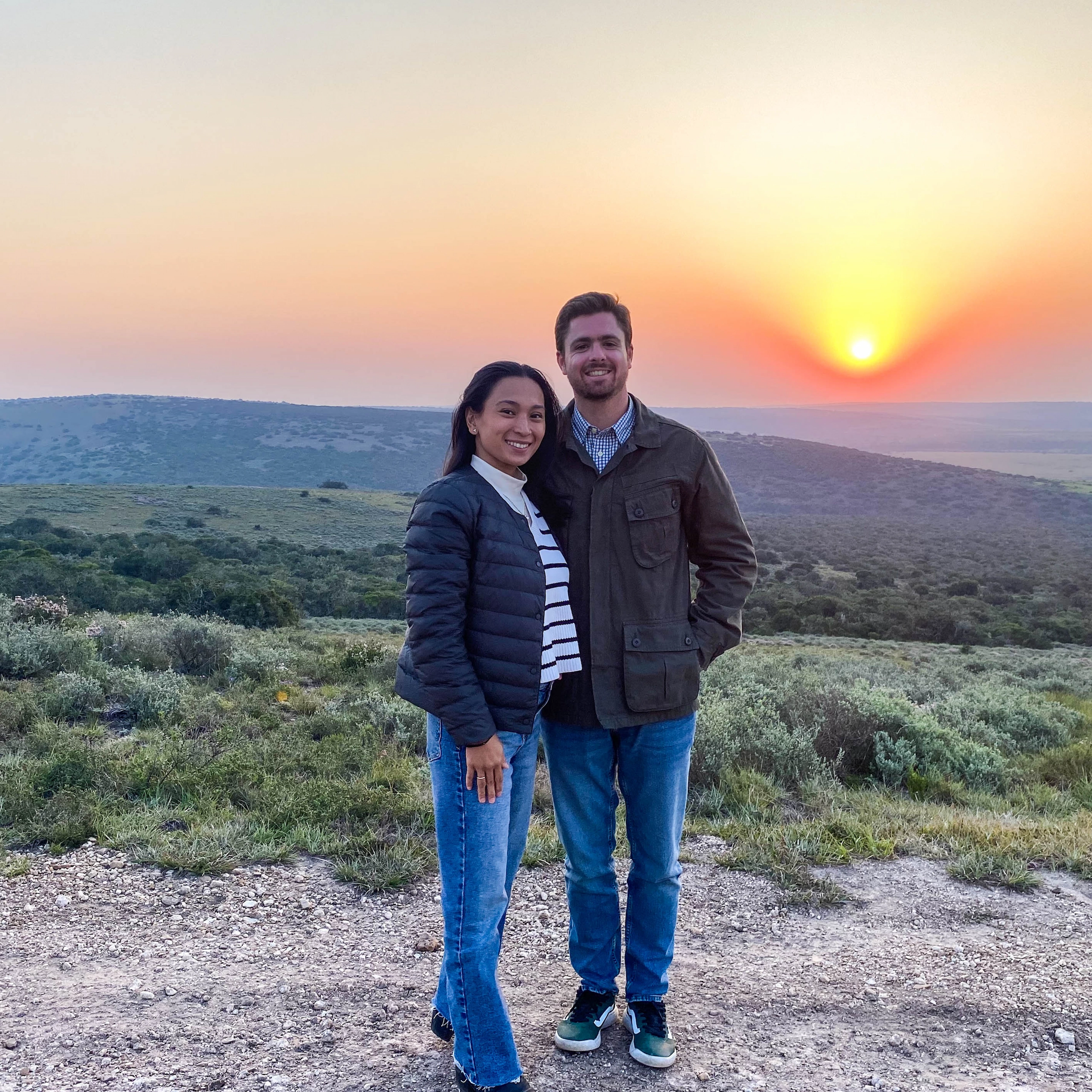
Despite being at the forefront of a culinary movement in Siargao, Ricardo Miranda de Sousa’s story in the Philippines didn’t begin anywhere near a kitchen. It started at a party 11 or 12 years ago—the very same one where he met his wife.
Ricardo Miranda de Sousa: From Peru to Siargao
That chance encounter turned into a partnership built on a shared appetite for adventure. Together, they moved across continents, eventually settling in Peru for nearly seven years.
“I think it was adventure,” Ricardo says of what first brought them together. “But food was always present.”
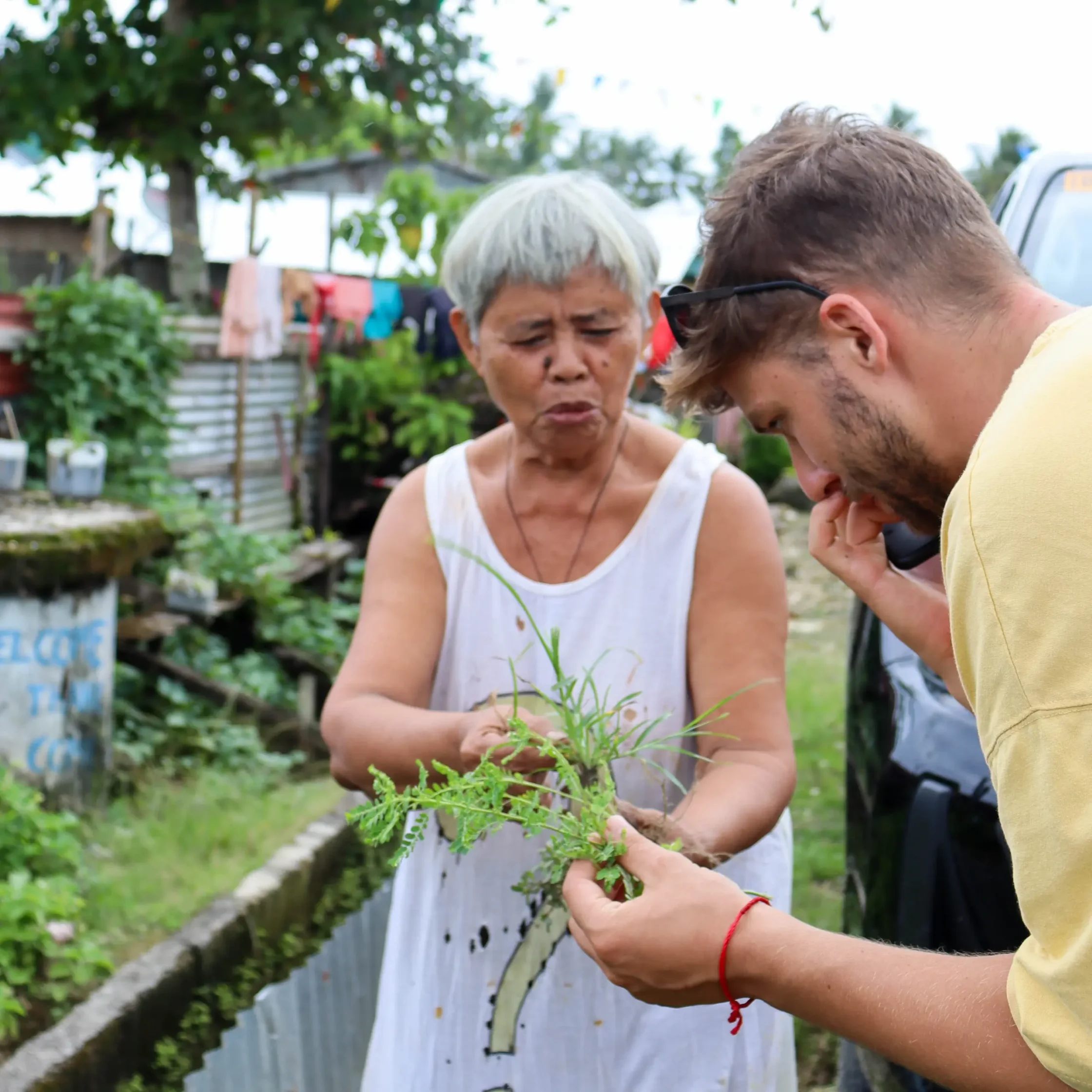
Their travels, however, were rarely just about the destinations. They always made time for markets, farms, and conversations with producers, making an effort to see food not just through restaurants, but through the people and places behind it. Their time in Peru only deepened that.
“In Peru, everything revolves around food,” he recalls. “It’s a source of pride for the country.”
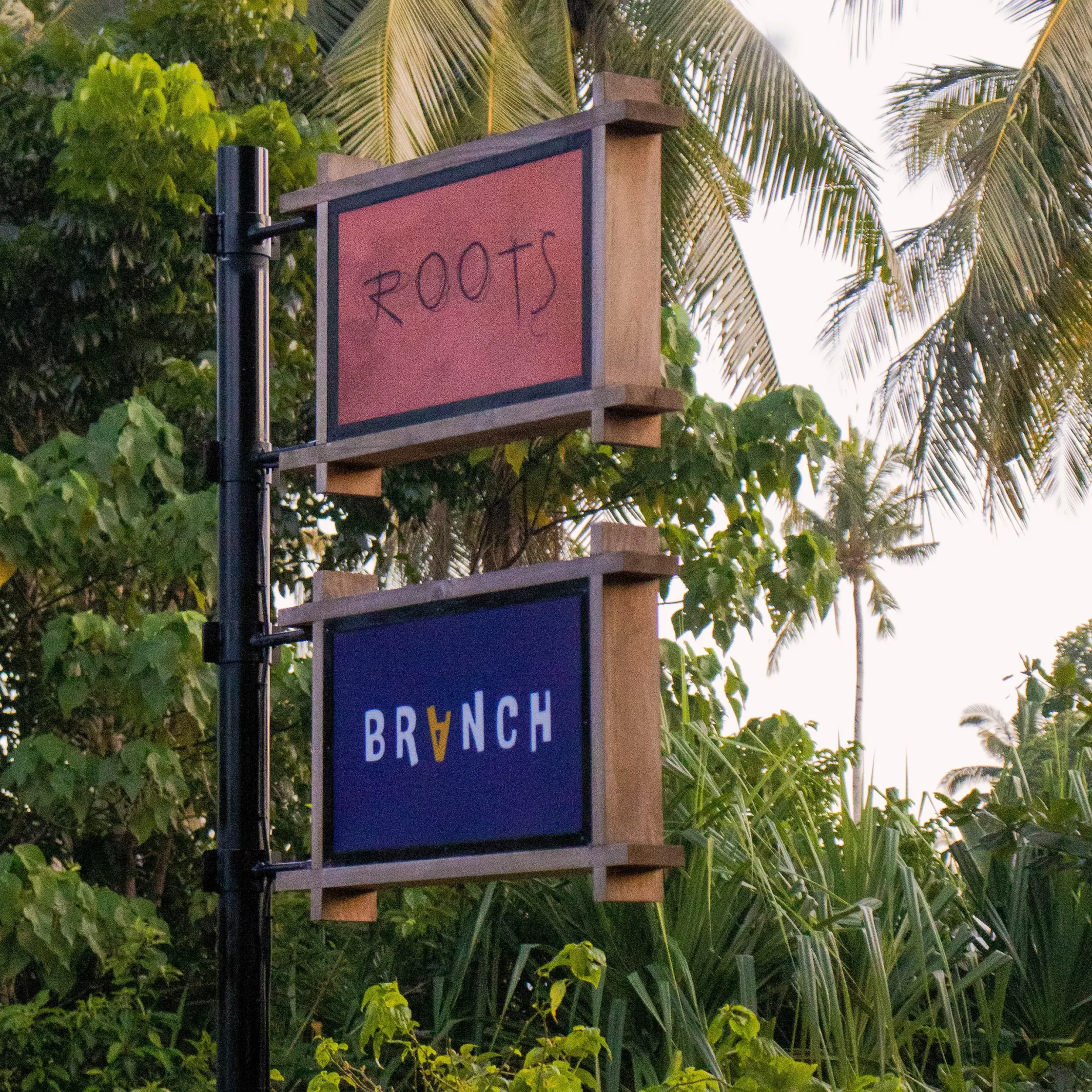
They didn’t know it at the time, but that’s also when friends of his from different parts of the world began conceptualizing an idea—one that would later grow into Kaos, the interdisciplinary platform behind Roots, and Branch by Roots in Siargao. When Ricardo and his wife decided to return to the Philippines to be closer to her family, that idea finally found a home.
The Vision Behind Roots Siargao and Kaos Platform
Siargao, a biodiverse region with closely-knit local communities, felt like the natural choice. And in many ways, the move itself reflected what had always grounded their relationship: a desire to stay close to people, places, and things that actually matter.
Today, Ricardo is the co-founder and Director of Growth and Impact at Kaos. Though not a chef by training, he sits at the heart of a culinary movement that brings together everything he and his wife had been drawn to over the years—food, culture, and connection.
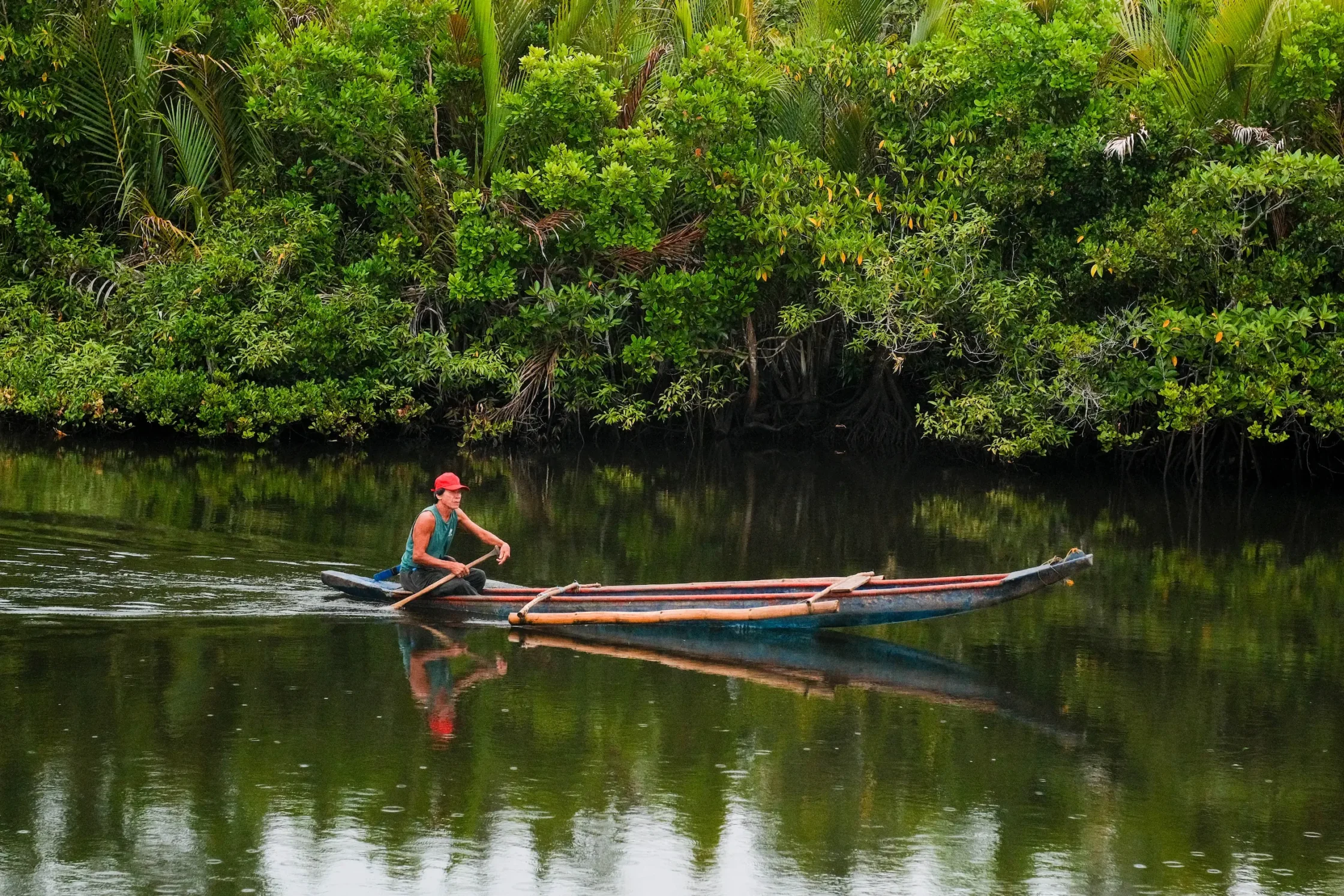
“We push for a different way of doing gastronomy,” Ricardo explains. “One that’s very much linked to the environment, to the landscape surrounding us, and in close collaboration with fisherfolk, farmers, and the produce that comes from them.”
How Roots Siargao Implements Farm-to-Table Gastronomy
At Roots, that philosophy shapes all of the restaurant’s touchpoints. The team works directly with local producers, sourcing ingredients from nearby farms and communities instead of importing. They also ensure that the people behind those ingredients are paid fairly.
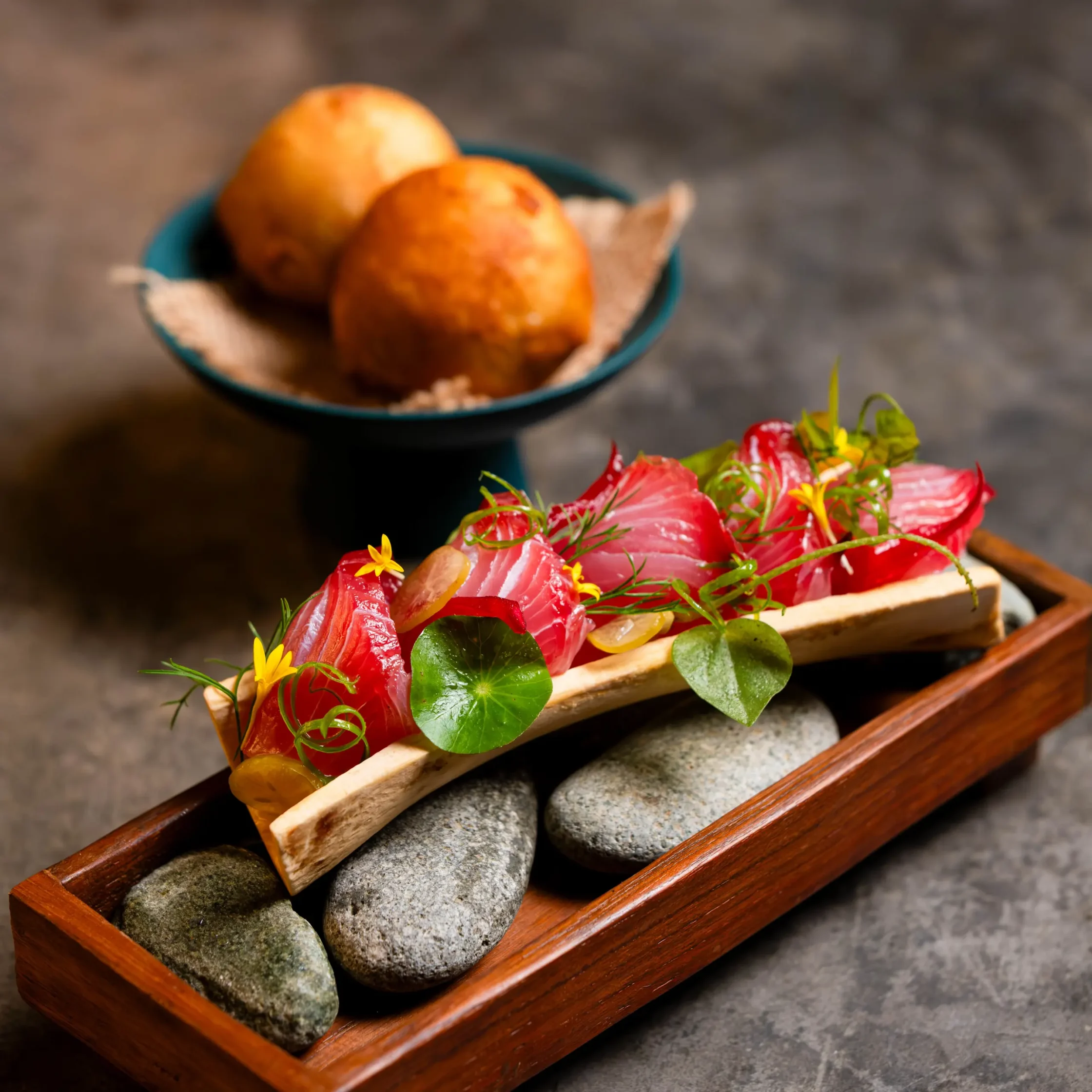
“We try to have short supply chains, with no intermediaries, working directly with the producers,” he says. “Whatever the price they think is fair, we pay it.”
And their menu itself is a reflection of nature’s unpredictability as dishes often change depending on what ingredients are available on a given day. “If there’s a typhoon and fishermen can’t catch big fish, then we use octopus from the reef closer to the shore,” Ricardo says. “If a vegetable shipment doesn’t arrive, we replace it with something we can find on the island.”
Who are the Founders and Creatives Behind Kaos?
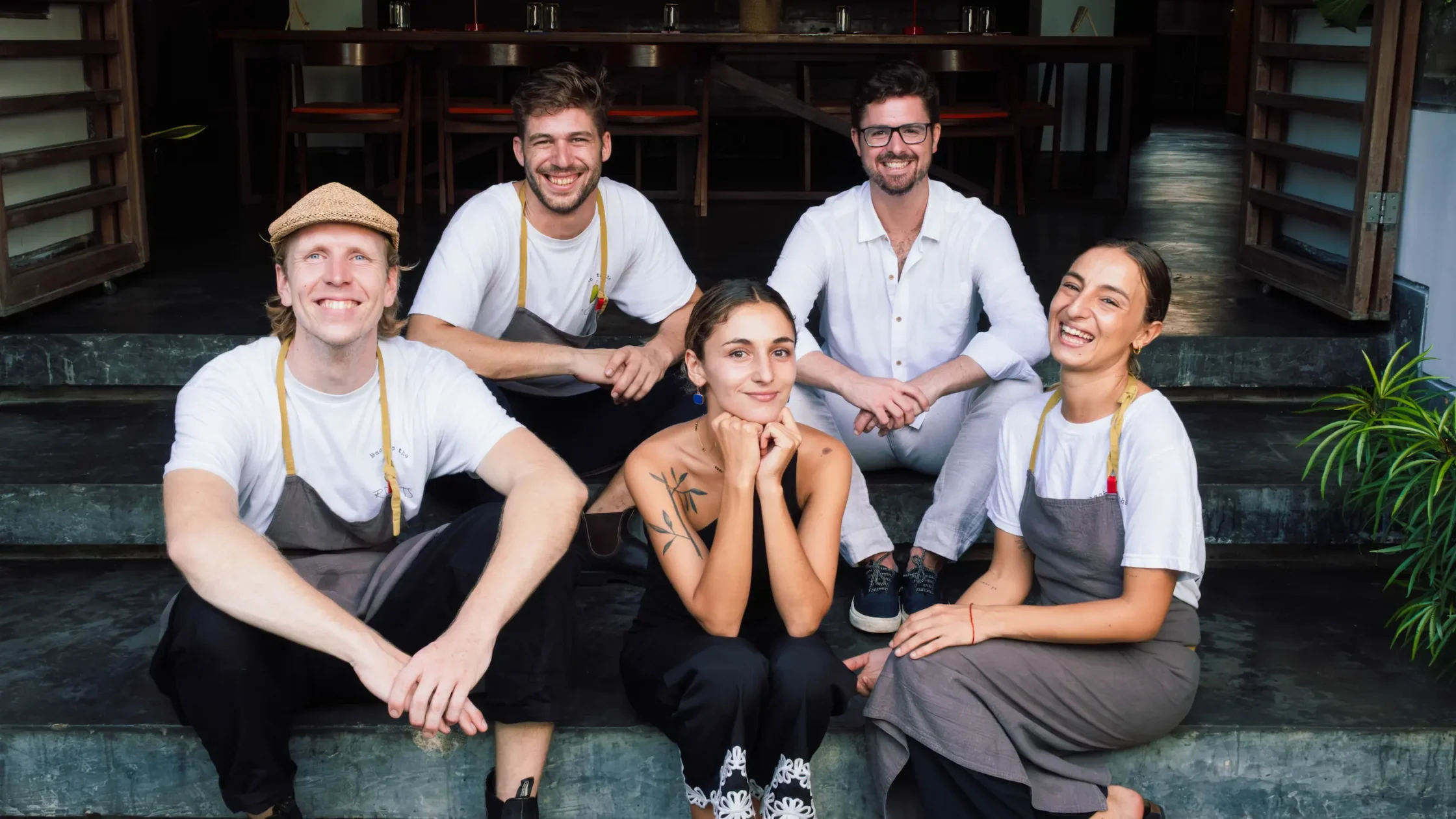
Behind this flexible approach is a team with diverse backgrounds and perspectives. “Purpose-driven and eclectic,” Ricardo describes them.
The group includes Inés Castañeda, Kaos’ creative director; Filippo Turrini, the culinary director; and Marina Castañeda, the platform’s design and art director, while other collaborators bring knowledge in anthropology, design, and hospitality. Together, they blend Filipino ingredients with their own cultural influences to create an experience that’s as diverse as the cast behind it.
“We’re not Filipino, but we respect Filipino cuisine very much. We don’t think it’s our place to cook Filipino food. Instead, we bring our own cultural backgrounds, but we use Filipino ingredients and techniques.”
– Ricardo Miranda de Sousa
Roots Siargao’s Impact on Local Culture and Environment
That sense of respect—for culture, for community, and for origin—is something that runs parallel to Ricardo’s personal life. His wife, who is Filipina, played a central role in bringing him back to the country and helping the team understand the local culture. Even today, she remains closely involved behind the scenes, supporting the operational side of the business.
In building Roots, Ricardo and the Kaos team have also made it a point to invest in the local community—hiring and training residents, many of whom had no prior experience in hospitality.
“We try to hire as many locals as possible. They’re also a source of knowledge for us. Understanding the landscape and the context is extremely important, and who better to help us than the locals?”
– Ricardo Miranda de Sousa
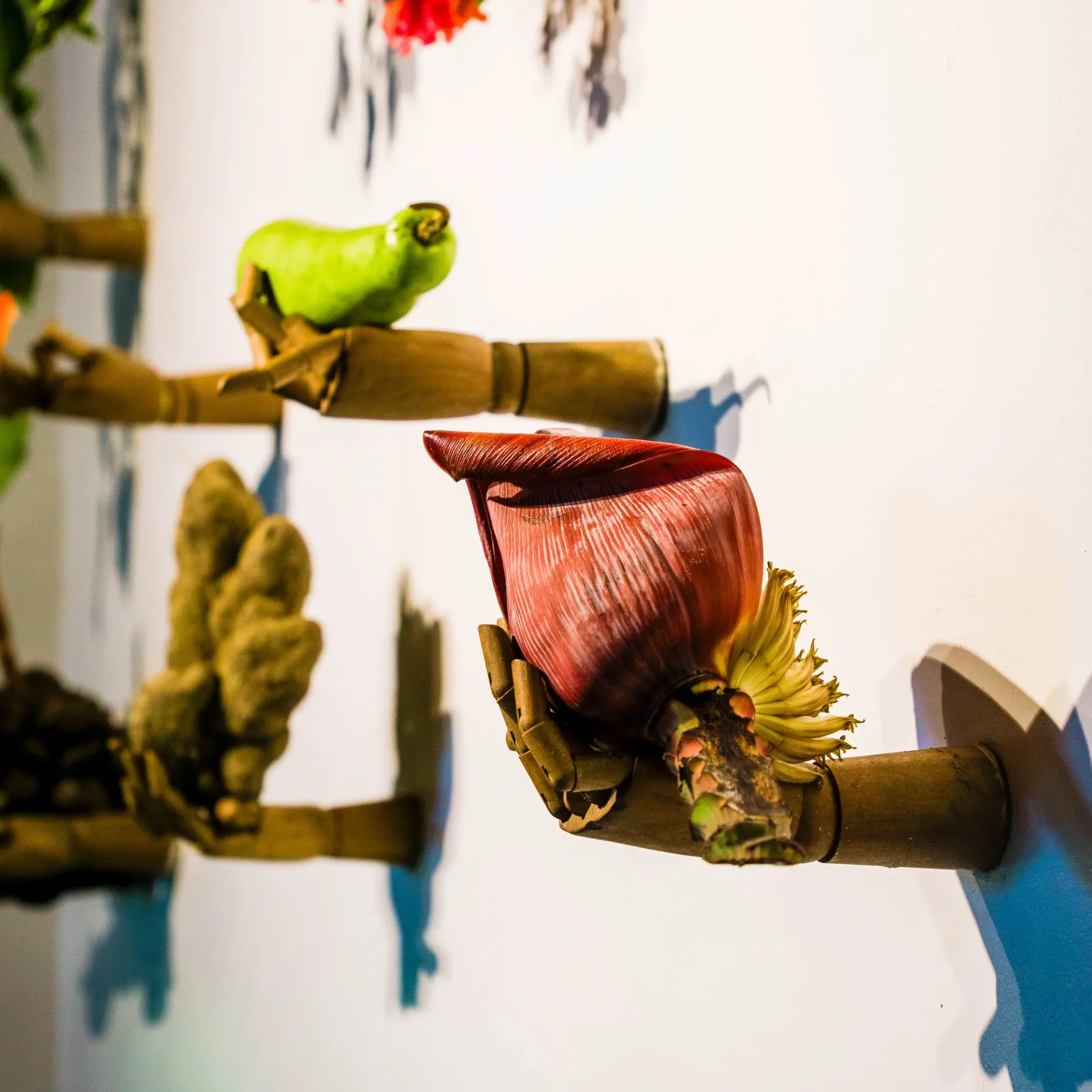
Sustainability, too, is built into the restaurant’s physical space. The team shreds and recycles plastic from the island, transforming that waste into design elements used throughout the restaurant.
But at its core, Roots is still about something simple—and something that traces back to the very beginning of Ricardo’s story.
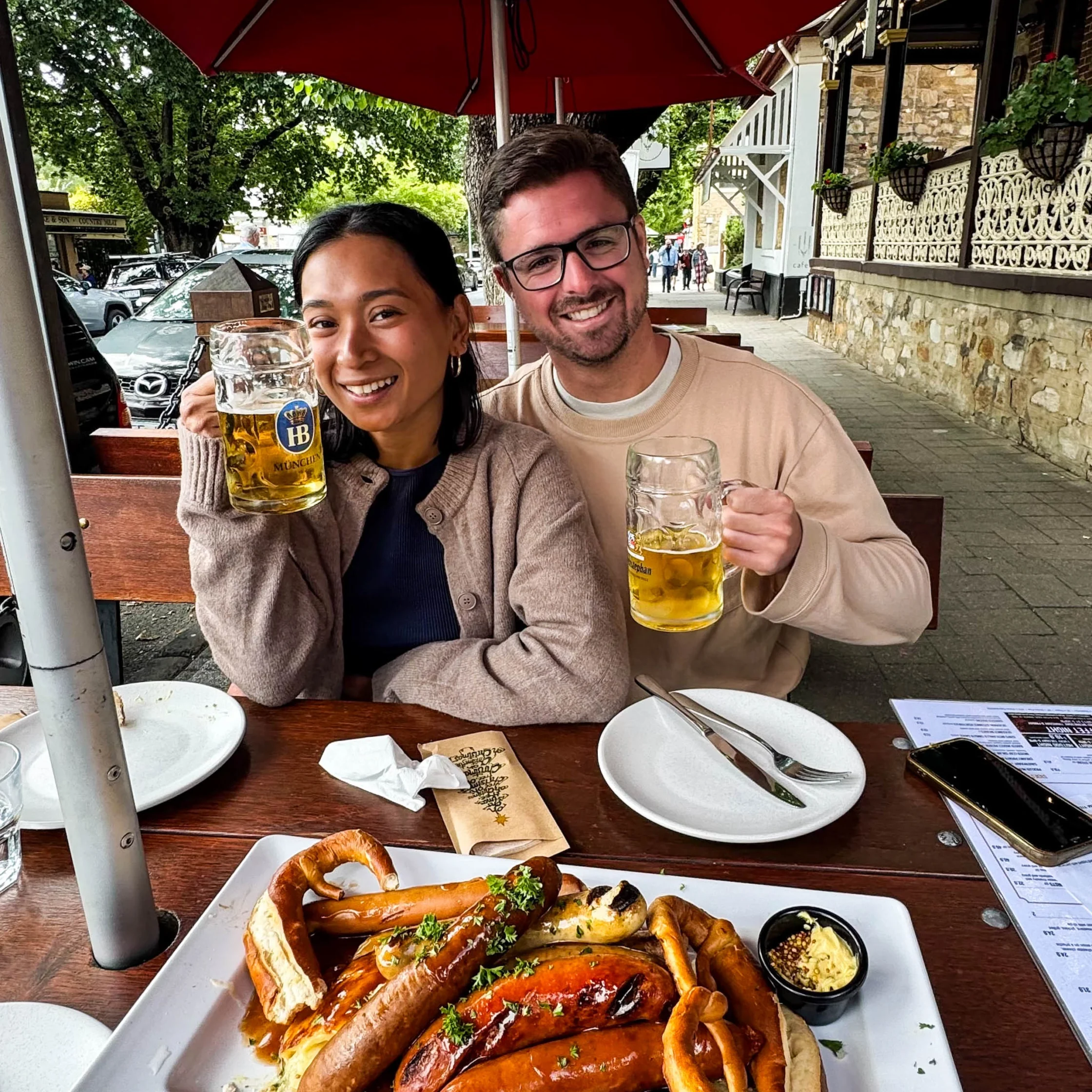
It’s about connection. The kind Ricardo first built with his wife—through years of travel, shared meals, and a shared appetite for adventure and culture.
And at Kaos, that connection now extends beyond the two of them, living on in every dish that brings together farmers, fishermen, and the island they’ve chosen to call home.
Frequently Asked Questions
His story started with a chance encounter at a party 11 or 12 years ago where he met his Filipina wife, A.M. Their shared passion for adventure and food eventually led them to live in Peru for seven years before returning to the Philippines to be closer to family and establish their culinary project in Siargao.
Kaos is an interdisciplinary platform co-founded by Ricardo that oversees the restaurants Roots and Branch by Roots in Siargao. It is composed of a diverse team—including Creative Director Inés Castañeda and Culinary Director Filippo Turrini—who blend anthropology, design, and gastronomy.
The restaurant practices “purpose-driven” gastronomy that is deeply linked to the local environment. They avoid imported goods in favor of a “short supply chain,” working directly with local farmers and fishermen, paying whatever price the producers deem fair.
The menu is highly flexible; if a typhoon prevents fishermen from catching big fish, the kitchen pivots to using octopus from the nearby reef. If a vegetable shipment fails to arrive, they replace it with whatever is currently forageable or available on the island.
No. Ricardo explains that while they have immense respect for local cuisine, they don’t feel it is their place to cook traditional Filipino food. Instead, they use 100% Filipino ingredients and techniques but apply the international cultural backgrounds and influences of their diverse team.