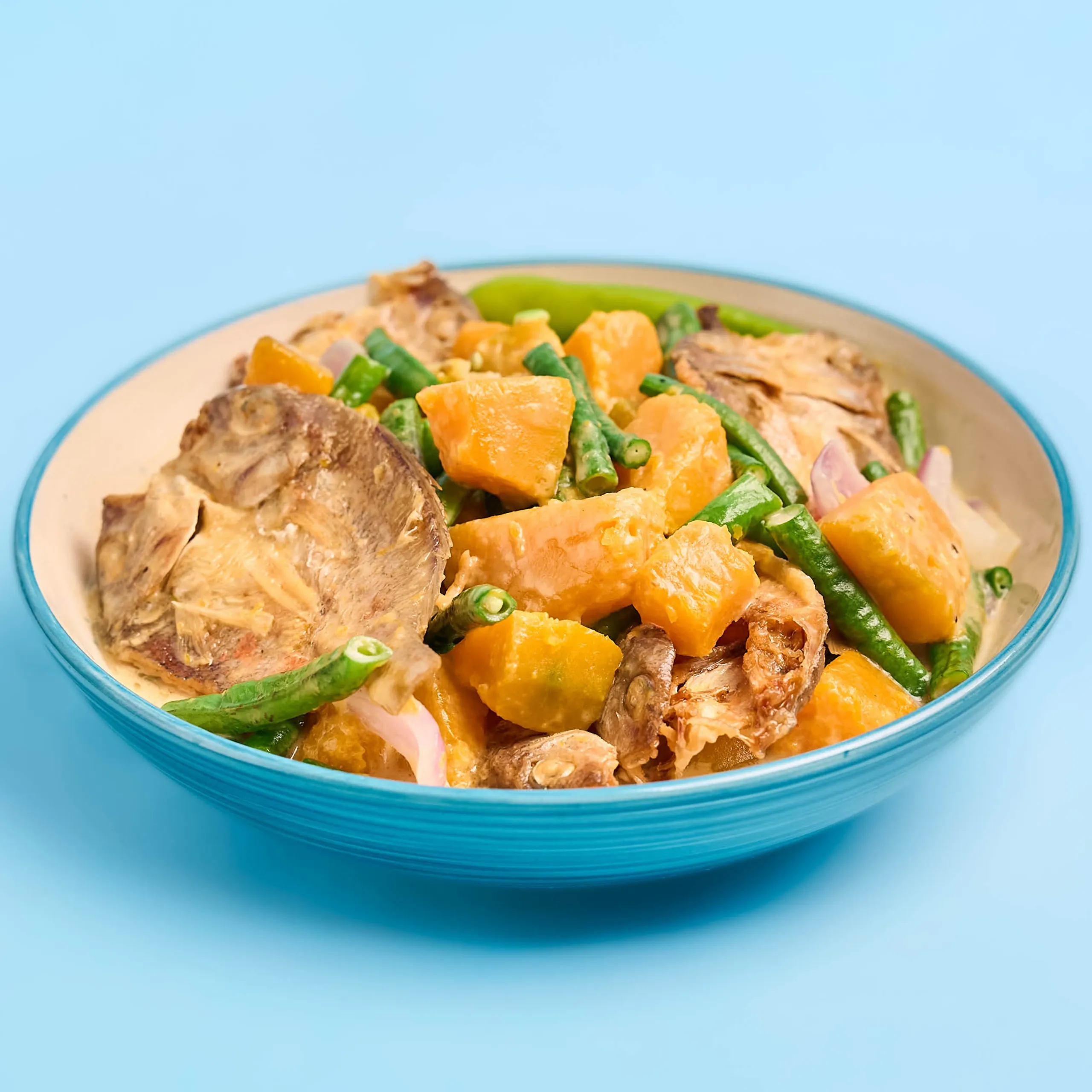


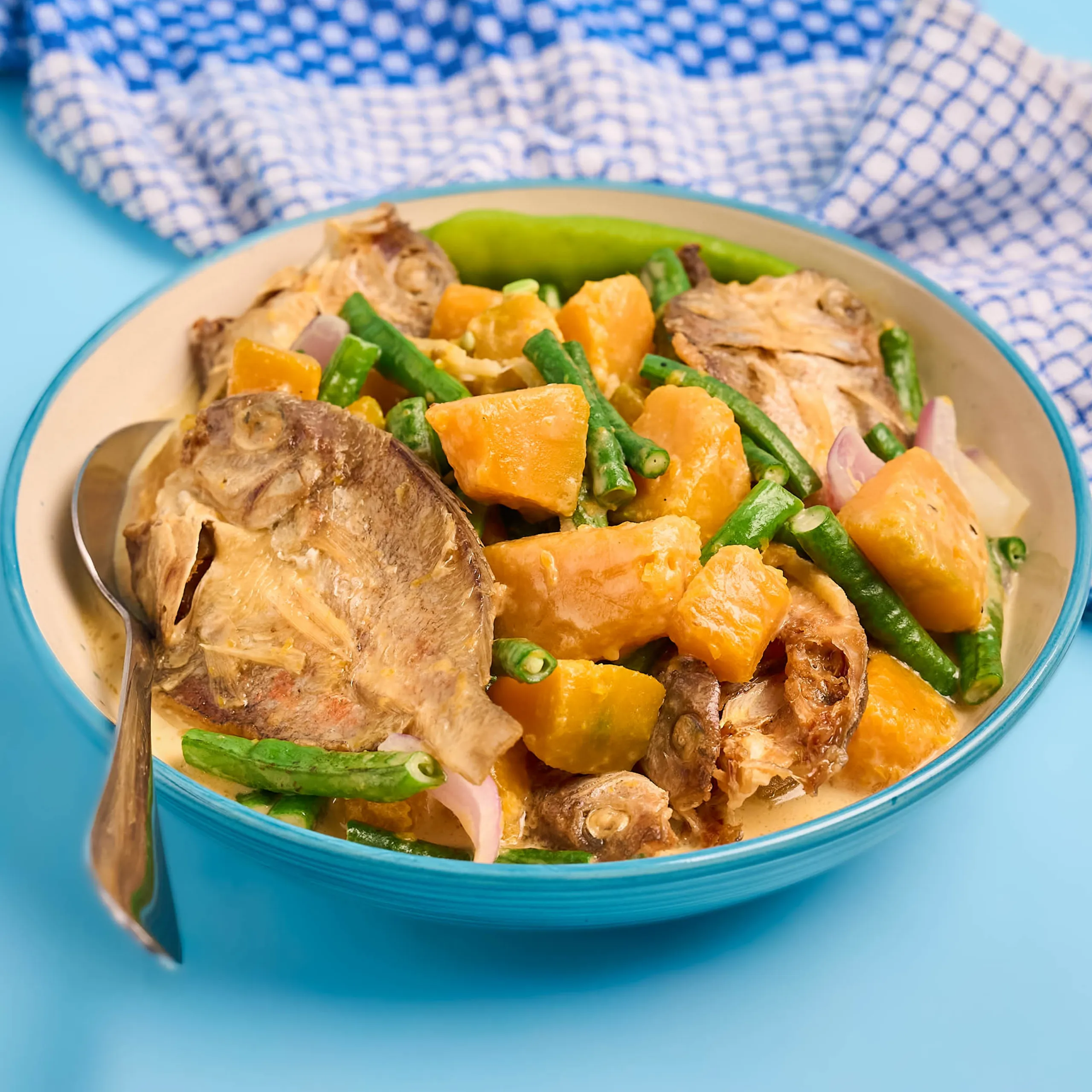
Ginataang Pinakas is a simple yet deeply comforting Filipino dish that brings together the salty richness of pinakas—salted and sun-dried fish—with the creamy goodness of coconut milk. It is the kind of food often associated with humble provincial kitchens, where preserving fish through salting and drying helped families make the catch last longer.
The dried fish gives the dish its bold, savory flavor, while coconut milk softens its saltiness and adds a gentle sweetness. Depending on the family or region, vegetables such as pechay, sitaw, eggplant, or chili peppers may be added.
More than just a recipe, Ginataang Pinakas reflects a Filipino tradition of making something delicious from simple, preserved ingredients. It is hearty, economical, and best enjoyed with plenty of steaming rice—a comforting taste of home.
A Little History of Ginataan
Ginataan is deeply connected to Filipino food culture, particularly in regions where coconuts are abundant. Coconut trees grow well in many parts of the Philippines, so coconut milk has long been an important ingredient in everyday cooking.
There isn’t necessarily one single historical recipe for Ginataang Pinakas. Like many Filipino home-cooked dishes, recipes can vary from household to household. One family may add more chili, another may include leafy vegetables, while another might fry the fish until extra crisp before adding it to the sauce.
What makes dishes like this interesting is that they reflect the Filipino habit of cooking with what is available. Fresh fish, vegetables from the market, coconut milk, aromatics, and rice can easily become a complete and satisfying meal.
Recipe Tips for Better Ginataang Pinakas
Dry the fish well before frying. Wet fish can cause oil to splatter and may not brown properly.
Don’t overcrowd the frying pan. Fry the fish in batches if necessary. Too many pieces at once can lower the oil temperature and make the fish greasy.
Don’t overcook the vegetables. Squash should be tender but should still hold its shape. String beans are best when they’re cooked through but retain a slight bite.
Use gentle heat for the coconut milk. A low-to-medium simmer is usually enough.
Don’t stir the fish too much. Fried fish can break apart easily once it becomes tender in the sauce.
Taste as you go. Coconut milk can vary in richness, and fish can vary in saltiness, so the final amount of seasoning should be adjusted according to your ingredients.
For a richer sauce, you can reduce the water slightly and allow the coconut milk to simmer a little longer.
For a thinner sauce, add a small amount of water while simmering.
Ingredient Substitutions
Pinakas
If pinakas isn’t available, you can use other firm fish that hold together well during cooking. Milkfish, tilapia, mackerel, or other firm local fish can work depending on what’s available.
Coconut milk
Fresh coconut milk gives excellent flavor, but canned coconut milk is a convenient alternative.
If using canned coconut milk, choose an unsweetened variety.
Squash
You can substitute pumpkin or another firm orange-fleshed squash.
String beans
You can use:
- Green beans
- Sitaw
- Chayote
- Eggplant
- Okra
- Malunggay leaves
If using leafy vegetables, add them closer to the end of cooking so they don’t become overcooked.
Green chili
You can omit it completely for a mild dish. Alternatively, use siling haba for a gentle Filipino-style chili flavor or a hotter chili if you enjoy more heat.
Ginger
Fresh ginger is recommended, but if absolutely necessary, a small amount of ground ginger can be used. The flavor won’t be quite as fresh or aromatic.
Understanding the Ingredients
Coconut Milk
Coconut milk provides the creamy body of the dish. It contains naturally occurring fats that give ginataan its characteristic richness. It also helps mellow strong flavors from fish, ginger, garlic, and chili.
Fish
Fish provides high-quality protein and can also contribute nutrients such as vitamin B12 and selenium. Depending on the species used, fish may also provide beneficial omega-3 fatty acids.
Squash
Squash provides carbohydrates, fiber, and carotenoids such as beta-carotene. Its natural sweetness also works beautifully with savory coconut milk.
String Beans
String beans add fiber, texture, vitamins, and minerals while giving the dish a fresh vegetable component.
Ginger
Ginger contributes a warm, aromatic flavor that is particularly good with seafood. It also contains naturally occurring plant compounds such as gingerols.
Garlic
Garlic adds depth and savory aroma. It contains sulfur-containing compounds that contribute to its characteristic flavor.
Onion
Onion provides sweetness and savory depth when sautéed. It forms part of the aromatic foundation of many Filipino dishes.
Chili
Chili adds heat and brightness. Capsaicin, the compound responsible for chili’s spicy sensation, is also a naturally occurring phytochemical.
Health Benefits
Ginataang Pinakas can be part of a balanced meal, particularly when paired with vegetables and an appropriate serving of rice.
Protein from fish: Fish is a good source of protein, which is important for maintaining muscles and supporting normal body functions.
Vegetable nutrition: Squash and string beans contribute fiber, vitamins, minerals, and plant compounds to the meal.
Healthy fats: Coconut milk provides fat and makes the dish satisfying. However, it is relatively high in saturated fat, so portion size can matter if you’re trying to limit saturated-fat intake.
Ginger and garlic: These ingredients add flavor without requiring large amounts of salt, while also providing naturally occurring plant compounds.
A more balanced plate: Serving the dish with plenty of vegetables and a moderate amount of rice can make the meal more balanced and filling.
The exact nutritional value will depend on the fish used, the amount of coconut milk and oil, and the serving size.
How to Make It More Nutritious
You can make a few simple adjustments without sacrificing the character of the dish.
- Use less frying oil or shallow-fry the fish.
- Drain the fish well after frying.
- Increase the amount of squash and string beans.
- Add leafy vegetables such as malunggay toward the end.
- Use a moderate amount of rice alongside the dish.
- Avoid adding excessive salt, especially if the fish has already been salted.
- Choose a fish variety that provides more omega-3 fats if that is a nutritional priority.
Final Thoughts
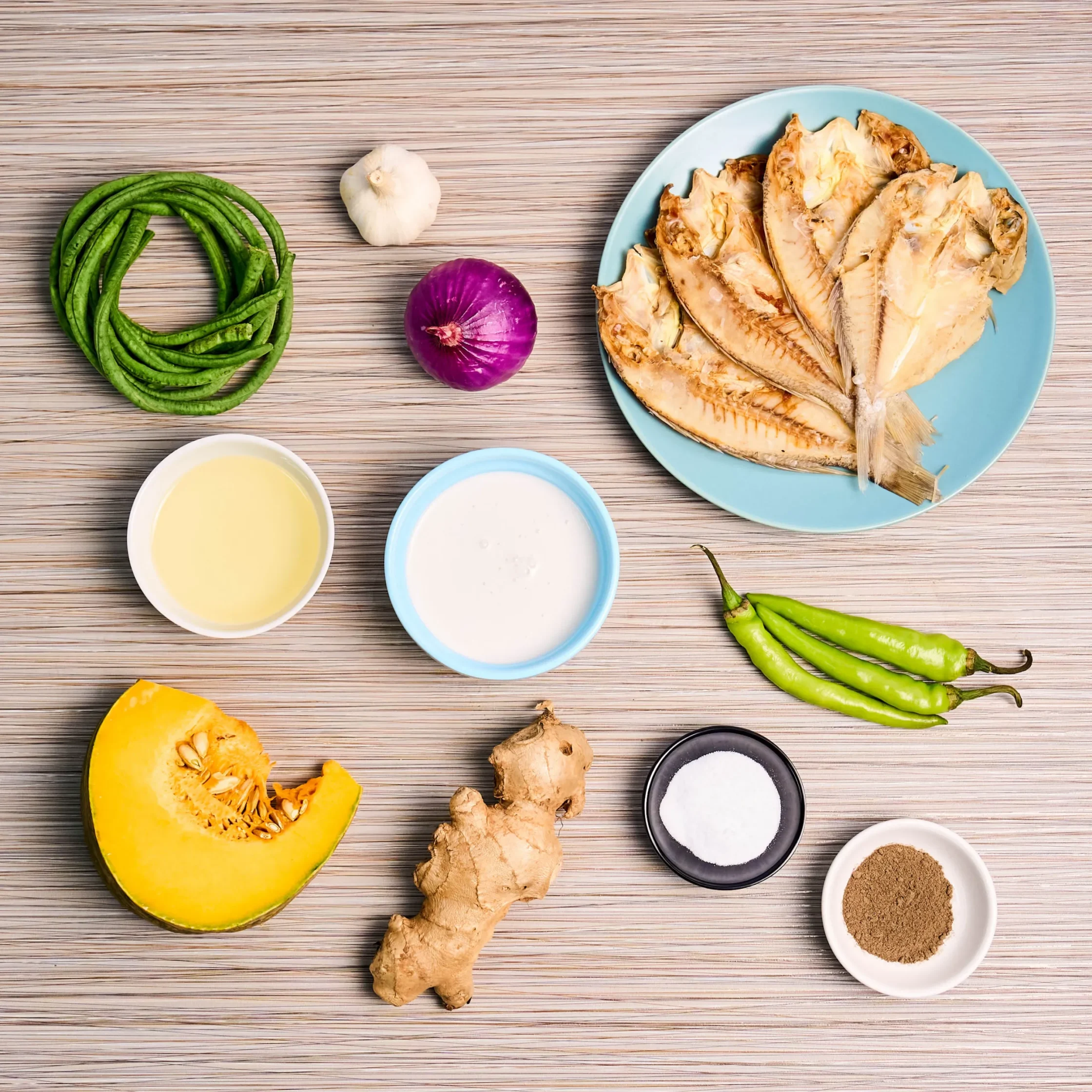
Ginataang Pinakas is a wonderful example of why Filipino cooking doesn’t need complicated techniques to produce deeply satisfying food. A handful of familiar ingredients—fish, coconut milk, ginger, garlic, onion, squash, and string beans—come together to create something creamy, savory, aromatic, and comforting.
What makes the dish especially enjoyable is the contrast between the fried fish and the coconut sauce. The fish begins with a lightly crisp exterior, then takes on the rich flavors of the gata as it simmers. The squash adds gentle sweetness, the string beans provide texture, while ginger, garlic, onion, and chili keep the dish bright and flavorful.
Ultimately, Ginataang Pinakas is the kind of meal that feels right at home on a Filipino dining table: warm, hearty, adaptable, and best enjoyed with plenty of rice and good company.