
Advertisement

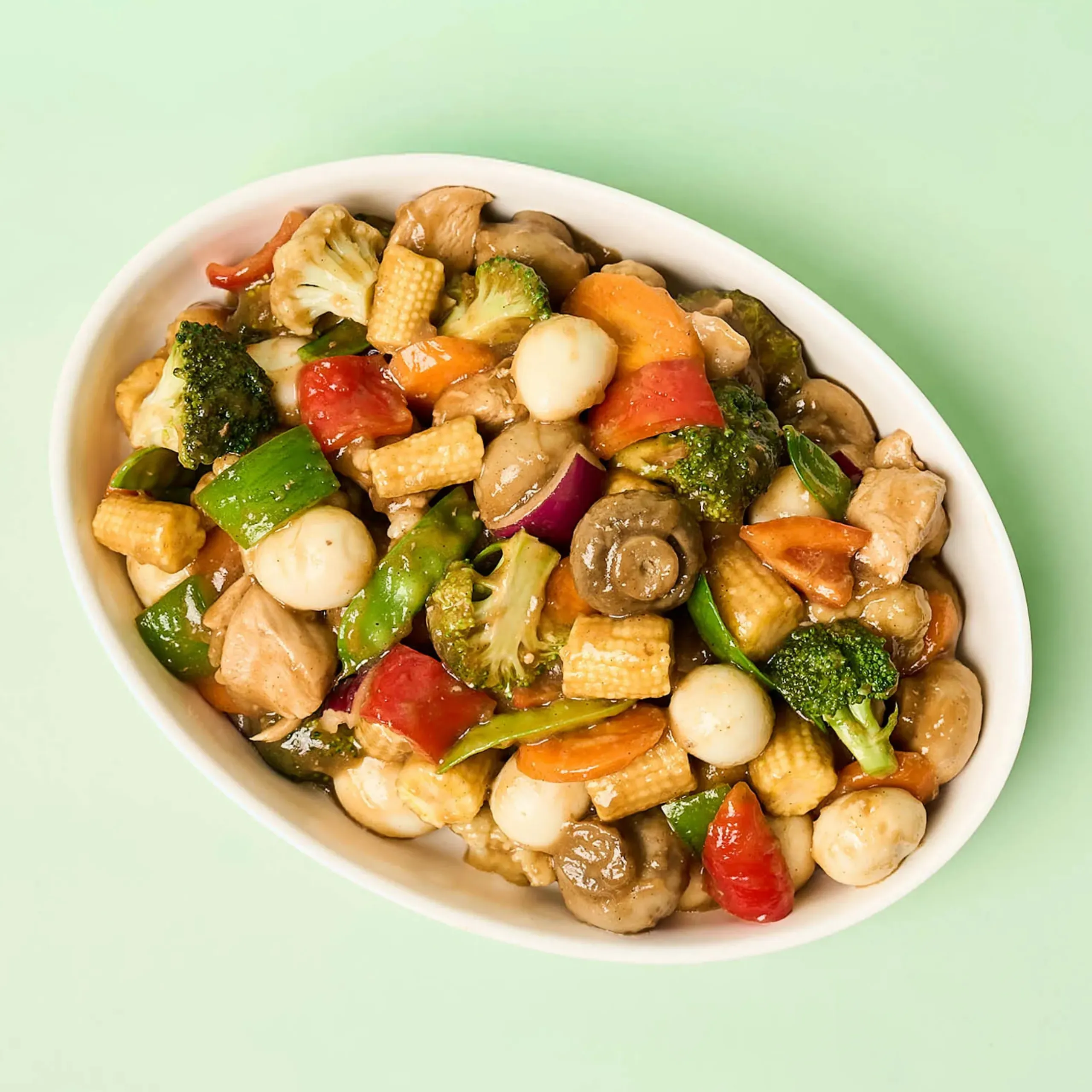
Chop Suey Recipe

PHOTO: KIERAN PUNAY
YIELDS:
4 SERVING(S)
Prep Time:
20 MINS
Total Time:
40 MINS
Cal/Serv:
70

Nutritional Information

Calories 283 kcal
Fat 14 g
Saturated fat 2 g
Trans fat 0 g
Cholesterol 237 mg
Sodium 644 mg
Carbohydrates 19 g
Fiber 4 g
Sugar 8 g
Protein 22 g
Vitamin D 0 µg
Calcium 74 mg
Iron 2 mg
Potassium 785 mg

Note: The information shown is Edamam's estimate based on available ingredients and preparation. It should not be considered a substitute for a professional nutritionist's advice.

Chop Suey is one of the most colorful and nutritious stir-fried dishes enjoyed in many Filipino homes. Filled with a generous mix of crisp vegetables, tender meat, and a rich savory sauce, it’s a meal that combines flavor, texture, and nutrition in every bite. The beauty of Chop Suey lies in its versatility—almost any combination of fresh vegetables can be transformed into a delicious dish, making it a practical recipe for both everyday family meals and special occasions.

In the Philippines, Chop Suey has become a staple at birthdays, fiestas, holiday celebrations, and Sunday family lunches. Its vibrant colors make it an attractive addition to any table, while its hearty mix of vegetables and protein ensures a satisfying meal. Whether served on its own or alongside grilled meats, fried fish, or steamed rice, Chop Suey is a comforting dish that brings freshness and balance to any menu.

Making Chop Suey at home is surprisingly simple. With fresh vegetables, tender slices of chicken or pork, and a flavorful sauce, you can prepare a restaurant-quality dish that’s both wholesome and customizable. Every family often has its own version, making Chop Suey a recipe that’s easy to personalize according to taste and the vegetables available.

A Brief History of Chop Suey

The story of Chop Suey is both fascinating and widely debated. The name “Chop Suey” comes from the Cantonese phrase tsaap seui, which loosely translates to “mixed pieces” or “odds and ends.” Traditionally, Chinese cooks would stir-fry a variety of leftover vegetables and meats together, creating a delicious meal that minimized waste while making the most of available ingredients.

As Chinese immigrants settled in different parts of the world during the 19th and early 20th centuries, they introduced their cooking traditions to local communities. Chop Suey gained immense popularity in North America and later spread throughout Asia, where each country developed its own unique interpretation using local ingredients and flavors.

In the Philippines, Chop Suey evolved into a dish that reflects both Chinese culinary influence and Filipino tastes. Local cooks incorporated vegetables commonly grown in the country, such as cabbage, carrots, cauliflower, and bell peppers, while adding ingredients like oyster sauce, soy sauce, quail eggs, and baby corn to create a richer, heartier version. Filipino Chop Suey often includes chicken, pork, shrimp, or even liver, making it a complete and satisfying meal.

Today, Chop Suey remains one of the most beloved vegetable dishes in Filipino cuisine. It’s valued not only for its delicious taste but also for its nutritional benefits, colorful presentation, and ability to bring families together around the dining table.
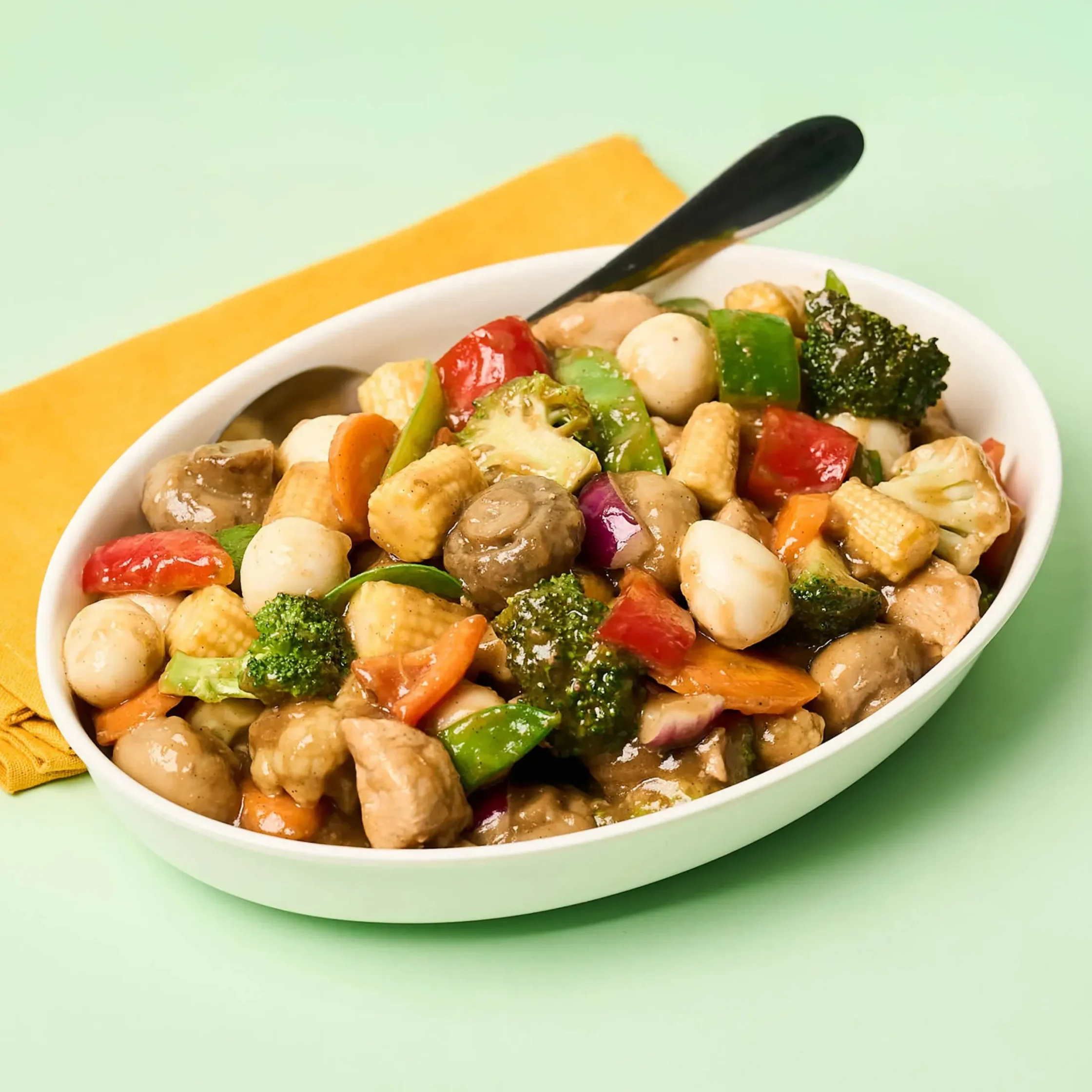
chopsuey INTRO
PHOTO: KIERAN PUNAY

Why You’ll Love This Recipe

  • Loaded with fresh, colorful vegetables.
  • A healthy, well-balanced meal packed with vitamins and protein.
  • Easy to customize with your favorite vegetables and meats.
  • Perfect for family dinners, holidays, and celebrations.
  • Ready in under an hour.
  • Great way to use leftover vegetables.
  • Restaurant-quality flavor using simple ingredients.
  • Delicious served with steamed rice or noodles.

Recipe Tips

  • Prepare all ingredients before turning on the stove since stir-frying happens quickly.
  • Slice vegetables into similar sizes for even cooking.
  • Cook firmer vegetables first and delicate vegetables last.
  • Avoid overcooking to maintain bright colors and crisp texture.
  • Use high heat to achieve authentic stir-fried flavor.
  • Stir frequently but gently to prevent vegetables from becoming mushy.
  • Add sesame oil at the end to preserve its aroma.
  • Make the cornstarch slurry fresh just before adding it to prevent settling.
  • Taste the sauce before thickening so adjustments can be made easily.

Ingredient Substitutions

One of the best features of Chop Suey is its flexibility. Feel free to substitute ingredients based on what you have available.

Meat

Instead of chicken breast or pork loin, use:

  • Shrimp
  • Beef strips
  • Chicken thighs
  • Tofu
  • Fish balls
  • Squid
  • Combination of meats and seafood

Vegetables

You can substitute or add:

  • Bok choy
  • Napa cabbage
  • Green beans
  • Zucchini
  • Chayote (sayote)
  • Bell peppers of any color
  • Spinach (added at the end)
  • Bean sprouts
  • Asparagus

Mushrooms

Replace with:

  • Shiitake mushrooms
  • Oyster mushrooms
  • Button mushrooms
  • Canned mushrooms

Quail Eggs

Substitute with:

  • Hard-boiled chicken eggs
  • Tofu cubes
  • Omit entirely for a lighter version

Oyster Sauce

Use:

  • Hoisin sauce (slightly sweeter)
  • Mushroom stir-fry sauce for a vegetarian option
  • Extra soy sauce with a small pinch of sugar

Chicken Broth

Replace with:

  • Vegetable broth
  • Pork broth
  • Water with chicken bouillon

Sesame Oil

If unavailable, simply omit it or use a few drops of toasted sesame oil as a finishing touch.

Serving Suggestions

Chop Suey is best served piping hot with steamed jasmine rice or fragrant garlic fried rice. It also complements classic Filipino dishes such as grilled pork, fried chicken, barbecue, or crispy fish. For larger gatherings, serve it as part of a buffet alongside pancit, lumpia, and other Filipino favorites. Garnish with sliced green onions, toasted sesame seeds, or a drizzle of sesame oil just before serving to enhance its aroma and presentation.

Final Thoughts

Chop Suey is a timeless dish that celebrates the freshness and natural flavors of vegetables while combining them with tender meat and a savory, satisfying sauce. Its colorful presentation, wholesome ingredients, and balanced flavors make it a favorite for everyday family meals as well as festive occasions. More than just a vegetable dish, it reflects a tradition of making the most of simple, fresh ingredients to create something both nourishing and delicious.

One of the greatest strengths of Chop Suey is its versatility. Every household can put its own spin on the recipe by using seasonal produce, different proteins, or favorite seasonings, making each version unique while preserving the heart of the dish. Whether you’re introducing more vegetables into your meals or preparing a comforting classic for loved ones, Chop Suey is a recipe you’ll enjoy making again and again. Its vibrant colors, rich flavors, and satisfying texture ensure it remains a cherished favorite that brings warmth, nourishment, and a touch of celebration to every table.

Ingredients

  • 250 Gram chicken breast, sliced
  • 2 Tablespoon cooking oil
  • 3 Clove garlic, minced
  • 1 Medium onion, sliced
  • 1 Small carrot, thinly sliced
  • 1 Cup broccoli florets
  • 1 Cup cauliflower florets
  • 1 Cup cabbage, chopped
  • 0.5 Cup snow peas
  • 0.5 Cup baby corn, sliced
  • 1 Small red bell pepper, sliced
  • 1 Small green bell pepper, sliced
  • 0.5 Cup mushroom, whole
  • 1 Cup chicken broth
  • 10 Piece quail eggs, boiled and peeled
  • 2 Tablespoon oyster sauce
  • 1 Tablespoon soy sauce
  • 1 Teaspoon sesame oil (optional)
  • salt and pepper to taste

Cornstarch Slurry

  • 1 Tablespoon cornstarch
  • 2 Tablespoon water
Keep screen awake

Directions

Step 1

Prepare the Ingredients

Wash and prepare all the vegetables before cooking. Slice the carrots, onions, mushrooms, and bell peppers into similar sizes so they cook evenly. Separate the broccoli and cauliflower into bite-sized florets. Chop the cabbage into manageable pieces and peel the boiled quail eggs. Keeping all ingredients ready before cooking is important because stir-frying happens quickly over high heat.

Step 2

Cook the Meat

Heat the cooking oil in a large wok or deep skillet over medium-high heat. Add the minced garlic and sauté until fragrant, about 30 seconds. Add the sliced onions and cook until they become soft and translucent. Next, add the thinly sliced chicken breast or pork loin. Stir-fry for about 5–7 minutes until the meat is fully cooked and lightly browned. Season lightly with a small pinch of salt and black pepper.

Step 3

Add the Firm Vegetables

Add the carrots, cauliflower, and baby corn first since these vegetables take longer to cook. Stir-fry them for about 3–4 minutes while occasionally tossing the ingredients to ensure even cooking. Pour in the chicken broth and bring the mixture to a gentle simmer. Cover the pan and cook for another 3 minutes to slightly soften the vegetables while keeping them tender-crisp.

Step 4

Add the Remaining Vegetables

Add the broccoli, mushrooms, snow peas, cabbage, and both bell peppers. Continue stir-frying for another 2–4 minutes. The vegetables should remain bright in color and slightly crisp. Avoid overcooking, as soft vegetables lose both texture and nutrients.

Step 5

Season the Dish

Pour in the oyster sauce and soy sauce. If using sesame oil, add it now for extra aroma and depth of flavor. Gently toss everything together until all ingredients are evenly coated with the sauce. Taste the broth and adjust with salt and black pepper if necessary.

Step 6

Thicken the Sauce

In a small bowl, mix the cornstarch and water until smooth. Slowly pour the slurry into the simmering vegetables while stirring continuously. Cook for about 2 minutes until the sauce thickens into a light, glossy consistency that coats every ingredient.

Step 7

Add the Quail Eggs

Gently stir in the boiled quail eggs. Cook for another minute just until heated through. Avoid vigorous stirring to keep the eggs intact.

Step 8

Serve

Transfer the Chop Suey to a large serving platter. Serve immediately while hot alongside freshly steamed rice. Garnish with sliced green onions or toasted sesame seeds if desired.

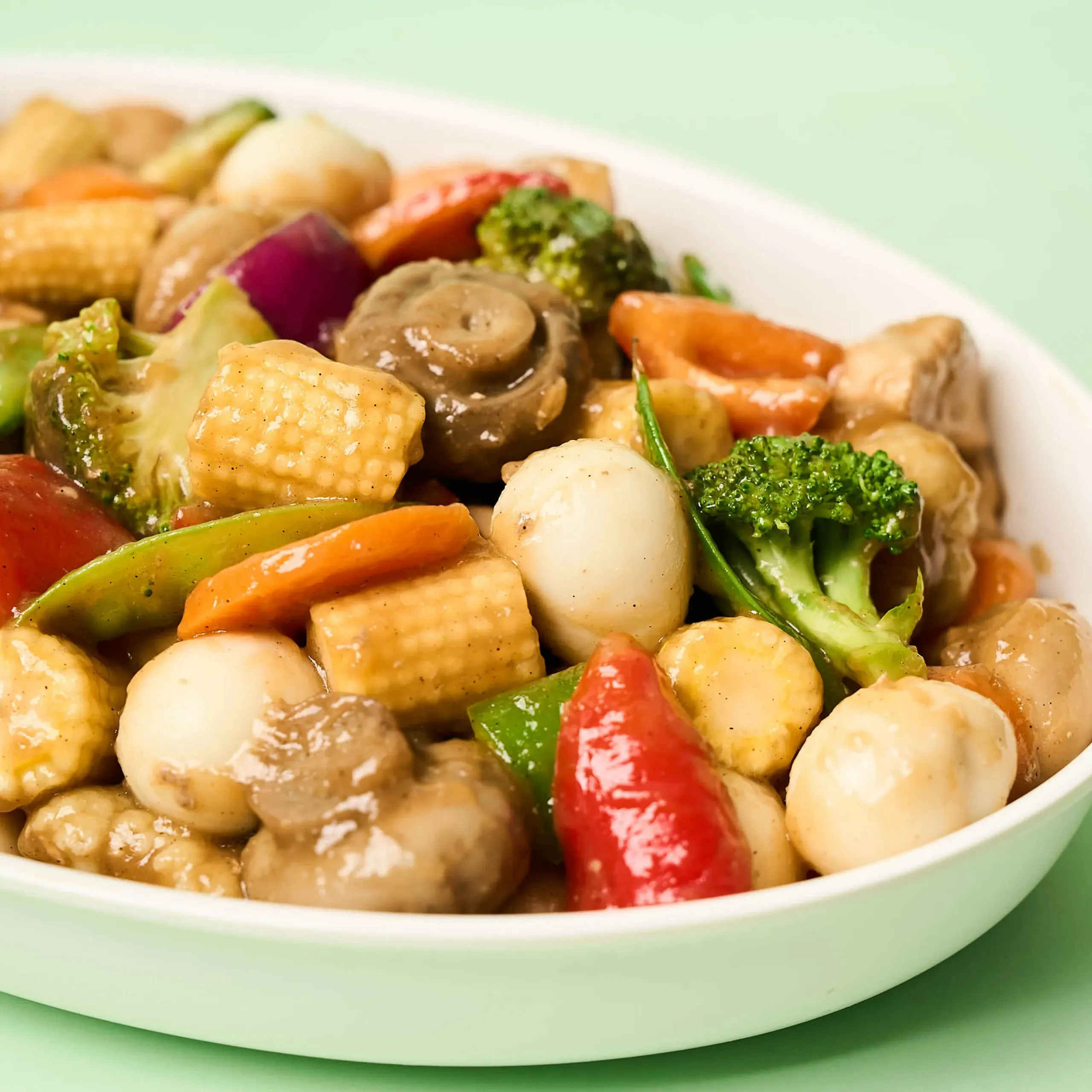
chopsuey END
PHOTO: KIERAN PUNAY

Alexander Villarante

Recipe Developer

Alexander Villarante is a passionate culinary professional with more than 15 years of experience in the hospitality industry, having built his career in prestigious five-star luxury hotels abroad. He studied Culinary Arts at the Singapore Boston Business School, where he developed a strong foundation in both classical and modern culinary techniques. Throughout his career, he has worked alongside talented chefs from diverse cultural backgrounds, refining his skills and gaining extensive experience in creating exceptional dining experiences. His dedication to excellence has earned him recognition in the competitive culinary scene. Alexander participated in the Philippine Culinary Cup, where he received several citations for his creativity, technical expertise, and commitment to his craft. These achievements reflect his passion for continuous learning and his pursuit of culinary excellence.


Frequently Asked Questions

The name comes from the Cantonese phrase meaning “mixed pieces,” referring to a stir-fry made with a variety of meats and vegetables.

Absolutely. Replace the meat with tofu or additional mushrooms, use vegetable broth instead of chicken broth, and substitute oyster sauce with a vegetarian mushroom-based sauce.

Cook over high heat and avoid overcooking. Add delicate vegetables toward the end of cooking so they stay vibrant and slightly crunchy.

Yes. You can wash and cut all the vegetables a day in advance and store them in airtight containers in the refrigerator. Cook the dish just before serving for the freshest texture.

Yes. Store leftovers in an airtight container in the refrigerator for up to three days. Reheat gently over medium heat or in the microwave until warmed through.

Freezing is possible, but the vegetables may become softer after thawing. For the best texture, enjoy the dish fresh or refrigerated rather than frozen.

Chop Suey pairs wonderfully with steamed white rice, garlic fried rice, pancit, grilled meats, fried fish, roasted chicken, or even noodles for a complete meal.

Certainly. Add sliced fresh chilies, chili garlic sauce, crushed red pepper flakes, or a drizzle of chili oil for extra heat.

0 0 votes
Total of Ratings
guest
Rating
Ratings for Article
0 Comments
Oldest
Newest Most Voted

To provide a customized ad experience, we need to know if you are of legal age in your region.

By making a selection, you agree to our Terms & Conditions.