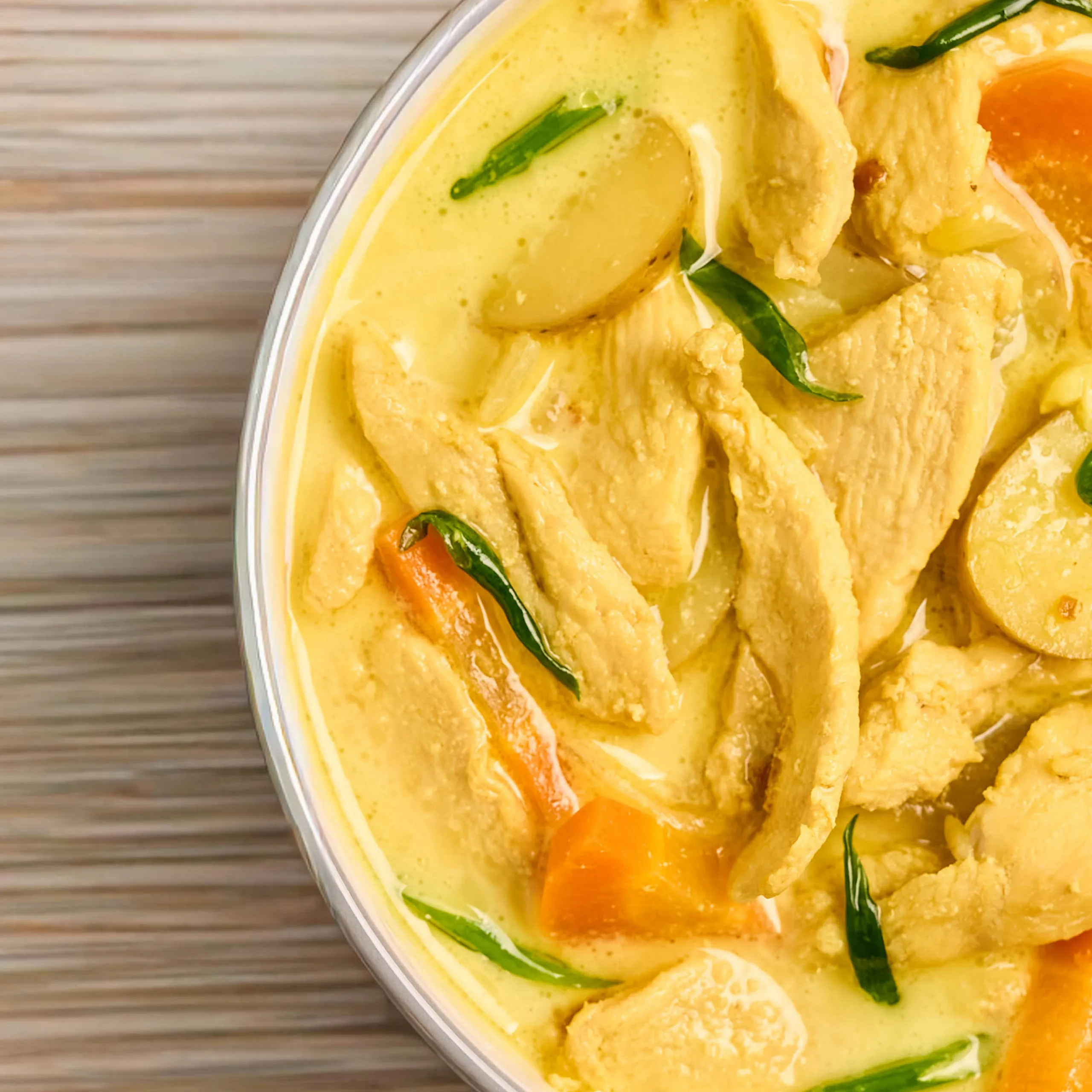


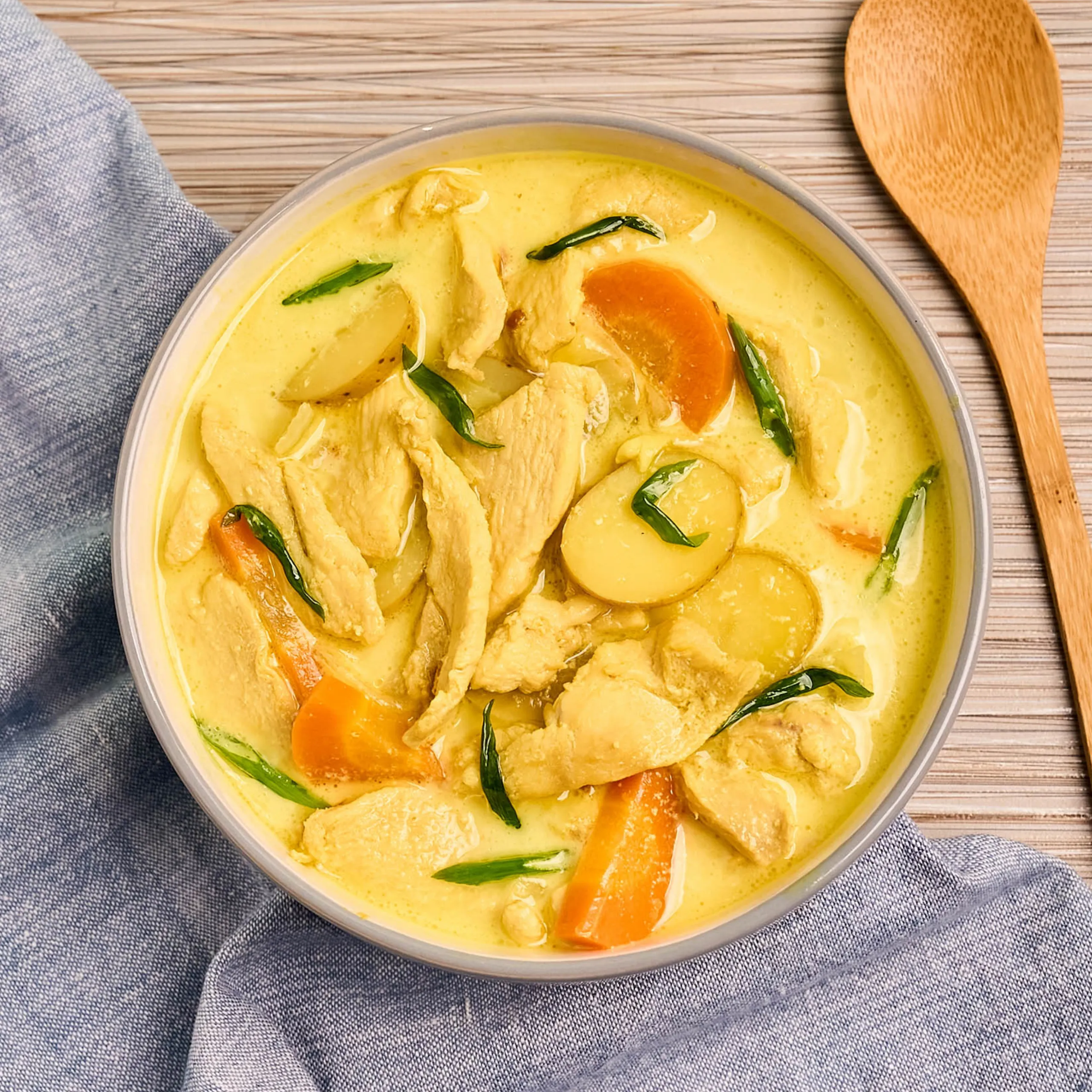
There are some dishes that feel comforting from the moment you smell them cooking. Creamy Luyang Dilaw Chicken Soup is one of those meals. The warm aroma of turmeric, garlic, and onion fills the kitchen while the chicken and vegetables slowly cook into a flavorful broth. Once the milk or coconut milk is added, the soup becomes creamy, mellow, and satisfying without needing a complicated list of ingredients.
The star of this recipe is luyang dilaw, the Filipino term commonly used for turmeric. Its earthy, slightly peppery flavor and beautiful golden color make it perfect for soups. Combined with tender chicken, carrots, potatoes, and a creamy base, it creates a comforting dish that works especially well on rainy days, cool evenings, or whenever you simply want a warm bowl of homemade food.
It is also a flexible recipe. You can make it with milk for a lighter, gentle creaminess or coconut milk for a richer soup with a subtle tropical character.
A Little History of Luyang Dilaw and Turmeric-Based Cooking
Turmeric has been used in Asian cooking and traditional food practices for centuries. It is especially familiar throughout South and Southeast Asia, where its bright yellow-orange color and earthy aroma have made it an important culinary ingredient.
In the Philippines, turmeric is known as luyang dilaw, literally referring to yellow ginger. It belongs to the same plant family as ginger, which explains some of the similarities in appearance and aroma.
Filipino cuisine has many comforting soups and broths, including chicken-based dishes that use ginger, garlic, onion, vegetables, and locally available ingredients. While this particular Creamy Luyang Dilaw Chicken Soup is a modern home-style preparation rather than a single traditional regional recipe with one fixed origin, it fits naturally into the Filipino tradition of adapting familiar ingredients into hearty, nourishing meals.
The combination of chicken, aromatics, root vegetables, and turmeric also reflects a broader Southeast Asian cooking style in which warming spices are used to build flavor in broths and stews.
Using coconut milk gives the soup an especially Filipino and Southeast Asian character, while regular milk creates a more familiar creamy chicken soup.
Recipe Tips for the Best Creamy Luyang Dilaw Chicken Soup
Use fresh turmeric when available
Fresh turmeric has a more vibrant aroma and slightly fresher flavor than dried turmeric.
However, ground turmeric is convenient and works perfectly well for everyday cooking.
Cut the chicken evenly
Thin, uniform chicken strips cook quickly and evenly.
Avoid cutting the chicken into very thick pieces because they will take longer to cook and can become tough on the outside before the center is done.
Don’t overcook chicken breast
Chicken breast is naturally lean, so prolonged cooking can make it dry.
Once the chicken is cooked through and tender, there’s no need to continue simmering it unnecessarily.
Don’t boil after adding milk
If using dairy milk, keep the heat low after adding it.
A gentle simmer is preferable to a rolling boil.
Coconut milk is richer
If you’re looking for a more indulgent and distinctly Southeast Asian soup, coconut milk is an excellent choice.
If you want a lighter, more neutral creamy flavor, use regular milk.
Don’t add all the salt at once
Chicken broth, Pinakas-style seasonings if you modify the recipe, and other ingredients can already contain sodium.
Season gradually and taste as you go.
Add vegetables according to cooking time
Potatoes and carrots take longer to soften than leafy vegetables.
If you add greens such as malunggay or spinach, put them in during the last few minutes.
Ingredient Substitutions
Chicken breast
You can use other chicken cuts.
Chicken thighs are particularly good if you prefer juicier meat. They contain more fat than breast meat and tend to stay tender during simmering.
You can also use leftover roasted or boiled chicken. If doing so, add the cooked chicken later in the process so it doesn’t become overcooked.
Turmeric
Ground turmeric and fresh turmeric are interchangeable in this recipe, although their flavor isn’t identical.
If you don’t have turmeric, you can technically make the soup without it, but the dish will lose its distinctive golden color and earthy flavor.
Milk
You can substitute:
- Evaporated milk
- Low-fat milk
- Whole milk
- Unsweetened plant-based milk
Avoid strongly flavored or sweetened plant milks.
Coconut milk
Coconut milk is an excellent alternative to dairy milk.
For an even richer soup, you can use a little more coconut milk, although this will also make the soup heavier.
Potatoes
You can replace potatoes with:
- Sweet potato
- Kamote
- Chayote
- Squash
- Corn
- Cauliflower
Sweet potato will give the soup a naturally sweeter flavor.
Carrots
You can substitute carrots with:
- Squash
- Corn
- Bell peppers
- Chayote
- Green beans
Spring onions
Try:
- Chives
- Leeks
- Parsley
- Cilantro
Each will give the soup a slightly different character.
Optional Additions
This recipe is easy to customize.
Add ginger
Because turmeric and ginger belong to the same plant family, they work beautifully together.
Add about 1 thumb-sized piece of sliced fresh ginger with the onion and garlic.
Add leafy greens
Malunggay, spinach, pechay, or kangkong can be added near the end.
This increases the vegetable content and gives the soup a fresher finish.
Add chili
For a spicy version, add sliced siling haba or another fresh chili.
A little heat works particularly well with coconut milk.
Add calamansi
A squeeze of calamansi at the end can transform the flavor by adding acidity and freshness.
Don’t add too much at once. Start with a small amount and adjust.
Add mushrooms
Sliced mushrooms can provide additional texture and savory flavor.
Add them after sautéing the aromatics and cook until they begin to soften.
What Makes Luyang Dilaw Special?
Luyang dilaw, or turmeric, is one of those ingredients that can change the appearance and personality of an entire dish.
Its most obvious characteristic is its intense golden-yellow color. But beyond its color, turmeric has an earthy, slightly bitter, peppery flavor with a warm aroma.
Turmeric contains a naturally occurring compound called curcumin, which has been extensively studied for its biological properties.
It is important, however, not to think of turmeric as a cure-all. Adding turmeric to food can contribute flavor and plant compounds to your diet, but ordinary culinary quantities shouldn’t be treated as a medical treatment.
Understanding the Ingredients
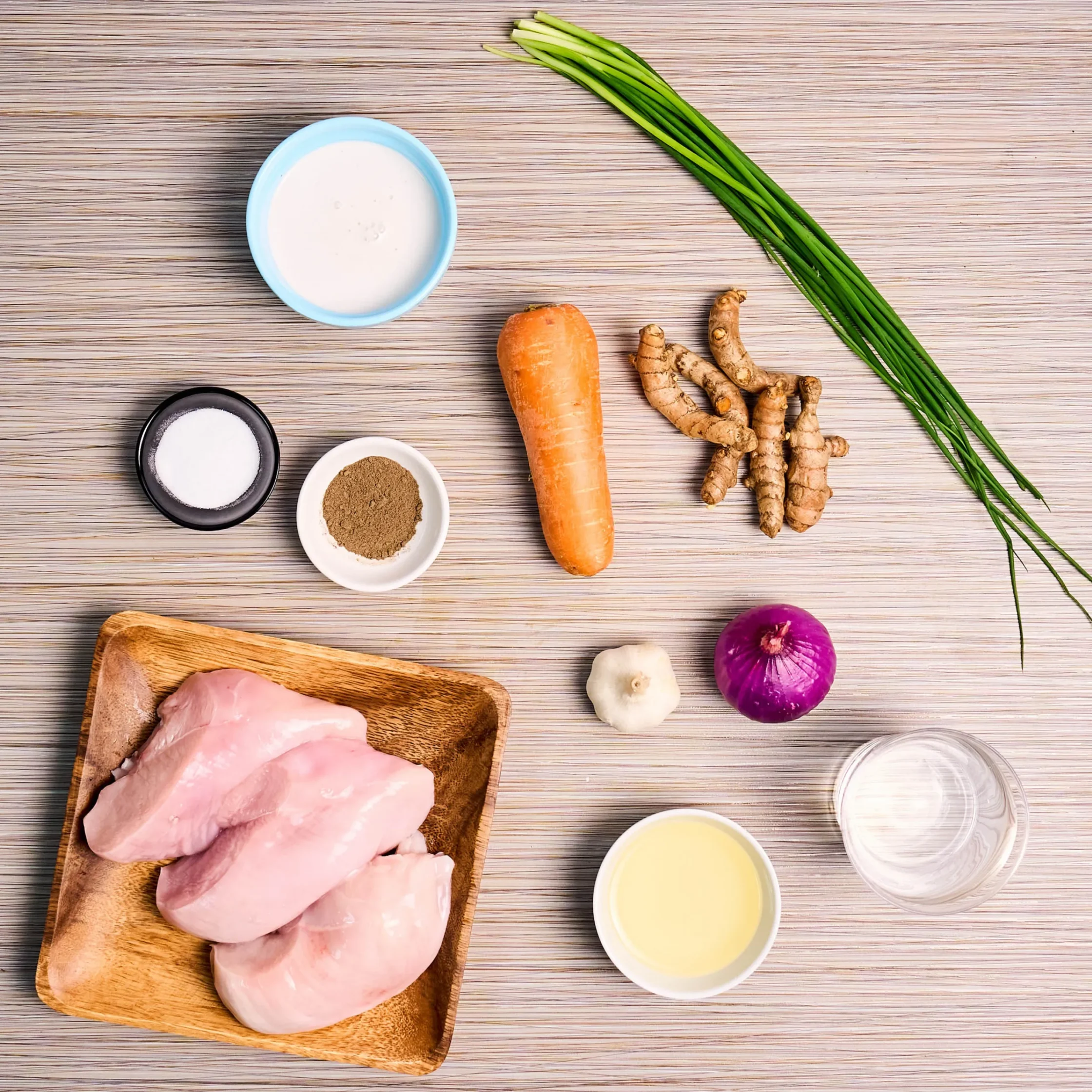
Chicken
Chicken provides the primary protein in the soup.
Chicken breast is relatively lean and has a mild flavor that allows the turmeric, garlic, onion, and creamy broth to stand out.
Turmeric
Turmeric provides the characteristic golden color and earthy flavor.
It contains curcuminoids, including curcumin, which are naturally occurring plant compounds.
Garlic
Garlic gives the soup savory depth and aroma.
It also contains sulfur-containing compounds that contribute to its distinctive flavor.
Onion
Onion provides sweetness and aromatic depth, especially after being gently sautéed.
Carrots
Carrots add natural sweetness, color, fiber, and beta-carotene.
Potatoes
Potatoes provide carbohydrates and make the soup more filling.
Milk
Milk adds creaminess and provides nutrients such as protein and calcium, depending on the type used.
Coconut Milk
Coconut milk gives the soup a richer texture and tropical flavor.
It also contains fat, so it can make the soup considerably richer than using low-fat dairy milk.
Black Pepper
Black pepper adds gentle heat and helps bring out the flavors of the other ingredients.
Interestingly, black pepper contains piperine, which has been studied for its interaction with curcumin. This doesn’t mean the soup should be viewed as medicine, but black pepper is both a flavorful and traditional partner for turmeric.
Spring Onions
Spring onions add freshness and a mild onion flavor while providing a colorful finishing touch.
Health Benefits of the Ingredients
A bowl of this soup can provide a useful combination of protein, carbohydrates, vegetables, and fats.
Protein from chicken
Chicken supplies high-quality protein, which supports muscles and many normal processes in the body.
Beta-carotene from carrots
Carrots are rich in beta-carotene, which the body can convert into vitamin A. Vitamin A is important for normal vision and immune function.
Plant compounds from turmeric
Turmeric provides curcuminoids and other plant compounds. Curcumin has been studied for antioxidant and anti-inflammatory activity, although culinary turmeric should not be considered a substitute for medical treatment.
Vegetables contribute fiber
Carrots, potatoes, onions, and optional vegetables contribute dietary fiber and micronutrients.
Milk provides calcium and protein
Depending on the variety, milk can contribute calcium, protein, vitamin B12, and other nutrients.
Coconut milk provides energy and fat
Coconut milk can make the soup more satisfying, although it is relatively high in saturated fat. Using it in moderation is a practical way to enjoy its flavor while keeping the overall meal balanced.
How to Make the Soup More Nutritious
You can easily adjust this soup according to your dietary preferences.
Add more vegetables. Increase the amount of carrots or add spinach, malunggay, mushrooms, squash, or pechay.
Use chicken thighs or breast according to preference. Breast provides a leaner option, while thighs are juicier.
Choose milk according to your needs. Low-fat milk can reduce the fat content compared with whole milk.
Use coconut milk moderately. Coconut milk provides wonderful flavor but also contributes more saturated fat.
Reduce the salt. Let turmeric, garlic, onion, ginger, black pepper, and spring onions provide much of the flavor.
Add a little calamansi. Acidity can make the soup taste brighter without needing more salt.
What to Serve with Creamy Luyang Dilaw Chicken Soup
This soup can stand alone as a light meal, but it becomes even more satisfying with a simple side.
Steamed rice
Probably the easiest Filipino-style pairing. The rice absorbs the creamy golden broth beautifully.
Garlic bread
The savory garlic flavor complements the turmeric and chicken.
Toasted bread
A simple slice of toasted bread is perfect for dipping into the creamy broth.
Fresh salad
A crisp cucumber, tomato, or leafy salad can provide a refreshing contrast to the warm soup.
Filipino-style sides
You can also serve it alongside simple vegetable dishes or a small portion of atchara for an acidic contrast.
Final Words
Creamy Luyang Dilaw Chicken Soup is the kind of recipe that makes ordinary ingredients feel special. Chicken, potatoes, carrots, onion, garlic, and turmeric are all familiar ingredients, but when they are slowly simmered together and finished with milk or coconut milk, they become a warm and comforting bowl of golden soup.
What makes it particularly appealing is its flexibility. Use milk when you want something gentle and creamy; use coconut milk when you want something richer and more distinctly Southeast Asian. Add ginger for extra warmth, chili for heat, leafy greens for more vegetables, or calamansi for a bright Filipino touch.
The luyang dilaw gives the soup its unmistakable golden color and earthy character, while the chicken provides substance and the vegetables make the bowl feel like a complete meal.
Ultimately, this isn’t just a soup for cold weather. It’s the kind of food you can make when you want something nourishing, colorful, aromatic, and homemade. A steaming bowl of golden turmeric chicken soup, perhaps with rice on the side and a little spring onion scattered over the top, is a simple reminder that comfort food doesn’t have to be complicated.