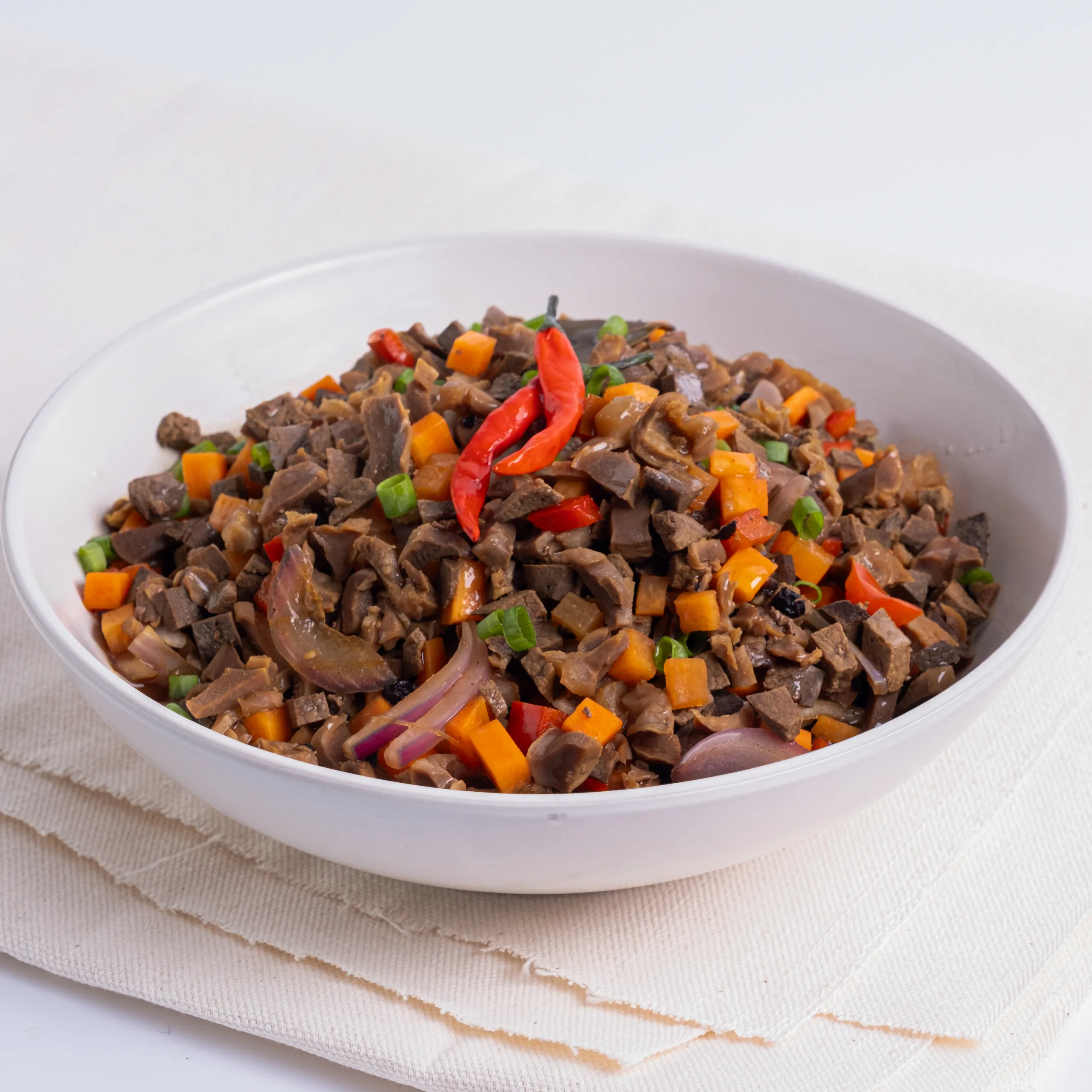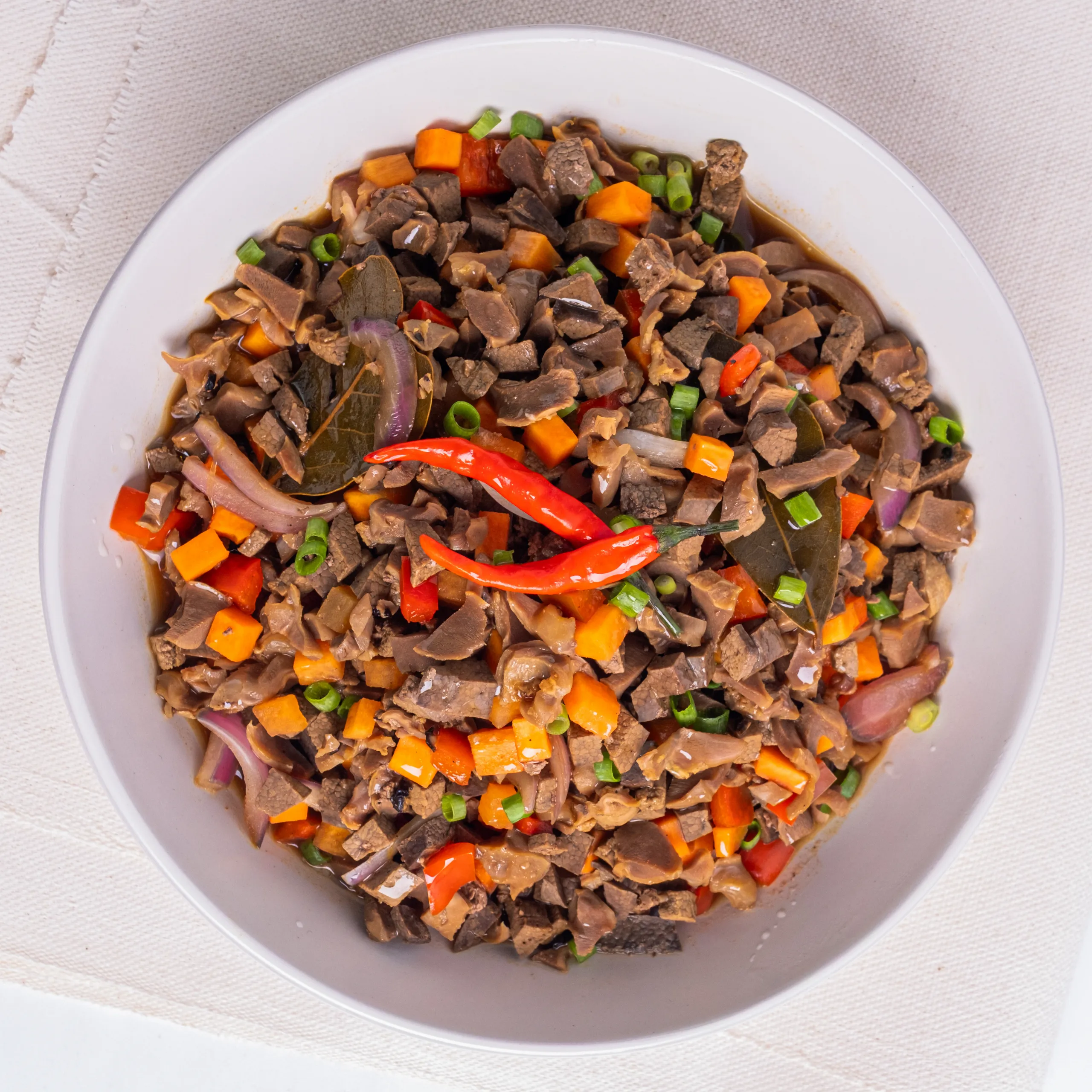
Bopis is one of those Filipino dishes that may surprise people the first time they try it, but quickly becomes memorable because of its bold flavor, rich aroma, and satisfying texture. Made with finely chopped pork lungs and other pork offal, this traditional dish is cooked with garlic, onions, tomatoes, vinegar, chilies, and seasonings until the ingredients come together in a savory, tangy, and slightly spicy mixture.
For many Filipinos, bopis is more than just a way to prepare pork. It represents the resourcefulness of traditional Filipino cooking, where different parts of an animal are transformed into delicious meals rather than wasted. It is commonly enjoyed during family gatherings, special occasions, casual drinking sessions, and everyday meals when something flavorful is desired.
What makes bopis especially interesting is its balance of flavors. The vinegar adds a sharp, refreshing acidity, the tomatoes contribute natural sweetness and tanginess, and the garlic and onions create a fragrant foundation. Chilies provide heat, while carrots and bell peppers add color, sweetness, and texture. The pork lungs and heart absorb the seasonings, producing a dish that is hearty, aromatic, and full of character.
Although bopis may seem intimidating to someone unfamiliar with cooking pork offal, preparing it at home is manageable when the ingredients are cleaned properly, cooked thoroughly, and seasoned in stages. The most important steps are preparing the meat safely, boiling it until properly cooked, chopping it into small pieces, and simmering it with the seasonings until the flavors are well developed.
This recipe uses 250 grams of pork lungs and 250 grams of pork heart, together with tomatoes, onions, garlic, vinegar, fish sauce, soy sauce, vegetables, and chilies. The result is a home-style Filipino bopis that can be served with steamed rice or enjoyed as part of a traditional Filipino spread.
Whether you grew up eating bopis or are trying it for the first time, this guide will help you understand its background, prepare it step by step, explore ingredient substitutions, learn about its nutritional qualities, and store it properly for future meals.
History and Origin of Bopis
A closer look at a traditional Filipino way of cooking pork offal
Bopis is a well-known Filipino dish associated with the country’s tradition of cooking a wide variety of pork ingredients, including organ meats. Its exact historical origin and the earliest version of the recipe are not consistently documented, but it has become an established part of Filipino home cooking and regional food culture.
In traditional kitchens, families often made practical use of the different parts of an animal. While pork belly, ribs, and other familiar cuts were popular choices, organs such as the heart, lungs, and liver also provided ingredients for nourishing and flavorful dishes. Cooking these parts with aromatic vegetables, vinegar, spices, and seasonings helped transform ingredients with distinctive textures and flavors into satisfying meals.
Bopis is commonly prepared by finely chopping pork lungs and, in some variations, combining them with heart, liver, or other pork offal. The meat is sautéed with garlic and onions, then cooked with tomatoes, vinegar, chilies, and seasonings. Recipes differ between households, with some versions being relatively dry and spicy and others containing more sauce.
The use of vinegar is especially characteristic of many Filipino pork dishes. Aside from contributing a sharp flavor that balances the richness of meat, vinegar helps create the distinctive sour and savory profile that many people associate with traditional Filipino cooking. However, vinegar should never be considered a substitute for thorough cooking or proper food storage.
Over time, bopis became popular in homes, neighborhood eateries, roadside restaurants, and establishments serving traditional Filipino food. It is also frequently associated with pulutan, or food served alongside alcoholic drinks during social gatherings. Its bold flavors and finely chopped texture make it easy to share.
Today, there are many ways to prepare bopis. Some cooks emphasize tomatoes and chilies, while others use annatto to create a reddish-orange appearance. Carrots, bell peppers, and other vegetables may also be added to improve color, texture, and flavor.
The recipe in this guide follows a practical home-style approach. Pork lungs and heart provide the main ingredients, while tomatoes, vinegar, garlic, onions, and chilies build the dish’s characteristic flavor. Carrots and red bell peppers add a touch of sweetness and color, making the dish more balanced and visually appealing.
Bopis remains a good example of Filipino culinary resourcefulness: familiar seasonings, careful preparation, and thoughtful cooking turn humble ingredients into a dish that many people continue to enjoy.
What Makes Bopis Special?
Bopis stands out from many other Filipino pork dishes because of its distinctive ingredients, texture, and strong seasoning.
- Distinctive meat texture: Pork lungs have a porous, relatively light texture, while pork heart is firmer and meatier. When chopped finely, the two create an interesting contrast.
- Aromatic ingredients: Garlic, onion, and tomatoes create a flavorful base that supports the taste of the pork.
- Tangy seasoning: Vinegar gives bopis its characteristic acidity and helps balance the savory ingredients.
- Savory depth: Fish sauce and soy sauce add saltiness and umami, making the mixture more flavorful.
- Spicy character: Fresh chilies contribute heat, although the amount can be adjusted to suit individual preferences.
- Colorful vegetables: Carrots and bell peppers add texture, natural sweetness, and a more colorful appearance.
- Versatility: Bopis can be served as a main dish with rice, as part of a larger Filipino meal, or as pulutan during gatherings.
One of the most important characteristics of bopis is its balance. The meat should be well cooked, the vegetables should retain some texture, and the vinegar should complement the other seasonings without making the dish overwhelmingly sour.
Recipe Tips for Making Delicious Bopis
Preparing bopis successfully is largely about controlling the texture of the meat and balancing the seasonings. The following tips can help you produce a more flavorful result.
Choose fresh, properly handled organ meats
Purchase pork lungs and heart from a reputable supplier. Freshness and careful handling are particularly important for organ meats because they are highly perishable.
Keep them cold during transport and refrigerate them promptly. If they have an unusual odor, discoloration, or signs of spoilage, do not use them.
Cook the heart until tender
Pork heart is a hardworking muscle, so it is naturally denser than many other cuts. Cutting it into manageable pieces and simmering it until tender makes it easier to chop and eat.
Do not assume that the heart and lungs will become tender at exactly the same time. Check each separately and continue cooking as necessary.
Chop the meat evenly
Consistent chopping helps the ingredients cook and season evenly. Very large pieces may taste under-seasoned in the middle, while extremely small pieces may lose their texture.
Aim for a size that is easy to eat with a spoon or fork.
Let the tomatoes soften properly
Cooking the tomatoes before adding the liquid helps develop a fuller flavor. If they remain too firm, the finished dish may taste less integrated.
Allow them to soften and release their juices before proceeding.
Add vinegar thoughtfully
Vinegar is a major part of bopis’s flavor, but too much can make the dish overly sharp. Begin with the recommended amount and adjust near the end if needed.
Different vinegars vary in acidity, so the final taste may change depending on the brand and type.
Balance the saltiness
Fish sauce and soy sauce are both salty ingredients. Using them together creates complexity, but it also means that extra salt may not be necessary.
If you are using a particularly salty stock, consider reducing one of the sauces slightly.
Control the heat
Chilies contribute to bopis’s distinctive character, but the right amount depends on your preference. Start with two chilies, taste the mixture, and add more if you want a spicier dish.
For a family meal, you can prepare the main mixture with less chili and serve chopped chilies separately.
Avoid overcooking the vegetables
Carrots need enough time to soften, while bell peppers are often better when they retain some bite. Adding them at different stages helps preserve their textures.
Simmer until the sauce is right
Bopis can be prepared with a little sauce or cooked until nearly dry. Neither style is inherently wrong.
If serving with rice, a small amount of flavorful liquid can be enjoyable. If preparing bopis as pulutan, some cooks prefer a drier mixture that is easy to serve in small portions.
Give the dish a final taste test
Before serving, check the balance of sourness, saltiness, heat, and savory flavor. Small adjustments at the end can make a significant difference.
Ingredient Substitutions and Variations
Bopis can be adapted according to the ingredients available in your kitchen. However, replacing the main organs will change the texture and may result in a dish that is closer to a bopis-inspired pork sauté than a traditional preparation.
Can I make bopis without pork lungs?
Yes. Pork shoulder or another finely chopped pork cut can be used if lungs are unavailable. However, the texture will be different from traditional bopis, which is known for its use of organ meats.
Can I use pork liver?
Yes, but liver has a stronger flavor and softer texture than lungs or heart. It also cooks relatively quickly and can become grainy or overly firm if cooked for too long.
If you use liver, consider adding it later in the cooking process and adjusting the seasonings to suit its stronger taste.
Can I make bopis without vinegar?
You can, but the dish will lose some of its characteristic tanginess. If you do not enjoy vinegar, reduce the amount rather than eliminating it immediately. A small amount of citrus juice can add acidity, although it will produce a different flavor.
Can I use annatto instead of paprika?
Yes. Annatto is widely used in Filipino cooking to add an orange or reddish hue. Paprika, on the other hand, can contribute a mild pepper flavor as well as color. The choice depends on whether you prioritize color, flavor, or both.
Can I make bopis less spicy?
Absolutely. Use one chili or omit the chilies altogether. You can serve chopped chilies separately so that people who enjoy spicy food can adjust their own portions.
Can I add more vegetables?
Yes. Some cooks add additional bell peppers, carrots, or other vegetables to suit their taste. Keep in mind that adding more vegetables changes the moisture level, so you may need to simmer the dish a little longer.
Knowledge About Bopis and Filipino Food Culture
Bopis offers a useful introduction to the role of organ meats in Filipino cooking. It also shows how different ingredients contribute texture, flavor, and culinary identity.
What are pork lungs?
Pork lungs are respiratory organs with a naturally porous structure. They have a different texture from ordinary muscle meat and can absorb seasonings well when finely chopped and simmered.
Because of their structure, lungs require careful preparation and thorough cooking. They should be sourced from a reputable supplier and handled hygienically.
What is pork heart?
Pork heart is a muscular organ that works continuously during the animal’s life. It has a firmer, meatier texture than lungs and is often compared to other lean muscle meats in its cooking characteristics.
When cooked properly and chopped into small pieces, heart provides substance and texture to bopis.
Why are garlic and onions important?
Garlic and onions form the aromatic foundation of many Filipino dishes. Their flavor develops during sautéing, creating a base that supports the stronger taste of the pork and the sharpness of vinegar.
They also contribute aroma and complexity without requiring complicated seasonings.
What role do tomatoes play?
Tomatoes add moisture, mild sweetness, and acidity. As they soften, they help form a light sauce that coats the meat and combines the seasonings.
Their natural acidity complements vinegar, which is why it is useful to taste the dish before adding extra vinegar at the end.
Why is vinegar commonly used?
Vinegar is a familiar ingredient in many Filipino recipes, including adobo and various braised or sautéed dishes. Its sharp flavor helps balance rich or savory ingredients.
In bopis, vinegar contributes a distinctive tanginess that makes the dish taste brighter and more complex.
However, vinegar does not make undercooked meat safe and should never be used as a substitute for proper refrigeration.
Why are annatto and paprika used?
Annatto is traditionally used in Filipino cooking for its orange-red color. Paprika is another option and can contribute a mild pepper flavor depending on the variety.
Both can make bopis more visually appealing, although neither is essential to the basic preparation.
Is bopis always made with lungs?
No. Recipes vary, and some versions use different combinations of pork organs. Pork lungs are strongly associated with many preparations, but heart, liver, and other ingredients may be used according to availability and regional or household preferences.
Your recipe combines lungs and heart, giving the dish both a porous texture and a firmer, meatier component.
Is bopis a main dish or pulutan?
It can be either. Served with steamed rice, bopis makes a flavorful main dish. In smaller portions, it is also enjoyed as pulutan during social gatherings.
The way it is cooked may vary according to how it will be served. A slightly saucier version works well with rice, while a drier version can be convenient for sharing.
Health Benefits and Nutritional Considerations
Bopis can provide several nutrients because pork lungs and heart contain protein, vitamins, and minerals. However, its nutritional value depends on the exact ingredients, the amount of oil used, the sauces, and the serving size.
Organ meats are nutrient-dense, but they are not suitable for every dietary need. It is helpful to understand both their potential benefits and the considerations associated with eating them.
Potential nutritional benefits
1. Protein for tissue maintenance
Pork lungs and heart provide protein, which the body uses for tissue repair, muscle maintenance, and many other normal functions.
Protein can also contribute to satiety, helping a meal feel more satisfying.
2. Vitamin B12
Organ meats can be good sources of vitamin B12, a nutrient necessary for normal nerve function and red blood cell formation.
The amount varies by organ and preparation, but pork heart and other organ meats can contribute to dietary B12 intake.
3. Iron
Pork organs can provide iron, which the body needs to produce hemoglobin and transport oxygen in the blood.
The amount of iron in a serving depends on the specific organs used and the portion size.
4. Zinc and selenium
Pork can provide minerals such as zinc and selenium. These minerals contribute to normal immune function, enzyme activity, and other physiological processes.
5. Vegetables add variety
Tomatoes, carrots, and bell peppers provide vitamin C, carotenoids, and other plant compounds. They also contribute color, flavor, and texture to the dish.
6. A satisfying meal when paired with other foods
When served with rice and additional vegetables, bopis can form part of a varied meal that supplies protein, carbohydrates, and a range of nutrients.
Nutritional considerations
Sodium can be high. Fish sauce and soy sauce both contain sodium. People who have been advised to limit sodium may benefit from using reduced-sodium versions and adjusting the quantities.
Oil adds calories. The amount of oil used for sautéing can influence the final energy content. A moderate amount is generally sufficient.
Organ meats can contain substantial cholesterol. Pork organs contain dietary cholesterol, and the amounts vary by organ. People managing cholesterol or following a medically prescribed diet should consider portion sizes and seek individualized advice when necessary.
Some organ meats are high in purines. Purines break down into uric acid. People with gout or certain uric-acid-related conditions may need to limit organ meats according to their clinician’s advice.
Food safety is particularly important. Pork offal must be handled carefully and cooked thoroughly. Improperly prepared organ meats can pose foodborne illness risks.
Is bopis healthy?
Bopis can be part of a balanced diet, particularly when served in moderate portions with vegetables and other foods. It provides protein and useful micronutrients, but it is not automatically healthier than other pork dishes simply because it uses organs.
Its suitability depends on personal dietary needs, the amount of sodium used, portion size, and how frequently it is eaten.
For a lighter version, use less oil, reduce the soy sauce and fish sauce, add more vegetables, and serve moderate portions alongside rice and other vegetable dishes.
How to Store Bopis Properly
Because bopis contains cooked pork organs and vegetables, safe storage is important for preventing foodborne illness and preserving the dish’s flavor.
Refrigerating cooked bopis
Once cooking is finished, transfer leftovers to clean, shallow containers so that they cool more quickly.
- Refrigerate within 2 hours of cooking or serving, or within 1 hour if the ambient temperature is above 32°C.
- Keep the refrigerator at 4°C or below.
- Consume refrigerated leftovers within 3–4 days.
- Avoid leaving a large pot of bopis at room temperature while it cools. Dividing it into shallow containers helps it cool more quickly.
- Label containers with the date so that you can keep track of how long the leftovers have been stored.
Do not rely on smell or appearance alone to determine whether leftovers are safe. Harmful bacteria may be present even when the food looks and smells normal.
Freezing bopis
Bopis can be frozen if you want to keep it for a longer period.
- Allow the food to stop steaming briefly, without leaving it at room temperature for too long.
- Divide it into meal-sized portions.
- Place the portions in freezer-safe, airtight containers or bags.
- Label them with the name and date.
- Freeze promptly.
For best quality, use frozen bopis within approximately 2–3 months. It may remain safe longer if continuously frozen at 0°F (−18°C) or below, but its texture and flavor may gradually decline.
Thawing frozen bopis
The safest method is to thaw the food in the refrigerator. You can also use a microwave’s defrost setting if you plan to reheat the food immediately afterward.
Avoid thawing bopis on the kitchen counter, where the outside may reach unsafe temperatures while the center remains frozen.
Reheating leftovers
Reheat bopis until the center reaches 74°C. Stir it during reheating to help distribute the heat evenly.
You can reheat it in a saucepan over medium heat, adding a small amount of water or stock if it has become too dry. It can also be reheated in a microwave using a suitable covered container, stirring partway through.
Reheat only the portion you intend to eat rather than repeatedly warming the entire batch.
Preparing bopis ahead of time
You can cook bopis a day ahead for a family gathering or meal preparation.
After cooking, divide it into shallow containers and refrigerate promptly. Reheat the required portion thoroughly before serving.
If you are preparing a large quantity, avoid keeping the whole batch lukewarm for an extended period. Keep it hot at 60°C or above when holding it for service, or refrigerate it promptly if it will not be served soon.
How to tell whether bopis should be discarded
Discard the food if it has been stored beyond the recommended period, left at unsafe temperatures for too long, or shows signs of spoilage such as an unusual odor, mold, or an unexpected change in appearance.
When in doubt, throw it out rather than tasting it to check whether it is still safe.
Final Words About Bopis
Bopis is a dish that reflects the creativity and resourcefulness of Filipino cooking. By combining pork lungs and heart with familiar ingredients such as garlic, onions, tomatoes, vinegar, and chilies, it transforms distinctive organ meats into a flavorful meal that is both comforting and memorable.
For anyone preparing bopis at home, the most important things to remember are proper cleaning, thorough cooking, even chopping, and careful seasoning. The meat should be tender and fully cooked, the vegetables should provide texture and color, and the sauce should have a pleasant balance of sour, savory, and spicy flavors.
This recipe offers a practical starting point, but you can adjust it to your own preferences. Add more chilies if you enjoy a fiery dish, reduce the vinegar if you prefer a milder tang, or increase the vegetables for extra texture and variety. Once you become familiar with the method, you can develop a version that suits your household.
Bopis also reminds us that good cooking is not always about expensive ingredients or elaborate techniques. Sometimes, the most memorable dishes come from understanding the ingredients, treating them with care, and using simple seasonings in thoughtful ways.
Serve it hot with steamed rice, share it with family or friends, and enjoy it as part of the rich variety of Filipino food traditions.
In the end, a delicious bowl of bopis is more than a combination of pork and seasonings. It is a celebration of Filipino resourcefulness, bold flavors, and the comfort of sharing a home-cooked meal.