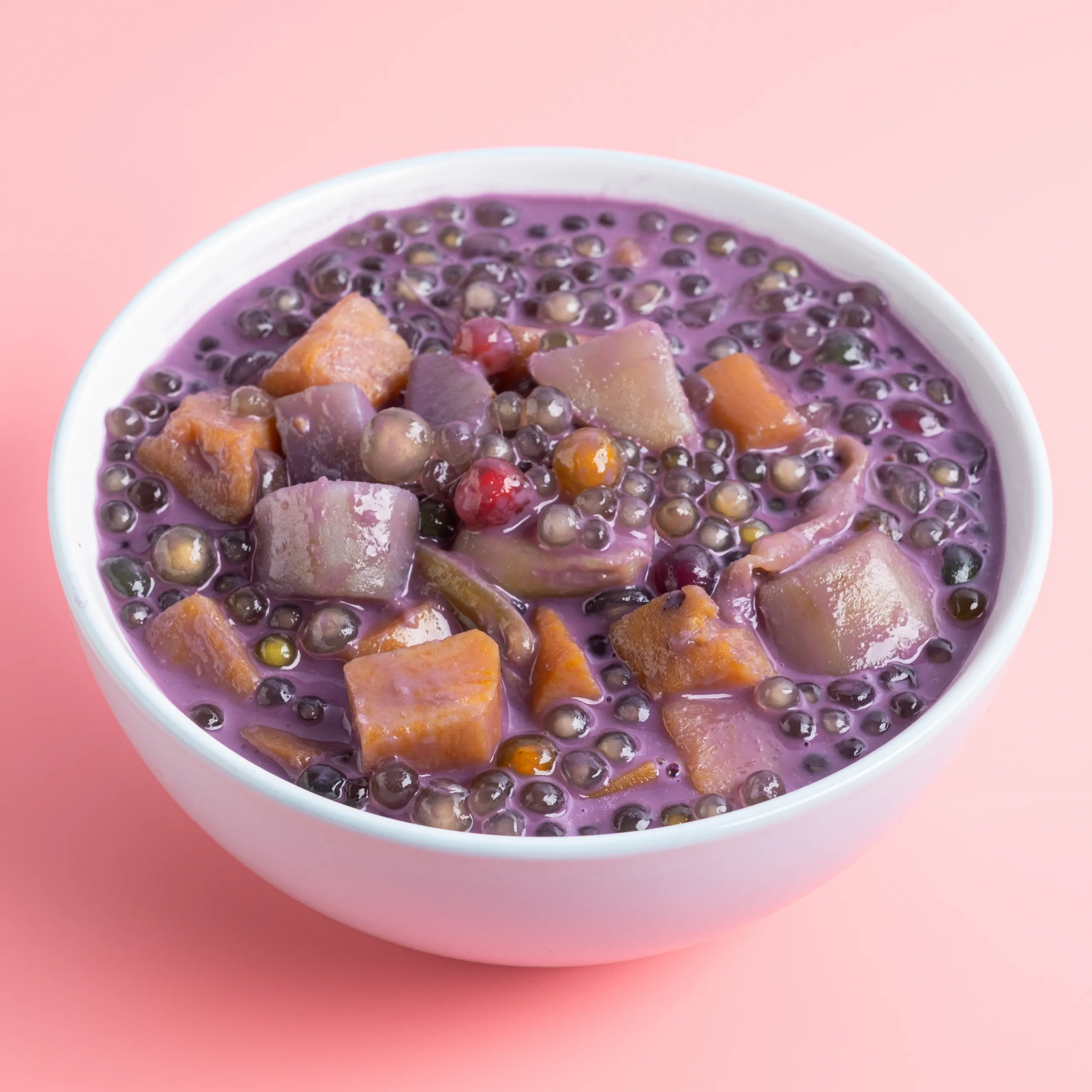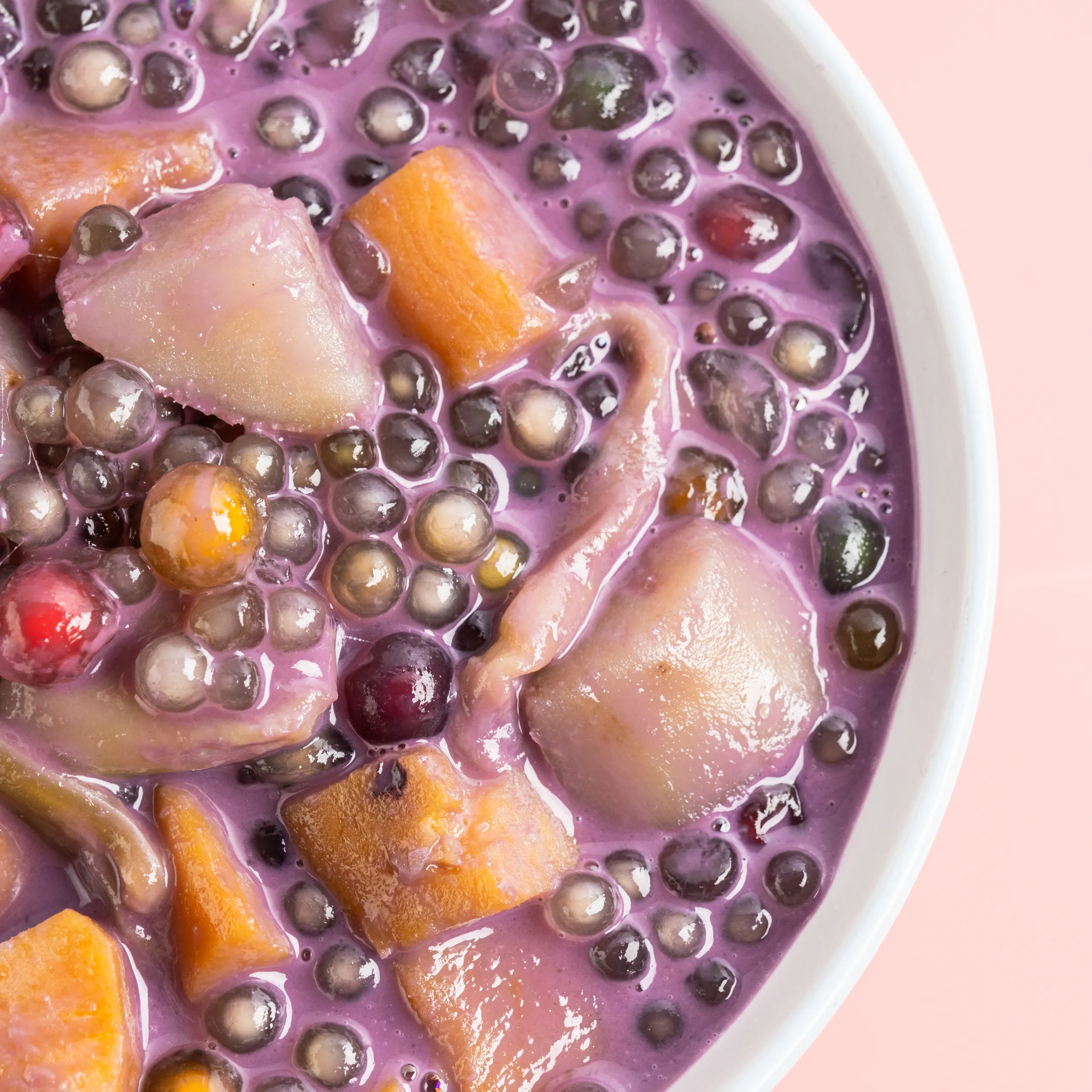
There is something special about a bowl of freshly cooked binignit. Its creamy coconut milk, soft pieces of sweet potato and taro, chewy sago pearls, and sweet, fragrant jackfruit come together to create a dessert that feels both comforting and satisfying. For many families in the Visayas, binignit is more than a sweet treat. It is a familiar part of home cooking, a dish shared with loved ones, and a reminder of the simple pleasures of Filipino food.
Binignit is a traditional Bisaya dessert made with root crops, coconut milk, sugar, and other ingredients that create a thick, sweet, and creamy mixture. Depending on the household and region, it may include sweet potato, taro, ripe jackfruit, bananas, sago, glutinous rice, or other locally available ingredients. Every family can have its own version, which is part of what makes this dessert so beloved.
In many Cebuano-speaking communities, binignit is especially associated with Holy Week, particularly Good Friday, when families traditionally prepare comforting meals and snacks at home. A large pot is often cooked so everyone can enjoy a serving, and the remaining portions may be shared with relatives, neighbors, or visitors. Although it is commonly prepared during this season, binignit can be enjoyed throughout the year whenever the ingredients are available.
What makes binignit wonderful is its combination of textures. The sweet potato becomes tender and naturally sweet, while the taro develops a soft, almost creamy consistency. The jackfruit adds a fruity aroma, and the sago gives each spoonful a pleasant chewiness. Coconut milk brings everything together with its rich flavor, while a pinch of salt balances the sweetness and makes the other ingredients taste even better.
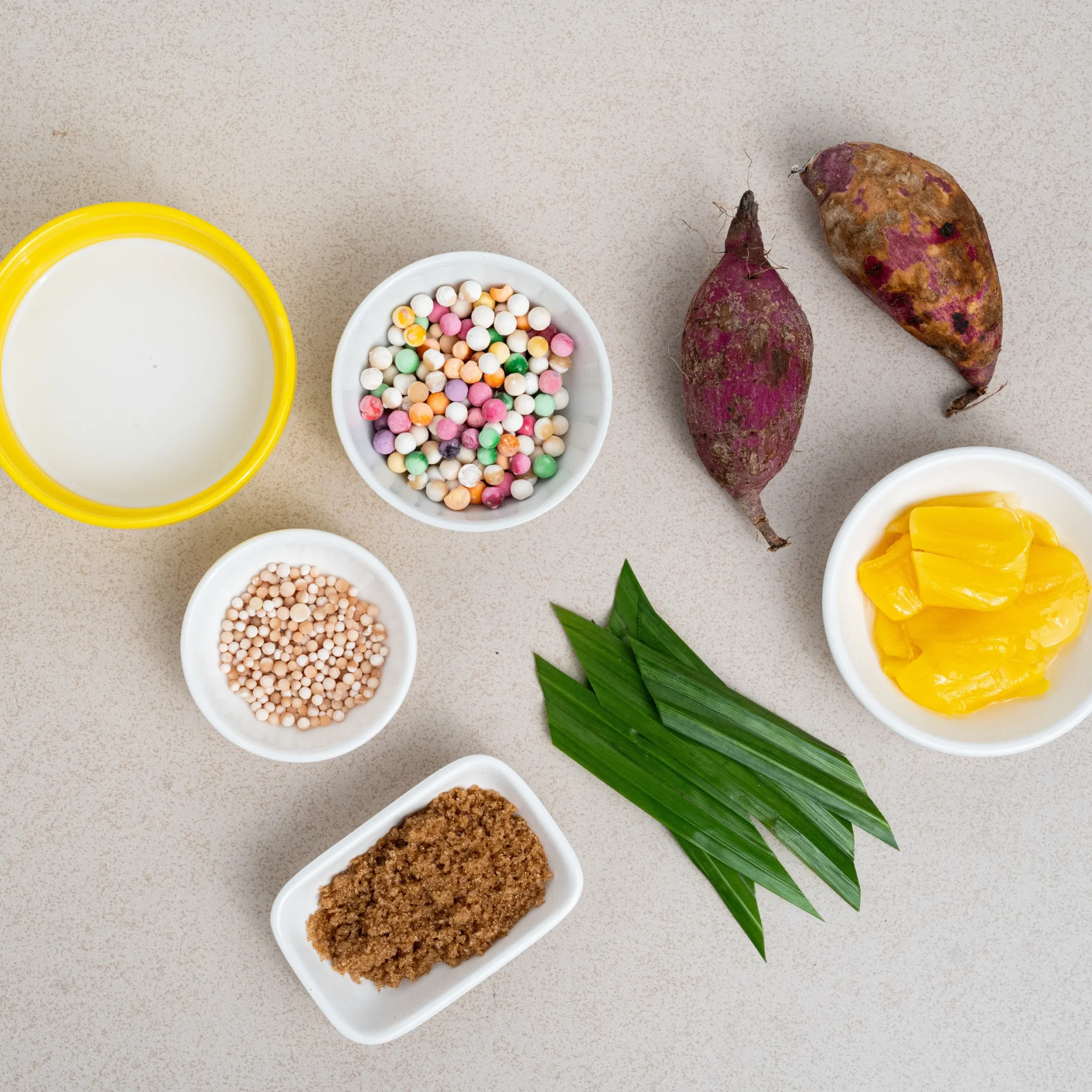
This recipe uses simple ingredients that are often found in Filipino markets: water, coconut milk, sweet potato, taro, ripe jackfruit, brown sugar, sago, and pandan. You do not need complicated equipment or advanced cooking skills to make it. What you need most is patience, because allowing the root crops to cook properly and the flavors to blend is what gives binignit its comforting character.
Whether you grew up eating binignit at your family’s table or are preparing it for the first time, this recipe will guide you through the process, from selecting the ingredients to cooking, serving, and storing the finished dessert. With a few practical tips and simple adjustments, you can make a pot of binignit that suits your preferred sweetness and texture while keeping the spirit of this traditional Bisaya dish alive.
History and Origin of Binignit
A traditional dessert rooted in Bisaya home cooking
Binignit is widely associated with the Visayas, particularly Cebu and other Cebuano-speaking communities. It belongs to a broader tradition of Filipino sweet dishes made from locally available root crops, coconut milk, sugar, fruits, and starchy ingredients.
Like many traditional Filipino recipes, binignit does not have one universally documented inventor or exact date of origin. Instead, it developed through household cooking practices, local food traditions, and the availability of ingredients commonly grown in tropical communities.
Sweet potatoes, taro, coconuts, bananas, and jackfruit are familiar ingredients in many parts of the Philippines. These ingredients can be combined in different ways to create filling snacks and desserts without requiring expensive or imported products.
Coconut milk is particularly important in Filipino cooking because coconuts grow abundantly in many regions. Extracted from grated coconut flesh, it adds richness and aroma to both savory dishes and sweets. Root crops provide substance, while sugar and ripe fruits contribute sweetness.
Over generations, families developed their own proportions and combinations, passing their recipes down through everyday cooking rather than formal written instructions. This helps explain why binignit can taste different from one household to another.
Why is binignit associated with Holy Week?
In many Cebuano households, binignit is traditionally prepared during Holy Week, especially on Good Friday. During this period, some families follow customs that emphasize abstaining from meat or preparing particular foods for communal meals.
A pot of binignit fits naturally into these traditions because it can be prepared using plant-based ingredients, coconut milk, and locally available fruits and root crops. It is filling enough to serve as a substantial snack or dessert, and it can be shared among several people.
The practice is not identical in every Filipino household, and binignit is not exclusive to Holy Week. Many people enjoy it during ordinary afternoons, family gatherings, celebrations, and rainy days when a warm, sweet dish feels especially comforting.
Its continued popularity shows how food can become connected to both religious observances and everyday family life.
Binignit and similar Filipino desserts
Binignit has similarities to several other Filipino desserts, especially those made with coconut milk and root crops.
One familiar comparison is ginataang bilo-bilo, which commonly contains glutinous rice balls, coconut milk, and ingredients such as sweet potato, banana, and jackfruit. Some versions of binignit also contain glutinous rice or rice balls, depending on the family’s tradition.
The ingredients and names can overlap across regions, but local preferences and preparation methods give each dish its own identity.
In general, Bisaya binignit is strongly associated with a mixture of root crops, coconut milk, and fruits. Some versions are thick and porridge-like, while others have more coconut liquid. Some include sago, while others use glutinous rice, bananas, or additional root crops.
There is no need to insist that every pot must follow one exact formula. The beauty of traditional home cooking is that recipes can adapt to what is available while retaining their familiar flavor and cultural meaning.
What Is Binignit?
Binignit is a sweet Filipino dessert or merienda made by simmering root crops and fruits in a coconut milk mixture sweetened with sugar.
The version in this recipe highlights five main elements:
- Sweet potato (kamote): Provides natural sweetness, color, and a tender texture.
- Taro (gabi): Adds a soft, starchy consistency that makes the dessert more filling.
- Ripe jackfruit (langka): Contributes a fruity aroma and distinctive tropical sweetness.
- Coconut milk: Creates a rich, creamy base that coats the ingredients.
- Sago pearls: Add a chewy texture that contrasts with the soft root crops.
Brown sugar sweetens the mixture, while a pinch of salt helps balance the flavor. Pandan adds a pleasant fragrance that complements the coconut milk and jackfruit.
Binignit can be served warm, at room temperature, or chilled. Many people enjoy it warm because the coconut milk is fragrant and the root crops feel soft and comforting. Others prefer it cold, especially in warm weather, when the chilled coconut mixture becomes a refreshing dessert.
The consistency also depends on personal preference. Some cooks like a thick mixture that can be eaten with a spoon, while others prefer more liquid. You can adjust the water and coconut milk to achieve the texture you enjoy.
Understanding the ingredients
Water: Water helps soften the root crops before the coconut milk is added. It also gives you control over the consistency of the dessert.
Coconut milk: Coconut milk provides the rich, creamy flavor that defines binignit. Full-fat coconut milk produces a fuller texture, while lighter coconut milk gives a less rich result.
Sweet potato: Kamote provides carbohydrates, fiber, and a naturally sweet flavor. Orange-fleshed varieties can also contribute beta-carotene, which the body can convert to vitamin A.
Taro: Gabi is a starchy root crop that becomes tender when properly cooked. It helps make the dessert thicker and more filling.
Ripe jackfruit: Langka adds sweetness and fragrance. Its tropical aroma pairs especially well with coconut milk and pandan.
Brown sugar: Brown sugar sweetens the dessert and adds a mild caramel-like flavor. The amount can be adjusted according to the sweetness of the fruit and your personal preference.
Colored sago: Sago pearls provide a soft, chewy texture and make the dessert more visually appealing. Their main nutritional contribution is carbohydrate.
Salt: A pinch of salt balances the sugar and enhances the flavor of the coconut milk.
Pandan: Pandan leaves or pandan extract contribute a sweet, fragrant aroma that complements the other ingredients.
Recipe Tips for Delicious Binignit
A good pot of binignit is creamy without being excessively heavy, sweet without being overwhelming, and thick enough to coat the ingredients while remaining easy to spoon.
Here are practical tips to help you achieve that result.
1. Cut the root crops evenly
Uniform pieces cook at roughly the same rate. If some cubes are very small and others are very large, the small pieces may turn mushy before the large ones become tender.
Aim for similarly sized cubes and check them with a fork as they cook.
2. Cook the root crops before adding the coconut milk
This helps ensure that the taro and sweet potato become tender without requiring the coconut milk to boil for an extended period.
Once the root crops have softened, you can focus on gently combining the flavors and adjusting the consistency.
3. Use ripe but good-quality jackfruit
Ripe jackfruit contributes fragrance and natural sweetness. Choose fruit that smells pleasantly sweet and has no signs of spoilage.
If using canned jackfruit, choose a product packed in syrup or water according to your preference. Drain syrup-packed fruit before adding it, and adjust the brown sugar accordingly.
4. Adjust the sugar gradually
The recipe uses ½ cup of brown sugar, but this amount may be too sweet for some people. Start with about half the stated amount, taste after the coconut milk and jackfruit have simmered, and add more as needed.
This is especially useful when the fruit is already very sweet.
5. Keep the heat gentle after adding coconut milk
Coconut milk can separate if boiled vigorously for too long. Use low to medium-low heat and stir periodically.
Gentle simmering also helps prevent the sugar and starch from settling at the bottom of the pan and burning.
6. Cook the sago separately
Preparing the sago separately gives you more control over its texture and the thickness of the dessert.
It is particularly helpful if you are using large tapioca pearls or colored sago that requires a different cooking time from the root crops.
7. Add jackfruit near the end
Ripe jackfruit softens quickly and can lose its texture if simmered for too long. Adding it after the root crops have softened preserves more of its distinctive aroma and texture.
8. Use pandan sparingly
Pandan has a lovely fragrance, but too much extract can make the dessert taste artificial or overly perfumed.
If you use pandan leaves, one or two leaves are generally enough for a small pot, depending on their size. Remove them before serving.
9. Stir carefully
Taro and sweet potato can break apart when they become very soft. Stir slowly, especially near the end of cooking, so the dessert remains a mixture of tender pieces rather than turning into a completely mashed porridge.
10. Remember that binignit thickens as it cools
The starch from the root crops and sago continues to affect the texture as the mixture cools. A dessert that looks slightly thin in the pot may become much thicker after resting.
Keep the mixture a little looser than your desired final texture, and add a small amount of warm water or coconut milk when reheating if necessary.
Ingredient Substitutions and Variations
Binignit is a flexible recipe, and many families change the ingredients depending on what they have available. The following substitutions can help you prepare it even when some traditional ingredients are difficult to find.
Can I use saba bananas?
Yes. Saba bananas are a common addition to many Filipino coconut-milk desserts. Slice them into thick pieces and add them after the root crops have begun to soften, allowing enough time for the bananas to cook without disintegrating.
Bananas contribute additional sweetness, so you may need less brown sugar.
Can I add glutinous rice?
Yes. Some binignit-style preparations include glutinous rice, which makes the dessert thicker and more porridge-like.
If using glutinous rice, rinse it and cook it thoroughly. You may need to increase the water and cooking time because the rice absorbs liquid and releases starch. Watch the pot carefully and stir regularly to prevent sticking.
What if I do not have taro?
You can increase the sweet potato or use a suitable yam. The dessert will still be enjoyable, but it will lack some of the characteristic texture of taro.
Remember that taro must be cooked thoroughly before eating. Do not use raw taro as a garnish or taste it before it is fully cooked.
Can I use frozen jackfruit?
Yes, provided it is intended for food use and has been stored properly. Thaw it according to the package instructions, drain excess liquid if necessary, and add it near the end of cooking.
The texture may be softer than that of fresh jackfruit.
Can I use fresh coconut milk instead of canned coconut milk?
Absolutely. Freshly extracted coconut milk can give binignit a lovely aroma and rich flavor.
Its thickness varies depending on how much water is used during extraction. If the coconut milk is particularly concentrated, you may need to dilute it slightly to achieve the consistency you want.
Can I make binignit less sweet?
Yes. Start with two to four tablespoons of brown sugar instead of the full ½ cup, then taste and add more if needed.
Ripe jackfruit and sweet potato already contribute natural sweetness, so you may find that you prefer a less sugary version.
Can I make it without sago?
Yes. Sago is optional, and binignit can still be delicious without it. The sweet potato, taro, coconut milk, and jackfruit provide plenty of flavor and texture.
If you prefer a simpler dessert, omit the pearls and adjust the liquid according to your desired thickness.
Can I make binignit vegan?
The recipe as written is already plant-based if the ingredients are pure coconut milk, root crops, fruit, sugar, and tapioca pearls, with no animal-derived additions.
Check packaged ingredients such as pandan flavoring and colored sago if you need to confirm that they meet specific dietary requirements.
Understanding the Main Ingredients and Their Roles
Knowing a little more about the ingredients can help you understand why binignit tastes and feels the way it does.
Sweet potato: The naturally sweet foundation
Sweet potato is a widely used tropical root crop. Its sweetness increases the dessert’s flavor without requiring all of the sweetness to come from added sugar.
Different varieties have different colors and textures. Orange-fleshed varieties contain beta-carotene, while purple varieties contain naturally occurring pigments called anthocyanins.
Sweet potato also supplies carbohydrates and fiber, although the final nutritional contribution depends on the variety and serving size.
Taro: The source of its soft, starchy texture
Taro, known as gabi in Filipino, is valued for its starchy texture and ability to absorb surrounding flavors.
When properly cooked, taro becomes tender and may contribute to the thick consistency of binignit. It is also used in savory dishes, snacks, and other desserts throughout the Philippines and across Asia and the Pacific.
An important food-safety point is that raw or inadequately cooked taro can irritate the mouth and throat because of naturally occurring calcium oxalate crystals. Peel and cook it thoroughly before eating.
Jackfruit: The tropical fragrance
Ripe jackfruit is known for its distinctive sweet aroma and soft, fibrous flesh. It is used in desserts, drinks, and other dishes.
In binignit, it contributes both flavor and fragrance. Because its sweetness can vary, it is useful to taste the fruit before deciding how much sugar to add.
Coconut milk: The creamy heart of the dessert
Coconut milk is made by extracting liquid from grated coconut flesh. It contains water, fat, and other components that give it a rich flavor and creamy appearance.
It brings the root crops and fruit together into one cohesive dessert. Full-fat coconut milk produces a richer result, while light coconut milk makes a less heavy version.
Coconut milk is also relatively high in saturated fat, so portion size is worth considering when planning a balanced diet.
Sago: The chewy addition
Sago traditionally comes from starch extracted from the pith of certain palm trees. However, products sold as sago in many markets may actually be tapioca pearls made from cassava starch.
Both provide a chewy texture when properly cooked, but they are not necessarily the same ingredient.
Sago and tapioca pearls are mainly sources of carbohydrates and contribute relatively little protein, fiber, or micronutrients compared with the root crops and fruit.
Pandan: The familiar fragrance
Pandan leaves are widely used in Southeast Asian cooking to add a distinctive sweet, grassy aroma to rice, desserts, and coconut-milk preparations.
In binignit, pandan complements the fragrance of the coconut milk and jackfruit. It is an aromatic ingredient rather than a major source of nutrition.
Health Benefits and Nutritional Value of Binignit
Binignit contains ingredients that provide energy and a range of nutrients. However, it is still a sweet dessert, and its nutritional profile depends on the quantity of coconut milk, sugar, root crops, and sago used.
1. Provides energy for daily activities
Sweet potato, taro, sugar, and sago supply carbohydrates. Carbohydrates are an important source of energy for the body.
Because the dessert contains several starchy ingredients, it can be filling and may work well as a merienda or an occasional dessert after a meal.
2. Supplies dietary fiber
Sweet potato and jackfruit contribute dietary fiber, which supports digestive health and normal bowel movements.
The amount of fiber in a serving depends on the ingredients, their quantities, and the serving size. Sago and tapioca pearls, by comparison, are mostly starch and provide little fiber.
3. Provides beta-carotene from orange sweet potato
Orange-fleshed sweet potato contains beta-carotene, which the body can convert into vitamin A. Vitamin A supports normal vision, immune function, and other essential body processes.
Not all sweet potato varieties contain the same amount of beta-carotene. Orange-fleshed varieties are generally a useful source.
4. Contributes vitamins and minerals
The root crops and jackfruit supply varying amounts of potassium and other nutrients. Coconut milk also contributes some minerals, although the quantities depend on the product and recipe.
These nutrients support normal body functions, but binignit should not be considered a complete source of vitamins and minerals on its own.
5. Contains plant compounds from fruit and root crops
Sweet potato and jackfruit contain naturally occurring plant compounds. Purple sweet potato, for example, contains anthocyanins, while orange varieties contain beta-carotene.
These compounds contribute to the color and nutritional characteristics of the ingredients. The amount varies according to the variety and preparation.
6. Can be enjoyed as part of a balanced eating pattern
A small serving of binignit can be part of a varied diet, particularly when enjoyed alongside meals that provide protein, vegetables, and other nutrients.
Because the dessert combines several carbohydrate-rich ingredients with coconut milk and added sugar, portion size matters.
Health considerations to remember
- Added sugar: The recipe uses up to ½ cup of brown sugar. You can reduce this amount to suit your taste and nutritional needs.
- Saturated fat: Coconut milk contains saturated fat. If you are monitoring your saturated-fat intake, consider using light coconut milk or smaller portions.
- Energy density: The combination of sugar, starch, and coconut milk can make binignit energy-dense, even when the serving looks small.
- Food allergies and sensitivities: Check packaged ingredients if you have allergies or specific dietary restrictions.
- Safe preparation: Cook taro thoroughly, prepare sago according to package instructions, and store coconut-milk desserts safely.
The main benefit of binignit is that it can be an enjoyable way to eat familiar root crops and fruit. It is best appreciated as a traditional dessert rather than a health remedy.
How to Store Binignit Properly
Because binignit contains coconut milk, cooked root crops, and fruit, proper storage is important. The dessert can spoil if it remains at room temperature for too long, particularly in warm and humid weather.
1. Storing freshly cooked binignit
If you plan to eat the dessert immediately, keep it covered while serving and avoid leaving the pot out for an extended period.
For leftovers:
- Transfer the binignit into clean, shallow containers.
- Refrigerate it within two hours of cooking, or within one hour if the surrounding temperature is above 32°C (90°F).
- Keep the refrigerator at or below 4°C (40°F).
- Use refrigerated leftovers within three to four days.
Do not leave the pot on the kitchen counter overnight. Coconut milk and cooked starches can support microbial growth when held at unsafe temperatures.
2. Refrigerating binignit
Binignit can be enjoyed chilled, so refrigeration is a practical way to store it.
Place it in an airtight container once portioned. It will usually thicken as it cools because the root crops and sago continue to absorb liquid.
When ready to serve, you can eat it cold or warm it gently. If the mixture has become too thick, add a little water or coconut milk and stir until it reaches the desired consistency.
3. Freezing binignit
Freezing is possible, but the texture may change. Sweet potato and taro can become softer or grainier after thawing, while sago pearls may lose their original chewy texture.
If you want to freeze it:
- Allow the dessert to cool enough for safe portioning without leaving it at room temperature for too long.
- Divide it into meal-sized portions.
- Transfer the portions into airtight, freezer-safe containers.
- Leave a little space at the top because the liquid can expand.
- Label the containers with the date and freeze at −18°C (0°F) or below.
For best quality, aim to use frozen binignit within about one to two months. It may remain safe longer if continuously frozen, but the texture and flavor can decline.
4. Reheating binignit
Transfer the portion you want to eat into a saucepan. Warm it over low heat, stirring gently to prevent the coconut milk and starch from sticking to the bottom.
Add a little water or coconut milk if the dessert is too thick. Heat it thoroughly, stirring so the temperature is even throughout.
You can also use a microwave-safe container, reheating in short intervals and stirring between intervals.
Reheat only the amount you intend to eat rather than repeatedly warming the entire batch.
5. Can I store binignit at room temperature?
It is not recommended to leave cooked binignit at room temperature for extended periods, especially in a hot kitchen. Refrigerate it promptly after serving.
If it has been left out overnight or beyond the recommended safe time, discard it. Smell and appearance alone cannot reliably determine whether it is safe to eat.
6. How can I keep the ingredients fresh before cooking?
- Sweet potato: Store whole, unpeeled sweet potatoes in a cool, dry, well-ventilated place away from direct sunlight. Avoid refrigerating raw sweet potatoes unless the product or local conditions require a different approach.
- Taro: Store whole, unpeeled taro in a cool, dry, well-ventilated place. Discard pieces that are moldy, badly damaged, or soft and spoiled.
- Jackfruit: Refrigerate cut ripe jackfruit in a covered container and use it promptly. Follow the package instructions for commercially prepared fruit.
- Coconut milk: Refrigerate opened canned or packaged coconut milk in a covered container and follow the manufacturer’s instructions for use after opening.
- Sago: Keep dry, uncooked pearls in a sealed container in a cool, dry place. Refrigerate cooked pearls and use them promptly according to safe food-handling guidance.
Proper storage before cooking helps preserve flavor and quality while reducing food waste.
Final Words: A Bowl of Binignit, a Taste of Bisaya Heritage
Binignit is one of those Filipino dishes that shows how much comfort can come from simple ingredients. Sweet potato, taro, jackfruit, coconut milk, and sago may seem ordinary on their own, but when they are cooked together with care, they create a dessert full of warmth, fragrance, and texture.
For many Bisaya families, binignit carries memories of Holy Week, afternoons spent at home, and large pots prepared for sharing. For others, it is simply a delicious merienda enjoyed whenever a craving for something sweet and creamy strikes. Both experiences are part of what makes the dish special.
The best thing about making binignit at home is that you can adapt it to your own taste. You can add bananas or glutinous rice, use more or less sugar, choose your favorite variety of sweet potato, or leave out the sago if you prefer a simpler mixture. You can serve it warm on a rainy afternoon or chill it for a refreshing dessert on a hot day.
For a successful pot, remember to cook the taro thoroughly, cut the root crops evenly, prepare the sago properly, and simmer the coconut milk gently. Taste the mixture before adding all the sugar, because the natural sweetness of the jackfruit and sweet potato may already be enough for you. Finally, store any leftovers promptly so you can enjoy them safely later.
More than just a sweet coconut-milk dessert, binignit is a celebration of Bisaya food traditions, local ingredients, and the joy of sharing homemade food. Whether you are continuing a family tradition or learning to prepare this dish for the first time, every pot offers an opportunity to appreciate the flavors and stories that make Filipino cuisine so meaningful.
Prepare it with patience, share it with the people you love, and enjoy every creamy, chewy, and fragrant spoonful of your homemade Binignit.