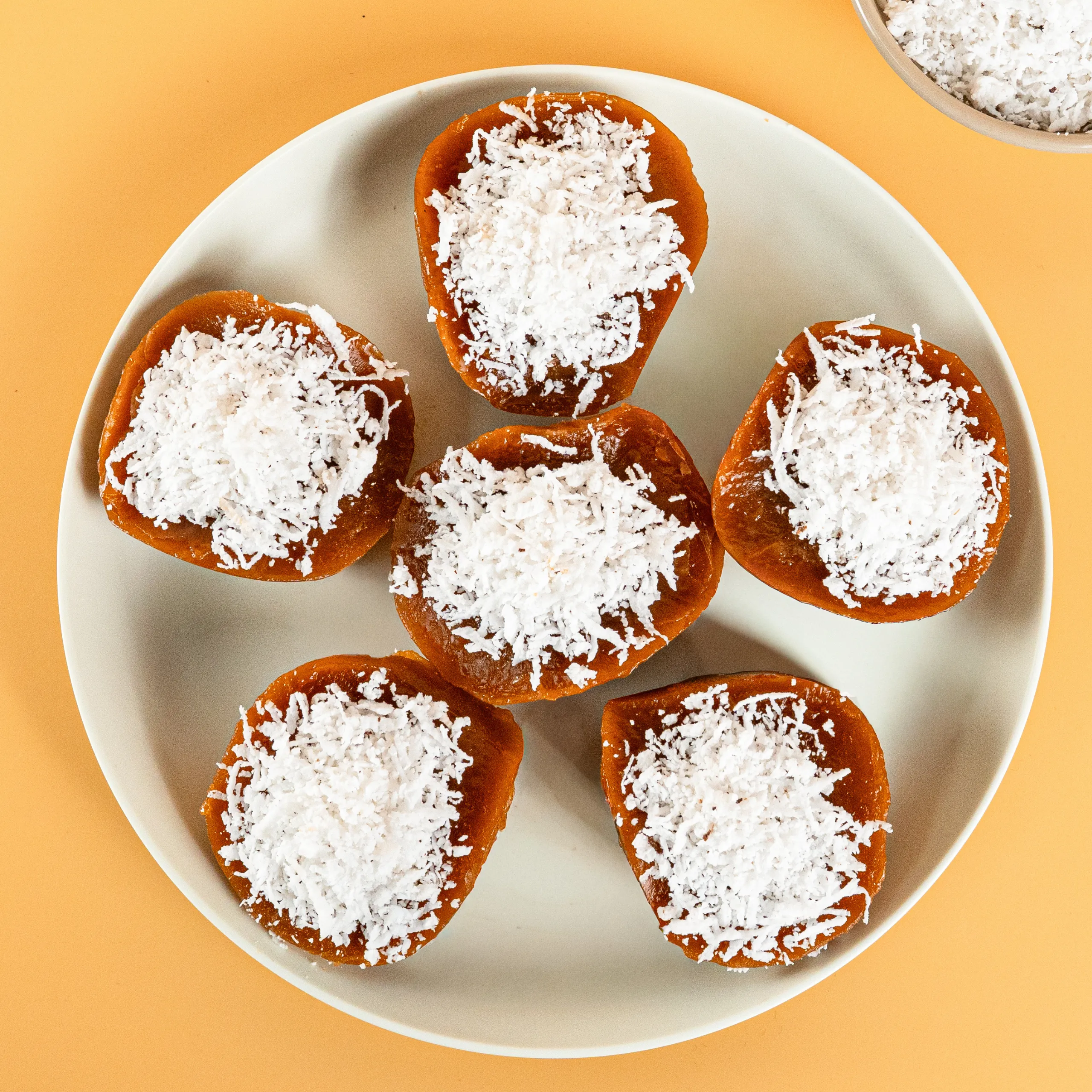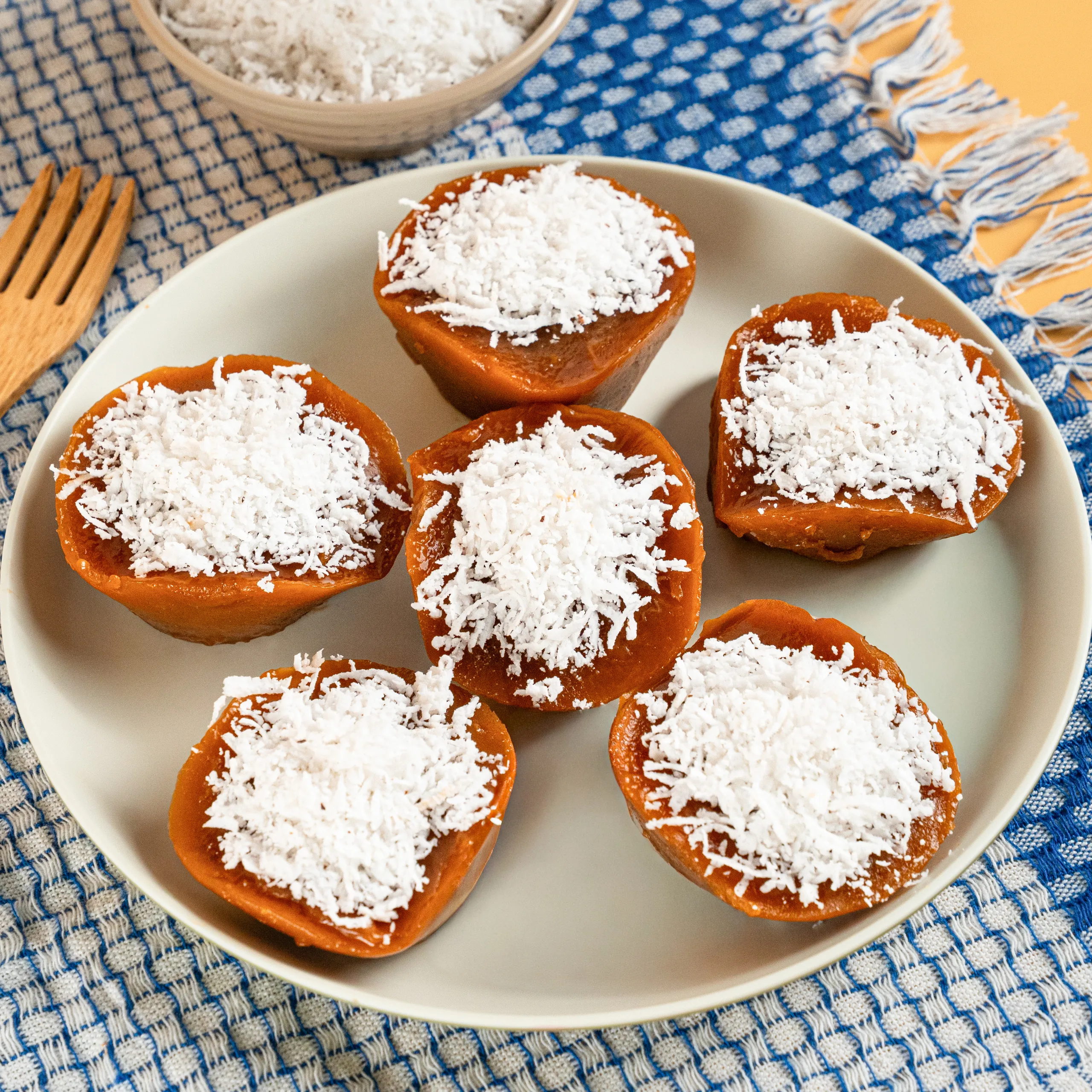
Kutsinta is one of the most beloved traditional Filipino kakanin, or rice-based delicacies. It is known for its soft, chewy texture, beautiful amber-orange color, and gentle sweetness that makes it a favorite among children and adults alike. Often served with freshly grated coconut, kutsinta is a simple yet satisfying treat that brings a sense of nostalgia to many Filipino homes.
For many Filipinos, kutsinta is more than just a snack. It is a familiar sight in neighborhood markets, bakeries, street-food stalls, and family gatherings. Some people enjoy it as an afternoon merienda with coffee or hot chocolate, while others serve it during birthdays, fiestas, holidays, and other special occasions.
What makes kutsinta special is its unique texture. Unlike ordinary cakes, which are soft and fluffy, kutsinta is slightly sticky, smooth, and pleasantly chewy. Its brown sugar gives it a caramel-like sweetness, while annatto provides its recognizable color. A little lye water helps create the characteristic texture that makes this delicacy different from other steamed rice cakes.
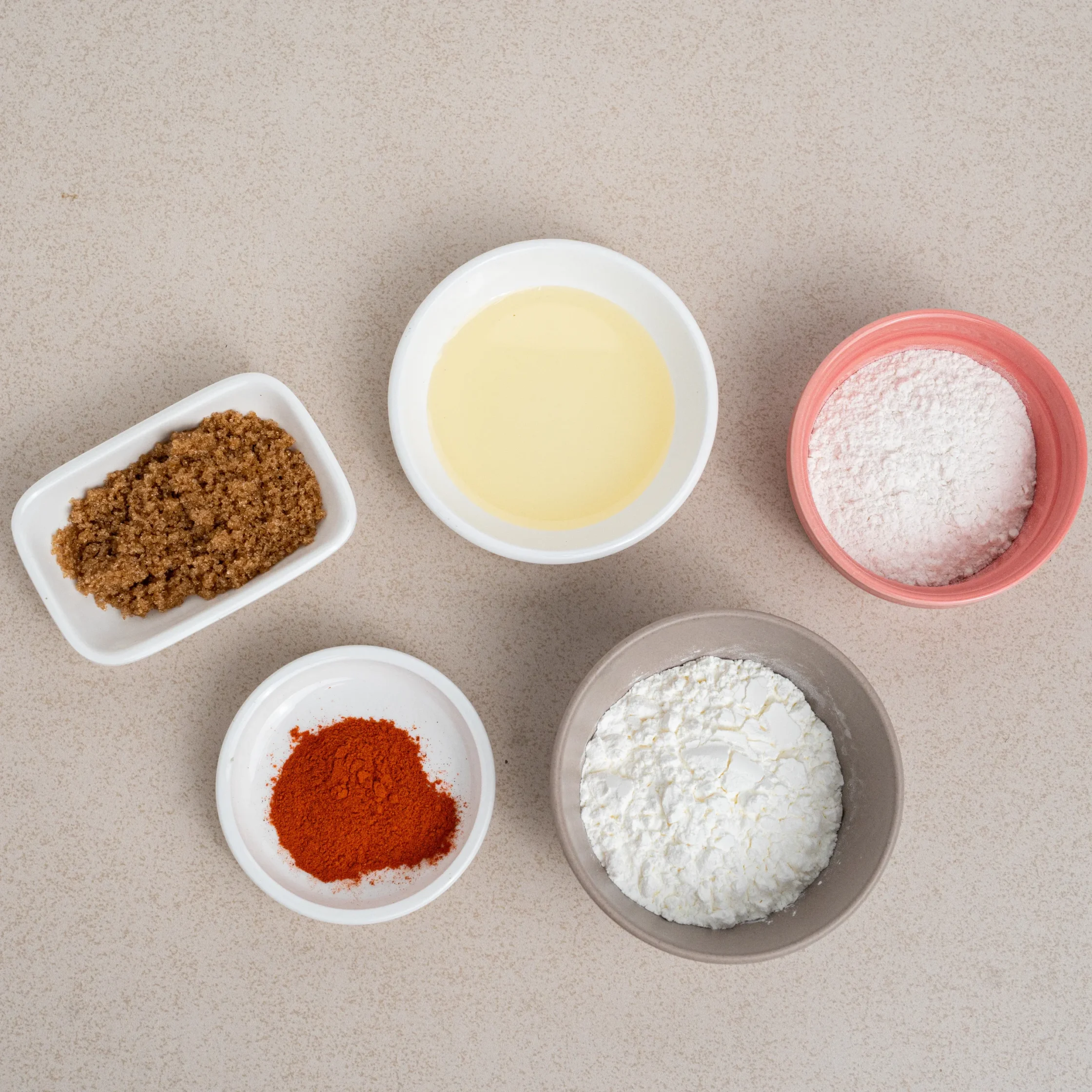
The best thing about kutsinta is that it does not require expensive ingredients or complicated equipment. With rice flour, all-purpose flour, brown sugar, water, annatto, and a small amount of lye water, you can prepare this Filipino favorite in your own kitchen.
Whether you are making it for your family, preparing it for a small gathering, or hoping to start a homemade kakanin business, this kutsinta recipe is a wonderful way to appreciate a traditional Filipino treat.
History of Kutsinta
Kutsinta belongs to the rich collection of Filipino kakanin, a category of traditional snacks and desserts commonly made with rice, rice flour, glutinous rice, coconut milk, sugar, and other locally available ingredients.
The history of Filipino kakanin reflects centuries of cultural exchange, agricultural traditions, and regional cooking practices. Rice has long been an important staple in the Philippines, and Filipino cooks developed many ways to transform it into both everyday food and celebratory delicacies.
The name kutsinta is also commonly spelled cuchinta. Although the exact origin of the dish and the history of its name are not firmly established, kutsinta has become a familiar part of Filipino food culture.
Its preparation reflects the ingenuity of home cooks who use simple ingredients and steaming techniques to create a distinctive dessert. Instead of baking the mixture, cooks steam it in small molds until it sets into a smooth, chewy cake.
Over time, different households and regions developed their own variations. Some recipes use a combination of rice flour and all-purpose flour, while others include tapioca flour or other starches to adjust the chewiness. Brown sugar is commonly used for sweetness and color, and annatto may be added to create the traditional amber-orange appearance.
Kutsinta is often sold alongside other Filipino delicacies, such as puto, sapin-sapin, palitaw, and suman. These treats are especially popular during morning markets, afternoon merienda, fiestas, and family gatherings.
Today, kutsinta remains a favorite because it is affordable, easy to share, and deeply connected to the everyday food traditions of the Philippines. Even as modern desserts become more popular, this humble steamed rice cake continues to remind Filipinos of the comfort and creativity of traditional home cooking.
Understanding the ingredients
Rice flour: Provides the rice-based foundation of kutsinta and contributes to its soft, slightly chewy texture.
All-purpose flour: Helps the mixture develop structure and contributes to the characteristic consistency of the finished cakes.
Brown sugar: Adds sweetness, a light caramel flavor, and a deeper color.
Water: Dissolves the sugar and helps create a smooth batter that can be poured into the molds.
Lye water (lihiya): An alkaline ingredient used in small amounts to help develop kutsinta’s distinctive chewy texture. Use only food-grade lye water intended for cooking.
Annatto powder: Gives kutsinta its traditional amber-orange color. Dissolving it in warm water helps distribute the color evenly throughout the batter.
Cooking oil: Prevents the steamed cakes from sticking to the molds, making them easier to remove.
Grated coconut: Adds a fresh, creamy, slightly sweet contrast to the chewy rice cakes. It is optional but is a popular traditional topping.
Recipe Tips for Perfect Kutsinta
- Measure the lye water carefully. Too much can make the cakes taste bitter or soapy. Use only food-grade lye water.
- Mix the batter thoroughly. Even mixing helps create a consistent texture and color.
- Strain the batter when necessary. This removes flour lumps and undissolved annatto particles.
- Grease the molds lightly. A thin coating helps prevent sticking without making the cakes oily.
- Stir the batter occasionally. Flour can settle at the bottom while you are filling the molds.
- Maintain steady steam. Consistent heat helps the kutsinta cook evenly.
- Avoid excessive condensation. Water dripping from the lid can create an uneven surface and dilute the batter.
- Do not overfill the molds. Leave room for the batter to cook evenly.
- Let the cakes cool before unmolding. Kutsinta becomes easier to handle as it sets.
- Use brown sugar for deeper flavor. Different varieties of brown sugar will produce slightly different colors and caramel notes.
- Adjust the color naturally. If you prefer a deeper amber color, adjust the annatto slightly in a future batch rather than adding a large amount at once.
- Serve coconut separately if storing leftovers. Fresh coconut spoils more quickly than the steamed cakes and can shorten their storage life when mixed together.
Ingredient Substitutions for Kutsinta
If you cannot find every ingredient, you can make a few adjustments. However, because kutsinta depends on the balance of flour, liquid, and alkalinity, substitutions may change its texture.
Can I use tapioca flour?
Tapioca flour can contribute chewiness, but it changes the balance of the recipe. If you want to experiment, replace only a small portion of the flour in your next batch and adjust the water gradually. Too much tapioca flour can make the cakes excessively sticky or gummy.
Can I use coconut sugar?
Yes. Coconut sugar can replace brown sugar in a similar amount as a starting point. It may produce a darker color and a slightly different caramel flavor, so taste and adjust the sweetness in future batches.
Can I make kutsinta without lye water?
Yes. The recipe can still be steamed without lye water, but the texture may be softer and less characteristically chewy. Do not replace lye water with household cleaning products or other non-food alkaline substances.
Can I use liquid annatto instead of powder?
Yes. Food-grade annatto extract or annatto-infused water can be used, but its strength varies by product. Add it gradually until the batter reaches the color you prefer, while keeping the overall liquid balance in mind.
Interesting Knowledge About Kutsinta
Why is kutsinta chewy instead of fluffy?
Kutsinta is a steamed rice cake, not a conventional leavened cake. It does not depend on baking powder or yeast to create an airy crumb. Instead, its starches absorb water and set during steaming, producing a dense, smooth, chewy texture.
The combination of flour types, liquid, steaming, and the small amount of lye water all influence the final consistency.
Why does kutsinta have an orange or amber color?
Annatto is a natural food-coloring ingredient derived from the seeds of the achiote tree. In the Philippines, it is commonly called atsuete or achuete.
It is used in many savory dishes as well as some traditional preparations to create a warm orange or reddish hue. In kutsinta, it provides a familiar appearance without needing artificial food coloring.
What is lye water, and why is it used?
Food-grade lye water is an alkaline solution used in certain traditional foods. In kutsinta, a small quantity helps influence the texture and characteristic chewiness.
Because it is alkaline, the amount must be measured accurately. Excessive use may result in a bitter or soapy flavor. Never substitute industrial lye or household cleaning products for food-grade lye water.
Is kutsinta the same as puto?
No. Both are Filipino kakanin, but their textures and preparation methods differ.
- Kutsinta: Usually amber-orange, moist, smooth, and chewy.
- Puto: Commonly white or brightly colored, soft, and cake-like, often with a more porous texture.
Both are commonly steamed and enjoyed as snacks or during gatherings.
Why is grated coconut served with kutsinta?
Fresh coconut adds a creamy texture and mild sweetness that complements the chewy cake. It also creates a pleasant contrast between the soft, sticky kutsinta and the delicate coconut shreds.
Some people prefer their kutsinta plain, while others enjoy it with plenty of freshly grated coconut.
Why do recipes produce different textures?
Small differences in flour brands, flour fineness, sugar type, water measurements, lye water concentration, and steaming conditions can affect the result.
A recipe made with more rice flour may feel different from one containing more wheat flour or tapioca starch. For consistent results, measure the ingredients carefully and keep notes when adjusting the recipe.
Health Benefits of Kutsinta
Kutsinta can be enjoyed as part of a balanced diet. However, it is primarily a carbohydrate-based sweet snack, and its nutritional value depends on the ingredients, serving size, sugar content, and toppings.
1. Provides energy
Rice flour and all-purpose flour contain carbohydrates that the body uses as an energy source. This makes kutsinta a convenient snack between meals.
2. Contains small amounts of minerals
Depending on the flour used, kutsinta may provide small amounts of minerals such as iron and other nutrients. The exact amount varies by ingredient and preparation.
3. Can be prepared with simple ingredients
Homemade kutsinta allows you to control the amount and type of sugar used, as well as the toppings. Preparing it at home also makes it easier to avoid unnecessary additives.
4. Coconut contributes additional nutrients
Fresh grated coconut contains fiber and fat, including saturated fat. It adds flavor and texture, although large amounts can increase the energy content of each serving.
5. Can be enjoyed in moderate portions
A small serving of kutsinta can fit into a varied eating pattern. Pairing snacks with meals that include vegetables, fruit, protein, and other nutrient-rich foods helps maintain a balanced diet.
Ways to make kutsinta a little healthier
- Reduce the brown sugar slightly if you prefer a less-sweet dessert, recognizing that this may change the flavor.
- Serve moderate portions instead of eating many pieces at once.
- Use unsweetened grated coconut rather than sweetened coconut toppings.
- Enjoy kutsinta alongside a balanced diet rather than treating it as a substitute for a complete meal.
- If you need to monitor blood sugar, consider the portion size and carbohydrate content.
Important: Kutsinta is not a medicinal food, and its ingredients do not make it a treatment for any disease. It contains added sugar and starch, so portion size matters, especially forpeople managing diabetes or other dietary restrictions.
How to Store Kutsinta Properly
Kutsinta contains moisture, which means it can spoil if it is left in warm conditions for too long. Proper storage helps preserve its texture and reduces the risk of foodborne illness.
At room temperature
Freshly steamed kutsinta can be served at room temperature, but it should not be left out for extended periods.
As a general food-safety guideline, refrigerate cooked kutsinta within 2 hours of preparation, or within 1 hour when the surrounding temperature is above 32°C. This is particularly important in hot and humid weather.
In the refrigerator
- Allow the kutsinta to cool briefly before storing.
- Place them in a clean, airtight container.
- Refrigerate at 4°C or below.
- For best quality, consume within about 3–4 days.
- Keep grated coconut in a separate airtight container in the refrigerator.
- Use clean utensils when removing pieces from the container.
Refrigeration may make kutsinta firmer, so you can allow a portion to come closer to room temperature before serving, provided it is not left out for too long.
In the freezer
Kutsinta can be frozen, although its texture may change slightly after thawing.
- Arrange cooled pieces in a single layer until firm, if practical.
- Transfer them to an airtight freezer-safe container or bag.
- Separate layers with food-safe parchment if the pieces tend to stick together.
- Label the container with the date.
- For best quality, use within approximately 1–2 months.
Thaw in the refrigerator or reheat directly from frozen using a suitable steaming method.
When reheating
Steam refrigerated kutsinta briefly until warmed through. The exact time depends on the size and quantity.
You can also use a microwave-safe container and heat the cakes in short intervals. Cover them to reduce moisture loss, but allow steam to escape safely.
Avoid overheating, as excessive heating can make the cakes overly sticky or alter their texture.
How to store grated coconut
Fresh grated coconut is highly perishable.
- Refrigerate it promptly in a clean, covered container.
- Use it as soon as possible, ideally within 1–2 days.
- Freeze extra portions if you will not use them soon.
- Discard coconut that develops an unusual smell, visible mold, or other signs of spoilage.
Additional storage reminders
- Do not place warm kutsinta in a deep, tightly packed container where they cool very slowly.
- Avoid leaving kutsinta exposed to air, as they may dry out.
- Do not mix fresh coconut into the entire batch if you plan to store leftovers.
- Do not rely only on smell or appearance to determine food safety.
Final Words About Kutsinta
Kutsinta is a wonderful example of how simple ingredients can create a dessert that is full of character, tradition, and comfort. Its chewy texture, gentle sweetness, and beautiful amber-orange color make it a memorable Filipino delicacy that continues to be enjoyed across generations.
One of the most special things about kutsinta is its connection to everyday Filipino life. It is the kind of snack people buy from neighborhood vendors, share during afternoon merienda, bring to family gatherings, or prepare at home when they want something familiar and satisfying.
Although the recipe uses only a handful of ingredients, every step matters. Measuring the flour and water correctly, dissolving the annatto, adding the right amount of lye water, and steaming the batter patiently all contribute to the final result.
Do not be discouraged if your first batch is not perfect. You may need to adjust the steaming time or learn how your particular flour behaves. With practice, you can create kutsinta that is consistently smooth, chewy, and flavorful.
You can also make the recipe your own by adjusting the sweetness, experimenting carefully with flour combinations, or serving the cakes with fresh grated coconut. What matters most is using safe ingredients, preparing the food carefully, and enjoying the process.
Beyond its taste, kutsinta reminds us that traditional Filipino food is worth preserving and sharing. Every homemade batch is an opportunity to appreciate the creativity of Filipino cooks and pass a familiar delicacy on to another generation.
So gather your ingredients, prepare your steamer, and enjoy making a batch of homemade kutsinta. Serve it with freshly grated coconut, share it with family and friends, and celebrate the simple pleasure of a truly beloved Filipino kakanin.