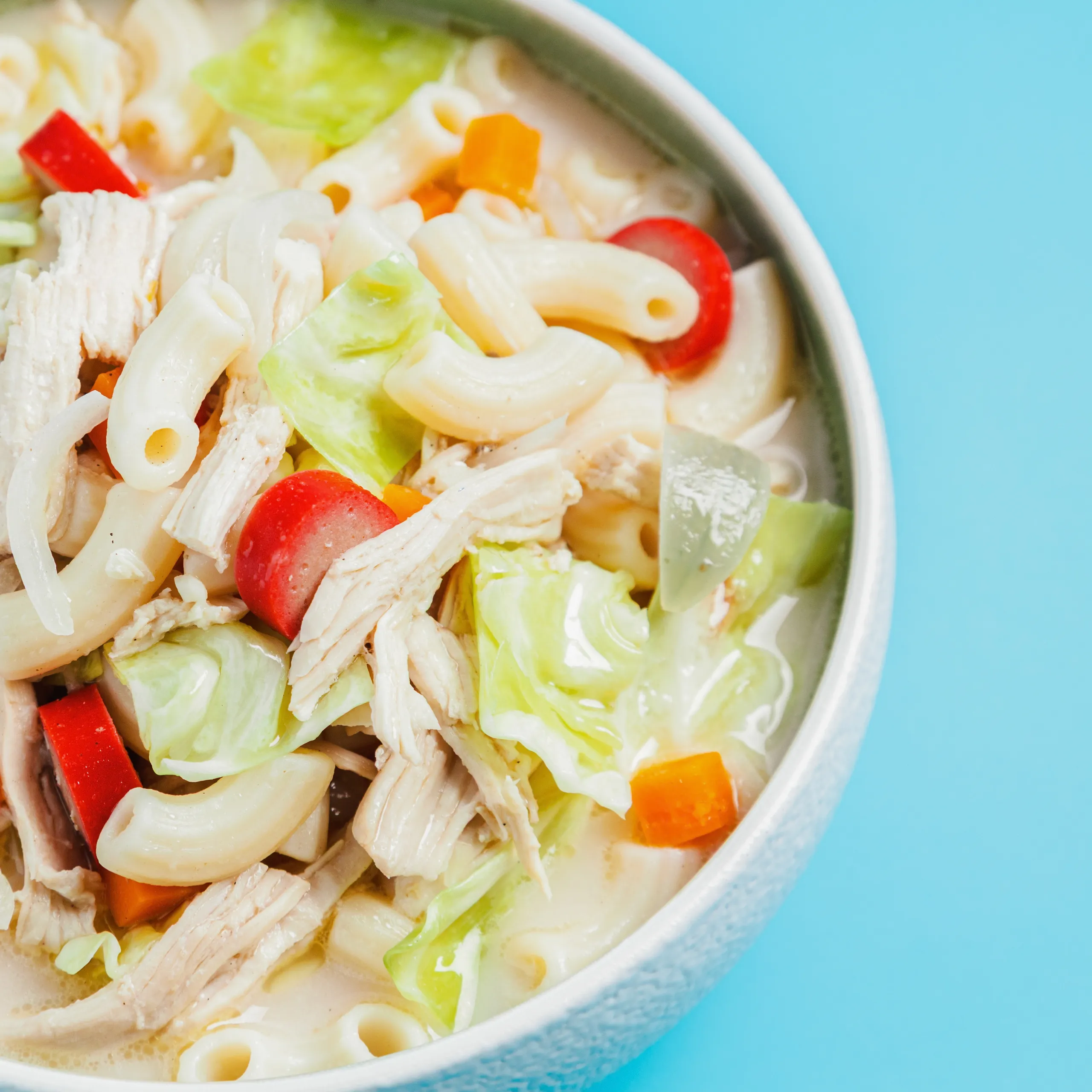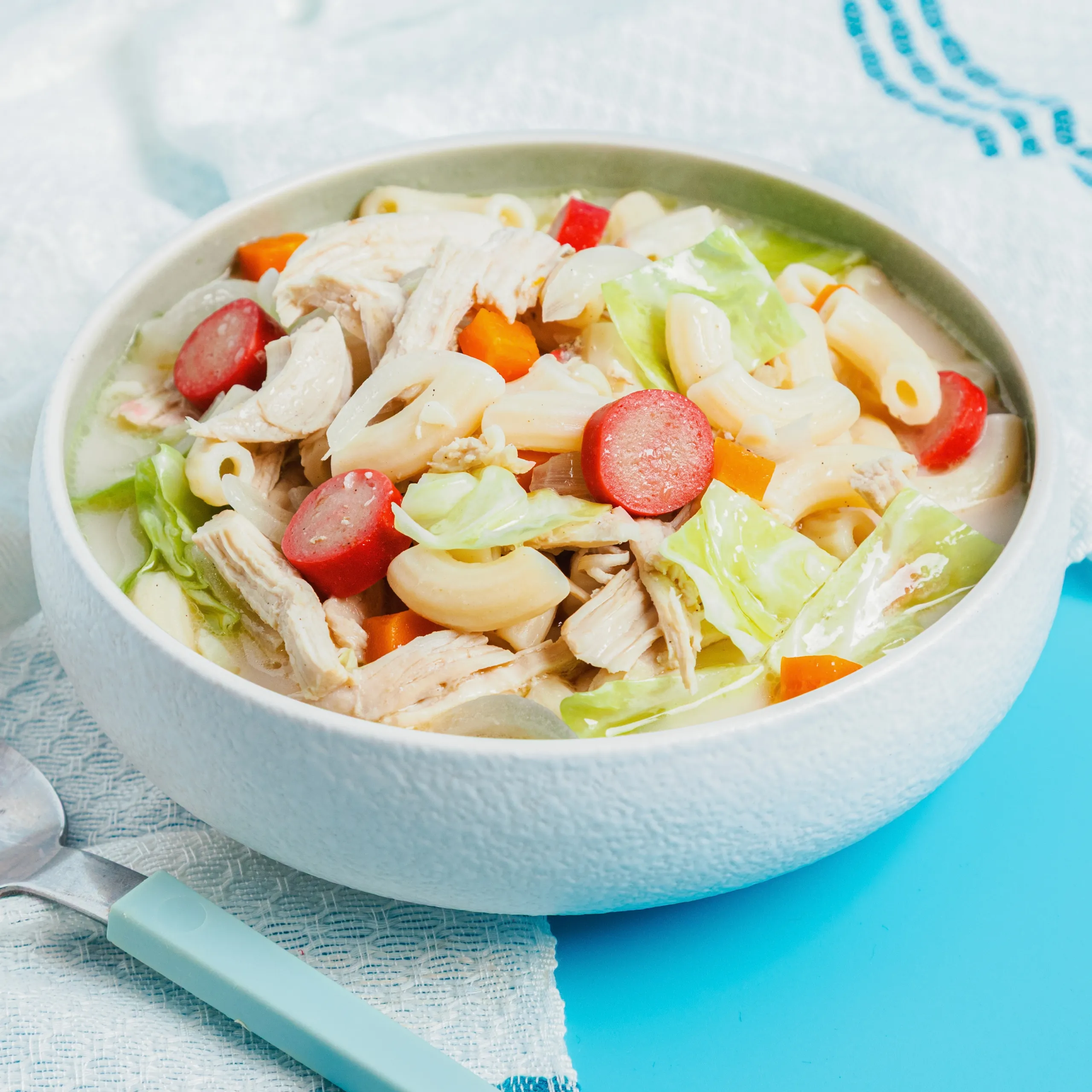
There are some Filipino dishes that feel like a warm hug in a bowl, and Chicken Sopas is one of them.
For many Filipinos, sopas brings back memories of rainy afternoons, quiet mornings, school days, family breakfasts, or being cared for at home when feeling under the weather. The creamy broth, tender chicken, soft macaroni, and colorful vegetables make it a simple dish, but there is something deeply comforting about it.
Unlike complicated dishes that require hours of preparation, sopas is relatively easy to make. A few everyday ingredients come together to create a filling meal that can feed the whole family. The combination of chicken stock and milk gives the soup a creamy and savory character, while garlic, onion, vegetables, and seasonings add layers of flavor.
One of the best things about sopas is its flexibility. You can make it with chicken breast or thigh, add more vegetables, adjust the creaminess, or use whatever ingredients are available in your kitchen. Some families even add hotdogs, ham, luncheon meat, or other ingredients to make their own version.
At its heart, however, Filipino Chicken Sopas remains a humble comfort food—a dish that is warm, nourishing, inexpensive, and easy to share.
A Brief History of Sopas
The word sopas comes from the Spanish word sopa, meaning soup. However, the Filipino version of sopas has developed its own identity and is quite different from many traditional Spanish soups.
Filipino cuisine has been shaped by centuries of cultural exchange. Spanish colonial influence introduced many words, cooking methods, and ingredients into the Philippines, while American influence later contributed ingredients and food products that became common in Filipino kitchens.
Filipino sopas is often associated with Western-style creamy soups, but Filipino cooks adapted the concept to local tastes and available ingredients. Macaroni became a particularly important component, while evaporated milk provided the creamy character that many Filipino households recognize today.
The result is a soup that is distinctly Filipino in its character: creamy but savory, filling but uncomplicated, and easily adjusted according to what a family has available.
There are many versions of sopas across the Philippines. Some are very creamy, while others have a lighter broth. Some contain chicken, while others include hotdogs, ham, ground meat, or vegetables. Some families use cabbage and carrots, while others add potatoes, corn, celery, or other vegetables.
This variety reflects one of the most enjoyable qualities of Filipino home cooking: recipes are often starting points rather than strict rules.
Understanding the Ingredients
Before cooking, it helps to understand what each ingredient contributes to the soup.
Chicken
Chicken provides protein and the savory foundation of the soup.
Chicken thigh tends to be more tender and flavorful because it contains more fat, while chicken breast is leaner and has a milder flavor.
Elbow Macaroni
Macaroni makes sopas hearty and filling. As it cooks, the pasta absorbs some of the flavorful broth.
One thing to remember is that macaroni continues absorbing liquid even after cooking, which is why leftover sopas often becomes thicker than it was when freshly prepared.
Butter or Oil
Butter gives the soup a slightly richer flavor, while cooking oil provides a more neutral base.
You can use either depending on your preference.
Garlic and Onion
These two ingredients form the aromatic foundation of the dish.
Sautéing them before adding the liquid helps develop a deeper flavor than simply boiling everything together.
Carrot and Cabbage
These vegetables provide color, texture, fiber, and additional nutrients.
They also help balance the richness of the milk and chicken.
Chicken Stock
Chicken stock gives the soup its savory foundation.
Homemade stock can provide a deeper flavor, but commercial chicken stock is convenient and works well.
Evaporated Milk
Evaporated milk is one of the ingredients that gives Filipino sopas its recognizable creamy character.
It is richer than regular milk but does not have the sweetness of condensed milk.
Regular Milk
Regular milk helps lighten the texture while adding additional creaminess.
Fish Sauce
Fish sauce is optional, but it adds a strong savory and umami flavor.
A small amount can make the soup taste more rounded without necessarily making it taste strongly of fish.
Recipe Tips for Delicious Sopas
1. Don’t overcook the macaroni
This is one of the most important tips.
Overcooked macaroni can become mushy and absorb too much of the soup.
If you expect leftovers, slightly undercook the pasta.
2. Use chicken thigh for extra flavor
Chicken breast is lean and convenient, but chicken thigh generally stays juicier during cooking and contributes more flavor.
You can also combine breast and thigh.
3. Don’t boil the milk aggressively
Once milk is added, keep the heat moderate to low.
A gentle simmer is enough.
4. Taste before adding salt
Chicken stock, fish sauce, and other seasonings may already contain salt.
Always taste first.
5. Adjust the consistency
If your sopas becomes too thick, add a little chicken stock or milk.
If it is too thin, allow it to simmer gently for a little longer, keeping in mind that the macaroni will continue absorbing liquid.
6. Cut vegetables evenly
Uniformly cut vegetables cook at roughly the same rate, giving the soup a better texture.
7. Make it extra creamy
If you enjoy richer sopas, you can increase the amount of evaporated milk slightly.
You can also add a small amount of cream, although traditional home-style versions do not necessarily require it.
8. Don’t forget the pepper
Black pepper may seem like a small detail, but its mild heat helps balance the creamy broth.
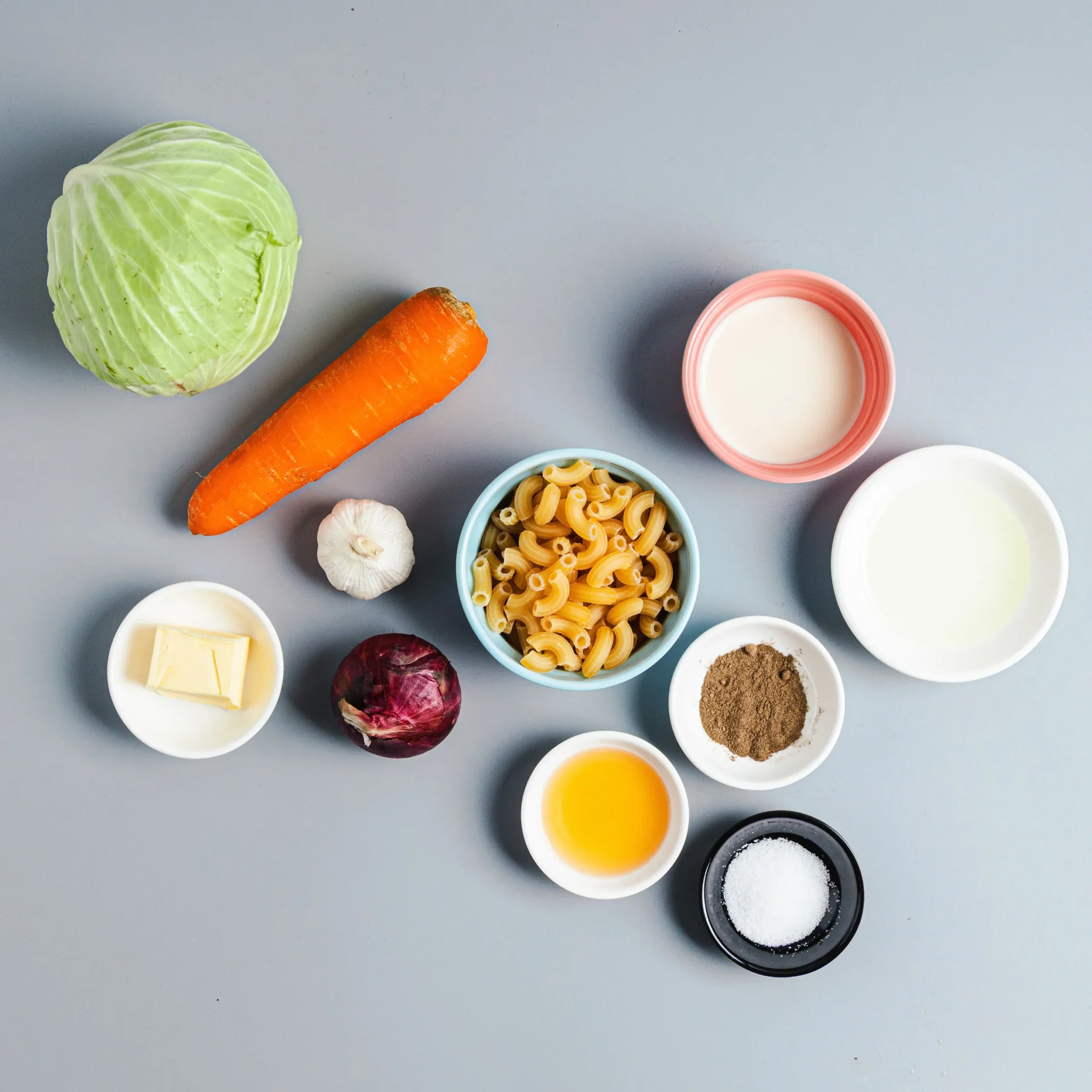
Ingredient Substitutions
One reason sopas is so popular in Filipino homes is that it is easy to adapt.
Chicken
You can substitute chicken with:
- Leftover roasted chicken
- Rotisserie-style chicken
- Turkey
- Cooked shredded pork
- Cooked ground meat
If using already-cooked meat, add it later in the cooking process so it does not become dry.
Milk
Evaporated milk can be replaced with:
- Whole milk
- Low-fat milk
- Unsweetened evaporated milk
- Unsweetened plant-based milk
For a richer version, part of the milk can be replaced with cream.
Avoid sweetened condensed milk because its sweetness is very different from evaporated milk.
Chicken Stock
You can use:
- Homemade chicken stock
- Store-bought chicken broth
- Chicken bouillon dissolved in water
- Vegetable stock for a different variation
If using bouillon or a salty commercial stock, adjust the added salt carefully.
Butter
Butter can be replaced with:
- Neutral cooking oil
- Olive oil
- Margarine
Butter gives a richer flavor, while oil creates a more neutral soup.
Cabbage
If cabbage is unavailable, try:
- Napa cabbage
- Bok choy
- Pechay
- Kale
- Spinach
Leafy vegetables should generally be added closer to the end of cooking.
Carrot
Carrot can be replaced with other vegetables such as:
- Corn
- Green peas
- Green beans
- Diced bell pepper
These substitutions will change the appearance and flavor slightly but can still work well.
Fish Sauce
If you do not have fish sauce, you can simply omit it or use a little soy sauce for additional umami.
Remember that soy sauce can also be salty, so add it gradually.
Different Ways to Customize Sopas
Sopas is very adaptable, and Filipino households often have their own versions.
Creamier Sopas
Increase the amount of evaporated milk or add a small amount of cream.
Vegetable-Heavy Sopas
Add more cabbage, carrots, peas, corn, or other vegetables.
Hotdog Sopas
Sliced hotdogs are a familiar addition in many Filipino-style versions, particularly for children.
Ham Sopas
Diced cooked ham can add a smoky, savory flavor.
Spicy Sopas
For a little heat, add chopped chili peppers or a small amount of chili oil when serving.
Extra-Savory Sopas
A small amount of fish sauce can deepen the flavor.
Just remember that fish sauce is potent, so it is better to add it gradually.
What Makes Sopas Comfort Food?
Comfort food is not only about nutrition.
It is also about familiarity.
For many people, sopas is connected with memories of family members preparing food in the kitchen, eating something warm on a rainy day, or being served a bowl when they were sick or tired.
Its soft texture also makes it easy to eat.
The warm broth, tender chicken, creamy milk, and soft pasta create a combination that feels gentle and satisfying.
This is one reason sopas continues to be a popular home-cooked dish despite its relatively simple ingredients.
Nutrition and Health Benefits
Chicken sopas can provide several useful nutrients, although its overall nutritional profile depends on the ingredients and portion size.
Protein from Chicken
Chicken provides high-quality protein, which the body uses for maintaining and repairing tissues.
Chicken breast is generally leaner, while chicken thigh contains more fat and tends to be richer in flavor.
Vegetables Provide Fiber and Micronutrients
Carrots and cabbage add fiber and various vitamins and minerals.
Eating vegetables as part of a meal contributes to overall dietary variety.
Milk Provides Nutrients
Milk and evaporated milk provide protein, calcium, and other nutrients.
The exact nutritional content depends on the specific milk products used.
Carbohydrates from Macaroni
Macaroni provides carbohydrates, which are an important source of energy.
Because sopas contains both pasta and dairy, portion size can be adjusted depending on individual dietary needs.
Health Considerations
Although sopas can be nutritious, it can also become relatively high in sodium and calories depending on the amount of salt, fish sauce, stock, butter, and milk used.
For a lighter version, you can:
- Use skinless chicken.
- Increase the amount of vegetables.
- Use a lower-sodium chicken stock.
- Reduce fish sauce.
- Use less butter.
- Choose lower-fat milk if desired.
- Keep portions of macaroni moderate.
For people who need to follow a specific diet because of a medical condition, the recipe can be adjusted according to advice from a qualified healthcare professional.
How to Store Sopas Properly
Sopas is delicious when freshly made, but storing it requires a little extra attention because the macaroni continues absorbing liquid after cooking.
Refrigerating Sopas
Allow the soup to cool somewhat after cooking, then transfer it into clean, shallow, airtight containers.
Refrigerate promptly rather than leaving the soup at room temperature for an extended period.
For best quality, refrigerated leftovers should generally be consumed within 3–4 days.
Why Does Sopas Become Thick in the Refrigerator?
This is completely normal.
The macaroni continues absorbing the broth while the soup cools.
As a result, leftover sopas can become much thicker than freshly cooked sopas.
This does not necessarily mean the soup has gone bad.
How to Reheat Sopas
Place the desired portion in a saucepan.
Add a small amount of:
- Chicken stock
- Water
- Milk
Stir gently while heating over medium-low heat.
The added liquid helps restore the soup’s original consistency.
If using a microwave, place the soup in a microwave-safe container and heat it in intervals, stirring between intervals when practical.
Heat the portion thoroughly before eating.
Avoid repeatedly reheating the entire batch. Reheat only the amount you plan to consume.
Can Sopas Be Frozen?
Yes, but freezing can affect the texture of the macaroni.
The pasta may become softer after freezing and thawing.
If you specifically plan to freeze sopas, one approach is to cook and freeze the chicken and broth separately from freshly cooked macaroni. The pasta can then be prepared when you are ready to serve the soup.
If freezing the completed dish, store it in a suitable airtight freezer-safe container and leave some room for expansion.
Label the container with the date.
Serving Suggestions
Sopas can be enjoyed as a complete light meal or served as part of a larger spread.
You can pair it with:
- Toasted bread
- Pandesal
- Crackers
- Garlic bread
- A simple vegetable side
- Fresh fruit
For breakfast or merienda, a warm bowl of sopas can be surprisingly satisfying.
For lunch or dinner, it can serve as the main dish.
Final Words
Filipino Chicken Sopas may not be the most complicated dish in Filipino cuisine, and perhaps that is exactly why it has remained so beloved.
It does not require expensive ingredients or complicated techniques. Instead, it takes familiar ingredients—chicken, macaroni, milk, vegetables, garlic, and onion—and turns them into something warm and comforting.
Its history also reflects the character of Filipino food itself. Influences from different cultures have been adapted over generations and transformed into dishes that feel completely at home in Filipino kitchens.
Every family can make sopas differently. One person may prefer it thick and creamy. Another may want a lighter broth. Someone might add hotdogs, ham, or extra vegetables. Another may keep it simple with chicken, macaroni, cabbage, and carrots.
There is no need for every bowl to taste exactly the same.
The beauty of sopas is in its flexibility and familiarity. It is the kind of food that can be adjusted according to what you have, what you like, and who you are cooking for.
And perhaps that is what makes a simple bowl of sopas so meaningful. It is not just macaroni in creamy broth. It is a dish associated with warmth, care, family, and home.
When the weather is cold, when someone in the family needs something comforting, or when you simply want an uncomplicated homemade meal, a steaming bowl of Chicken Sopas is always a welcome sight at the table.