
Advertisement
Advertisement

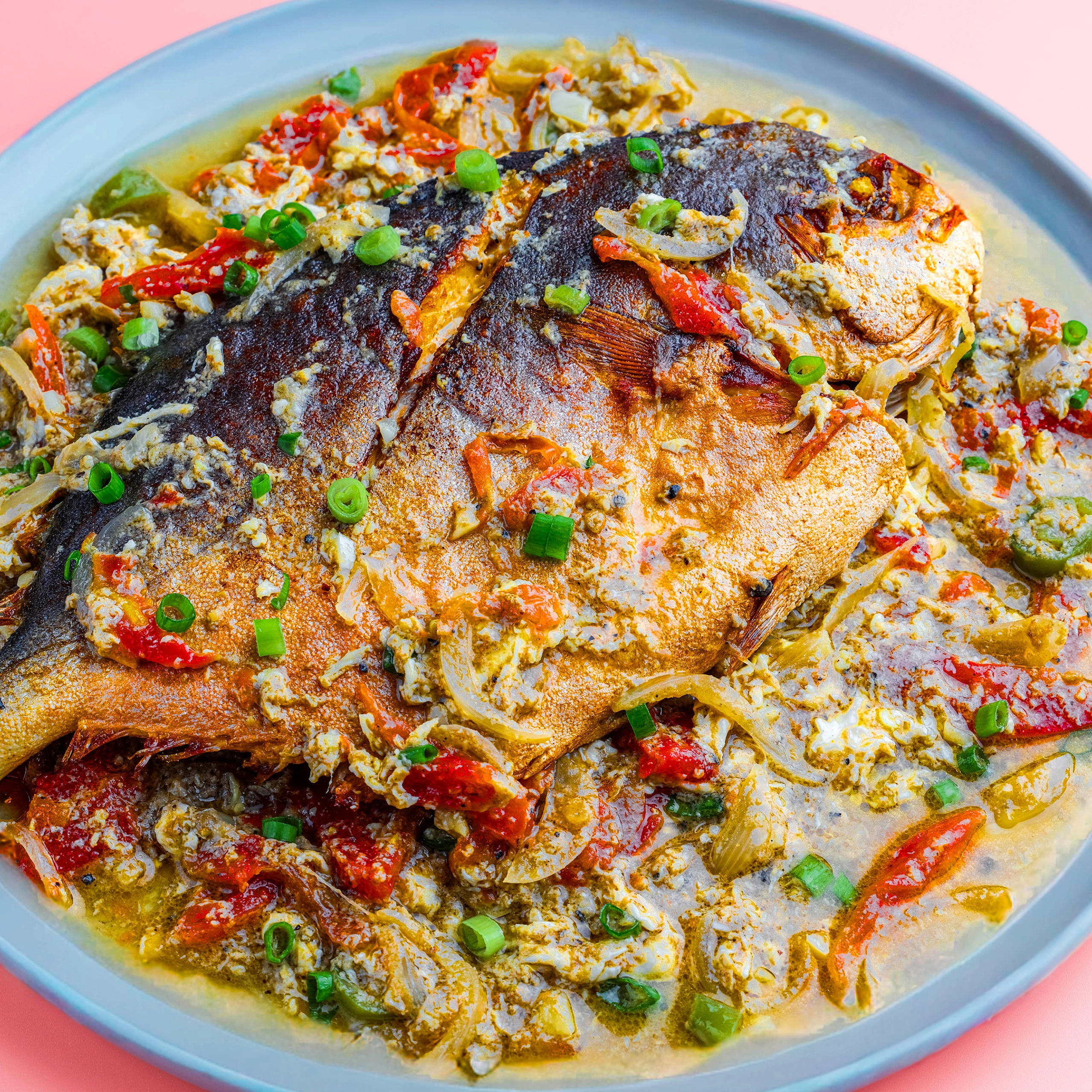
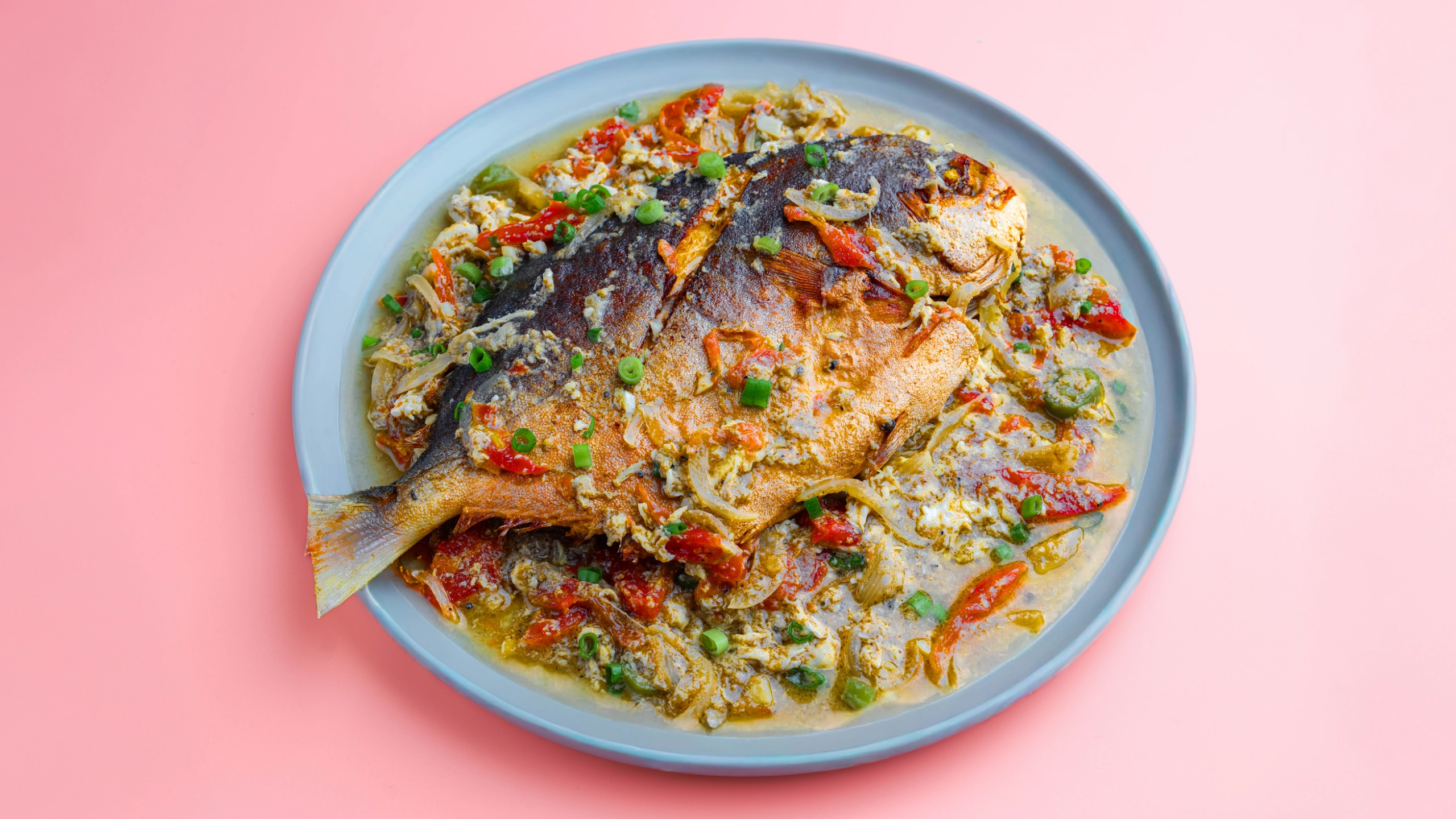
Sarciadong Isda with Ginamos Recipe

Tired of the usual sarciado? Kick it up a notch with this umami-rich paste.
PHOTO: KIERAN PUNAY
YIELDS:
3 SERVING(S)
Prep Time:
15 MINS
Total Time:
30 MINS
Cal/Serv:
717

Nutritional Information

Calories 717 kcal
Fat 44 g
Saturated fat 13 g
Trans fat 0 g
Cholesterol 278 mg
Sodium 272 mg
Carbohydrates 9 g
Fiber 2 g
Sugar 4 g
Protein 68 g
Vitamin D 38 µg
Calcium 122 mg
Iron 3 mg
Potassium 1596 mg

Note: The information shown is Edamam's estimate based on available ingredients and preparation. It should not be considered a substitute for a professional nutritionist's advice.

What is sarciado?

Stemming from the word salsa, which, in English means sauce, sarciado (or sarsiado) basically means serving something with sauce. In the Philippines, this dish typically comes in the form of a fish that’s cloaked in tomatoes, garlic, onions and to add thickness, eggs. People usually turn to this recipe when they have leftover fish as it’s the perfect way to serve it in a new form.

Recipe Tip

Prep the fish properly. Clean and gut thoroughly. Pat it dry with paper towels (this is key for crispiness). Score the sides (2–3 shallow cuts) so it cooks evenly. Season simply. Rub with salt and pepper inside and out. Optional: add garlic, calamansi, or a light soy sauce rub. Let it sit for 10–15 minutes before frying. Dust lightly with flour or cornstarch. This helps create a crispy crust and prevents sticking

Ingredients

  • 1 Kilogram pompano fish
  • 2 Tablespoon cooking oil for sauté
  • 3 Clove garlic, minced
  • 1 Medium onion, sliced
  • 1 Large tomatoes, sliced
  • 2 Tablespoon fermented fish paste (ginamos)
  • 1 Cup water
  • 2 Piece eggs, beaten
  • 0.25 Cup chopped spring onion
  • Salt and pepper, to taste
  • Sliced spring onion for garnish
Keep screen awake

Directions

Step 1

Rinse your fish thoroughly and pat dry. Remove scales, guts, or any unwanted parts. Cleaning the fish properly ensures a fresh, pleasant taste and helps it fry evenly.

Step 2

Heat cooking oil in a pan over medium heat. Fry the cleaned fish until cooked and golden brown on the outside. Once cooked, carefully remove the fish and set it aside.

Step 3

Using the same pan, remove some of the oil, leaving 2 tablespoons to sauté the garlic and onion until fragrant and the onions are soft. This step absorbs any leftover flavor from frying the fish, adding depth to the dish.

Step 4

Add the chopped tomatoes to the pan and cook until they soften and release their natural juices.

Step 5

Stir in the fermented fish paste (ginamos) and water. Simmer gently for about 3 minutes to blend the flavors.

Step 6

Carefully place the fried fish back into the pan, spooning some of the tomato-ginamos sauce over it.

Step 7

If you like a touch of sweetness, add a small amount of sugar to balance the flavors. Slowly pour beaten eggs over the fish while stirring gently. Cook just until the eggs set lightly—this creates a silky, rich layer that coats the fish without overpowering it. Sprinkle with spring onion.

Step 8

For more layers of flavor, you can opt to add sliced chili for gentle heat and drizzle with calamansi juice or vinegar for a bright, tangy finish.

sarciado pampano delicious recipe local
PHOTO: ED SIMON

Frequently Asked Questions

To maintain a pleasant texture, ensure the fish is fried until exceptionally crispy in Step 2. Add the fish back to the pan only during the final minute of simmering and avoid over-stirring. For the best results, spoon the tomato-ginamos sauce over the fish just before serving to preserve the contrast between the crunchy skin and the silky egg sauce.

If you cannot find traditional Visayan ginamos, the closest substitute is bagoong alamang (shrimp paste) or a high-quality fermented fish sauce. Because ginamos has a distinct, pungent saltiness, start with a smaller amount and adjust to taste. You may also add a splash of fish sauce (patis) to replicate that deep, umami-rich profile characteristic of the original dish.

Rubbery eggs usually result from high heat or overcooking. To achieve a “silky” texture, lower the heat before pouring the beaten eggs and stir very gently in a folding motion. Remove the pan from the heat source as soon as the eggs begin to set; the residual heat from the tomatoes and fish will finish cooking them perfectly without toughening the proteins.

While best enjoyed fresh, you can store leftovers in an airtight container in the refrigerator for up to two days. When reheating, use a stovetop pan over low heat and add a tablespoon of water to loosen the sauce. Avoid the microwave if possible, as it can make the fish skin chewy and cause the delicate egg ribbons to become dry.

Balancing the intense salinity of ginamos is easily achieved by following Step 7 and adding a pinch of sugar. Additionally, the acidity from extra tomatoes or a squeeze of calamansi juice works wonders to cut through the salt. If the sauce is still too heavy, stir in two tablespoons of water or unsalted chicken broth to dilute the intensity without losing the dish’s savory depth.

5 1 vote
Total of Ratings
guest
Rating
Ratings for Article
1 Comment
Oldest
Newest Most Voted
Inline Feedbacks
View all comments
Archie Carrasco
Archie Carrasco
1 month ago
Rating :
     

❤️❤️❤️

Advertisement

To provide a customized ad experience, we need to know if you are of legal age in your region.

By making a selection, you agree to our Terms & Conditions.