
Advertisement

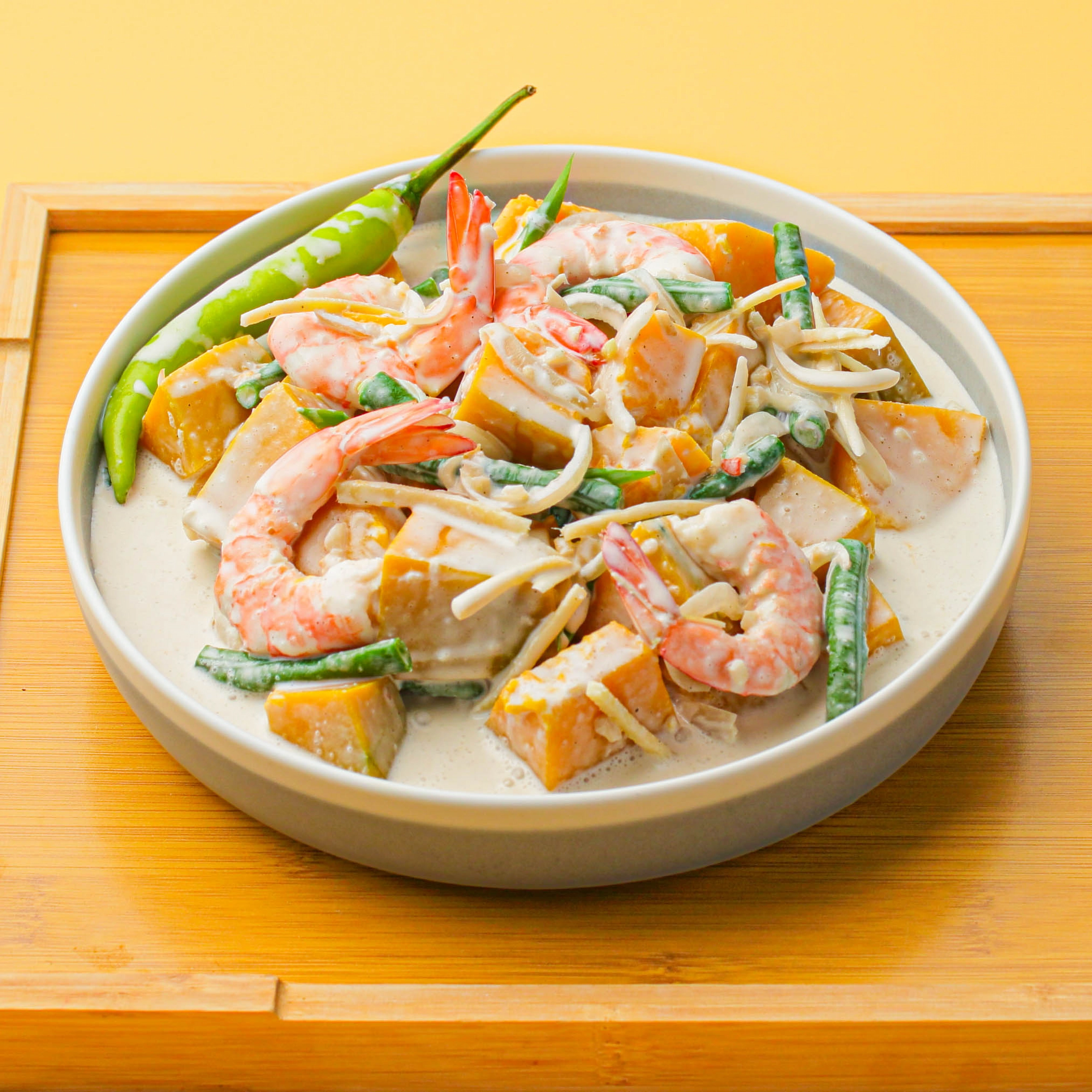
Ginataang Kalabasa Recipe (Squash in Coconut Milk)

PHOTO: PAT MATEO
YIELDS:
2 SERVING(S)
Prep Time:
15 MINS
Total Time:
40 MINS
Cal/Serv:
143

Nutritional Information

Calories 287 kcal
Fat 15 g
Saturated fat 1 g
Trans fat 0 g
Cholesterol 23 mg
Sodium 1177 mg
Carbohydrates 37 g
Fiber 6 g
Sugar 6 g
Protein 7 g
Vitamin D 0 µg
Calcium 131 mg
Iron 3 mg
Potassium 1110 mg

Note: The information shown is Edamam's estimate based on available ingredients and preparation. It should not be considered a substitute for a professional nutritionist's advice.

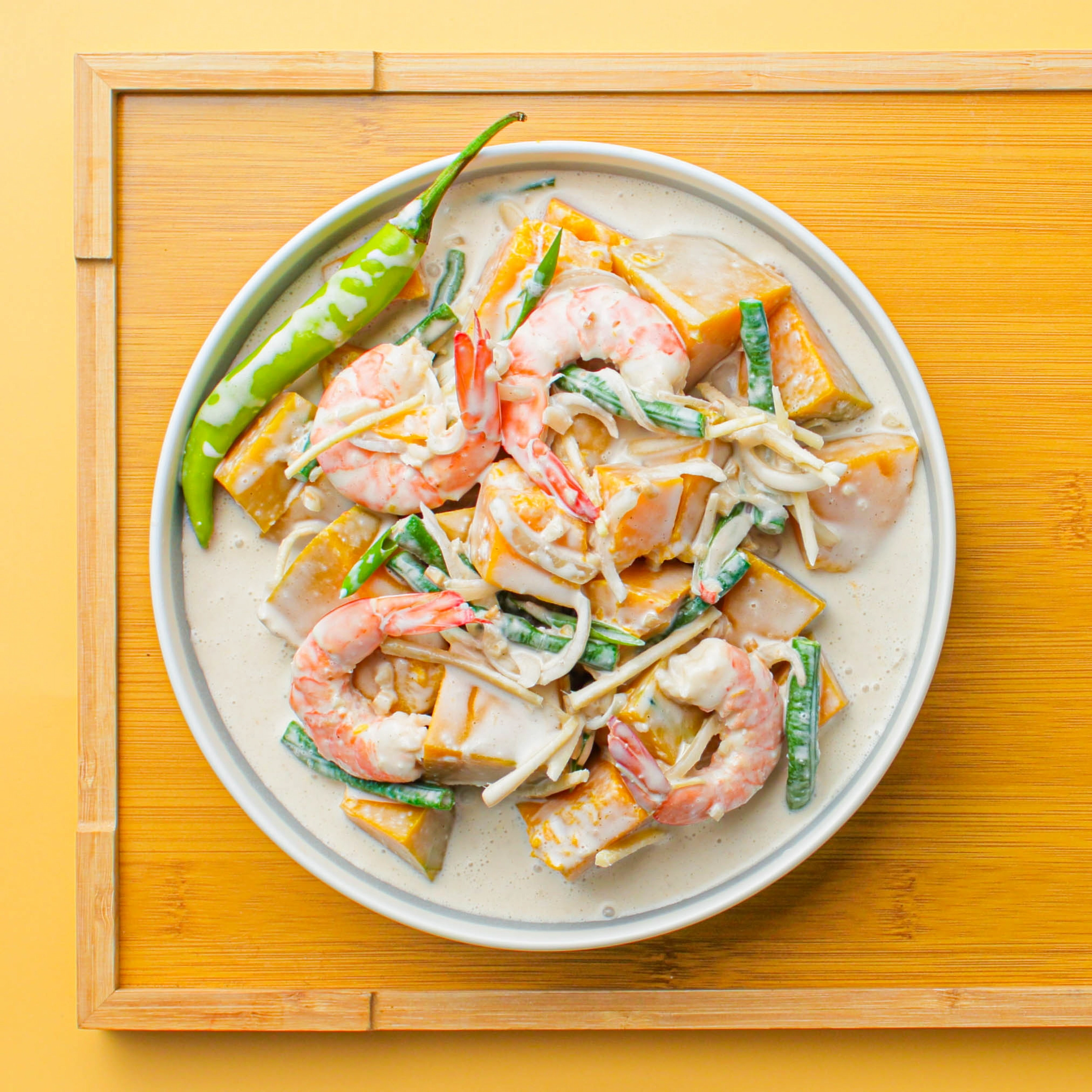
Ginataang kalabasa is a classic Filipino vegetable stew featuring local squash (kalabasa) and string beans (sitaw) cooked in coconut milk. Both vegetables are commonly found in local wet markets and supermarkets, making this a simple yet hearty, healthy and budget-friendly dish that can be made in just a few minutes.

This recipe includes shrimp, but it can be easily made vegetarian by excluding the use of any meat or seafood.

Recipe Tips

  • Cut the squash evenly. Keep the vegetable pieces uniformly sized so they cook at the same rate. Uneven sizes lead to overcooking which will turn the squash mushy and falling apart. The squash should be cooked through enough but still hold its shape and retain a little “bite” to it.
  • Add the vegetables in stages. Like most vegetable dishes, it’s important to keep in mind that vegetables have different cooking times. Harder vegetables like carrots and potatoes take longer to cook, while softer ones like zucchini and eggplant only take a few minutes to be cooked. Some leafy greens take only a few minutes to cook and are better served still vibrantly green.
  • Don’t overboil after adding the coconut milk. Boiling the coconut milk will thicken it too fast, dry out the sauce, or worse, separate from its natural oil. Instead, lower the heat to a gentle simmer. Strong bubbling can also break soft vegetables like squash (or eggplant).
  • Avoid constant stirring. Remember to stir only when necessary. Too much movement and mixing can weaken the vegetables and cause them to break apart.
  • Season towards the end. Make sure to taste frequently when cooking this dish as the flavors may intensify as the coconut milk reduces.

What To Serve This With

Aside from serving this with freshly cooked rice, ginataang kalabasa pairs well with fried or grilled fish or pork.

Ingredients

  • 3 Cup squash (kalabasa),
  • 1 Cup string beans (sitaw)
  • 2 Tablespoon cooking oil
  • 3 Clove garlic, minced
  • 1 Small onion, chopped
  • 1 thumb ginger, julienne
  • 400 Milliliter coconut milk
  • 1.5 Tablespoon fish sauce
  • 1 Piece long green chili
  • 6 Piece shrimps, deveined and shells removed
  • Salt and pepper to taste
Keep screen awake

Directions

Step 1

Peel and cut the squash (kalabasa) into bite-sized cubes. Cut the string beans (sitaw) into 2–3 inch pieces.

Step 2

Heat cooking oil in a pan or pot over medium heat. Add garlic and sauté until fragrant. Add onion and cook until translucent. Add ginger and sauté for another minute.

Step 3

Pour in the coconut milk and bring to a gentle boil. Lower the heat and let it simmer for about 5 minutes.

Step 4

Add the squash (kalabasa) and cook for about 10-15 minutes or until it starts to soften. Add the string beans (sitaw).

Step 5

Add fish sauce and stir. Add the shrimps and cook until it starts to turn pink. Add the long green chili. Season with salt and pepper to taste. Let simmer for a few more minutes until the sauce thickens slightly.

kalabasa ginataang kalabasa string beans sitaw hipon shrimp coconut milk gata
PHOTO: PAT MATEO

Alexander Villarante

Recipe Developer

Alexander Villarante is a passionate culinary professional with more than 15 years of experience in the hospitality industry, having built his career in prestigious five-star luxury hotels abroad. He studied Culinary Arts at the Singapore Boston Business School, where he developed a strong foundation in both classical and modern culinary techniques. Throughout his career, he has worked alongside talented chefs from diverse cultural backgrounds, refining his skills and gaining extensive experience in creating exceptional dining experiences. His dedication to excellence has earned him recognition in the competitive culinary scene. Alexander participated in the Philippine Culinary Cup, where he received several citations for his creativity, technical expertise, and commitment to his craft. These achievements reflect his passion for continuous learning and his pursuit of culinary excellence.


Frequently Asked Questions

This recipe typically uses the green-skinned squash (kalabasa) commonly found in local markets and groceries. You may occasionally find butternut squash, which may also be used for this recipe. Keep in mind, however, that butternut squash cooks faster so watch your cooking time closely to avoid overcooking.

You can use pork or even tofu as a substitute or alternative to shrimp. If using pork, fry the pork in a little oil first to release its juices and flavor before sauteing the garlic, onion and ginger. This adds a layer of flavor to your ginataang kalabasa.

If using tofu in place of shrimp, add this last as tofu needs only a few minutes to cook.

To avoid your ginataang kalabasa from becoming watery, make sure to give it enough time to simmer uncovered to allow the water from the squash or shrimp to evaporate.

You can also mash some of the squash and mix it in with the sauce to thicken it slightly for a richer sauce.

To avoid uneven cooking of the squash and sitaw, make sure to cut the vegetables uniformly. Cutting them into the same sizes gives the vegetables equal time to cook thoroughly, too.

5 1 vote
Total of Ratings
guest
Rating
Ratings for Article
1 Comment
Oldest
Newest Most Voted
Archie Carrasco
Archie Carrasco
3 months ago
Rating :
     

Love this!!!

To provide a customized ad experience, we need to know if you are of legal age in your region.

By making a selection, you agree to our Terms & Conditions.