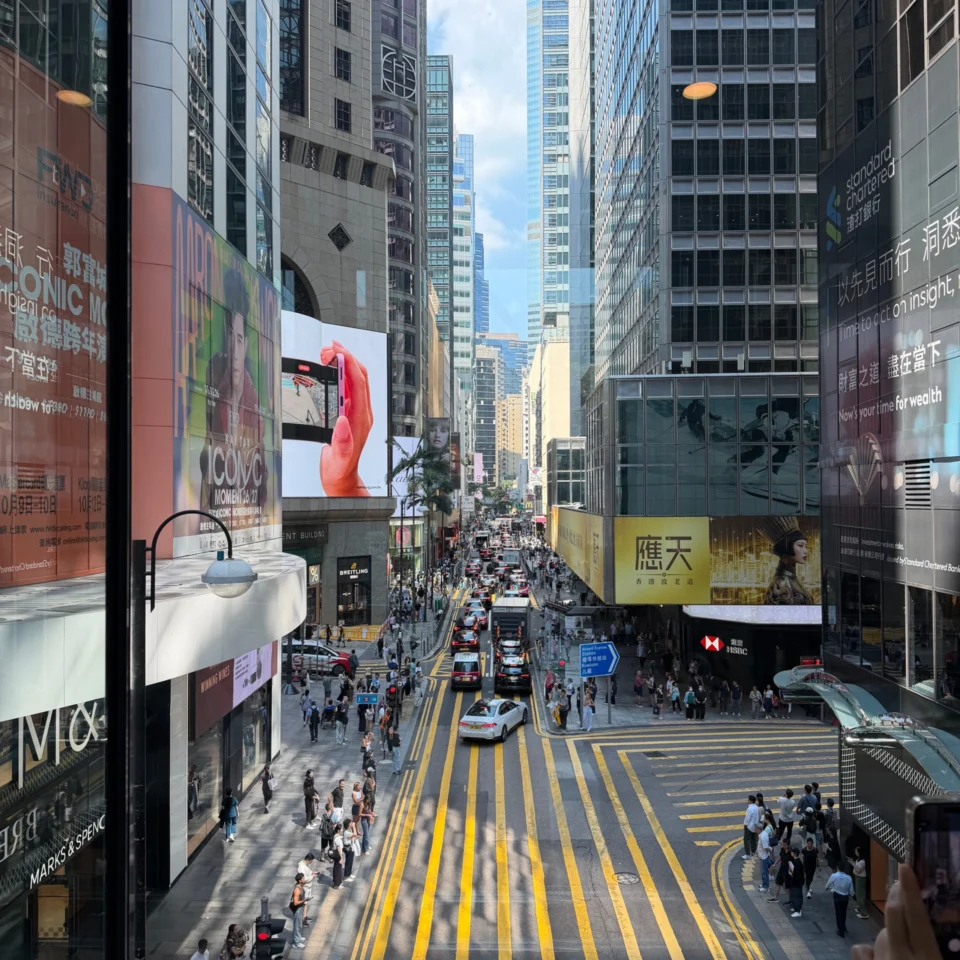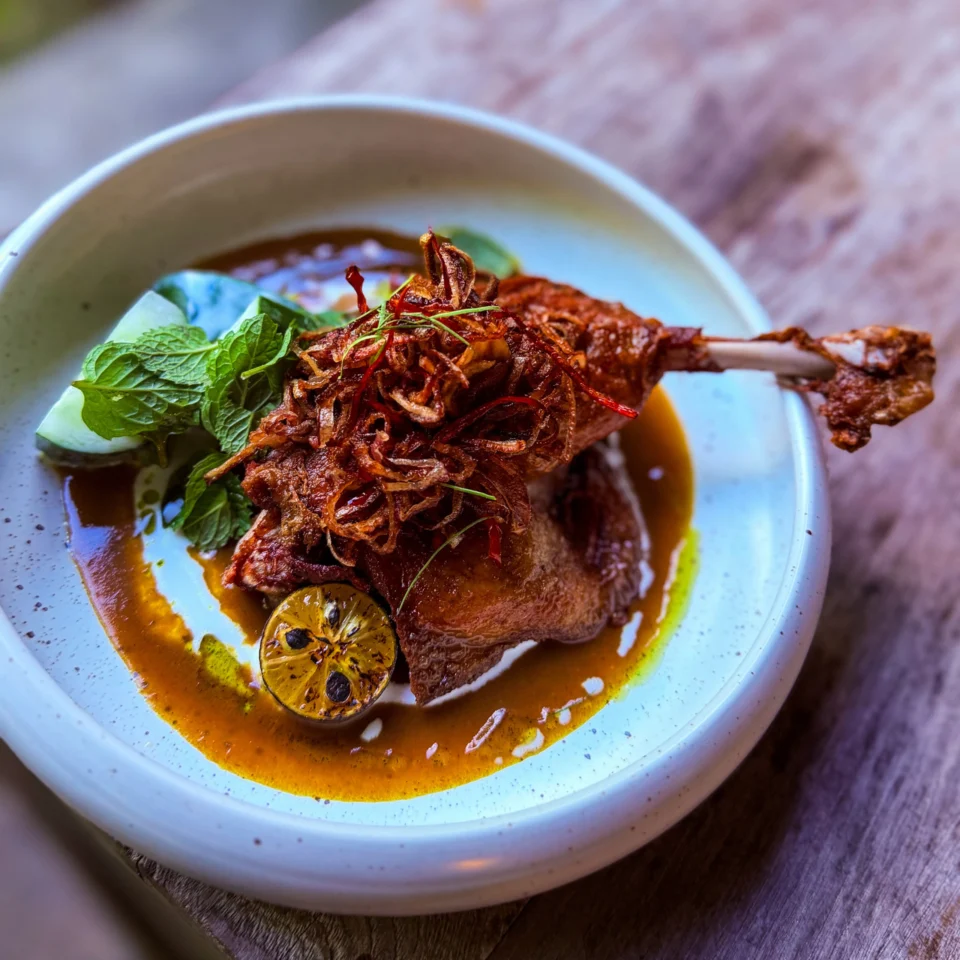



When people talk about travelling to their dream destinations, their itineraries usually consist of visiting famous landmarks, staying at luxury hotels, or dining at trendy restaurants. But in 2026, grocery store tourism is the quirky travel trend winning over adventurous tourists all over the world. Yes, you read that right: travellers aren’t just exploring the same old destinations—they’re also adding supermarkets, corner stores, and other local food markets to their vacation plans.
And it makes sense, because walking into a foreign country’s grocery store feels like entering a mini cultural theme park with aisles packed with little clues about how locals live, eat, celebrate, and snack. From mysterious chip flavors to strange-looking fruits and colorful drinks and candies, these groceries turn boring souvenir shopping into an experience that feels like a scene from Indiana Jones or Lara Croft.
Why Local Supermarket Aisles Appeal to Travelers
But let’s be honest, the excitement doesn’t just come from stepping into these stores—a good chunk of it actually comes from the snacks themselves. Japan might have bright green matcha or wasabi-flavored items, while in Korea entire aisles might be dedicated to tteokbokki, kimchi, or almonds.
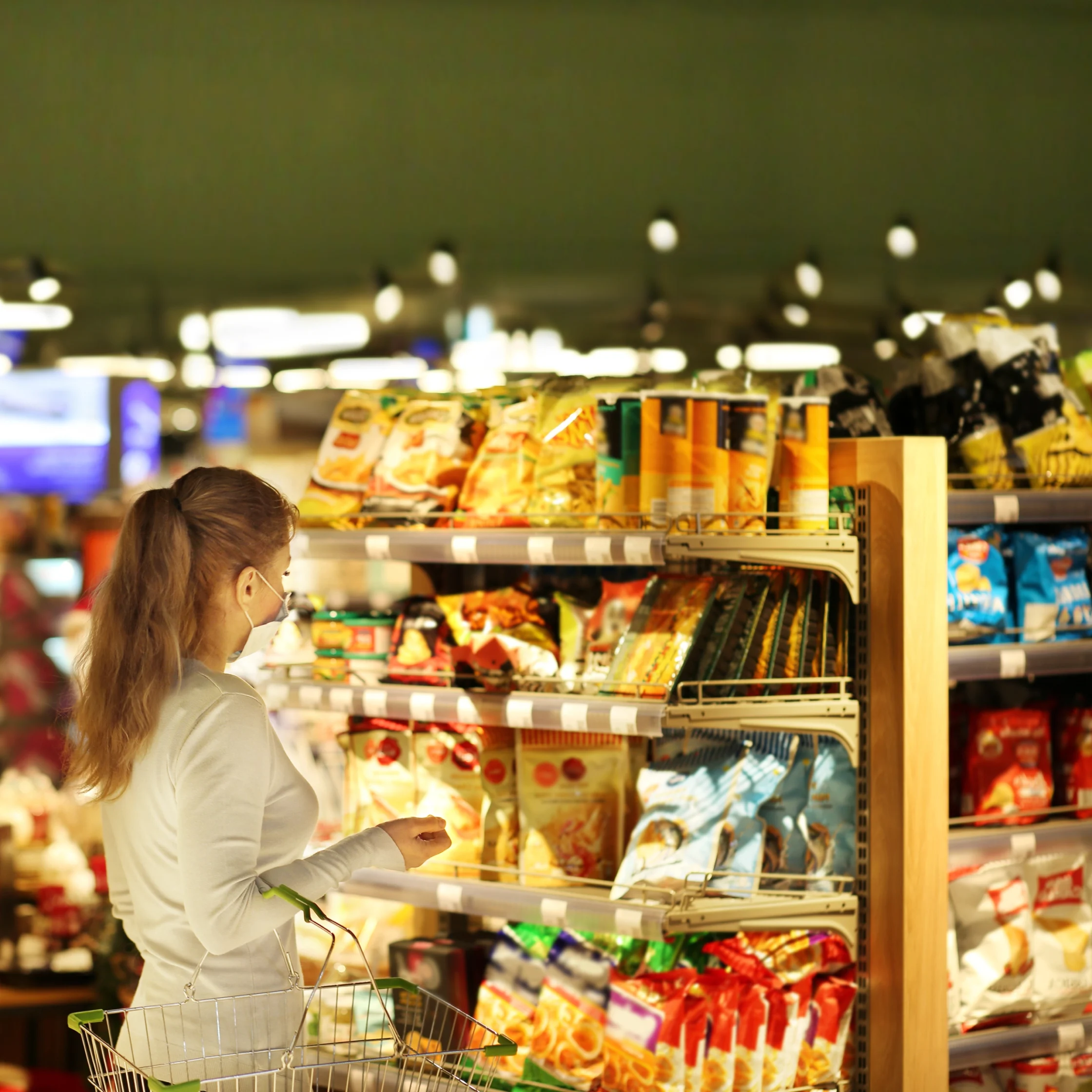
Trying these is part of the adventure overseas. Some discoveries are delicious, while others might cause feelings of confusion. But that’s exactly what makes it fun, and at the end of the day, grocery store tourists almost always leave with bags full of random treats they can’t pronounce but absolutely love.
That’s because unlike tourist attractions, these grocery stores are actually for the locals, effectively making them snapshots of everyday life. Here you see families shopping for dinner, workers grabbing lunch, and shoppers carefully inspecting vegetables like professional food critics. And their choices say a lot about their country’s culture in ways that famous spots aren’t always capable of doing.
How Open-Air Food Markets Create Unique Memories
For many travelers, open-air food markets are the ultimate grocery tourism experience. They’re lively, loud, colorful, and sometimes wonderfully chaotic with vendors shouting out prices, customers bargaining, and the smell of fresh spices, grilled meat, and baked bread dancing in the air.
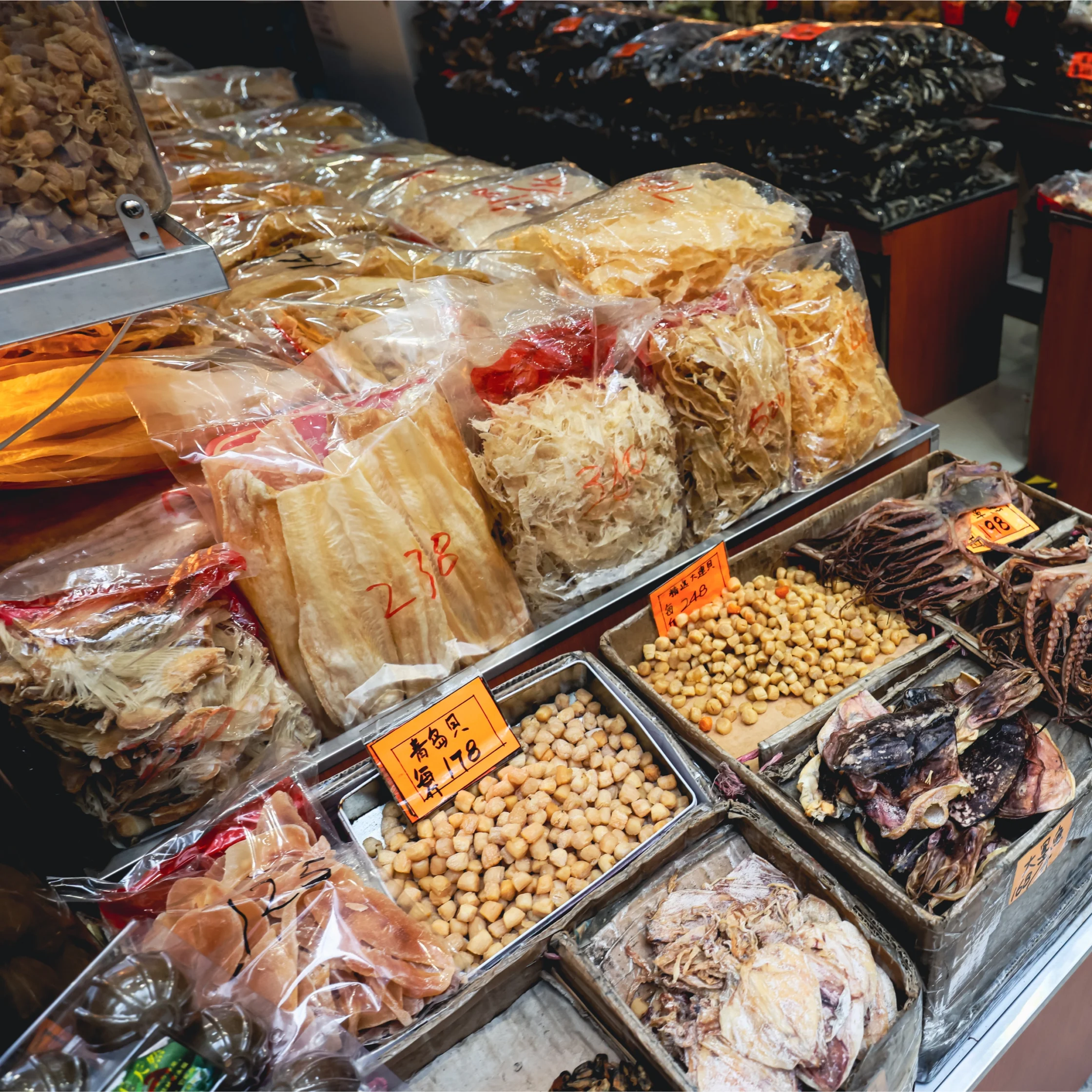
While these are spaces for discovering great food, they actually offer more. They create memories and moments because turning a corner might mean encountering a fruit you never knew existed, or meat you didn’t know was edible. You might also discover an heirloom recipe from a local food stall. But no matter what you encounter, one thing’s for sure, spending a few hours roaming around a local market is often more unforgettable than visiting a famous monument.
Why Supermarket Souvenirs Beat Traditional Gifts
Grocery store tourism proves that travel adventures can happen in the most ordinary places. A supermarket may not appear in most guidebooks, but it can reveal more about a culture than most attractions on postcards can.
So the next time you travel, skip the expensive souvenir shop and wander into the locals’ preferred grocery store instead. You might leave with strange candy, unusual chips, and zero understanding of what you just bought, but you’ll also leave with a story worth telling—and that’s worth more than any souvenir, postcard, or photo.

Frequently Asked Questions
Grocery store tourism is a travel trend where tourists visit supermarkets, convenience stores, and local food markets to explore local culture, snacks, and everyday life.
Travelers visit grocery stores to discover local products, unique snacks, cultural food habits, and authentic experiences beyond typical tourist attractions.
Travelers can discover regional snacks, local ingredients, cooking habits, food trends, and insights into daily life in different countries.
Grocery stores reveal what locals eat daily, popular ingredients, seasonal products, and even cultural preferences through food choices and shopping habits.
Yes. Many travelers consider open-air food markets an important part of grocery store tourism because they showcase local ingredients, street food, and everyday shopping culture.
Foreign grocery stores often feature unfamiliar foods, packaging, flavors, and products that make everyday shopping feel new and adventurous for travelers.