

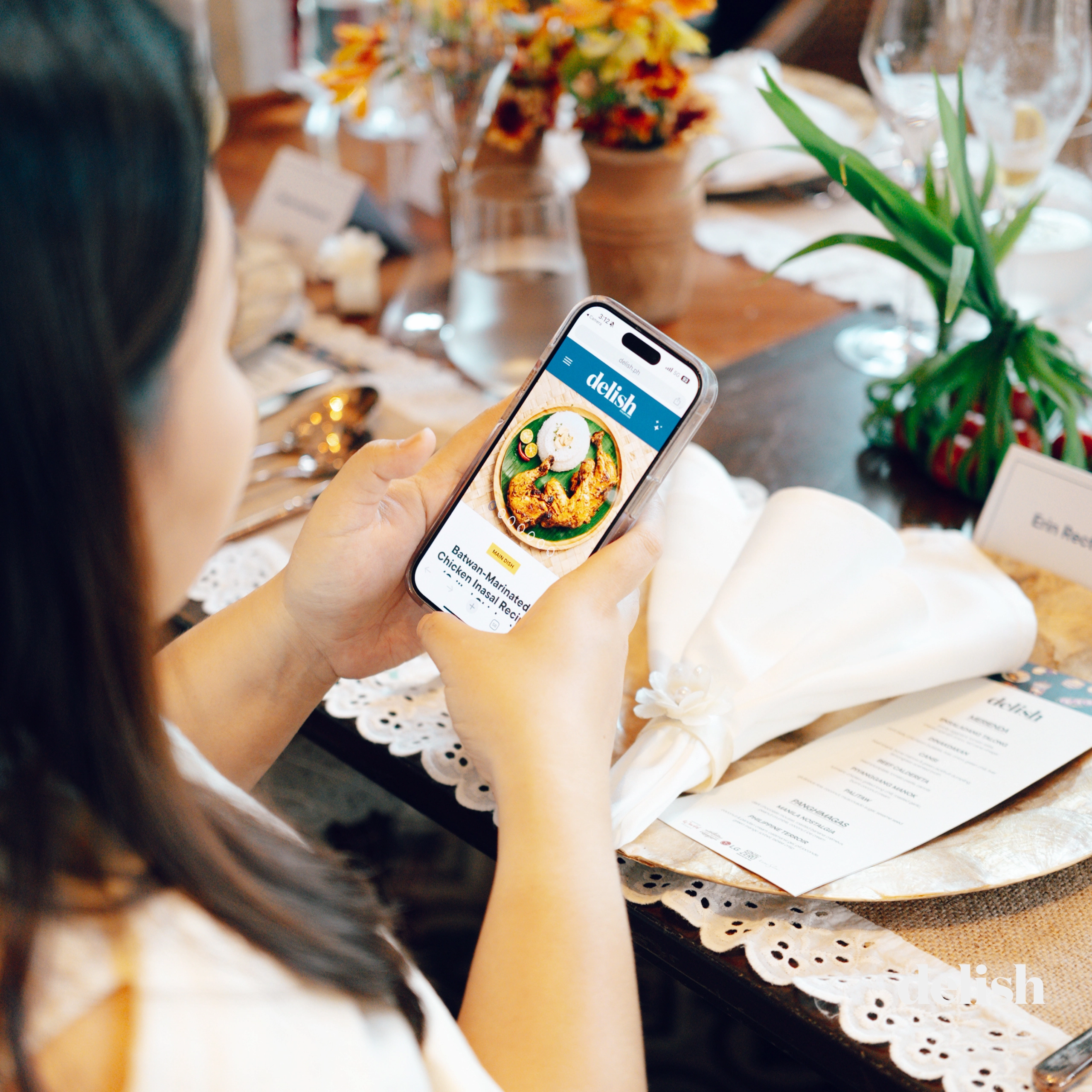
Since its relaunch in March 2015, Delish has been cooking multiple ways to make recipes more accessible and cooking more fun. But as it marks its 12th year, the food title expands its platform to the country where food is a testament to its rich culture—the Philippines.
On April 14, Delish Philippines finally launched its website and social media platforms for all things Filipino food. A smorgasbord of recipes, features, and kitchen hacks, the Filipino iteration of the Hearst-owned media brand is a new space for the uncountable gastronomical scenes from Batanes to Jolo to be one click away.
“Now, wherever you may be in the world, you can log on and cook Tinutungang Manok from Bicol, Salukara from Samar, and Ginanggang from Davao,” Angelo Comsti, Chief of Editorial Content, expressed. “My team and I have beefed up delish.ph so that everyone has something delicious to chew on.”
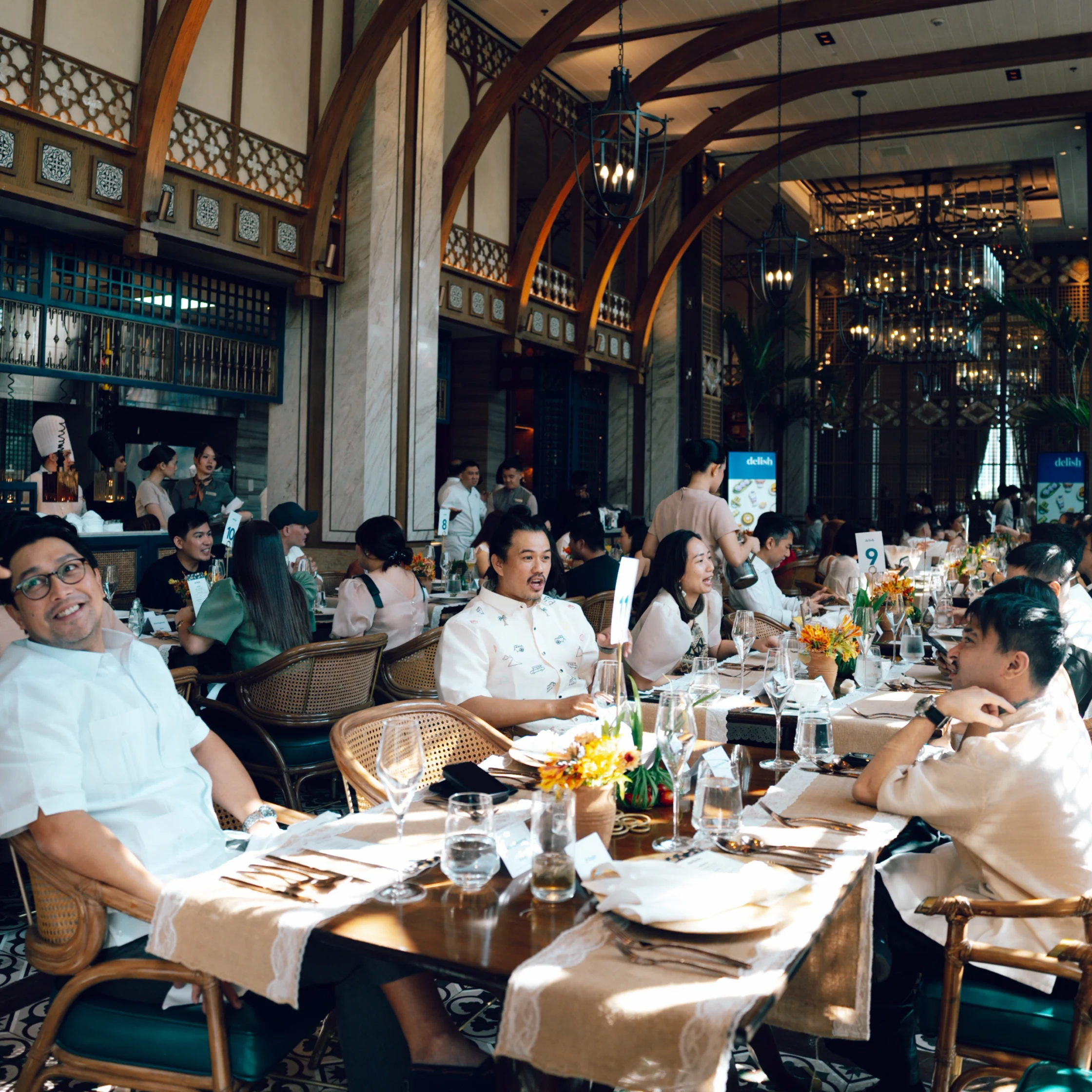
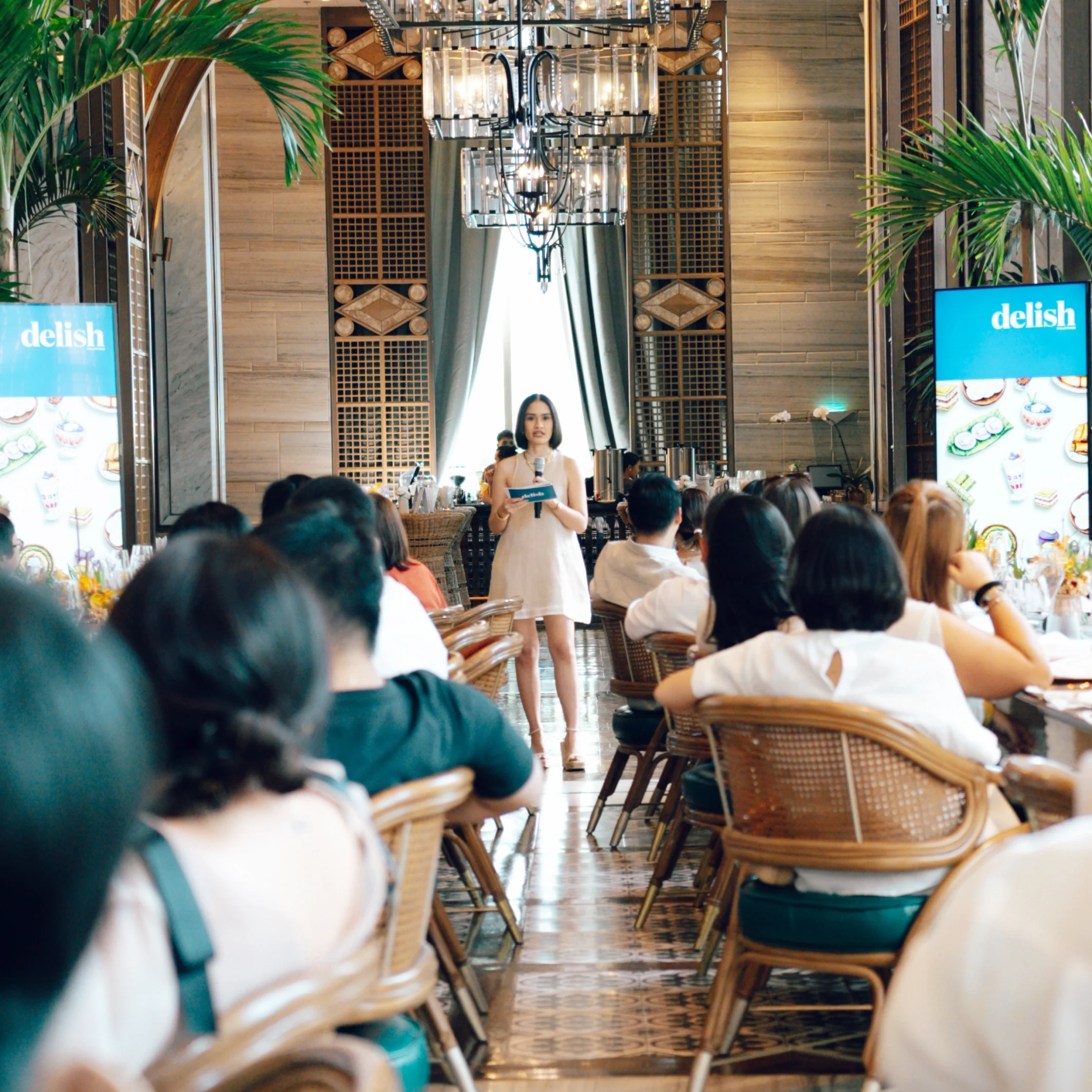
It is only fitting to set the occasion in stone at a space such as Casa Buenas, where the afternoon sun shines through the floor-to-ceiling vintanas with capiz accents, an homage to the restaurant’s fusion of Spanish and Filipino flavors. Modern iterations of more traditional architectural design, such as solihiya cushions and woven cocktail tables are a nod to what Delish offers its readers—a touch of tradition with an innovative twist.
Sustainable Partnerships and Local Produce
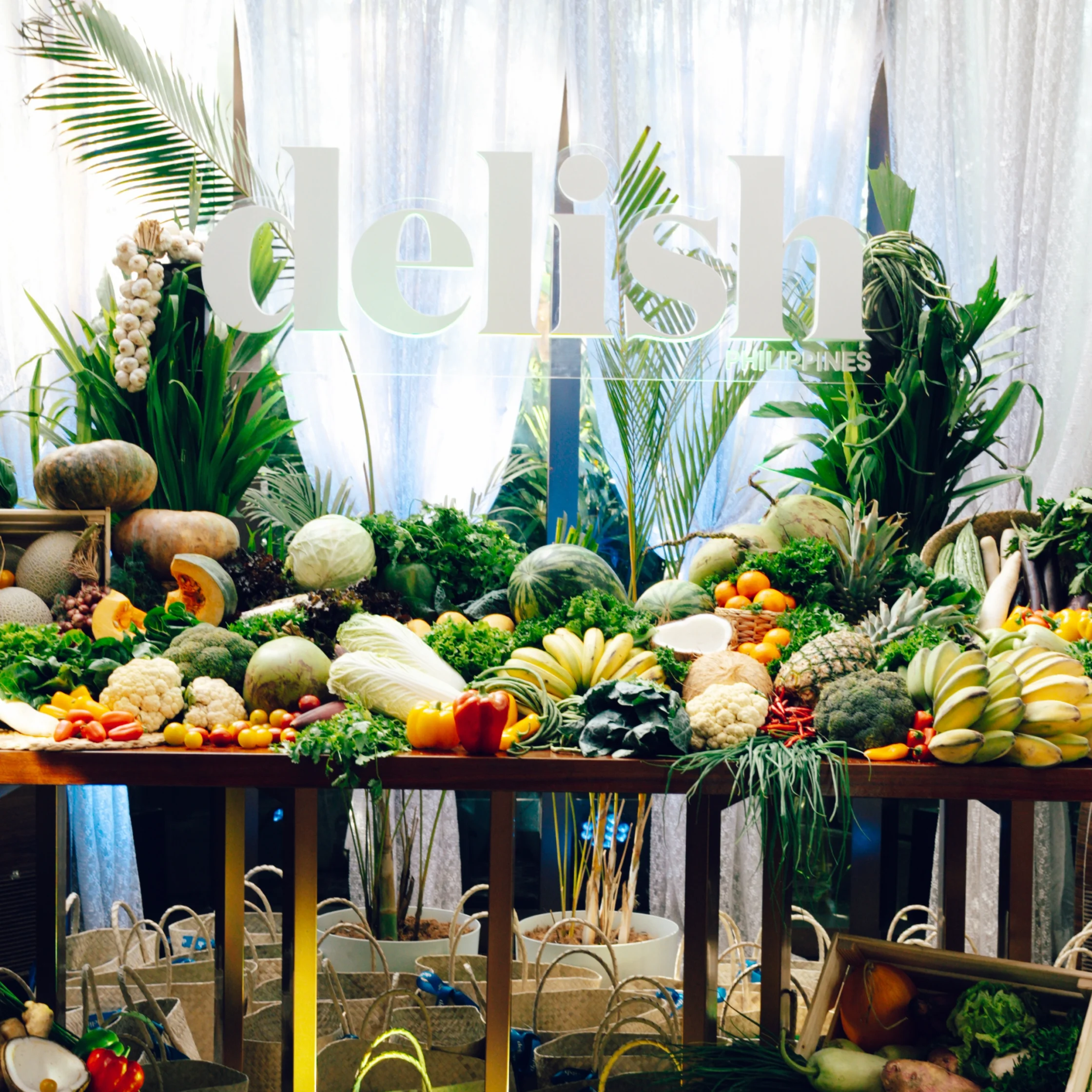
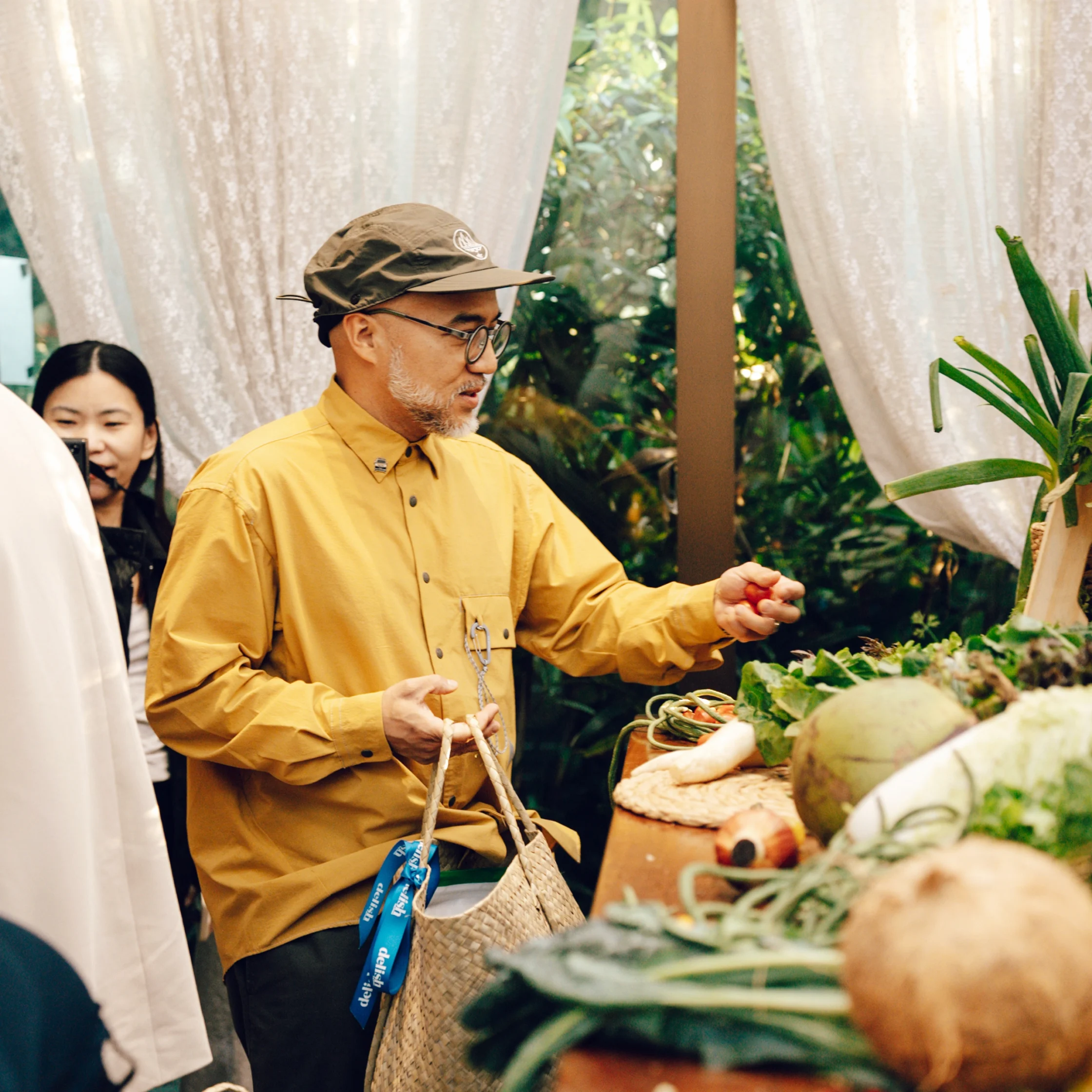
Celebrating the country’s vibrant food scene of our local produce, a fresh, colorful spread courtesy of More Veggies Please welcomed the guests, where their attendance to this milestone is captured. Towards the end of the occasion, it transformed into a contemporary marketplace where those in attendance picked their fruits and vegetables of choice to take home.
Who Attended the Delish Philippines Launch?
The launch of Delish proved to be a fun fiesta with the presence of esteemed guests who have shaped and are continuing to make their mark in the country’s food scene. Dressed in their modern Filipino attires, they filled the afternoon with warm exchanges and celebratory conversations. From culinary icons Glenda Barretto, veteran chef Myrna Segismundo, respected food writer Micky Fenix, and Michelin-starred chef Josh Boutwood, to today’s tastemaskers such as couple Amado and Carmela Fortuna Forés, and content creator Jujumao, their presence was the best part of Delish’s recipe to a delectable launch.
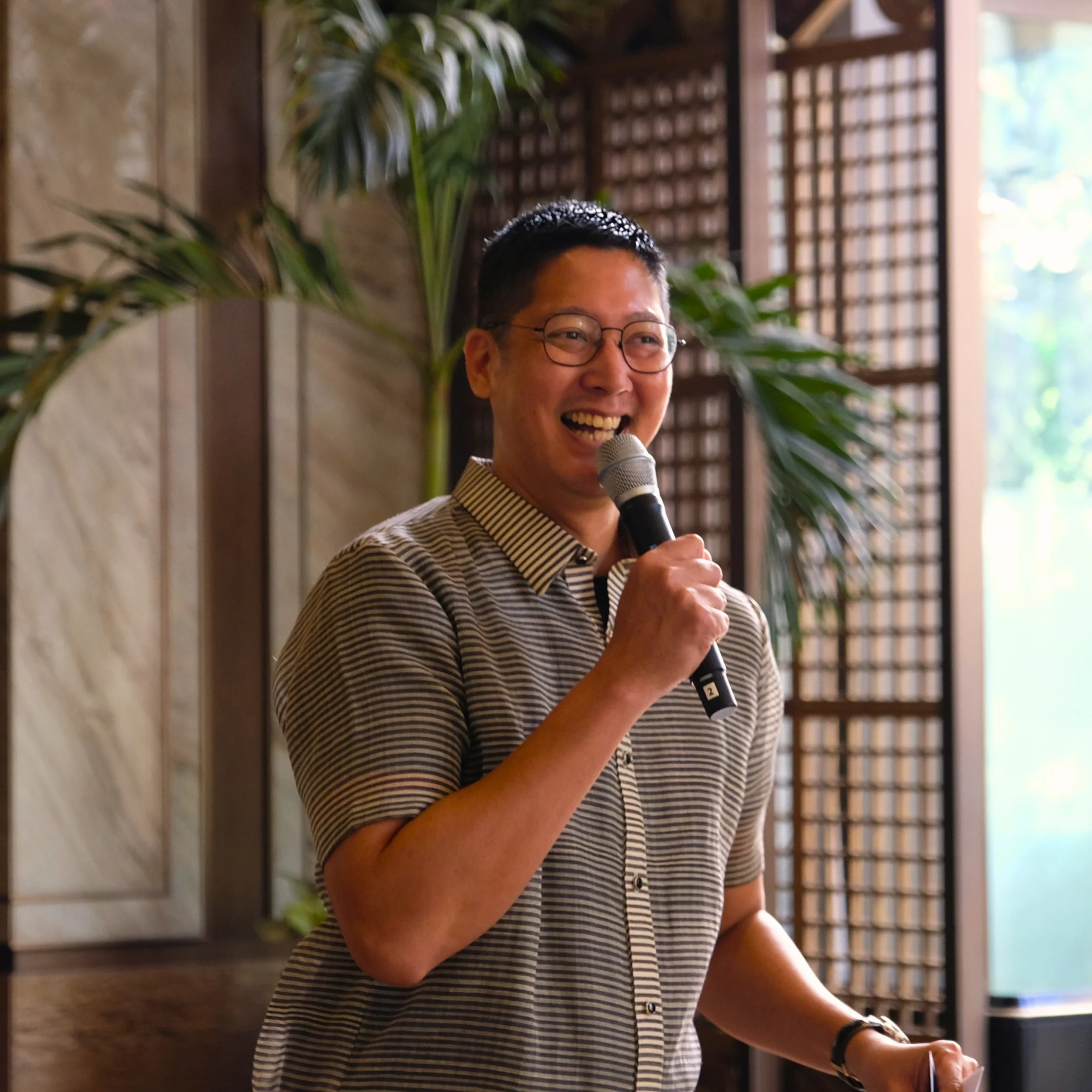
The presence of these pioneers and powerhouses in the Philippine gastronomy scene was underscored by the opening remarks of Janine Recto, One Mega Group Vice President of Asia Media Brands. “Your work, your stories, your spaces, and your perspectives—these are what will bring this platform to life.”
Modern Filipino Merienda
The platform saw the light of day in a serene afternoon, where siesta would ensue and food service had mellowed down. Today, however, Casa Buenas served an elevated selection of Filipino pika-pika such as Okoy, Talaba, and Laing Pani Puri.
Meanwhile, four drinks featuring fruity notes were available for guests to enjoy in glasses and flutes of Lakbay, Cordillera Rosso, Paraiso, and Calamansi + Manggang Hilaw.
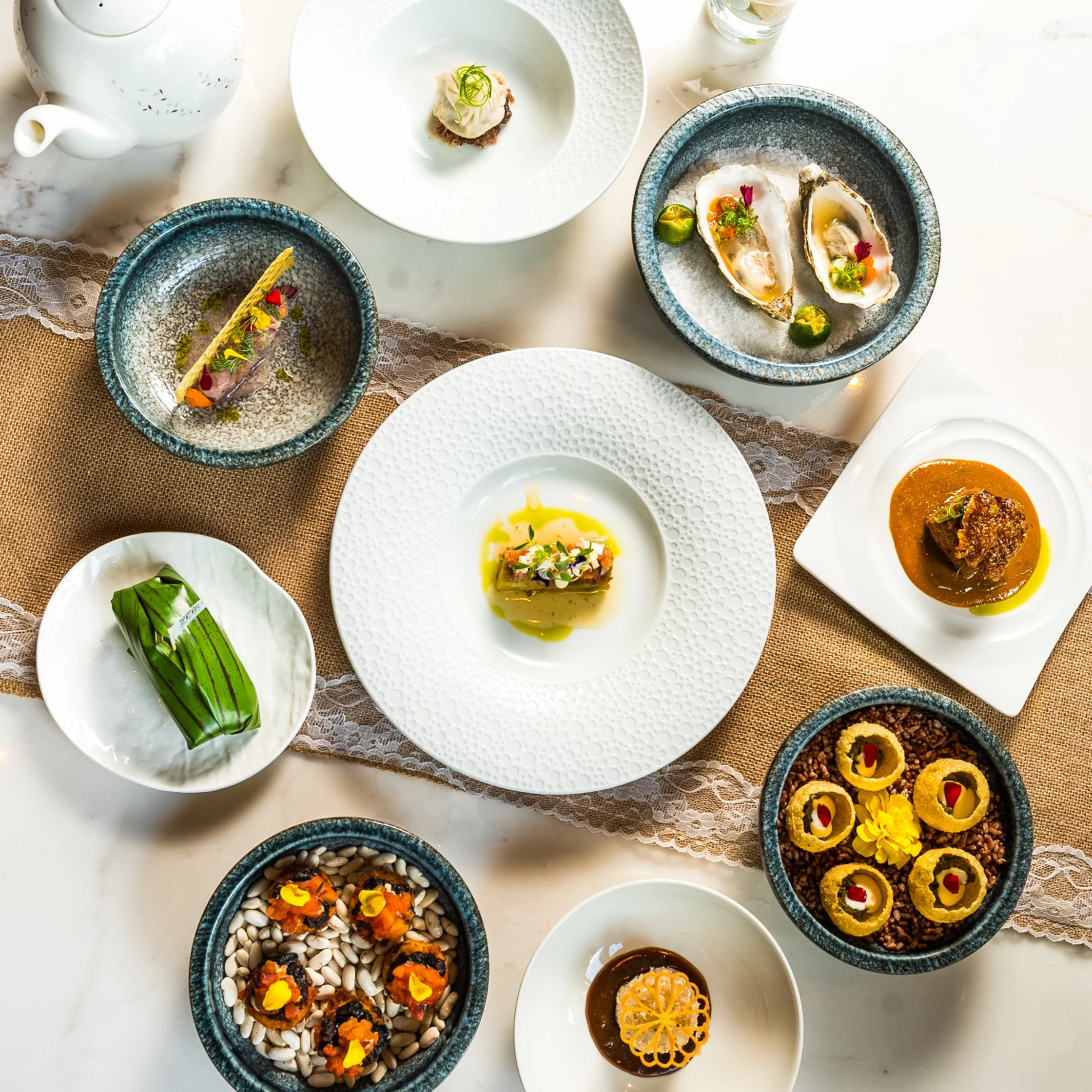
For the main merienda course, guests were treated to the Philippines’ best of meat, fish, vegetables, and kakanin in the dishes Ensaladang Talong, Kinilaw na Isda, Cansi, ‘Casa Buenas’ Pata Kare-Kare, Piyanggang Manok, and Palitaw. Manila Nostalgia and Philippine Terroir featured the sweet fusion of chocolate with tropical fruit flavors.
Delish Philippines Brand Partners
Bringing Delish right to their homes, guests received embroidered aprons from The Printing Depot and konjac rice from Luxe Slim inside their takeaway bayongs. Of course, their chosen produce from the vignette spread filled these handwoven bags to the brim, ready to be a part of each attendee’s next recipe or dish.
The official website of Delish Philippines, as well as its Facebook and Instagram pages, are only starters for the next courses of food content to come. In July, the upcoming maiden issue of Delish magazine, as well as the TikTok account and YouTube channel serve more delicious recipes and meaty stories for the Filipino palate and the global audience to devour in.
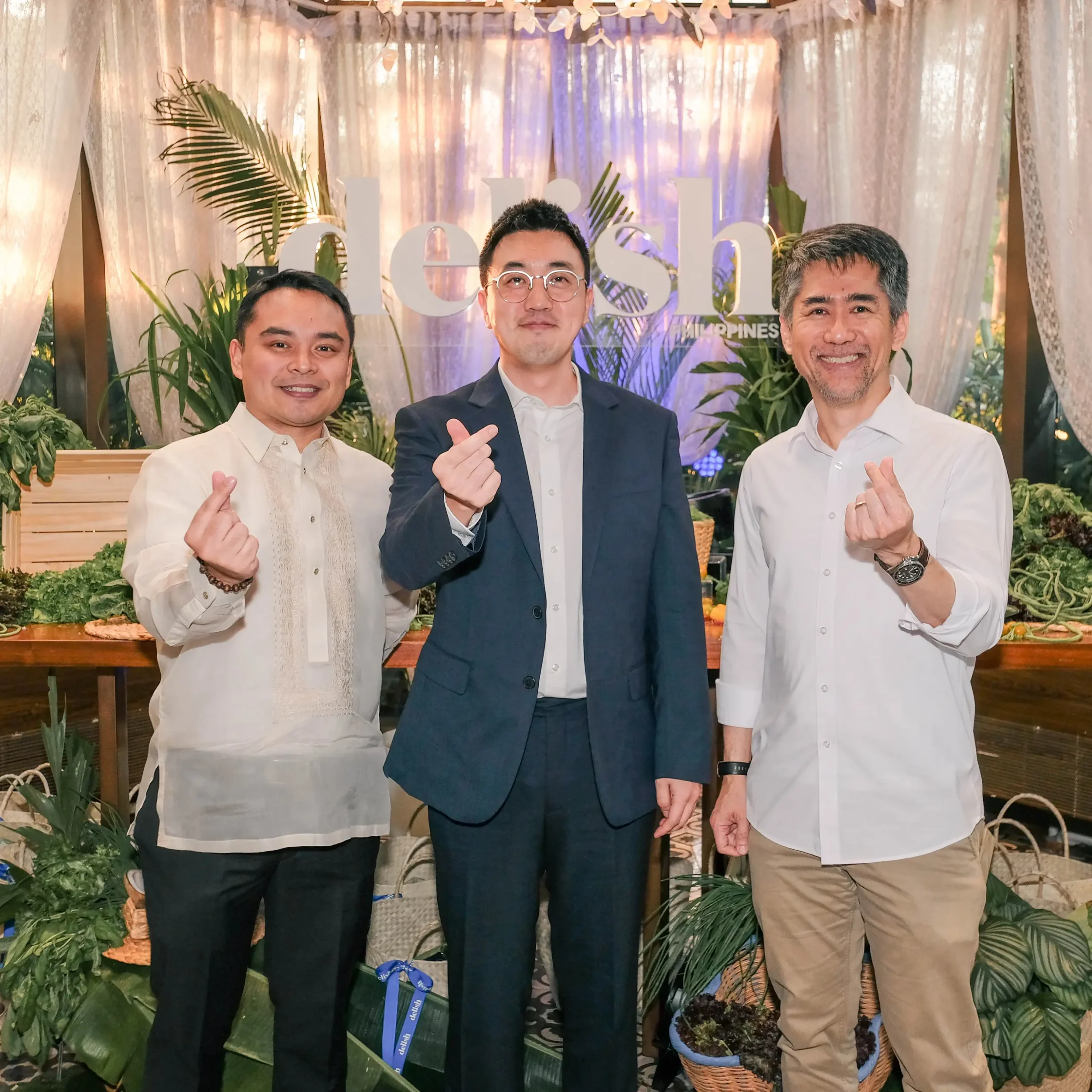
Special thanks to our valued partners and sponsors—LG Electronics Philippines, Konjac Zero by Luxe Slim, Casa Buenas, Newport World Resorts, and Pernod Champagne—for their continued support. Their contribution helps make experiences like this possible, bringing together great food, meaningful moments, and a shared celebration of the culinary scene.

Frequently Asked Questions
To achieve the perfect crisp texture for Okoy, use a chilled batter made with a 1:1 ratio of cornstarch and rice flour rather than all-purpose flour. Ensure the oil is maintained at a steady 375°F to prevent grease absorption. Dropping the batter in thin, jagged portions increases the surface area for a shatteringly light, golden crunch.
If you cannot source traditional pamapa itum, you can substitute it by charring fresh grated coconut in a heavy skillet until it turns completely black and oily. This creates the essential “burnt” flavor profile unique to Tausug cuisine. While black sesame paste provides a similar color, only charred coconut delivers the authentic smoky, nutty depth required for this Mindanaoan dish.
The best way to store Laing Pani Puri is to keep the crispy shells and the laing filling in separate airtight containers at room temperature and refrigerated, respectively. To reheat, toast the shells in a 300°F oven for two minutes to restore crispness before assembly. Always fill the shells immediately before serving to prevent the coconut cream from softening the crust.
A common mistake when making Cansi is boiling the beef too rapidly, which results in tough meat and a cloudy broth. Always simmer the beef shank slowly and use fresh batuan fruit or calamansi for acidity rather than vinegar to maintain the dish’s signature fruity sourness. Additionally, ensure the jackfruit is added only in the final stages to prevent it from turning mushy.
To achieve the perfect Palitaw texture, use high-quality glutinous rice flour and add water gradually until the dough is pliable but no longer sticks to your hands. Drop the patties into boiling water and remove them the instant they float to the surface. Immediately shocking them in room-temperature water before coating in coconut and sesame prevents the pieces from clumping together.