
Advertisement
Advertisement

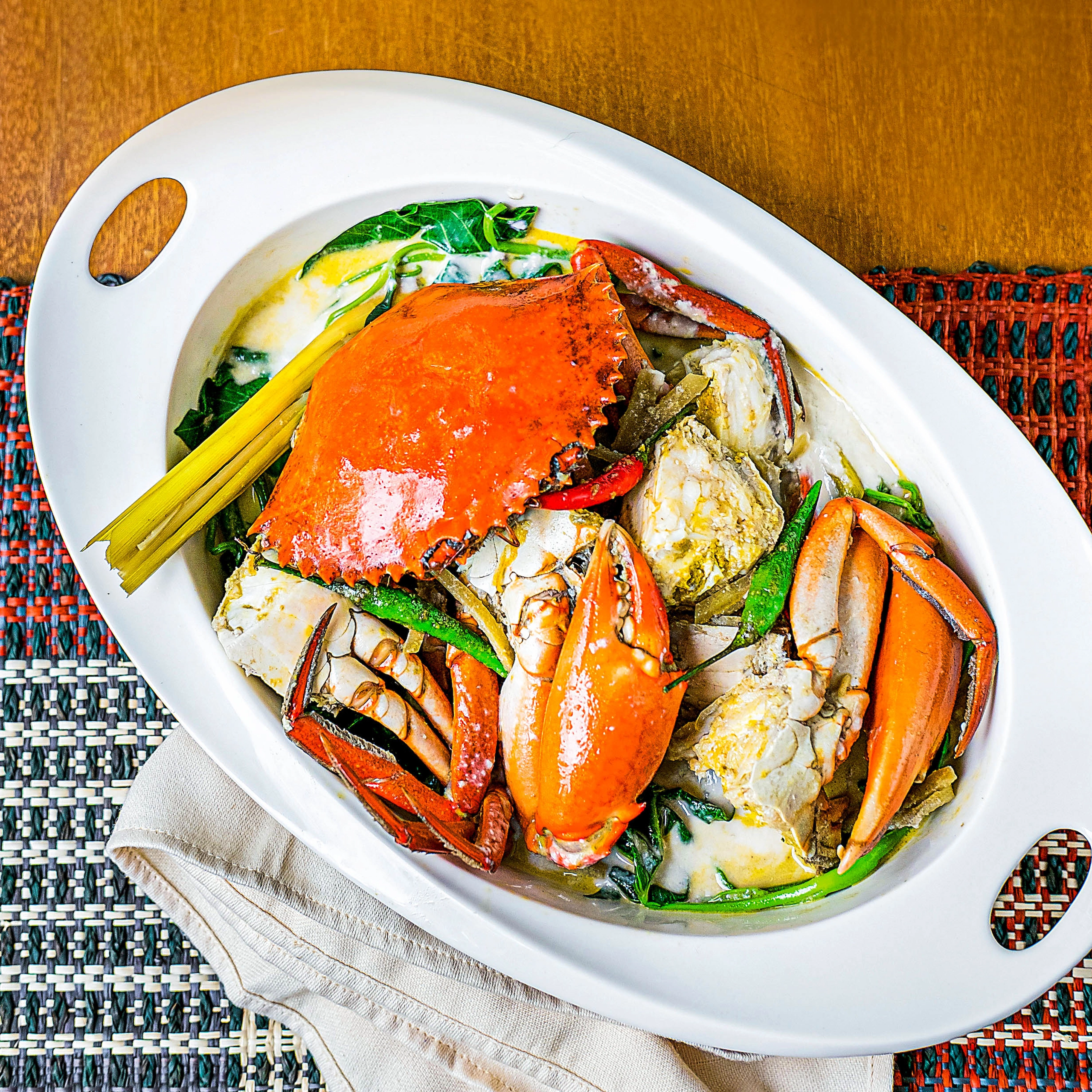
Alimango’t Kangkong sa Gata Recipe (Davao)

YIELDS:
6 SERVING(S)
Prep Time:
15 MINS
Total Time:
25 MINS
Cal/Serv:
227

Nutritional Information

Calories 227 kcal
Fat 5 g
Saturated fat 3 g
Trans fat 0 g
Cholesterol 143 mg
Sodium 816 mg
Carbohydrates 7 g
Fiber 2 g
Sugar 2 g
Protein 38 g
Vitamin D 1 µg
Calcium 218 mg
Iron 4 mg
Potassium 1061 mg

Note: The information shown is Edamam's estimate based on available ingredients and preparation. It should not be considered a substitute for a professional nutritionist's advice.

This dish from the Aviles family of Davao uses both coconut cream and coconut milk, resulting to a rich and slightly nutty seafood fare.

Lachi’s is a 25-year-old restaurant that is a favorite of many Davao City families for its traditional and modern home-cooked dishes as well as well-loved desserts. It is named after the family’s matriarch, Lachi Aviles, whose recipes inspired her twin sons, Mel and Mike Aviles, to open the restaurant.

Alimango vs. Alimasag

Though they look similar, the two crabs differ in many ways, from their shell to their habitat. Alimasag is comparatively smaller in size, found mostly in the sea, have thin shells, and provide a sweet meat. Whereas the alimango thrives in mangroves, are bigger, thick-shelled, and have denser meat.

Advertisement

Recipe developed by Mike Aviles, Mateo Ty, and Millet Aviles Ty of Lachi’s Cake Shop Davao.

Ingredients

  • 1 mature coconut (niyog), grated
  • 1.5 Cup warm water
  • 1 inch ginger, thinly sliced
  • 1 red onion, sliced
  • 1 Stalk lemongrass (tanglad), smashed
  • 1 bird's eye chili (siling labuyo), chopped
  • Fish sauce (patis), to season
  • Salt, to season
  • 1 Kilogram crabs, cleaned and chopped into quarters
  • 1 bunch water spinach (kangkong) leaves and stems
Keep screen awake

Directions

Step 1

Squeeze grated coconut to obtain first extraction (kakang gata). Strain coconut cream or thick coconut milk and set aside.

Step 2

To the grated coconut, add warm water. Squeeze to obtain second extraction (gata). Strain thin coconut milk and set aside.

Step 3

Pour thin coconut milk or gata into a wok or medium sauce pot and warm over medium heat. Add the ginger, onion, lemongrass, bird’s eye chili (siling labuyo), and fish sauce (patis). Bring to a boil and let simmer for about 3 minutes while stirring to prevent coconut milk from curdling.

Step 4

Add crabs and cook in the coconut milk mixture over medium heat for 5 to 10 minutes, depending on the size of the crabs.

Step 5

Pour the coconut cream (kakang gata). Continue to stir and cook for another 3 minutes until the sauce becomes slightly thick. Taste and season with salt or fish sauce. Add water spinach (kangkong) stems and then leaves. Turn off heat and transfer to a serving dish. Serve hot.

Frequently Asked Questions

To maintain a smooth, creamy sauce, simmer the thin coconut milk over medium heat and stir constantly while it comes to a boil. Avoid using high heat, which causes the proteins to tighten and separate from the fats, and wait to add the thick coconut cream (kakang gata) until the final stage of cooking to preserve its rich, emulsified texture.

For the most authentic flavor, perform a dual extraction: squeeze freshly grated coconut without water first to produce the thick kakang gata. Then, add warm water to the same coconut meat and squeeze again to produce the thinner second extraction (gata), which serves as the poaching liquid for the ginger, lemongrass, and crabs.

While fresh alimango provides the traditional sweetness associated with Lachi’s recipe, you can substitute them with blue crabs (alimasag) or even large prawns. If using frozen crabs, ensure they are fully thawed and patted dry before adding to the pot to prevent excess water from diluting the rich, nutty consistency of the coconut sauce.

Timing is critical for the perfect vegetable texture; add the kangkong stems first for about a minute, followed by the leaves at the very end. Turn off the heat immediately after the leaves wilt, as the residual heat of the coconut cream will finish cooking them without turning them grey or overly soft.

Store leftovers in an airtight container in the refrigerator for up to two days, but avoid freezing as the coconut milk will lose its creamy texture upon thawing. To reheat, warm the dish gently over low heat on the stovetop, adding a splash of water or extra coconut milk to loosen the sauce without allowing it to reach a rapid, oily boil.

0 0 votes
Total of Ratings
guest
Rating
Ratings for Article
0 Comments
Oldest
Newest Most Voted
Inline Feedbacks
View all comments
Advertisement

To provide a customized ad experience, we need to know if you are of legal age in your region.

By making a selection, you agree to our Terms & Conditions.