
Advertisement

Bukko (Cordillera) Recipe

Bukko is a humble yet deeply meaningful snack from Tadian, Mountain Province, where generations of Igorot families have practiced the art of making the most of every harvest.
YIELDS:
10 SERVING(S)
Prep Time:
20 MINS
Total Time:
2 HRS
Cal/Serv:
39

Nutritional Information

Calories 396 kcal
Fat 7 g
Saturated fat 6 g
Trans fat 0 g
Cholesterol 0 mg
Sodium 174 mg
Carbohydrates 80 g
Fiber 9 g
Sugar 31 g
Protein 5 g
Vitamin D 0 µg
Calcium 108 mg
Iron 3 mg
Potassium 1105 mg

Note: The information shown is Edamam's estimate based on available ingredients and preparation. It should not be considered a substitute for a professional nutritionist's advice.

Bukko is a humble yet deeply meaningful snack from Tadian, Mountain Province, where generations of Igorot families have practiced the art of making the most of every harvest. At its heart, Bukko is a celebration of resourcefulness—a traditional way of transforming leftover root crops into a delicious, naturally sweet delicacy that can be enjoyed by the whole family.

Chef Pil-od Acop Ano shares that this recipe comes from his wife’s hometown of Tadian. For him, Bukko is more than a simple steamed treat; it is filled with memories of family visits and warm hospitality.

“Whenever I visited my aunt in Tiding, she would always prepare Bukko for us. It wasn’t just something to eat—it reminded us of home, family, and the kindness of always having something to share.”

In the Cordillera, sweet potatoes, cassava, and purple yam (ube) have long been important staple crops. Rather than allowing excess harvests to spoil, families developed methods such as sun-drying and grinding them into flour, extending their shelf life while creating new dishes with unique textures and flavors.

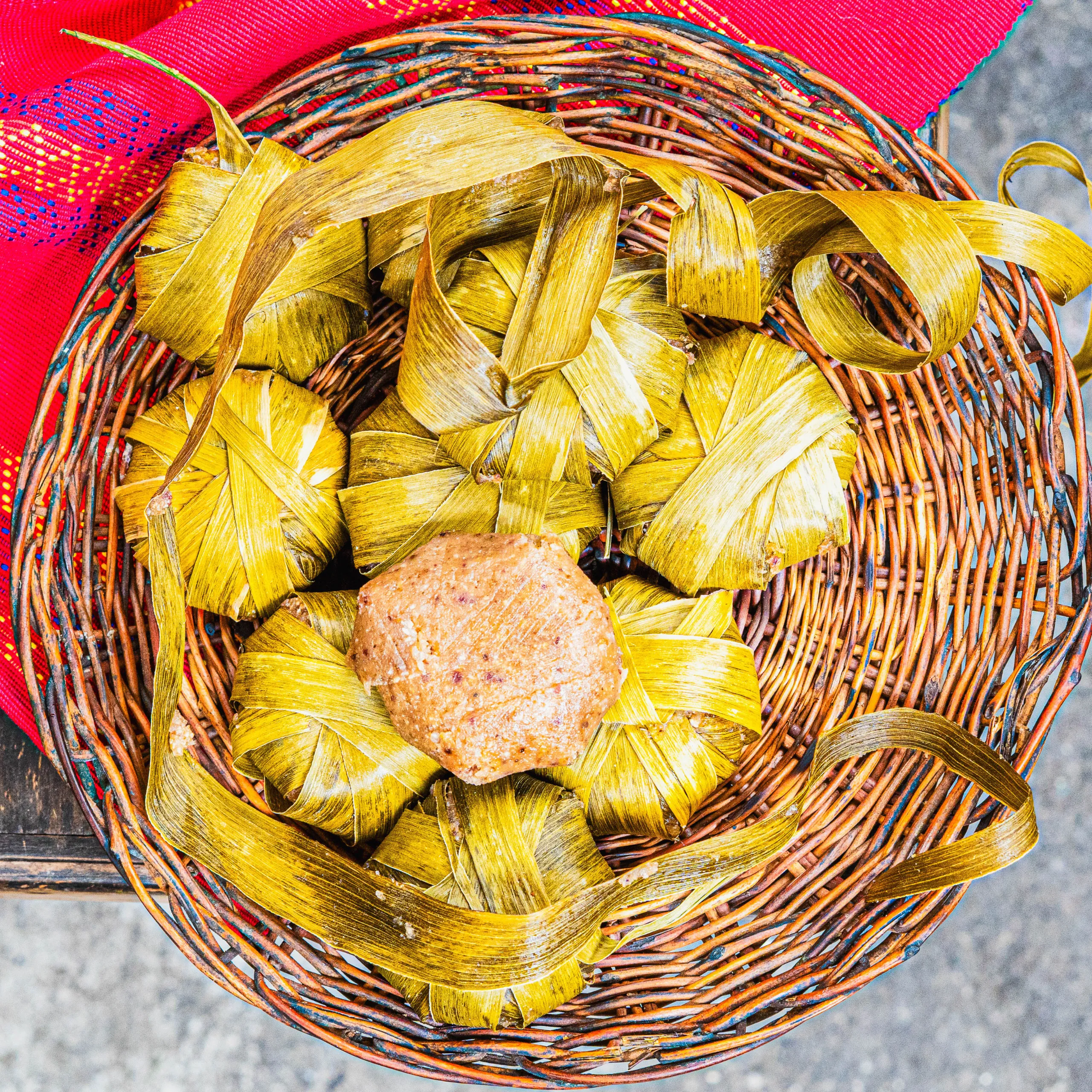
Although preparing Bukko requires patience—from drying the root crops under the mountain sun to steaming each carefully wrapped bundle—the result is a soft, lightly chewy delicacy with the natural sweetness of root crops, rich coconut milk, and muscovado sugar. Traditionally wrapped in sugarcane leaves before steaming, Bukko carries a subtle earthy aroma that makes every bite even more special.

Today, Bukko continues to be enjoyed as an afternoon snack, a simple dessert, or a comforting reminder of Cordilleran heritage.

Recipe Tips

  • Slice the sweet potatoes evenly to ensure they dry at the same rate.
  • Dry only during sunny weather and protect the strips from overnight moisture.
  • If using a food processor, pulse gradually to avoid overheating the dried root crops.
  • Add the coconut milk little by little, as different batches of flour absorb moisture differently.
  • Resting the dough greatly improves its texture and makes shaping easier.
  • Steam over medium heat rather than high heat to prevent excess condensation from making the dough soggy.
  • Sugarcane leaves contribute a subtle aroma, but banana leaves also produce excellent results.

Ingredient Substitutions

Traditional ingredients offer the most authentic flavor, but these alternatives work well when necessary.

Sweet Potatoes

You may substitute with:

  • Purple yam (ube)
  • Cassava
  • Taro (gabi)
  • A combination of root crops

Each produces a slightly different texture and flavor while preserving the traditional concept of the dish.

Muscovado Sugar

Replace with:

  • Brown sugar
  • Coconut sugar
  • Panela
  • Raw cane sugar

Muscovado remains the preferred choice because of its rich molasses flavor.

Coconut Milk

Fresh coconut milk provides the richest flavor, but canned coconut milk may also be used.

Sugarcane Leaves

If unavailable, substitute with:

  • Banana leaves
  • Corn husks
  • Food-safe parchment paper (although it will not contribute the same aroma)

A Taste of Cordilleran Heritage

Bukko is a wonderful example of the Cordillera’s tradition of transforming simple, locally grown ingredients into nourishing food that carries lasting memories. What began as a practical way to prevent leftover root crops from going to waste became a cherished family delicacy passed from one generation to the next. Every carefully dried strip of sweet potato, every hand-shaped bundle, and every fragrant leaf wrapper reflects the Igorot values of resourcefulness, patience, and gratitude for the harvest. More than a sweet snack, Bukko is a delicious reminder that some of the most meaningful recipes are those created from everyday ingredients and shared with the people we love.

Final Words

Bukko is more than just a simple traditional snack; it is a beautiful reflection of the rich culture, resourcefulness, and warm hospitality of the Igorot people of Tadian, Mountain Province. Every bite carries the natural goodness of locally grown root crops, the sweetness of muscovado sugar, and the comforting aroma of coconut milk and traditional leaf wrapping. What makes this delicacy truly special is the story behind it—a tradition of making the most of every harvest and sharing whatever food is available with family and loved ones. As generations pass, Bukko continues to remind us of the importance of preserving our culinary heritage and appreciating the simple foods that bring people together. It may be humble in appearance, but its flavor, history, and cultural significance make it a truly special taste of Cordilleran tradition.

Ingredients

  • 3 Kilogram sweet potatoes, peeled
  • 1 Cup muscovado sugar
  • 1.5 Cup coconut milk

For Wrapping

  • fresh sugarcane leaves
Keep screen awake

Directions

Step 1

Prepare the Root Crops

Wash the sweet potatoes thoroughly to remove any soil. Peel them and cut them into thin, even strips to help them dry more quickly. Arrange the strips in a single layer on clean drying trays, woven baskets, or bamboo mats. Place them under direct sunlight for one to two days until they become completely dry and brittle. Bring the strips indoors at night to protect them from moisture. Proper drying concentrates the natural sweetness of the sweet potatoes while helping preserve them.

Step 2

Make the Root Crop Flour

Once fully dried, grind the sweet potato strips into a coarse flour using a grain mill, food processor, or traditional mortar and pestle. Sift if desired to remove larger pieces. Transfer the flour into a large mixing bowl. Traditional Bukko often has a slightly rustic texture, so it does not need to be perfectly fine.

Step 3

Prepare the Dough

Gradually pour the coconut milk into the root crop flour while mixing with clean hands. Add the muscovado sugar. Continue kneading until a soft, smooth dough forms. The dough should hold together easily without becoming sticky or overly dry. Cover the bowl with a clean kitchen towel and allow the dough to rest for about one hour. Resting allows the dried root crop flour to fully absorb the coconut milk, resulting in a softer, more cohesive dough.

Step 4

Shape the Bukko

Divide the dough into small, equal portions. Roll each portion into smooth balls about the size of a golf ball or slightly larger. If preferred, gently flatten them into small oval shapes before wrapping.

Step 5

Wrap the Dough

Lightly rinse the sugarcane leaves and pat them dry. Place one dough ball onto each leaf. Fold the leaf snugly around the dough, creating a compact package. If necessary, tie the bundles with strips of leaf or kitchen twine to secure them during steaming. The sugarcane leaves gently perfume the Bukko as it cooks, adding a distinctive aroma that is difficult to replicate.

Step 6

Steam

Arrange the wrapped Bukko neatly inside a steamer. Steam over medium heat for approximately 30 to 40 minutes. The finished Bukko should feel firm yet soft when gently pressed. Allow the bundles to cool slightly before unwrapping. Serve warm or at room temperature.

Alexander Villarante

Recipe Developer

Alexander Villarante is a passionate culinary professional with more than 15 years of experience in the hospitality industry, having built his career in prestigious five-star luxury hotels abroad. He studied Culinary Arts at the Singapore Boston Business School, where he developed a strong foundation in both classical and modern culinary techniques. Throughout his career, he has worked alongside talented chefs from diverse cultural backgrounds, refining his skills and gaining extensive experience in creating exceptional dining experiences. His dedication to excellence has earned him recognition in the competitive culinary scene. Alexander participated in the Philippine Culinary Cup, where he received several citations for his creativity, technical expertise, and commitment to his craft. These achievements reflect his passion for continuous learning and his pursuit of culinary excellence.


Frequently Asked Questions

Bukko is a traditional Igorot steamed snack made from dried root crop flour mixed with coconut milk and muscovado sugar, then wrapped in leaves and steamed until soft.

Sun-drying helps preserve excess harvests while naturally concentrating the sweetness of the root crops. It also creates the unique flour needed for Bukko’s characteristic texture.

Traditional Bukko depends on dried root crop flour. Using freshly grated sweet potatoes will produce a completely different dish with a softer, moister consistency.

Yes. Cassava is one of the traditional alternatives and creates a slightly chewier texture than sweet potatoes.

Yes. Allow the cooked Bukko to cool completely before freezing in airtight containers. Steam gently to reheat and restore its soft texture.

No. Traditional Bukko has only a mild sweetness, allowing the natural flavor of the root crops to remain the star of the dish.

Besides holding the dough together during steaming, the leaves impart a subtle earthy fragrance that has long been associated with authentic Bukko.

0 0 votes
Total of Ratings
guest
Rating
Ratings for Article
0 Comments
Oldest
Newest Most Voted

To provide a customized ad experience, we need to know if you are of legal age in your region.

By making a selection, you agree to our Terms & Conditions.