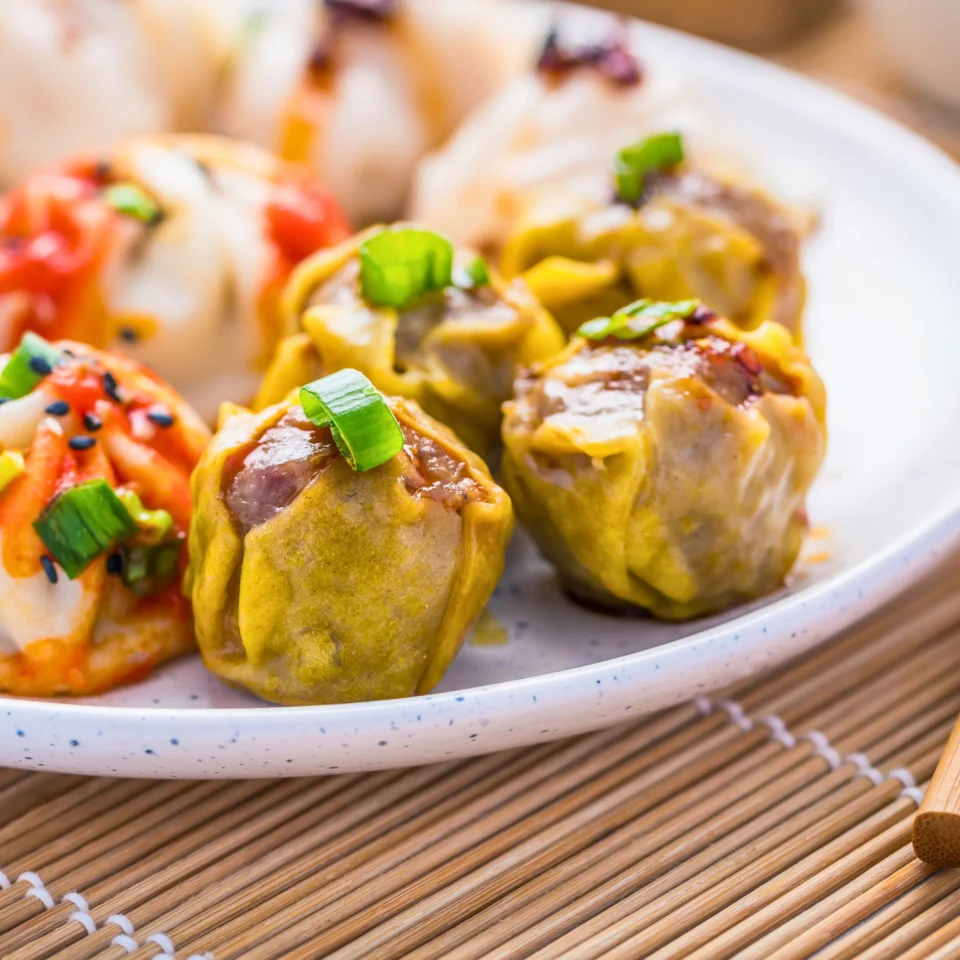


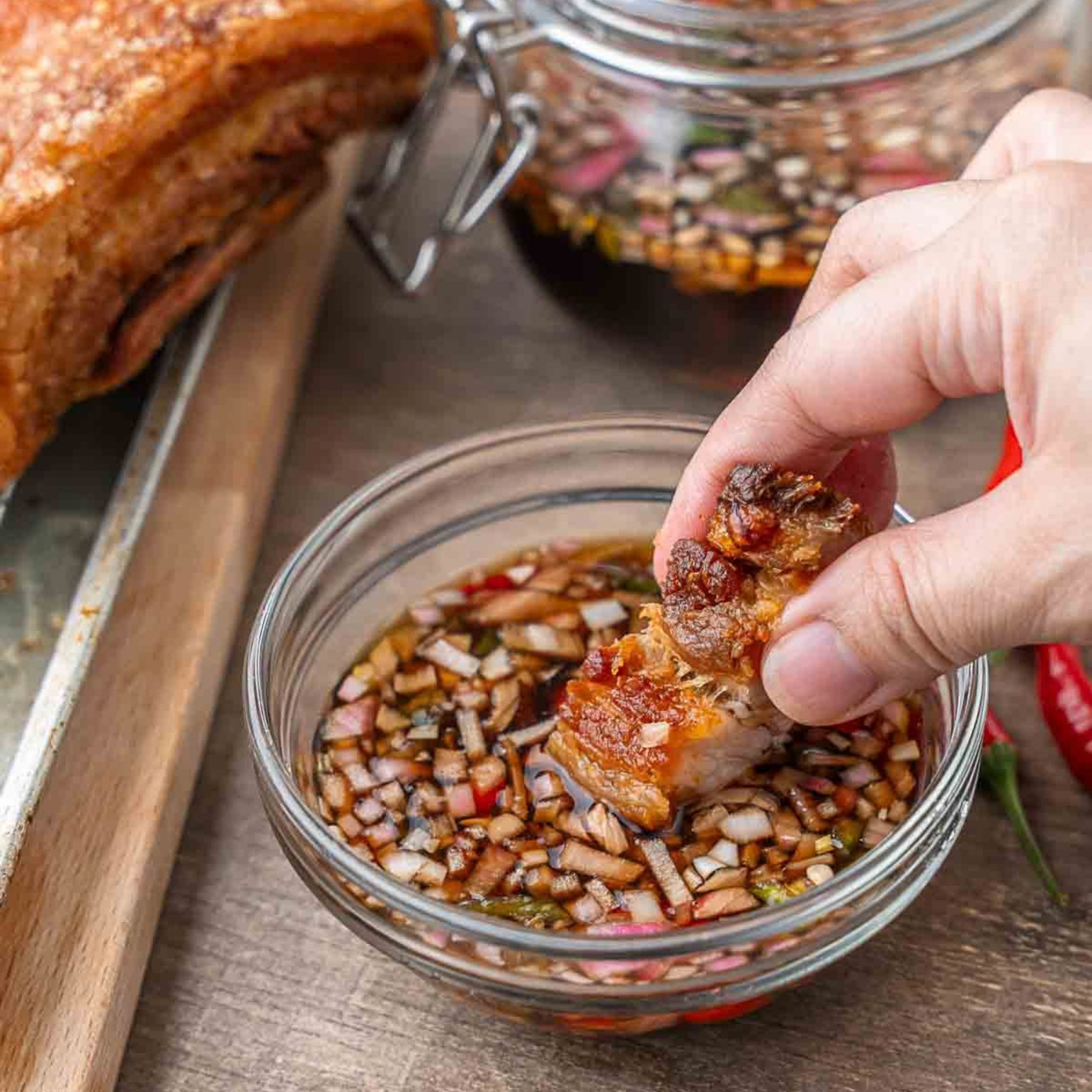
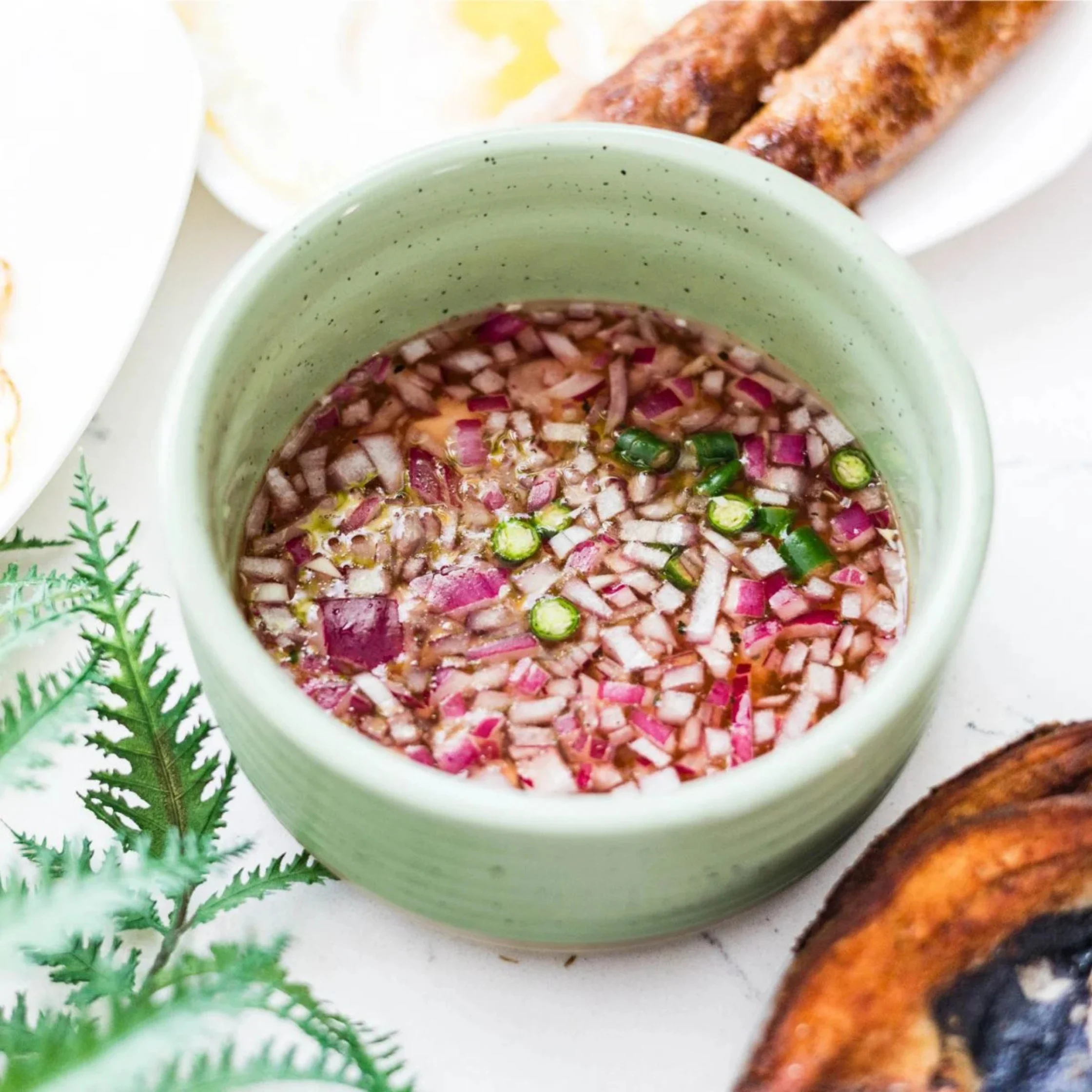
The great Doreen Fernandez likened sawsawan as a means of fine-tuning the taste of the dish to the preferences of the diner. A splash here and dab there does wonders to magnify the saltiness, sourness, sweetness, umami, and/or hear of whatever it’s applied to.
It makes sense, considering Filipino cuisine embraces adaptability and personalization—features that are brought to fruition in the way Filipinos season their viands to taste with their sawsawan (or sawsawan mix) of choice.
No dining table in the Philippines is complete without a collection of condiments ready to be mixed and matched. These are just some of the members of the sawsawan-sphere you’ll likely find in the Pinoy pantry.
Toyo
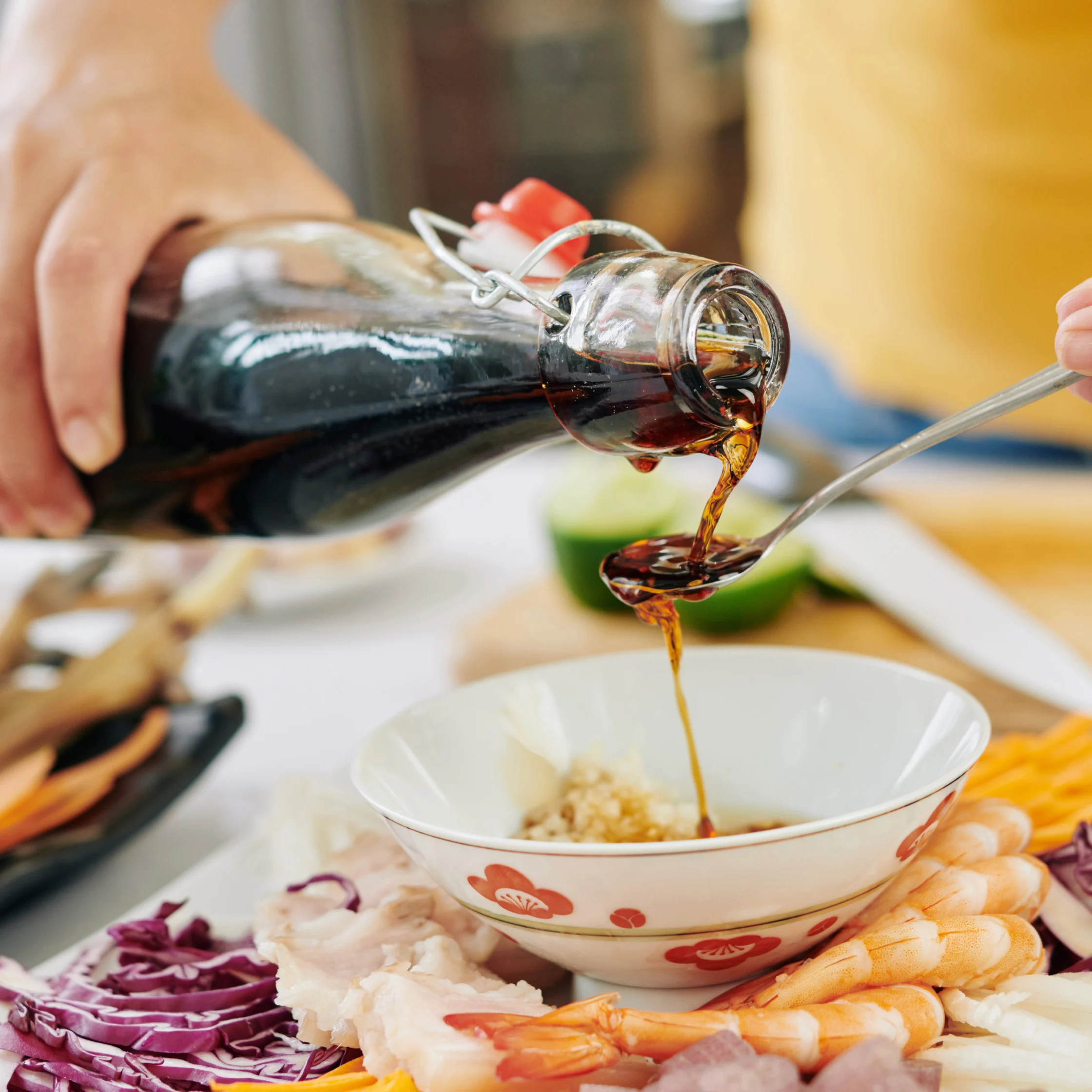
Filipino soy sauce has a sharper, saltier taste than other versions (e.g. Japanese or Chinese), with a thinner, more watery consistency. It’s an indispensable ingredient in dishes like bistek, but it’s also fantastic as a dipping sauce for everything from siomai to liempo to fried fish, either plain or jazzed up with suka, calamansi (to form what’s called toyomansi), and/or sili.
Suka
Vinegar is a whole domain in itself with countless variants from different parts of the Philippines, but Filipinos are bound to have at least one variety in their pantry. Some of the more common variants are sukang puti (a.k.a. sukang maasim or white vinegar, made either from sugarcane or acetic acid); cane vinegar (also made of sugarcane, though vinegar sold as “cane” is typically brown); sukang tuba or coconut vinegar; and sukang sasa a.k.a. nipa palm vinegar. There are seasoned vinegars, too, like Visayas’ sinamak and and Iligan City’s sukang pinakurat. Whether taken on their own or mixed with other sawsawan, vinegars provide brightness and acidity to the sawsawan plate—they’re particularly fantastic for providing much-needed tangy contrast to fatty foods.
Patis
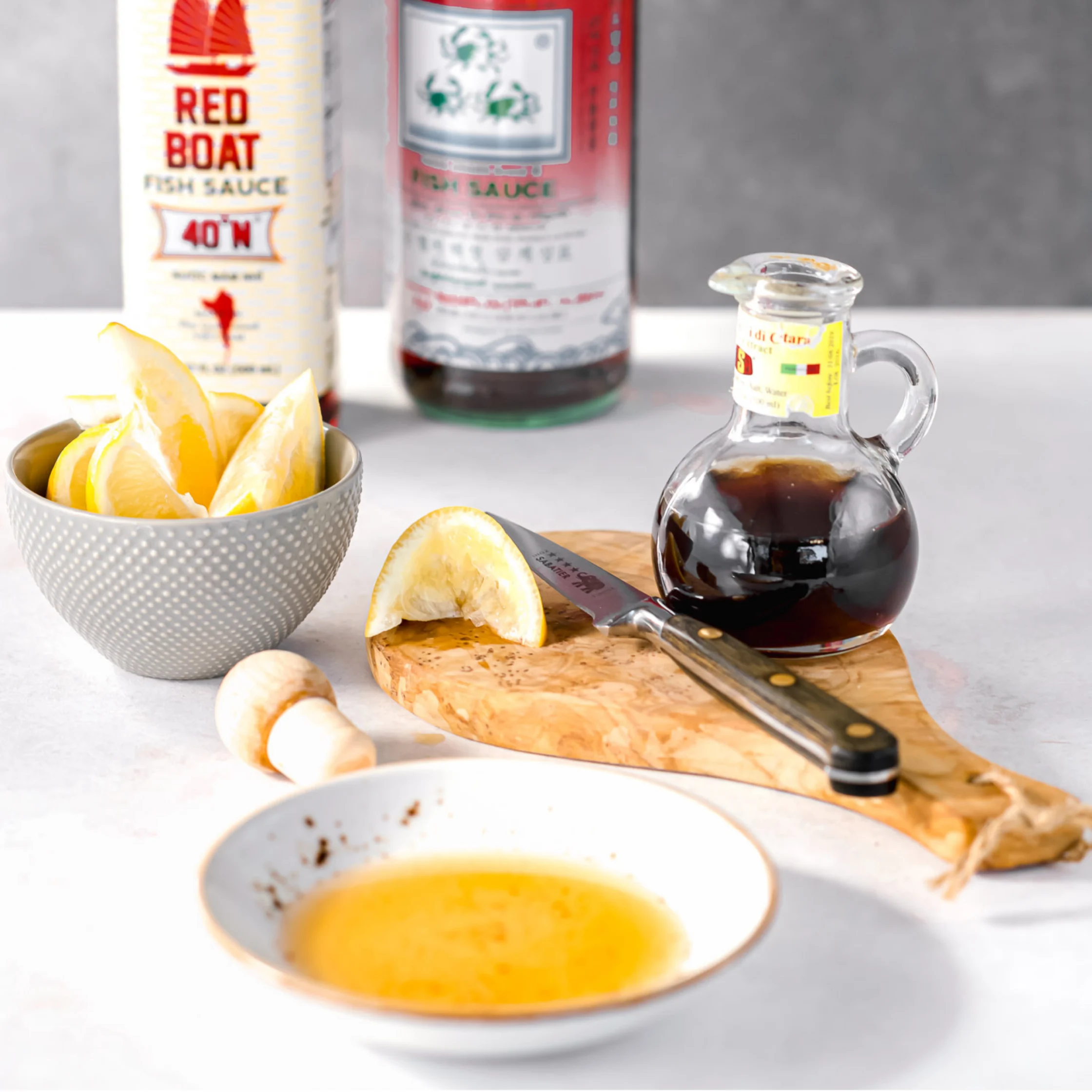
Patis or fish sauce gives not just saltiness, but also a depth of flavor that’s hard to beat. Made with fermented fish, this well-loved condiment is pungent and salty, and it shines on its own or in the backdrop, as its umami-rich profile heightens the taste of whatever it is that it seasons.
Calamansi
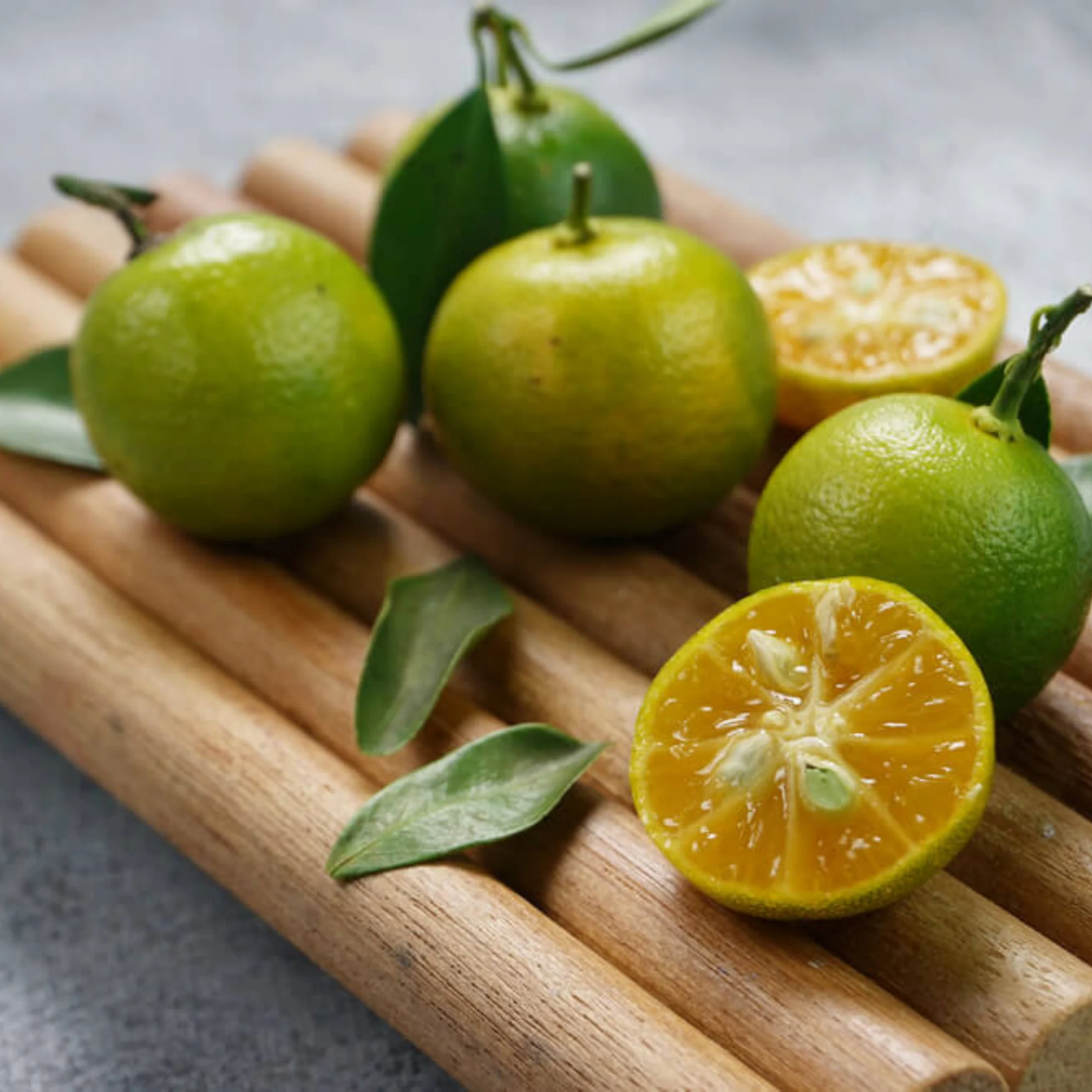
These tiny citrus fruits that are native to the Philippines also bring brightness to the party—but a more aromatic, slightly floral sort of brightness compared to, say, vinegar. A squeeze of calamansi does wonders to balance the heft of dishes like pancit Malabon or sisig; it’s also particularly wonderful with toyo and/or patis.
Sili
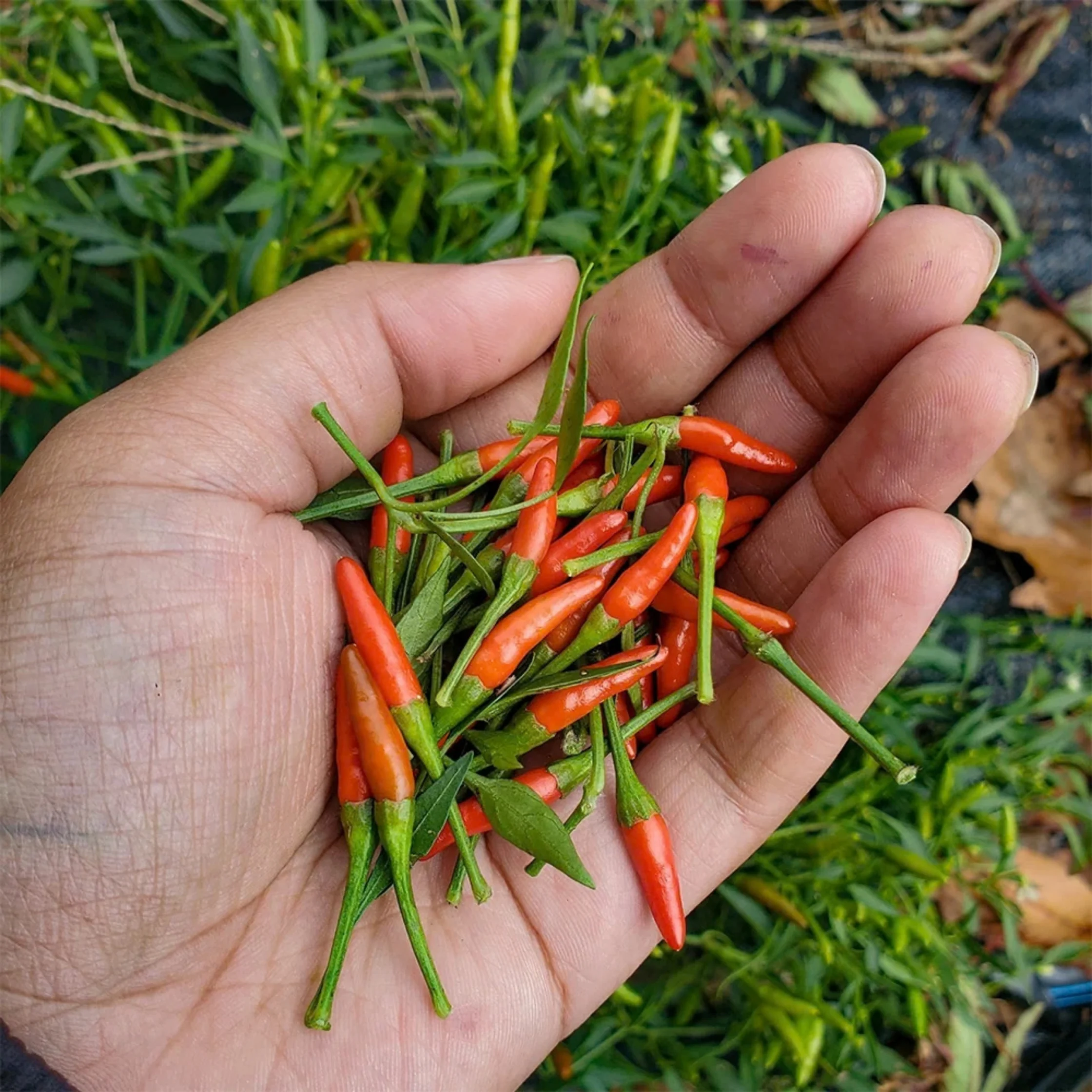
For those who like to bring on the heat, there’s chili, which can be cut and added to any sawsawan saucer for a kick. One of the common variants in the Philippines is the small, long, red type typically referred to as “labuyo,” but true siling labuyo is shorter (and sadly rarer in commercial markets).
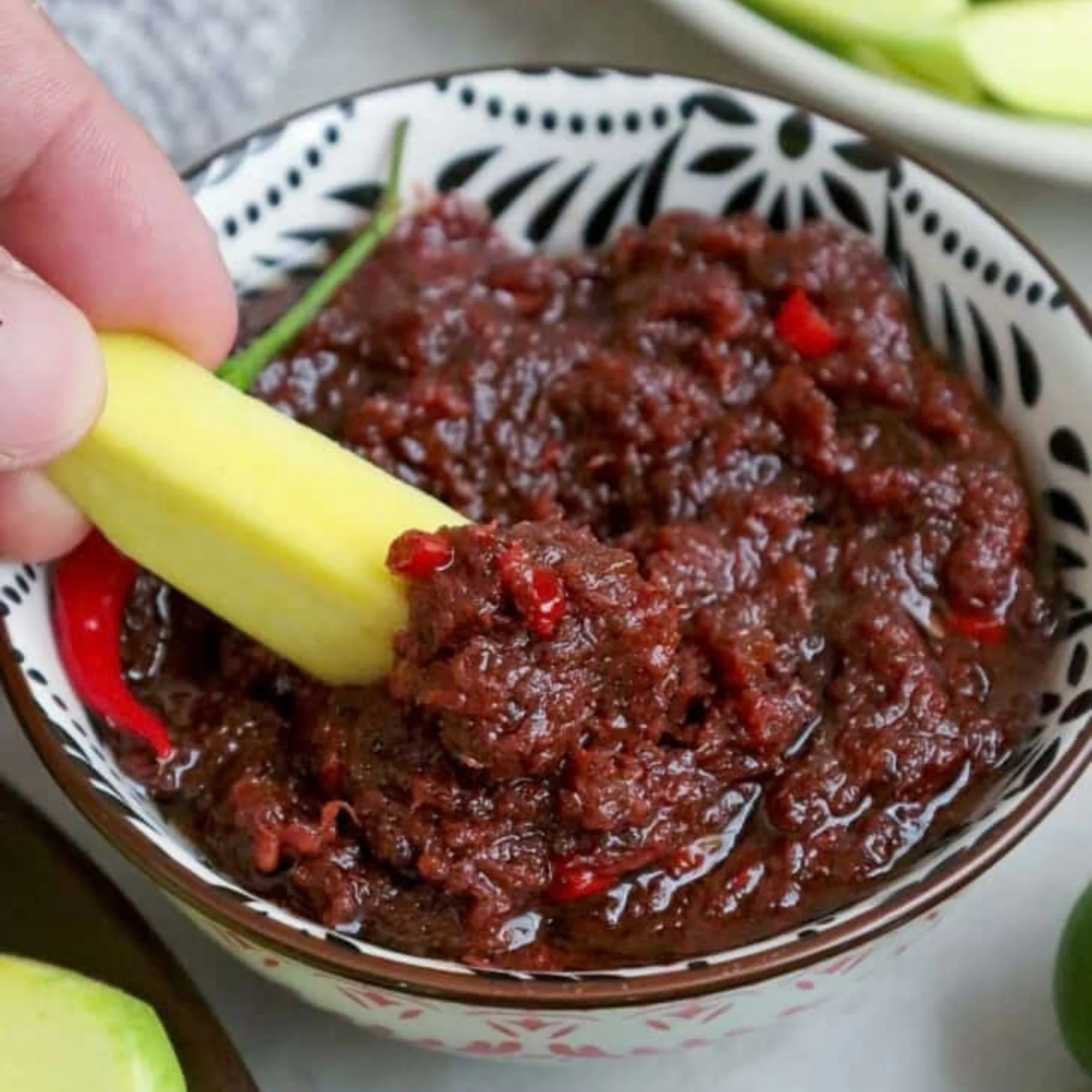
Bagoong
Bagoong is a condiment made with fermented seafood—in Metro Manila, the fermented shrimp version (bagoong alamang) is common and readily available pre-sauteed at supermarkets and local markets. Elsewhere, there are bagoong variations utilizing other treasures of the sea: bagoong isda (fish), bagoong sisi (oysters), and so on.
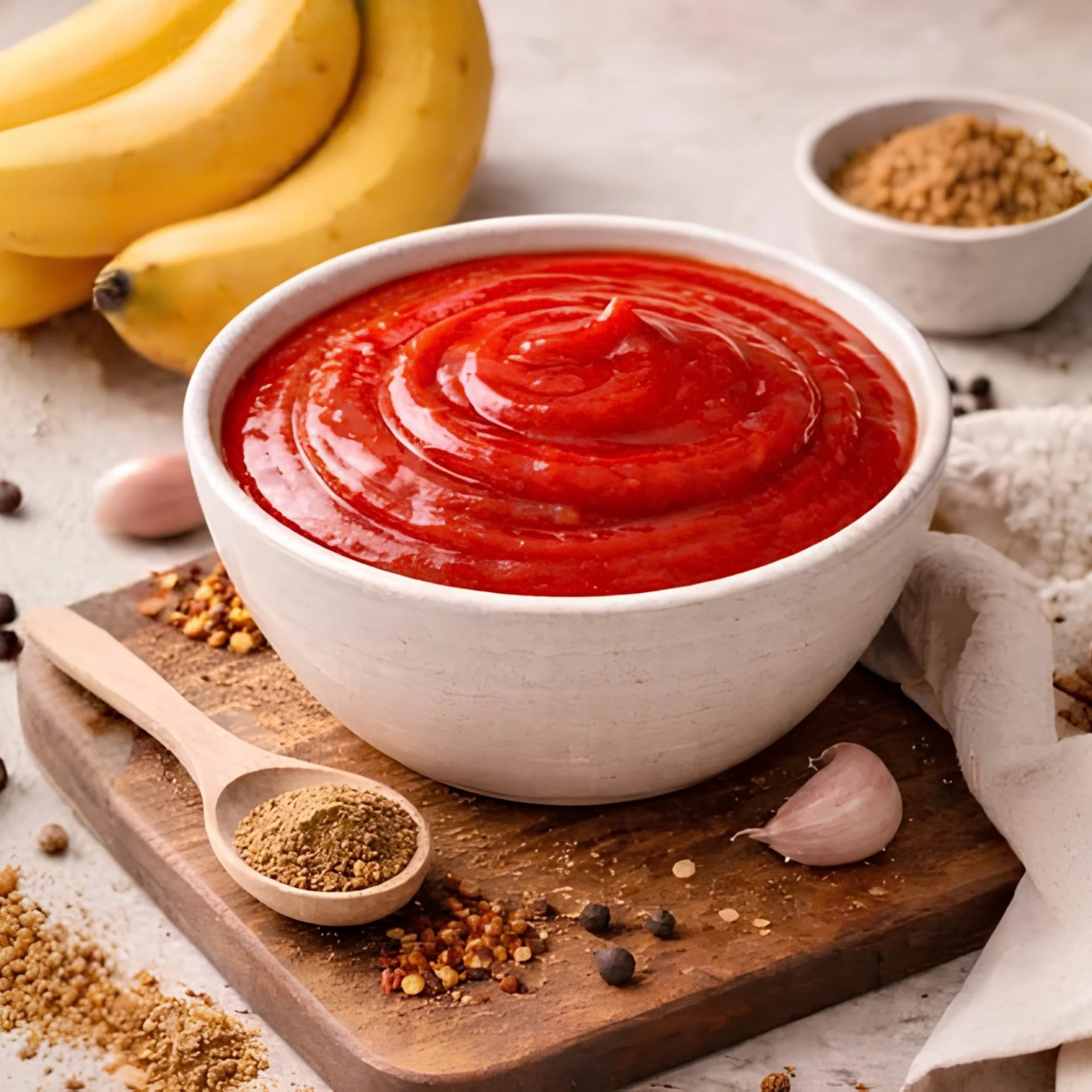
Banana Ketchup
We Filipinos have adopted the West’s ketchup sauce and made it our own by using the ever-abundant bananas in place of the traditional tomatoes. It was food technologist Maria Orosa who invented banana ketchup during World War II, and our pantries haven’t been the same since. Banana ketchup is particularly fantastic in dishes like Pinoy-style fried chicken, where its sweet, subtly spiced profile compliments the saltiness of the meat.
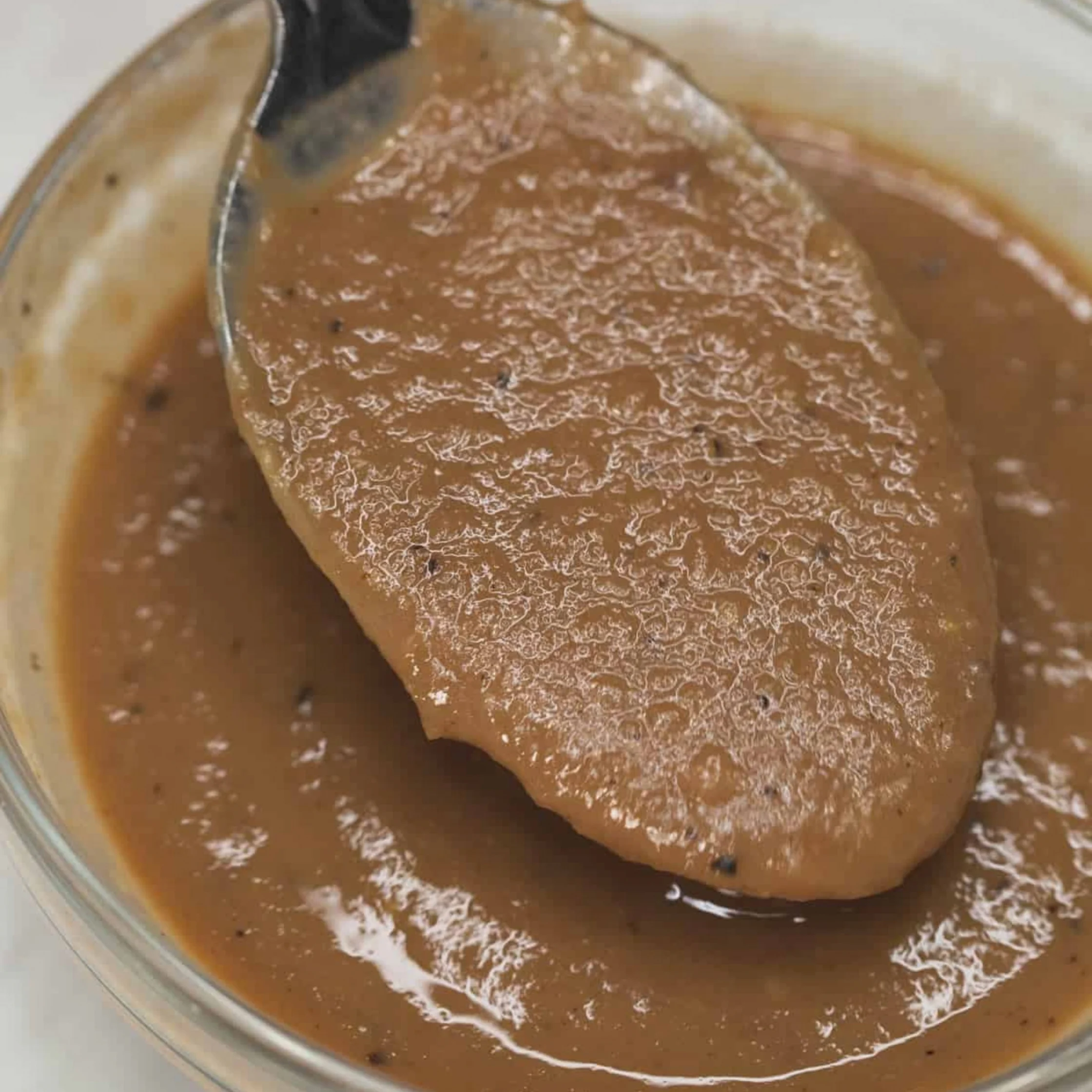
Lechon Sarsa
In Luzon, lechon is usually served with lechon sarsa—a greyish-brown condiment of pork liver, vinegar, breadcrumbs, and other aromatics, which come together for a sweet, sour, aromatic whole. Though lechon is its classic partner, many also swear by the surprising harmony between lechon sarsa and fried chicken.

Frequently Asked Questions
Sawsawan refers to a wide variety of Philippine dipping sauces and other condiments.
Bagoong is a common Filipino condiment made with fermented seafood. Some of the bagoong variations include bagoong alamang (made with fermented shrimp), bagoong isda, and bagoong sisi (made with oysters).
Lechon sarsa is a greyish-brown condiment of pork liver, vinegar, breadcrumbs, and other aromatics that is often paired with lechon dishes and even fried chicken.
Toyo has a sharper, saltier taste with a thinner, more watery consistency.
There are many variations of suka or vinegar used all around the Philippines. Some of these include sukang puti (white vinegar), cane vinegar, sukang tuba (coconut vinegar), sukang sasa (nipa palm vinegar), sinamak, sukang pinakurat.