Advertisement

The Best Chefs Don’t Choose Between Innovation and Heritage

At the Michelin Guide Destination Masterclass: Chef to Chef, chefs and tourism leaders explored how innovation, regional ingredients, and cultural heritage could shape the future of Filipino gastronomy.

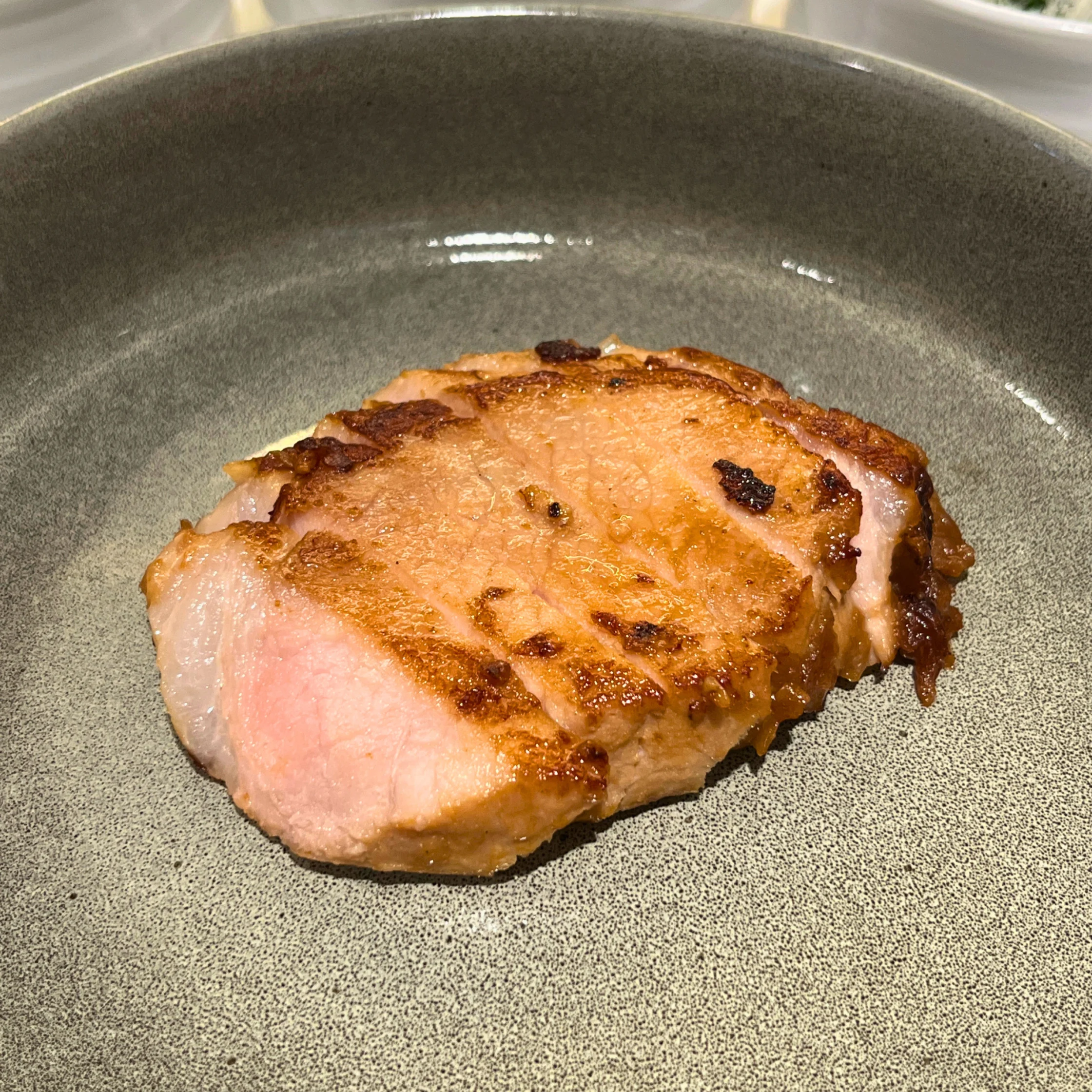
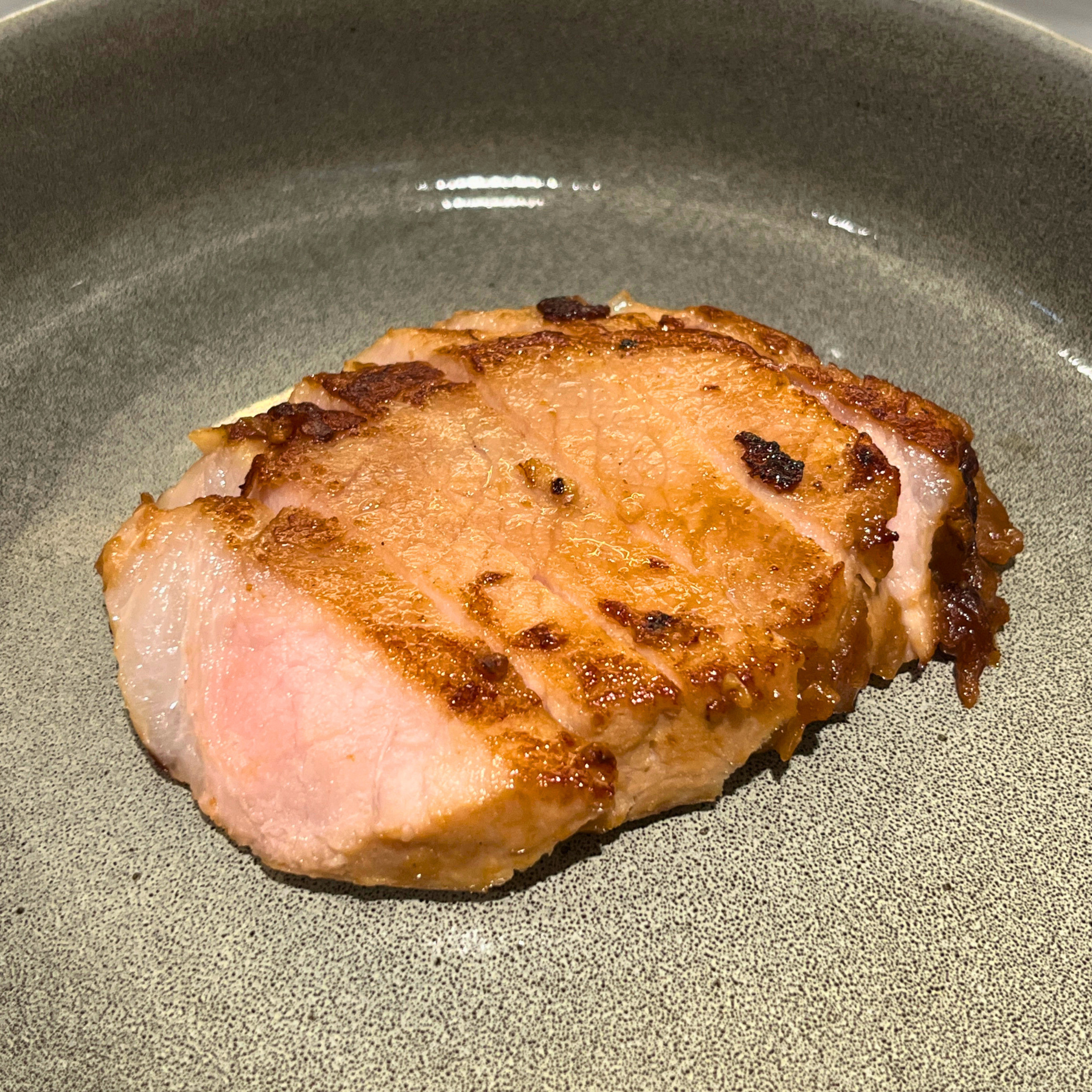
Michelin Guide Destination Masterclass 2026 kurobuta pork from soigne and chef jun lee
Chef Jun Lee’s Kurobuta Pork dish based on a forgotten Korean recipe [PHOTO: Paolo Elwick]

Around a year after the Michelin Guide officially set foot in the country, the conversation has swiftly shifted from amassing stars to defining the future of Filipino cuisine.

Poetically, the latter was the north star that guided the 2026 Michelin Guide Destination Masterclass: Chef to Chef, held last July 3 at the Center for Culinary Arts Manila in University of the Philippines BGC, Taguig.

Organized as part of the Department of Tourism’s efforts to position the Philippines as a premier gastronomic destination, the event gathered Michelin-recognized chefs and key figures in tourism for a day of knowledge sharing, and of course, good food. More than a cooking demonstration, however, the whole-day affair dove into how Filipino food can evolve without losing sight of its roots.
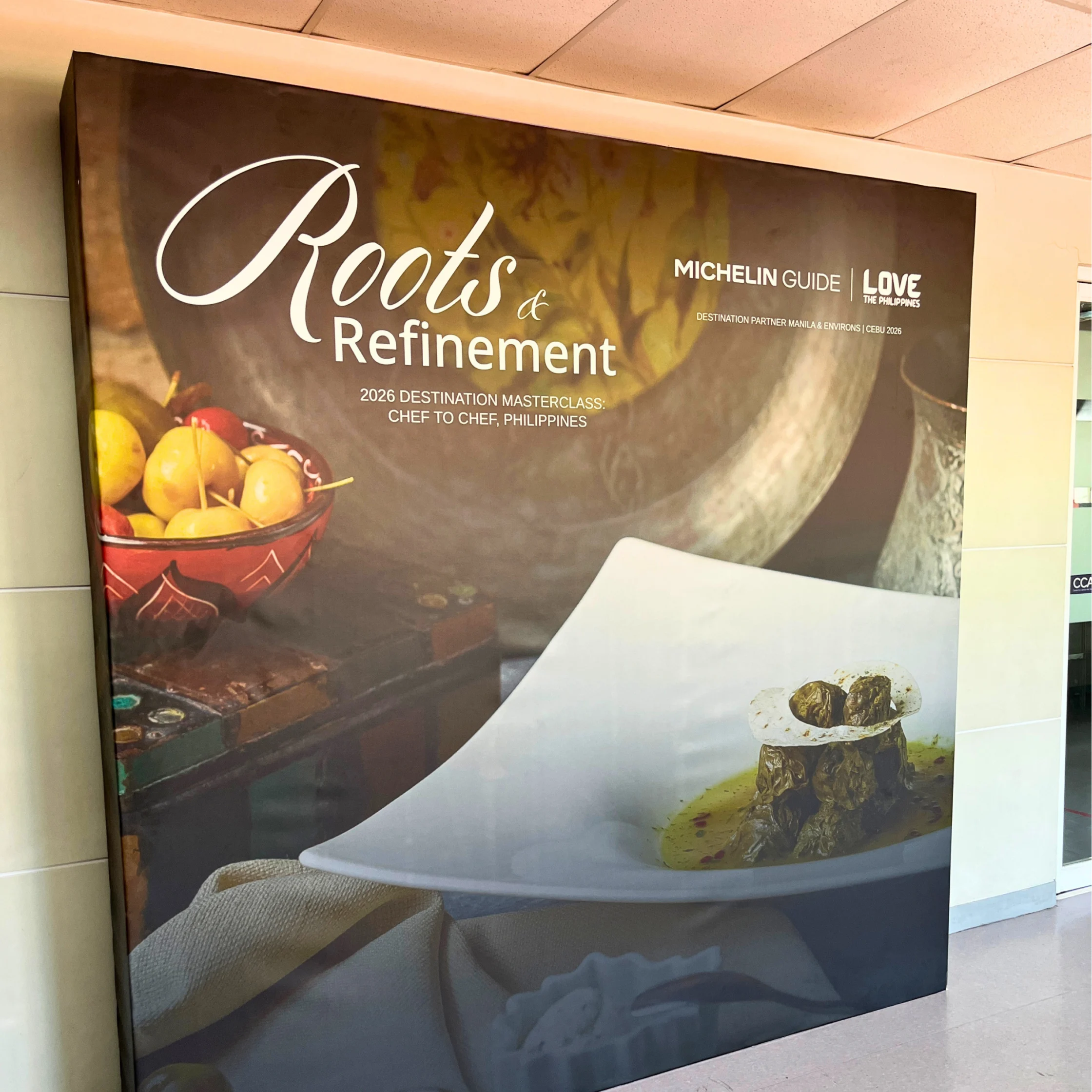
Michelin Guide Destination Masterclass 2026 poster backdrop at event
The 2026 Michelin Guide Destination Masterclass: Chef to Chef is actually the first of its kind in Asia! [PHOTO COURTESY OF Paolo Elwick]

Balancing tradition and innovation

The day’s main event was a demonstration by celebrated South Korean chef Jun Lee, who shared a forgotten Korean recipe that he reimagined using modern techniques, technology, and Filipino ingredients. Rather than simply bringing the past to life, Lee showed how tradition can remain relevant by adapting it to contemporary tastes without fully disregarding origins—a philosophy that he hopes to impart to the many Filipino chefs in attendance.
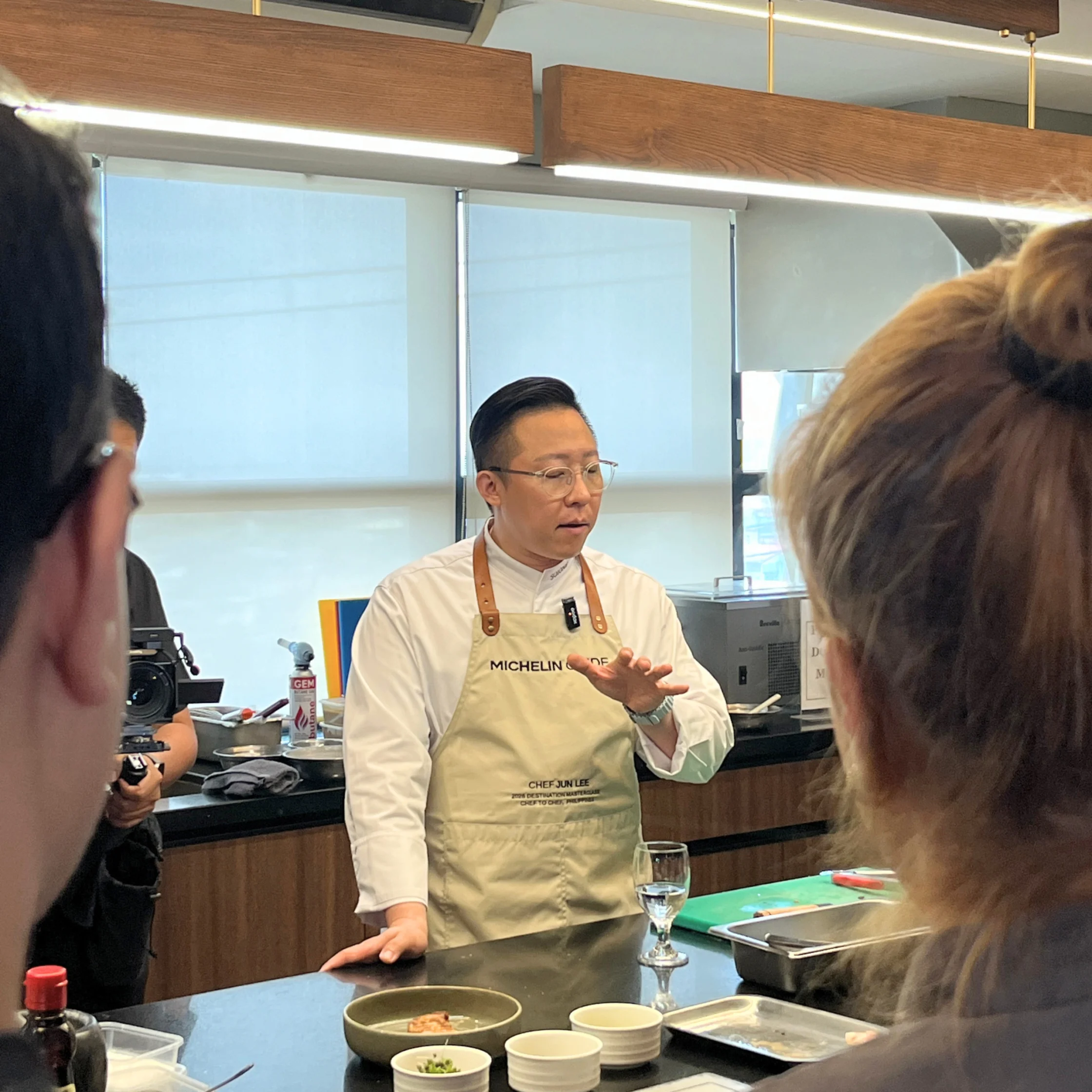
Michelin Guide Destination Masterclass 2026 chef jun lee demo
Chef Jun Lee at the 2026 Michelin Guide Destination Masterclass [PHOTO COURTESY OF Paolo Elwick]

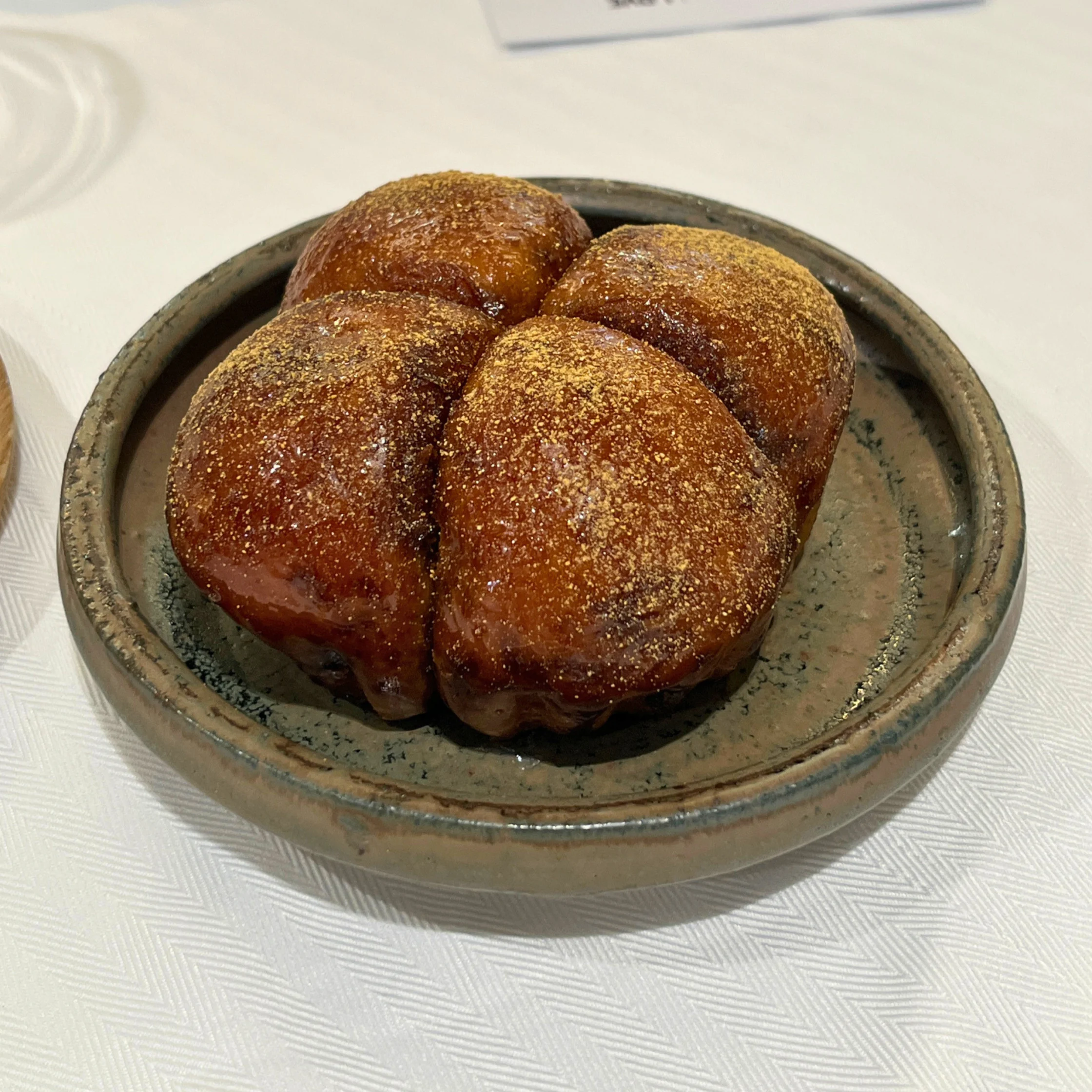
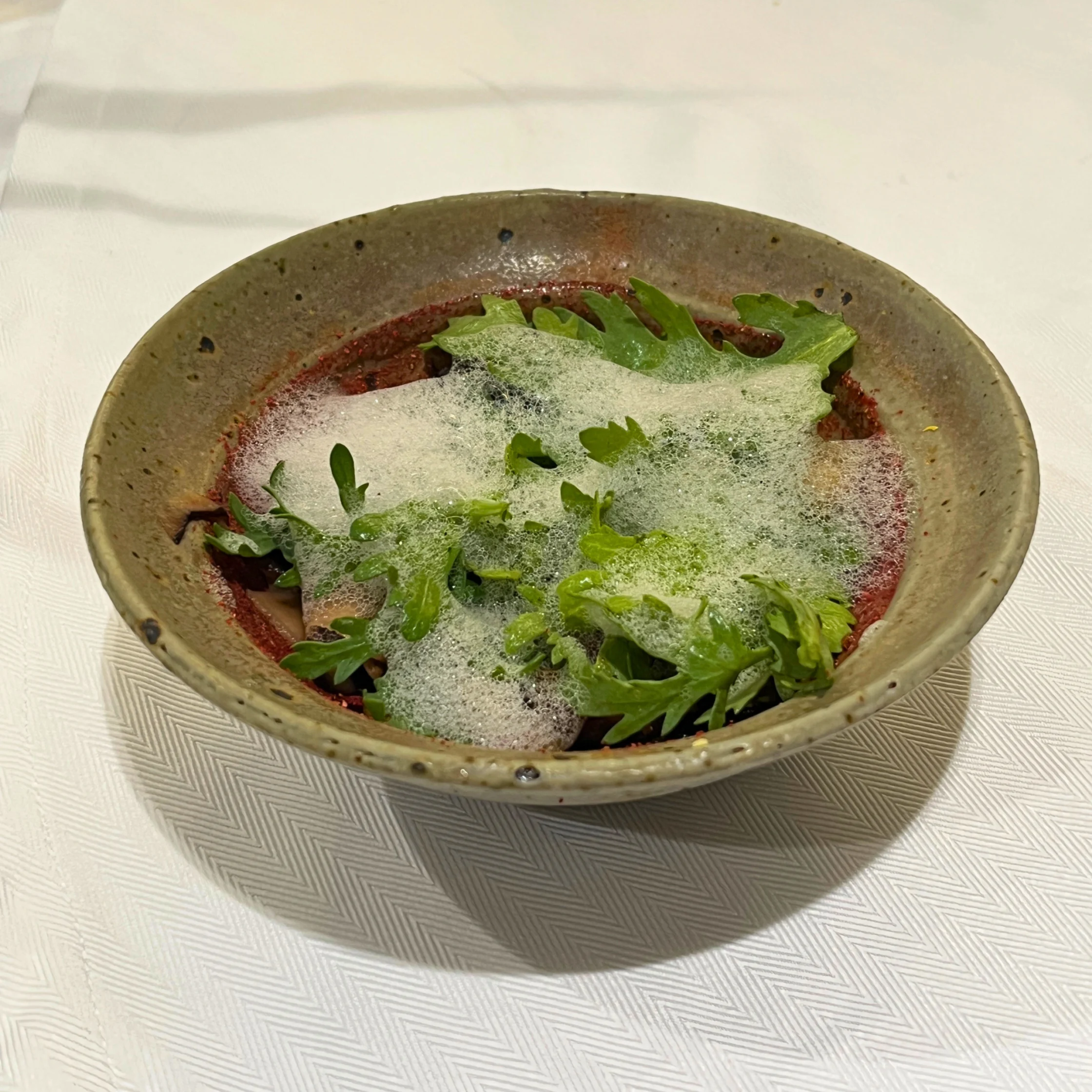
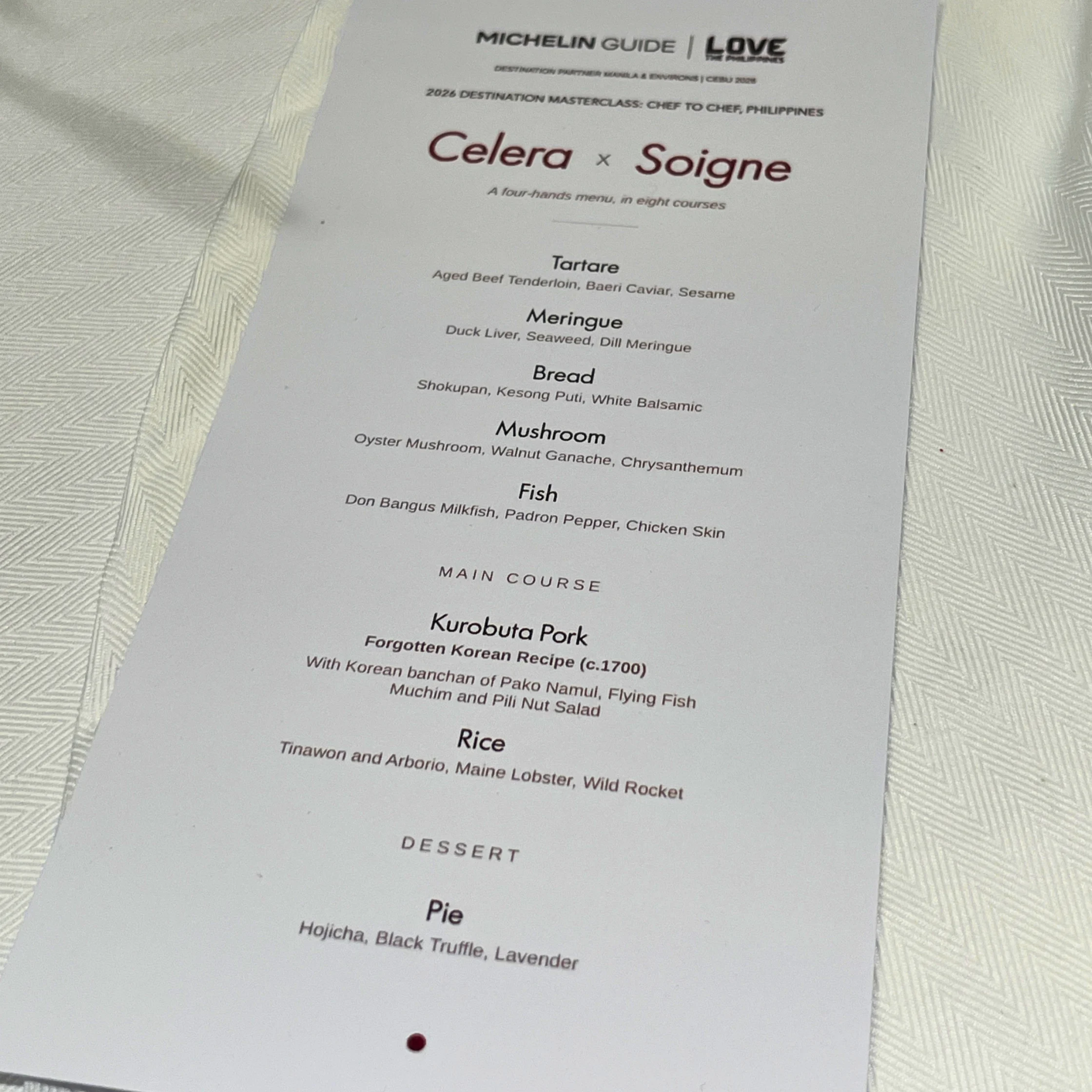
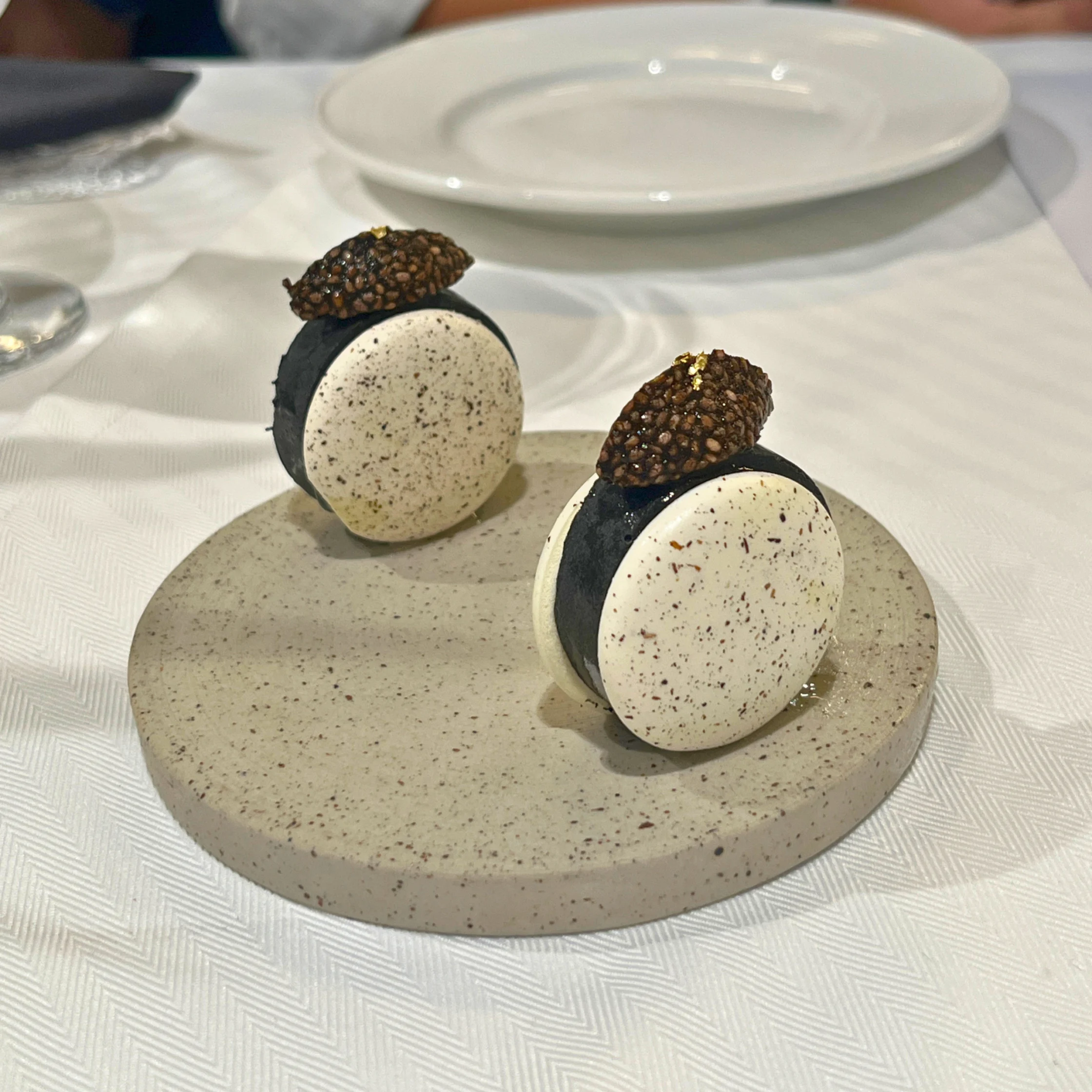
That philosophy carried over to the eight-course lunch collaboration between Celera and Lee’s two-Michelin-starred restaurant, Soigné, where each dish echoed the same balance between heritage and innovation. Among the highlights was a pillowy shokupan served with a smooth kesong puti-based dip, a deceptively simple salad made from chewy oyster mushrooms and delicate chrysanthemum leaves served in a walnut ganache, and of course, Lee’s tender reinterpretation of the forgotten Korean recipe which featured kurobuta pork.

The menu was the product of a close collaboration between the two kitchens, with Celera chef Nicco Santos helping shape a dining experience that complemented Lee’s presentation. And like the masterclass itself, every dish showed how thoughtful technique can elevate humble ingredients without overshadowing them.
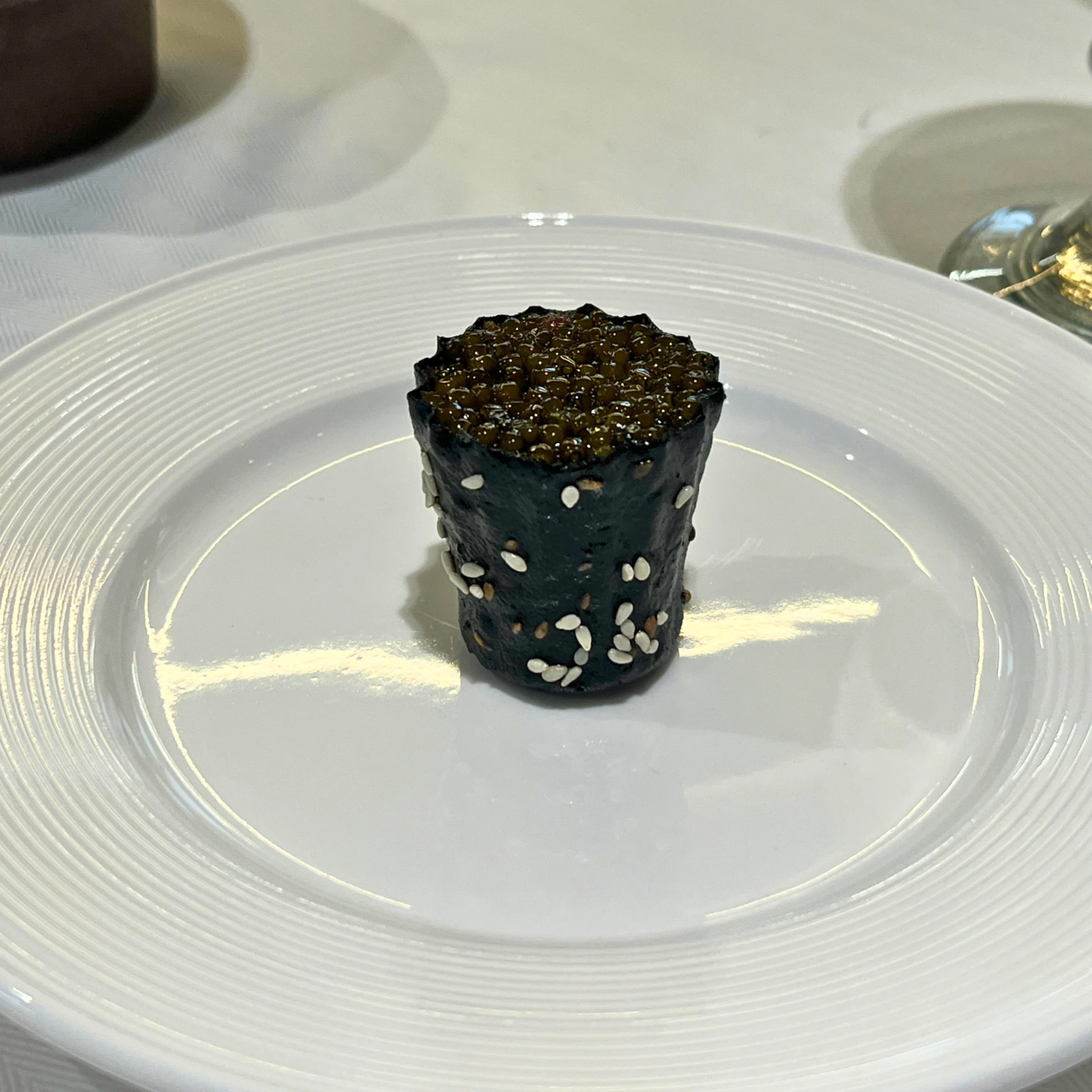
Michelin Guide Destination Masterclass 2026 taretare course from celera
Tartare [PHOTO COURTESY OF Paolo Elwick]
Michelin Guide Destination Masterclass 2026 meringue course from celera
Meringue [PHOTO COURTESY OF Paolo Elwick]
Michelin Guide Destination Masterclass 2026 bread course from celera
Bread [PHOTO COURTESY OF Paolo Elwick]
Michelin Guide Destination Masterclass 2026 mushroom salad course from celera
Mushroom [PHOTO COURTESY OF Paolo Elwick]
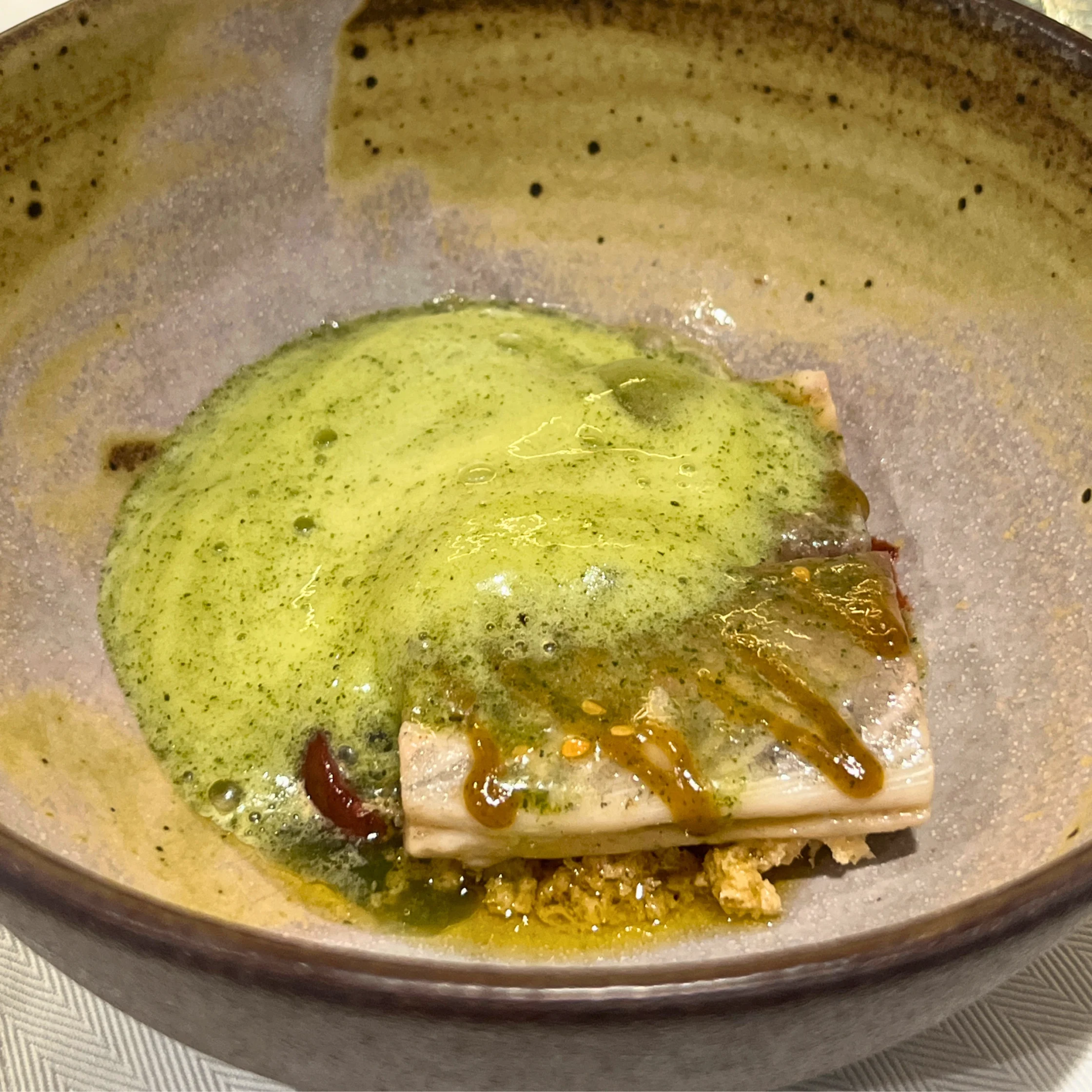
Michelin Guide Destination Masterclass 2026 fish course from celera
Fish [PHOTO COURTESY OF Paolo Elwick]
Michelin Guide Destination Masterclass 2026 kurobuta pork from soigne and chef jun lee
Kurobuta Pork [PHOTO COURTESY OF Paolo Elwick]
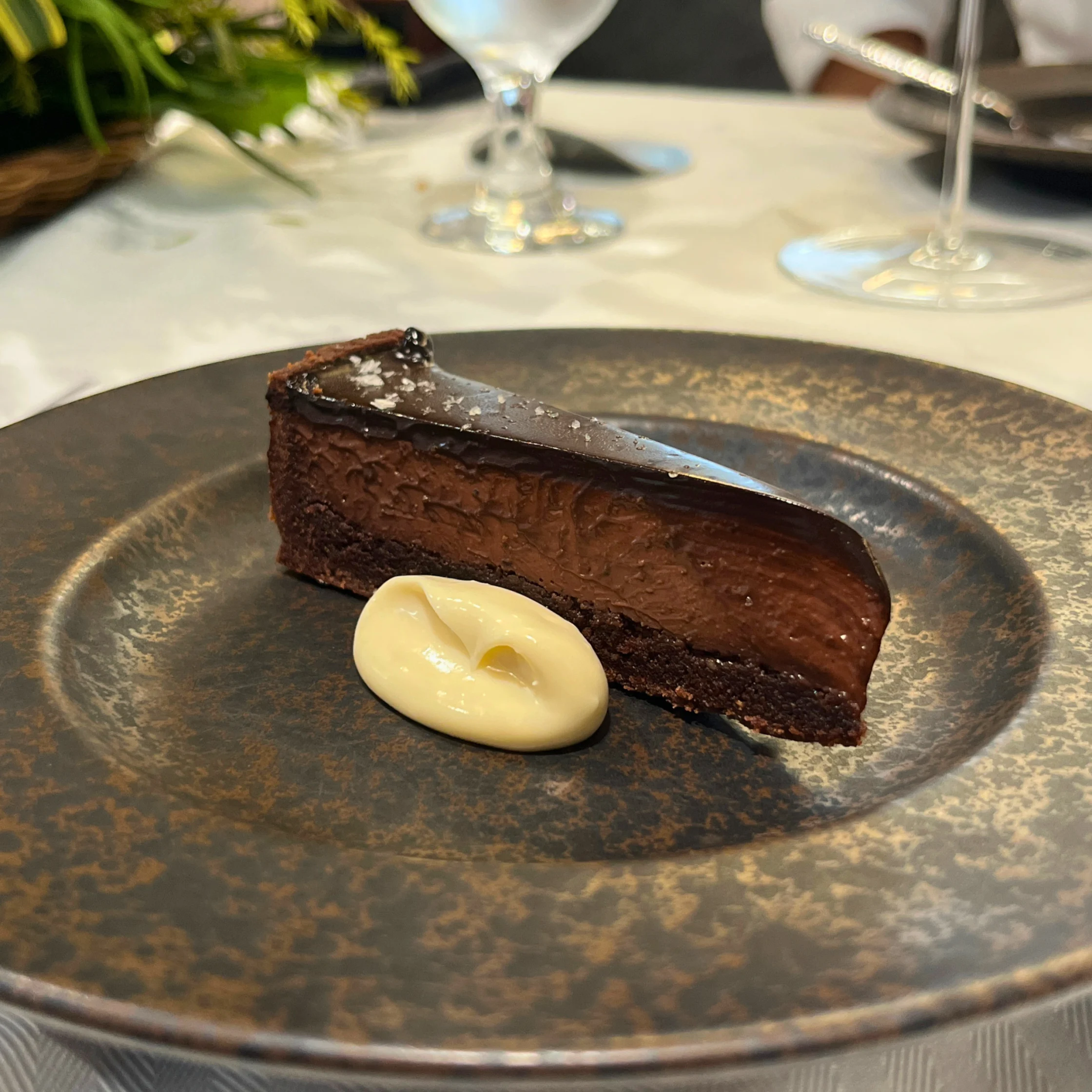
Michelin Guide Destination Masterclass 2026 dessert from celera
Dessert [PHOTO COURTESY OF Paolo Elwick]
Michelin Guide Destination Masterclass 2026 lunch collaboration between celera and soigne
The Celera x Soigné menu served during the 2026 Michelin Guide Destination Masterclass [PHOTO COURTESY OF Paolo Elwick]

For Santos, that balance begins with intention. “I think more than anything, it’s your intention,” he shared. “As long as you mean well in how you prepare certain ingredients, techniques, or culture, that’s what matters.”

For him, Michelin’s arrival offers something bigger than just international recognition for restaurants. Instead, it provides a global platform to showcase Filipino creativity and resourcefulness.

“I think more than cuisine, it’s Filipino talent that needs to be showcased,” he emphasized. “Michelin has given us more of a platform to showcase Filipino creativity and ingenuity.”

Still, Santos pointed out that one of the country’s biggest obstacles remains access to quality local produce—an ironic reality given the country’s agricultural roots. Moving forward, he hopes to see stronger connections built between chefs and farmers so ingredients can move freely from producers to kitchens instead of through multiple middlemen. That access, he said, would also allow more regional cuisines to gain visibility—particularly the food in Mindanao, whose ingredients and culinary traditions remain unfamiliar even to many Filipinos.

A tourism strategy rooted in place

The Department of Tourism shares that vision but emphasizes that innovation should never come at the expense of authenticity. According to DOT Product Development Director Paulo Tugbang, food is more than just the representation of a chef’s creativity—it should also reflect culture, history, and place.

“When chefs adapt regional cuisine, they should acknowledge where it comes from,” Tugbang said. “Respect for provenance is important.”
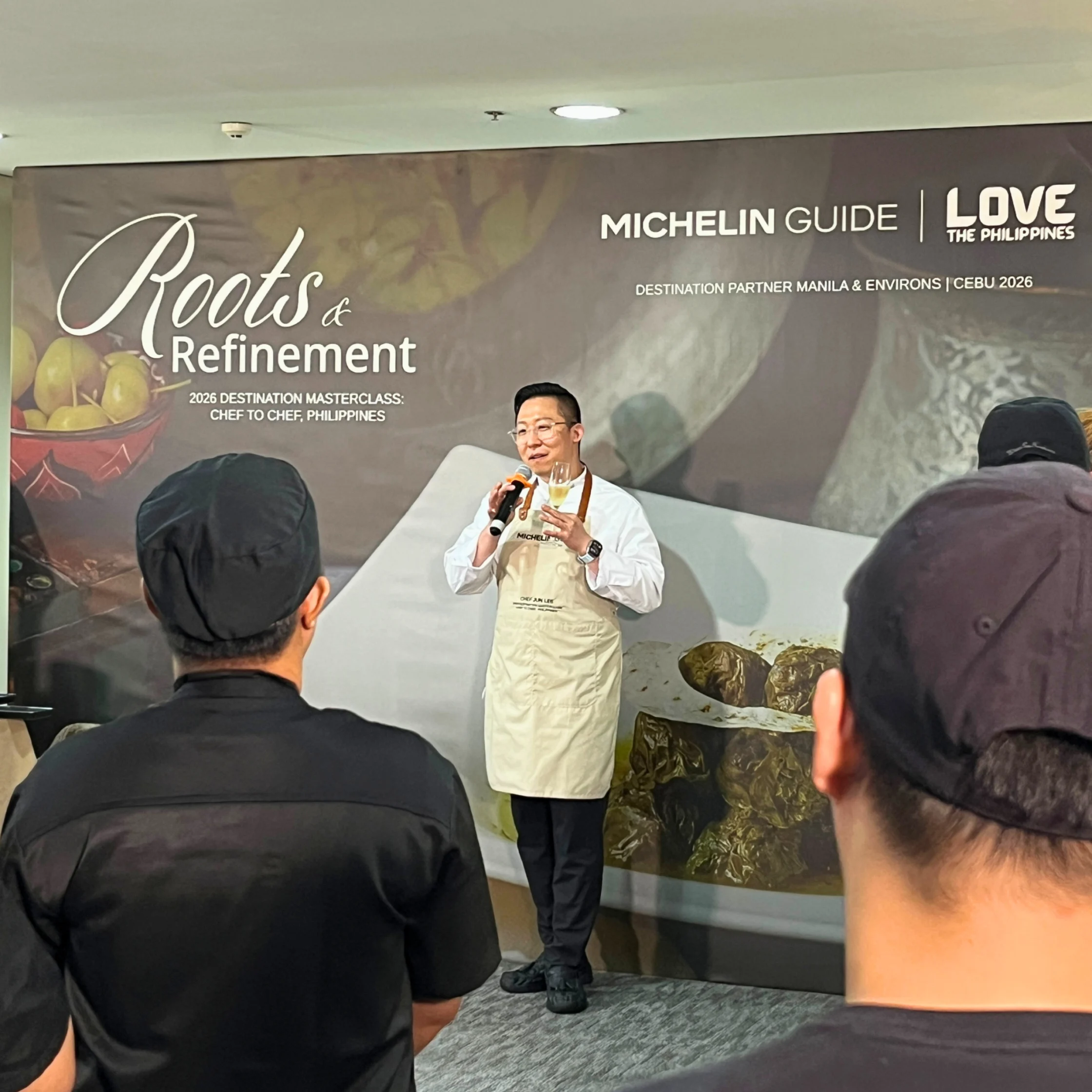
Michelin Guide Destination Masterclass 2026 chef june lee of soigne in seoul
The Department of Tourism felt confident that chef Jun could help propel Filipino food forward through his experiences in Korea. [PHOTO COURTESY OF Paolo Elwick]

But this doesn’t necessarily mean abandoning international influences. In reality, the DOT hopes that chefs use global techniques to highlight uniquely Filipino ingredients, citing chef Aaron Isip’s Michelin-recognized restaurant Kasa Palma for pairing French culinary methods with local produce and seafood as an example. The agency also sees gastronomy as a key cog in the machine that drives tourism, because introducing diners, both local and foreign, to endemic ingredients—like regional salts or seasonal fruits—can inspire travelers to visit the places where those products originate.

Looking ahead, Tugbang believes the country’s biggest challenge is not diversity but fragmentation. “Filipino food is not monolithic, but with diversity comes fragmentation,” he expressed.
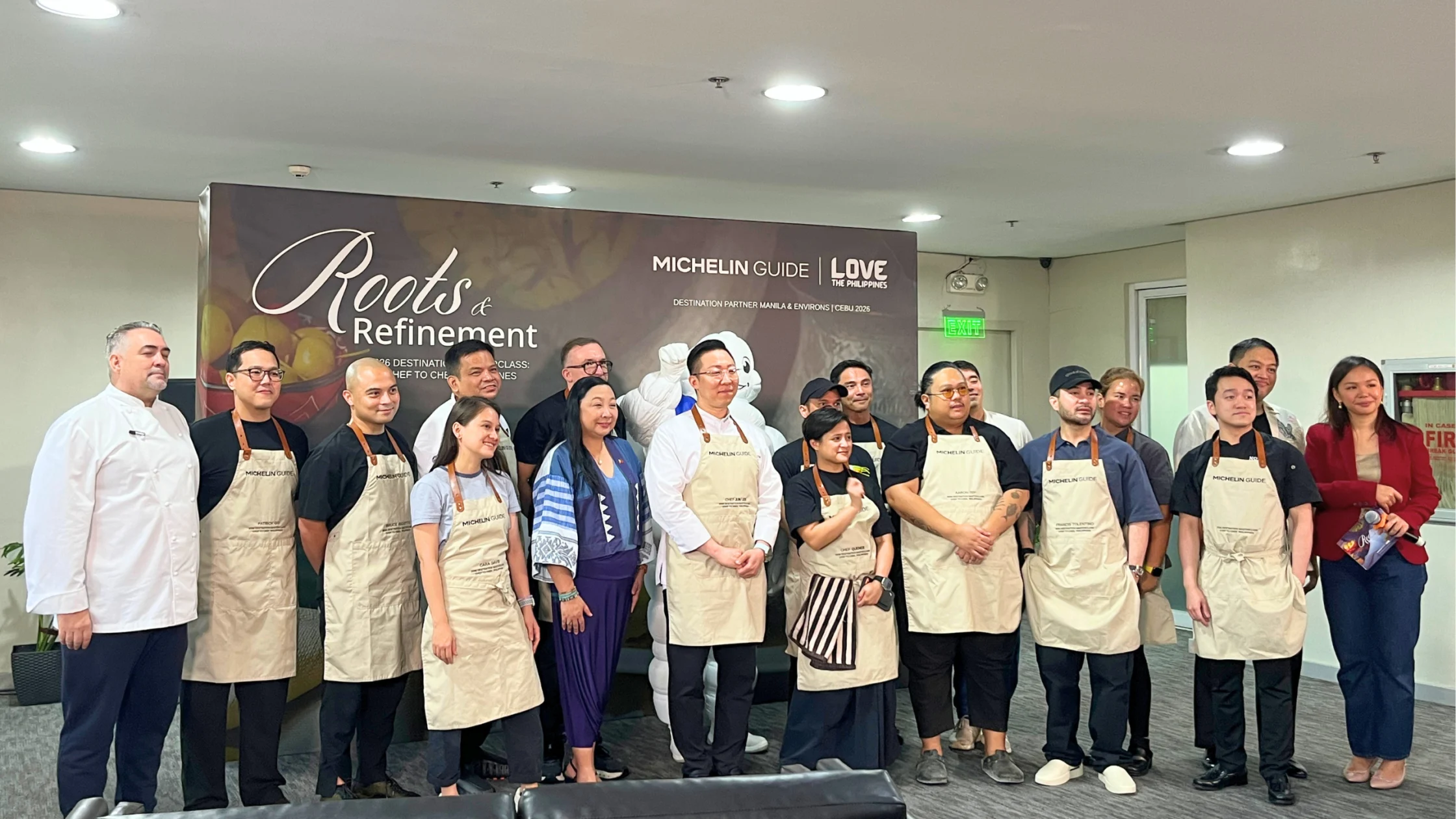
_Michelin Guide Destination Masterclass 2026 chefs posing for photo with chef june lee of soigne
Chefs posing for photo with chef Jun Lee [PHOTO COURTESY OF Paolo Elwick]

While cuisines from every region exist, many remain difficult to access outside their hometowns. For the DOT, the goal is to create a food culture that celebrates regional identities while making them more accessible nationwide.

Storytelling is the star ingredient

As Michelin enters its second year in the Philippines, it’s clear that the conversations are becoming less about stars and more about storytelling. And if the masterclass proved anything, it’s that the future of Filipino cuisine won’t be built by abandoning tradition or preserving it unchanged. Instead, it will come from giving forgotten recipes, regional ingredients, and local communities a place at the table—using modern techniques to help tell stories that have always been worth sharing.
author avatar
Paolo Elwick
Paolo is a food writer and storyteller exploring the intersections of food, culture, and identity through thoughtful, people-centered storytelling. He believes that, second only to language, food is one of humanity's most powerful expressions of culture—a medium for preserving history, expressing identity, and coming to understand ourselves and connect with others. Drawn to the histories, traditions, and personal experiences behind every dish, his writing combines curiosity with emotional honesty, highlighting diverse voices and celebrating the communities that shape our food landscape. Influenced by writers and artists who embrace vulnerability and introspection, Paolo uses a reflective, metaphor-rich approach to uncover the deeper meanings found in everyday meals and shared tables. He is passionate about creating stories that foster empathy, preserve cultural narratives, and invite readers to see food as more than sustenance—as memory, identity, and belonging. Through his work, Paolo hopes to amplify underrepresented perspectives and spark meaningful conversations that extend far beyond the plate.

Frequently Asked Questions

The Michelin Guide Destination Masterclass: Chef to Chef was a culinary event organized by the Department of Tourism that brought together Michelin-recognized chefs, culinary professionals, and tourism leaders to discuss the future of Filipino gastronomy.

author avatar
Paolo Elwick
Paolo is a food writer and storyteller exploring the intersections of food, culture, and identity through thoughtful, people-centered storytelling. He believes that, second only to language, food is one of humanity's most powerful expressions of culture—a medium for preserving history, expressing identity, and coming to understand ourselves and connect with others. Drawn to the histories, traditions, and personal experiences behind every dish, his writing combines curiosity with emotional honesty, highlighting diverse voices and celebrating the communities that shape our food landscape. Influenced by writers and artists who embrace vulnerability and introspection, Paolo uses a reflective, metaphor-rich approach to uncover the deeper meanings found in everyday meals and shared tables. He is passionate about creating stories that foster empathy, preserve cultural narratives, and invite readers to see food as more than sustenance—as memory, identity, and belonging. Through his work, Paolo hopes to amplify underrepresented perspectives and spark meaningful conversations that extend far beyond the plate.

The event featured South Korean Michelin-starred chef Jun Lee, Celera chef Nicco Santos, and officials from the Department of Tourism, among other culinary professionals.

author avatar
Paolo Elwick
Paolo is a food writer and storyteller exploring the intersections of food, culture, and identity through thoughtful, people-centered storytelling. He believes that, second only to language, food is one of humanity's most powerful expressions of culture—a medium for preserving history, expressing identity, and coming to understand ourselves and connect with others. Drawn to the histories, traditions, and personal experiences behind every dish, his writing combines curiosity with emotional honesty, highlighting diverse voices and celebrating the communities that shape our food landscape. Influenced by writers and artists who embrace vulnerability and introspection, Paolo uses a reflective, metaphor-rich approach to uncover the deeper meanings found in everyday meals and shared tables. He is passionate about creating stories that foster empathy, preserve cultural narratives, and invite readers to see food as more than sustenance—as memory, identity, and belonging. Through his work, Paolo hopes to amplify underrepresented perspectives and spark meaningful conversations that extend far beyond the plate.

The discussions focused on balancing culinary innovation with tradition while highlighting regional Filipino ingredients, storytelling, and sustainability.

author avatar
Paolo Elwick
Paolo is a food writer and storyteller exploring the intersections of food, culture, and identity through thoughtful, people-centered storytelling. He believes that, second only to language, food is one of humanity's most powerful expressions of culture—a medium for preserving history, expressing identity, and coming to understand ourselves and connect with others. Drawn to the histories, traditions, and personal experiences behind every dish, his writing combines curiosity with emotional honesty, highlighting diverse voices and celebrating the communities that shape our food landscape. Influenced by writers and artists who embrace vulnerability and introspection, Paolo uses a reflective, metaphor-rich approach to uncover the deeper meanings found in everyday meals and shared tables. He is passionate about creating stories that foster empathy, preserve cultural narratives, and invite readers to see food as more than sustenance—as memory, identity, and belonging. Through his work, Paolo hopes to amplify underrepresented perspectives and spark meaningful conversations that extend far beyond the plate.

Regional ingredients showcase the country’s biodiversity and cultural heritage while encouraging tourism and supporting local farmers and producers.

author avatar
Paolo Elwick
Paolo is a food writer and storyteller exploring the intersections of food, culture, and identity through thoughtful, people-centered storytelling. He believes that, second only to language, food is one of humanity's most powerful expressions of culture—a medium for preserving history, expressing identity, and coming to understand ourselves and connect with others. Drawn to the histories, traditions, and personal experiences behind every dish, his writing combines curiosity with emotional honesty, highlighting diverse voices and celebrating the communities that shape our food landscape. Influenced by writers and artists who embrace vulnerability and introspection, Paolo uses a reflective, metaphor-rich approach to uncover the deeper meanings found in everyday meals and shared tables. He is passionate about creating stories that foster empathy, preserve cultural narratives, and invite readers to see food as more than sustenance—as memory, identity, and belonging. Through his work, Paolo hopes to amplify underrepresented perspectives and spark meaningful conversations that extend far beyond the plate.

Beyond recognizing restaurants, Michelin has provided Filipino chefs with a global platform to showcase local creativity, regional ingredients, and contemporary interpretations of Filipino cuisine.
author avatar
Paolo Elwick
Paolo is a food writer and storyteller exploring the intersections of food, culture, and identity through thoughtful, people-centered storytelling. He believes that, second only to language, food is one of humanity's most powerful expressions of culture—a medium for preserving history, expressing identity, and coming to understand ourselves and connect with others. Drawn to the histories, traditions, and personal experiences behind every dish, his writing combines curiosity with emotional honesty, highlighting diverse voices and celebrating the communities that shape our food landscape. Influenced by writers and artists who embrace vulnerability and introspection, Paolo uses a reflective, metaphor-rich approach to uncover the deeper meanings found in everyday meals and shared tables. He is passionate about creating stories that foster empathy, preserve cultural narratives, and invite readers to see food as more than sustenance—as memory, identity, and belonging. Through his work, Paolo hopes to amplify underrepresented perspectives and spark meaningful conversations that extend far beyond the plate.
paolo elwick delish ph food writer

Paolo Elwick

Writer

Paolo is a food writer and storyteller exploring the intersections of food, culture, and identity through thoughtful, people-centered storytelling. He believes that, second only to language, food is one of humanity's most powerful expressions of culture—a medium for preserving history, expressing identity, and coming to understand ourselves and connect with others. Drawn to the histories, traditions, and personal experiences behind every dish, his writing combines curiosity with emotional honesty, highlighting diverse voices and celebrating the communities that shape our food landscape. Influenced by writers and artists who embrace vulnerability and introspection, Paolo uses a reflective, metaphor-rich approach to uncover the deeper meanings found in everyday meals and shared tables. He is passionate about creating stories that foster empathy, preserve cultural narratives, and invite readers to see food as more than sustenance—as memory, identity, and belonging. Through his work, Paolo hopes to amplify underrepresented perspectives and spark meaningful conversations that extend far beyond the plate.

0 0 votes
Total of Ratings
guest
Rating
Ratings for Article
0 Comments
Oldest
Newest Most Voted

To provide a customized ad experience, we need to know if you are of legal age in your region.

By making a selection, you agree to our Terms & Conditions.