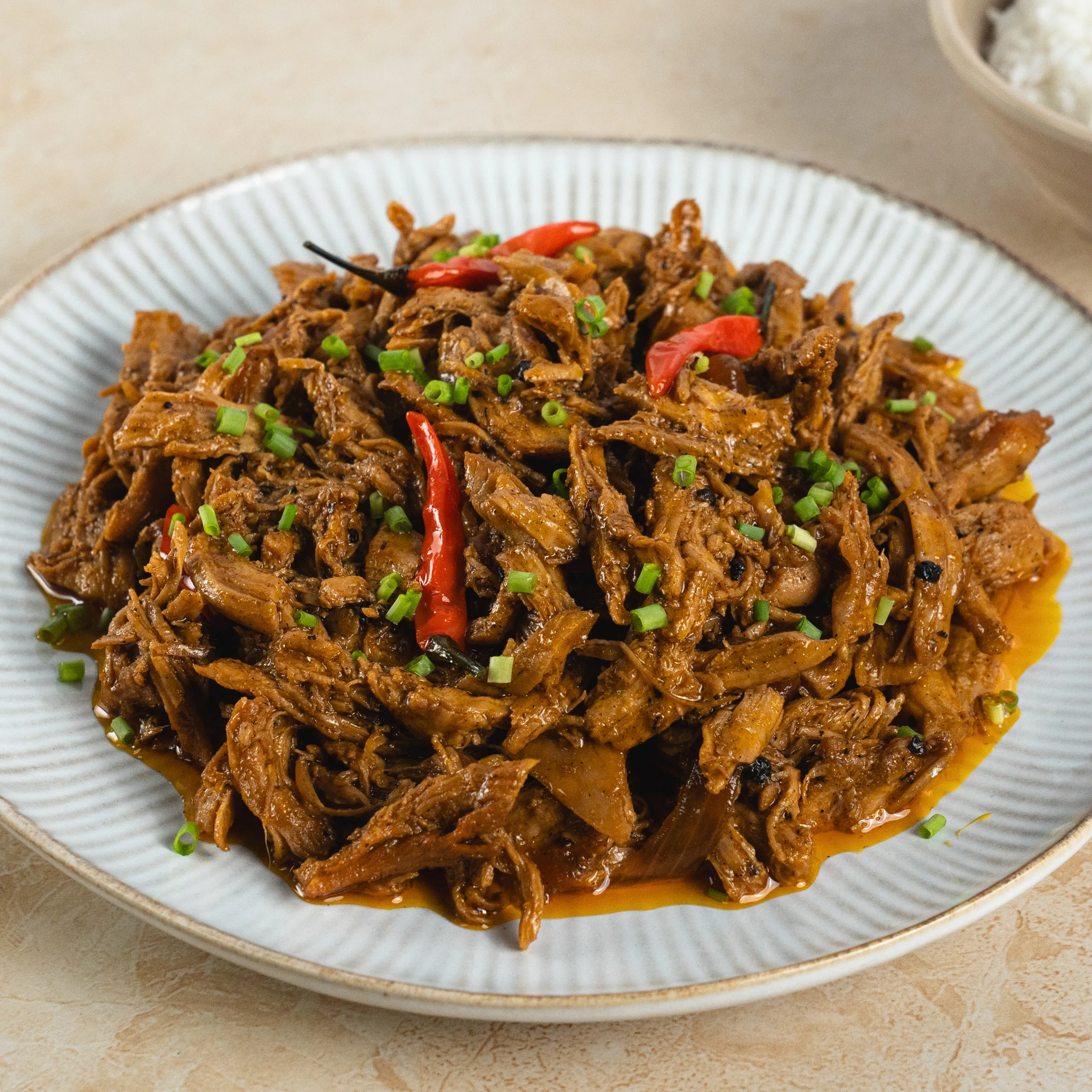


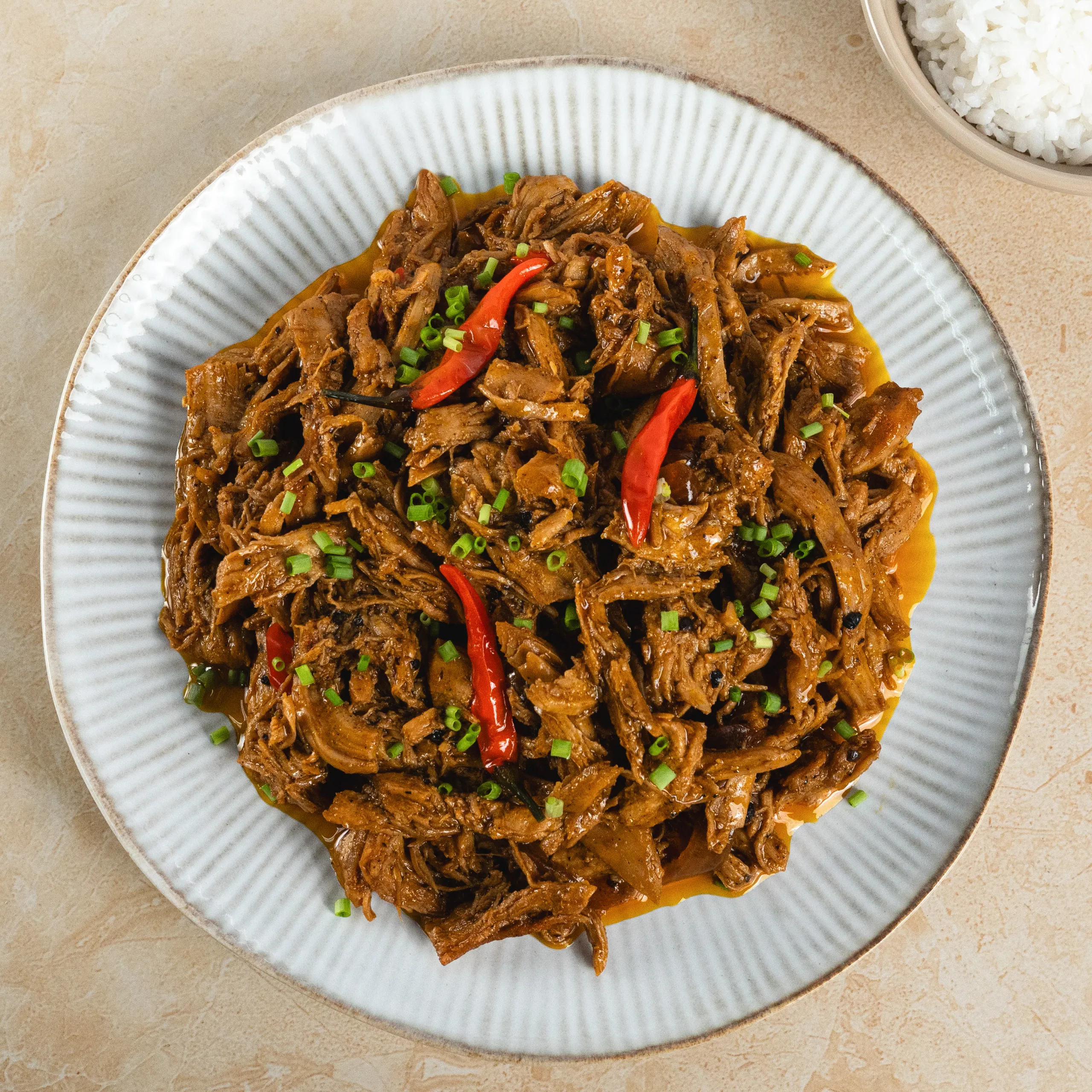
Chicken pastil is a simple yet flavorful Filipino dish that proves delicious meals do not always need expensive ingredients or complicated cooking methods. Made with shredded chicken seasoned with garlic, onion, soy sauce, and other spices, this dish is known for its savory taste, tender texture, and appetizing aroma. It is commonly enjoyed with steamed rice and is especially popular among people who appreciate affordable, filling, and practical home-cooked meals.
Pastil is closely associated with the food traditions of Muslim communities in Mindanao, particularly the Maguindanaon people. Traditionally, it consists of rice topped with shredded, seasoned meat and wrapped in banana leaves, making it convenient to carry and eat. Chicken is one popular filling, although beef and other meats may also be used.
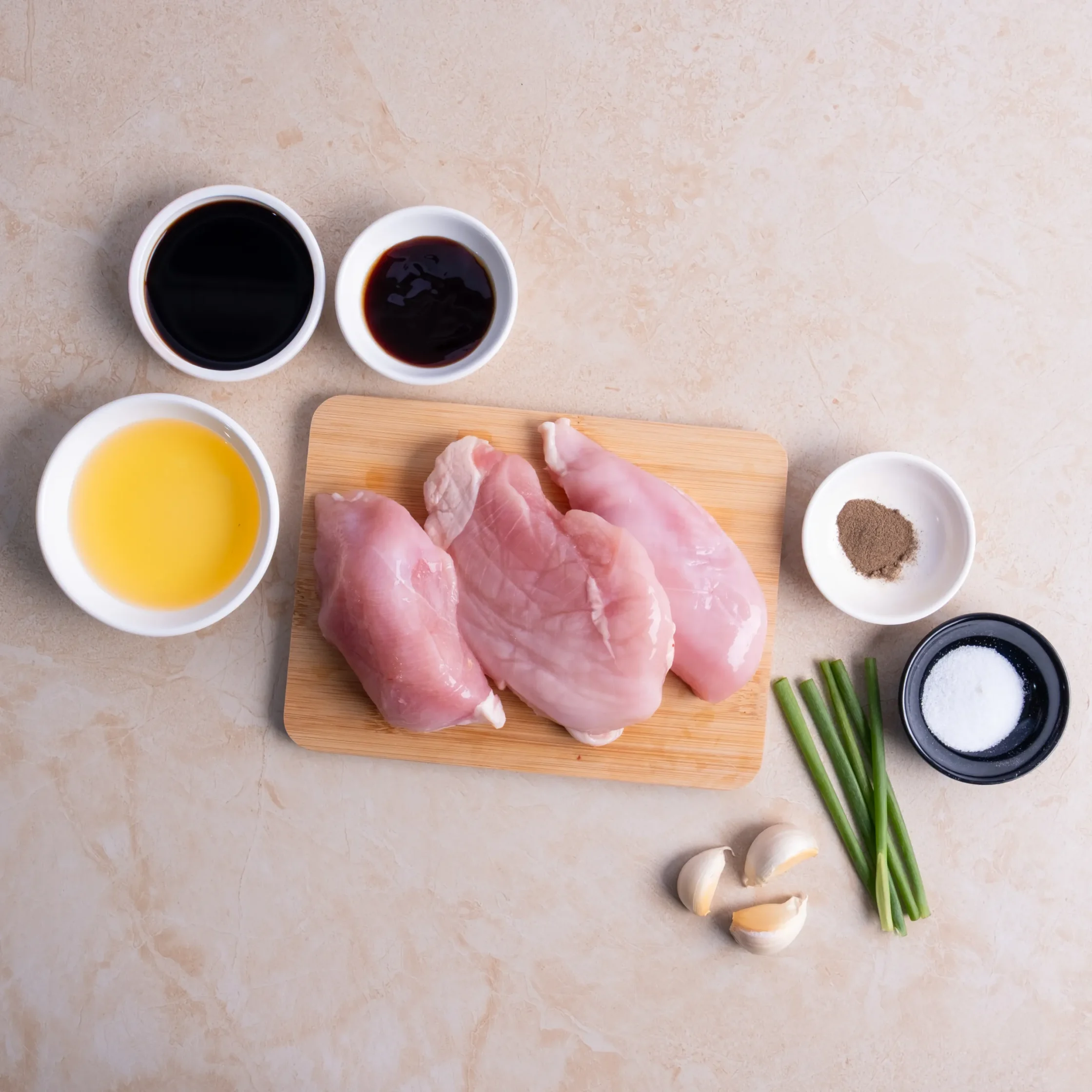
This chicken pastil recipe offers a flavorful homemade version using boneless chicken, soy sauce, oyster sauce, annatto powder, brown sugar, vinegar, and plenty of garlic and onion. The addition of red chilies gives it a little heat, while spring onions provide freshness and color. Whether you are cooking for your family, preparing meals for the week, or starting a small food business, chicken pastil is a wonderful dish to add to your menu.
History of Chicken Pastil
Chicken pastil has its roots in the culinary traditions of Mindanao in the southern Philippines. It is particularly associated with the Maguindanaon community, although similar preparations are enjoyed in other parts of the region.
Traditional pastil is often made by placing seasoned, shredded meat over cooked rice and wrapping the serving in banana leaves. These compact rice parcels are convenient for travelers, workers, students, and anyone who needs an affordable meal on the go.
The use of banana leaves is an important part of the traditional presentation. They help hold the rice and meat together and contribute a subtle aroma. Pastil is also valued because its ingredients are relatively simple, and a batch of shredded meat can be divided into several individual servings.
Over time, pastil has become more widely recognized throughout the Philippines. Home cooks and food sellers have developed different versions, adjusting the seasonings, meat, spiciness, and serving style to suit their preferences.
This recipe is a modern, saucier variation of chicken pastil. The soy sauce, oyster sauce, annatto, brown sugar, and vinegar create a savory, slightly sweet, tangy flavor profile. Although these ingredients may differ from simpler traditional preparations, they offer a delicious way to enjoy shredded chicken with rice.
Equipment needed
- Chopping board and knife
- Mixing bowl
- Cooking pot or deep frying pan
- Wooden spoon or spatula
- Forks for shredding the chicken
- Measuring spoons and cups
- Food-safe containers for storing leftovers
Recipe Tips for Delicious Chicken Pastil
- Choose the right cut of chicken. Chicken breast gives a leaner filling, while chicken thigh tends to stay juicier during cooking.
- Shred the chicken finely. Smaller strands allow the seasoning to coat more of the meat.
- Cook the aromatics carefully. Garlic burns quickly, so add it after the onion has softened.
- Distribute the annatto evenly. Stir it into the oil before adding the chicken to avoid concentrated patches of color.
- Balance the seasoning. Soy sauce and oyster sauce add saltiness and savory flavor, while sugar and vinegar provide sweetness and acidity.
- Control the moisture. A drier filling is convenient for rice parcels, while a slightly moist filling works well as a rice topping.
- Adjust the chili to your taste. Two red chilies may provide noticeable heat depending on their variety and size.
- Let the flavors settle. If time allows, let the cooked chicken rest for a few minutes before serving so the sauce distributes evenly.
- Use clean banana leaves. Wipe them clean and briefly warm them to make them more flexible before wrapping, if desired.
- Prepare the rice separately. Freshly cooked rice provides the best texture and makes it easier to portion the dish.
Interesting Knowledge About Chicken Pastil
What makes pastil different from ordinary shredded chicken?
Pastil is not simply shredded chicken served with rice. It is associated with a particular Mindanao food tradition in which seasoned meat is paired with rice and often wrapped in banana leaves. The combination makes it convenient, portable, and filling.
Why is chicken pastil popular as an affordable meal?
Chicken can be prepared in batches and divided into individual servings. When paired with rice, it provides a practical meal for students, workers, families, and people looking for inexpensive food options.
What does annatto powder do?
Annatto powder, derived from the seeds of the achiote tree, is commonly used as a natural food coloring. It gives dishes an orange-red or golden hue and contributes a mild earthy flavor.
Why are garlic and onion important?
Garlic and onion form the aromatic base of many Filipino savory dishes. When cooked in oil, they release flavorful compounds that help give the chicken its characteristic aroma and depth.
Why are soy sauce and oyster sauce used together?
Soy sauce provides saltiness and fermented savory notes, while oyster sauce adds a thicker consistency and deeper umami flavor. Together, they create a fuller seasoning for shredded chicken.
What role does vinegar play?
Vinegar adds acidity that balances the richness of the oil and the sweetness of the brown sugar. It also helps create a more layered flavor profile.
Is this the traditional way of preparing pastil?
Not exactly. Traditional pastil is generally associated with seasoned shredded meat served with rice and wrapped in banana leaves. This recipe uses a more heavily seasoned, saucier preparation with annatto, oyster sauce, sugar, and vinegar. It is best described as a modern homemade variation inspired by pastil.
Can chicken pastil be sold as a food business?
Yes. Its relatively simple ingredients and batch-friendly preparation make it suitable for rice meals, packed lunches, and takeaway food. Food sellers should maintain consistent portion sizes, hygienic preparation, proper refrigeration, and safe delivery temperatures.
Health Benefits of Chicken Pastil
Chicken pastil can contribute useful nutrients to a balanced diet, particularly when served with appropriate portions of rice and vegetables. Its nutritional value depends on the chicken cut, amount of oil, seasoning, and serving size.
Protein for muscle maintenance
Chicken provides high-quality protein, which supports muscle maintenance, tissue repair, and other normal body functions.
B vitamins for energy metabolism
Chicken contains B vitamins, including niacin and vitamin B6, which help the body use energy from food and support normal metabolic processes.
Minerals for normal body functions
Chicken supplies minerals such as phosphorus and selenium. These contribute to normal bone function, antioxidant defenses, and other physiological processes.
Energy from rice
When served with rice, chicken pastil provides carbohydrates that supply energy for daily activities. Rice also makes the meal filling and helps stretch the chicken into several portions.
Garlic and onion
Garlic and onion contain various plant compounds and small amounts of micronutrients. They contribute flavor, making the dish enjoyable without requiring additional seasoning alone.
Tips for a more balanced version
- Use chicken breast if you prefer a leaner protein source.
- Reduce the cooking oil if you want to lower the dish’s overall fat and calorie content.
- Choose reduced-sodium soy sauce and use oyster sauce carefully to limit sodium.
- Add fresh vegetables such as cucumber, carrots, or leafy greens.
- Serve a reasonable portion of rice alongside a generous portion of chicken.
- Adjust the sugar to suit your taste without making the dish overly sweet.
Chicken pastil can be part of a balanced diet, but it is not a cure for illness or a substitute for a varied eating pattern. Because soy sauce and oyster sauce can be high in sodium, people who need to limit sodium should pay particular attention to the seasoning.
How to Store Chicken Pastil Properly
Proper storage is important because cooked chicken and cooked rice can both support the growth of harmful bacteria if left at unsafe temperatures.
Refrigerator storage
Transfer cooked chicken pastil into clean, shallow, airtight containers and refrigerate at 4°C (40°F) or below within two hours of cooking. If the surrounding temperature exceeds 32°C (90°F), refrigerate within one hour. Consume within 3–4 days.
Freezer storage
Freeze chicken pastil in meal-sized portions in airtight, freezer-safe containers or bags. For best quality, use within about 2–3 months. Label each container with the preparation date and thaw frozen portions in the refrigerator rather than on the counter.
Reheating
Reheat the chicken until it reaches 74°C (165°F) throughout. Add a splash of water or broth if it has become dry. Reheat only the portion you intend to eat.
Storing pastil with rice
If the chicken is already packed with cooked rice, refrigerate the complete meal promptly in shallow containers. Cooked rice needs particular care because bacteria such as Bacillus cereus can produce toxins if rice is improperly stored, and reheating may not eliminate those toxins.
Additional food-storage reminders
- Avoid leaving cooked chicken pastil at room temperature for long periods, especially in hot weather.
- Do not pack hot food into a deep, tightly stacked container and leave it out to cool for hours. Divide it into shallow containers and refrigerate promptly.
- Keep raw chicken separate from cooked food during preparation.
- Use clean utensils when portioning and serving.
- If using banana leaves, make sure they are clean and suitable for food contact.
- For packed meals and food delivery, use insulated containers to maintain safe temperatures.
- Discard food that has been held at unsafe temperatures for too long, even if it still smells normal.
For a food business, use a consistent cooling, refrigeration, transport, and reheating procedure rather than relying on appearance or smell.
Final Words About Chicken Pastil
Chicken pastil is a wonderful example of how simple ingredients can create a satisfying and memorable meal. Its savory shredded chicken, fragrant garlic and onion, rich seasonings, and comforting rice make it a practical choice for everyday meals, packed lunches, family gatherings, and small food businesses.
Beyond its flavor, chicken pastil carries a meaningful connection to the food traditions of Mindanao. Its familiar combination of meat and rice reflects the creativity of home cooks and food sellers who prepare meals that are convenient, filling, and easy to share.
The best part about preparing chicken pastil at home is that you can adjust it to suit your own taste. You can make it spicier, less sweet, more tangy, or slightly drier depending on how you plan to serve it. With careful cooking, balanced seasoning, and proper food storage, you can create a delicious version that your family and customers will enjoy.
Whether you serve it in a banana-leaf parcel or simply spoon it over a warm bowl of rice, chicken pastil is a dish worth learning and sharing. It reminds us that good food is not only about ingredients and flavor but also about culture, resourcefulness, and the joy of enjoying a satisfying meal together.
Happy cooking, and may your homemade chicken pastil be flavorful, comforting, and enjoyed by everyone at the table!